Por Qué Tu Piel Puede Seguir Sintiéndose Seca Después De Hidratarla
Descubre por qué aplicar más crema hidratante no siempre alivia la sensación de sequedad, y cómo el agua, los aceites y los lípidos contribuyen a crear una rutina más agradable.

Por Qué Tu Piel Puede Seguir Sintiéndose Seca Después De Hidratarla: Agua, Aceites Y Lípidos Explicados
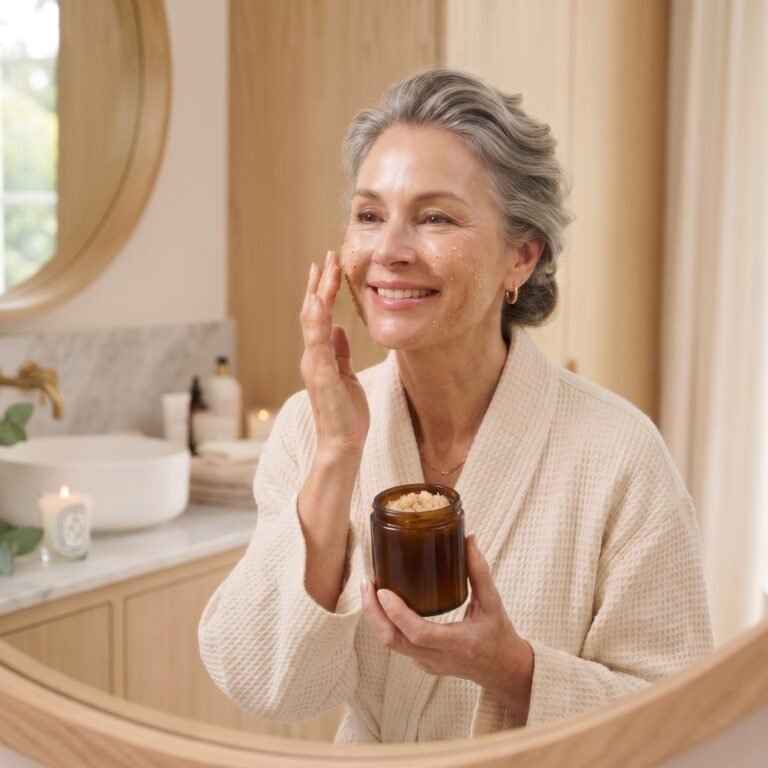
Te aplicas la crema hidratante con cuidado. Durante unos minutos la piel se siente confortable, incluso puede verse suavemente luminosa, y después vuelve la tirantez conocida. Por la tarde, las mejillas parecen pedir algo de nuevo. Las manos también pueden sentirse secas poco después, aunque hayas usado una crema más rica de lo habitual.
La reacción inmediata es comprensible: quizá la respuesta sea más crema hidratante. Más capas. Una textura más densa. Un aceite nuevo. Sin embargo, la cantidad no siempre es lo que falta.
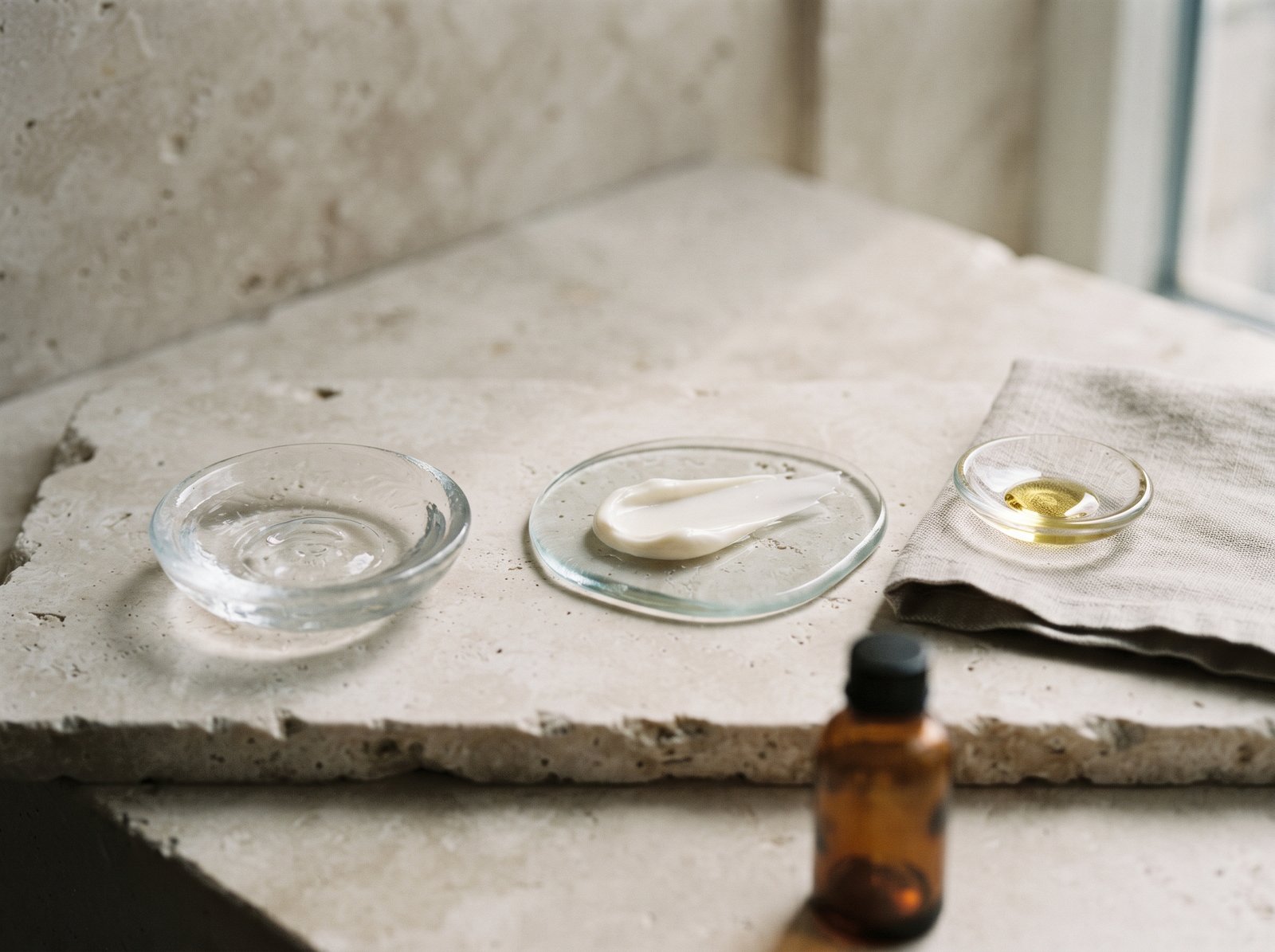
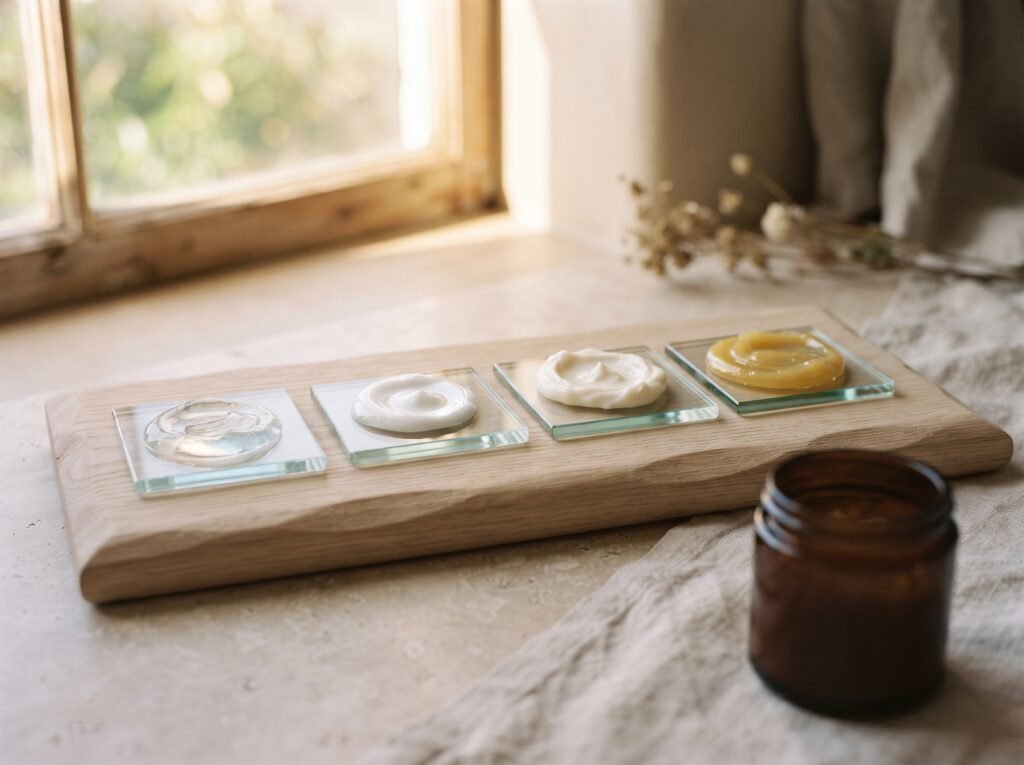
"Hidratante" es una palabra que usamos para productos capaces de cumplir varias funciones. Algunos aportan agua e ingredientes que ayudan a mantenerla en la rutina. Otros hacen que la superficie se sienta más suave y flexible. Otros dejan un acabado más protector que ayuda a que el agua tarde más en evaporarse. Un producto puede realizar las tres funciones en cierta medida, pero no necesariamente en la proporción que tu piel necesita ese día.
Por eso una rutina puede ser generosa y seguir pareciendo incompleta. La pregunta útil no es solo "¿qué debería añadir?", sino "¿qué tipo de confort parece estar faltando?"
Una Sensación De Sequedad Puede Significar Más De Una Cosa
En las conversaciones cotidianas sobre cuidado de la piel, la palabra "seca" puede describir experiencias muy distintas. La piel puede sentirse tirante después de limpiarla. Puede verse apagada o sentirse áspera al tacto. Puede estar suave al principio y resultar menos cómoda conforme pasa el día. También puede sentirse seca y reaccionar con facilidad ante productos que antes parecían sencillos.
Estas experiencias pueden solaparse, pero no siempre piden la misma respuesta. Tratarlas como si fueran un único problema suele crear un ciclo conocido: se añaden más y más productos, se pierde de vista qué está ayudando y la rutina termina siendo más complicada en lugar de más útil.
Es más útil pensar en funciones que en etiquetas. ¿Parece que a la piel le falta una sensación de confort más acuosa? ¿Necesita una superficie más suave y menos áspera? ¿O se siente cómoda justo después de aplicar el producto, pero pierde ese confort demasiado deprisa?
Estas son observaciones, no diagnósticos. Simplemente ofrecen un mejor punto de partida que asumir que un tarro más rico resolverá cualquier tipo de sequedad.
El Agua, La Suavidad Y Un Acabado Protector Cumplen Funciones Distintas
Las fórmulas hidratantes bien planteadas no hacen una sola cosa. Combinan distintos materiales para que la piel pueda sentirse más cómoda de varias maneras. Las palabras técnicas son útiles cuando se entienden, pero la diferencia práctica importa más.
Agua e ingredientes que ayudan a mantenerla. Muchas hidratantes contienen agua junto con ingredientes que a menudo se describen como humectantes. Su función es ayudar a que haya agua en la superficie de la piel. Cuando la piel se siente tirante, una rutina que incluya este tipo de hidratación puede tener sentido. Pero el agua por sí sola puede ser fugaz, especialmente con aire seco en interiores, viento, calefacción o aire acondicionado.
Materiales emolientes. Los aceites, las mantecas y otros materiales suavizantes se suelen describir como emolientes. Influyen en el deslizamiento, el efecto acolchado y la sensación lisa que queda después de aplicarlos. Pueden ser especialmente relevantes cuando la queja no es solo la tirantez, sino una superficie que se siente áspera, fina como papel o menos flexible de lo habitual.
Un acabado protector. Algunos ingredientes dejan una película más protectora sobre la superficie. Esto puede ayudar a que el agua que ya está presente tarde más en evaporarse. En el lenguaje cosmético se suele hablar de ingredientes oclusivos. La palabra puede sonar intensa, pero solo describe una función. Una loción ligera, una crema y un bálsamo pueden ofrecer grados muy distintos de este efecto final.
Ninguna de estas funciones es automáticamente mejor. Una fórmula ligera, centrada en el agua, puede sentirse ideal una mañana y quedarse corta en una tarde fría y ventosa. Un acabado más rico puede resultar reconfortante para una persona y demasiado pesado para otra. La cuestión no es buscar la fórmula más elaborada. Es observar qué función no está quedando suficientemente cubierta.
Los Lípidos Forman Parte De La Conversación, Pero No Son Toda La Respuesta
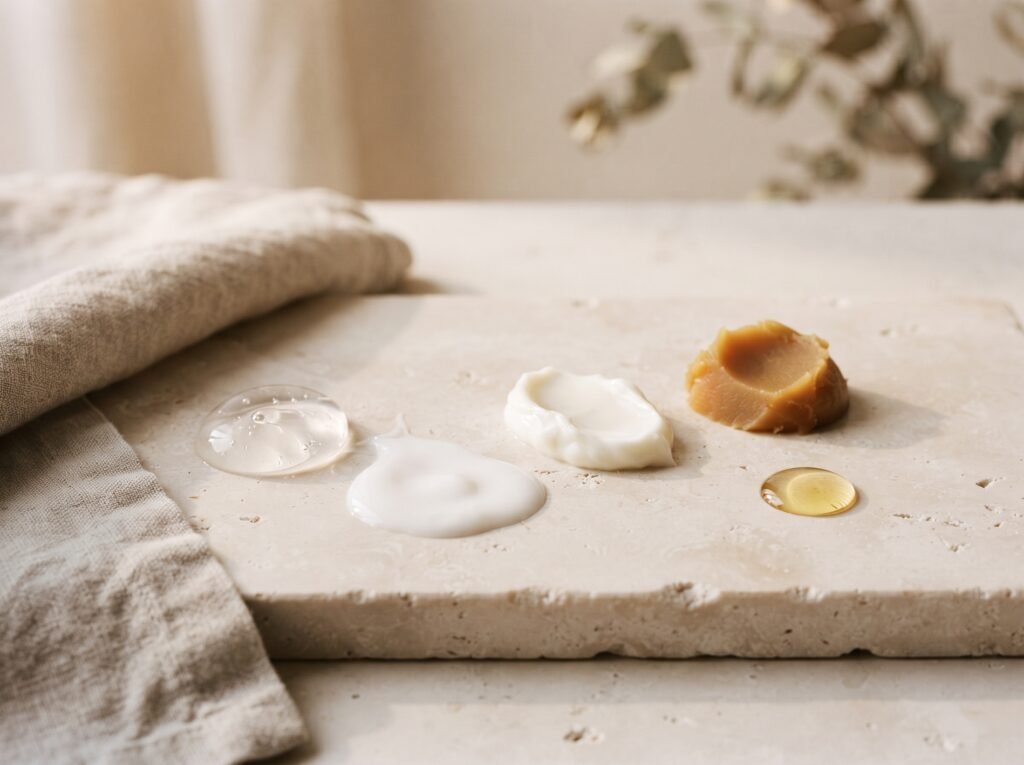
Los lípidos son una familia amplia de materiales solubles en aceite. En el cuidado de la piel, la palabra suele aparecer junto a aceites, mantecas, ceras y ciertos ingredientes similares a los lípidos. Puede hacer que el tema parezca más complejo de lo que necesita ser.
Para la lectora, la idea práctica es esta: las partes ricas en lípidos de una fórmula influyen en el carácter de una hidratante. Afectan a cuánto efecto acolchado tiene, con qué facilidad se extiende, cómo se siente la piel después y cuánto parece durar esa sensación de confort. Son parte de la razón por la que un gel, una loción, una crema y un bálsamo pueden sentirse tan diferentes aunque todos se describan como hidratantes.
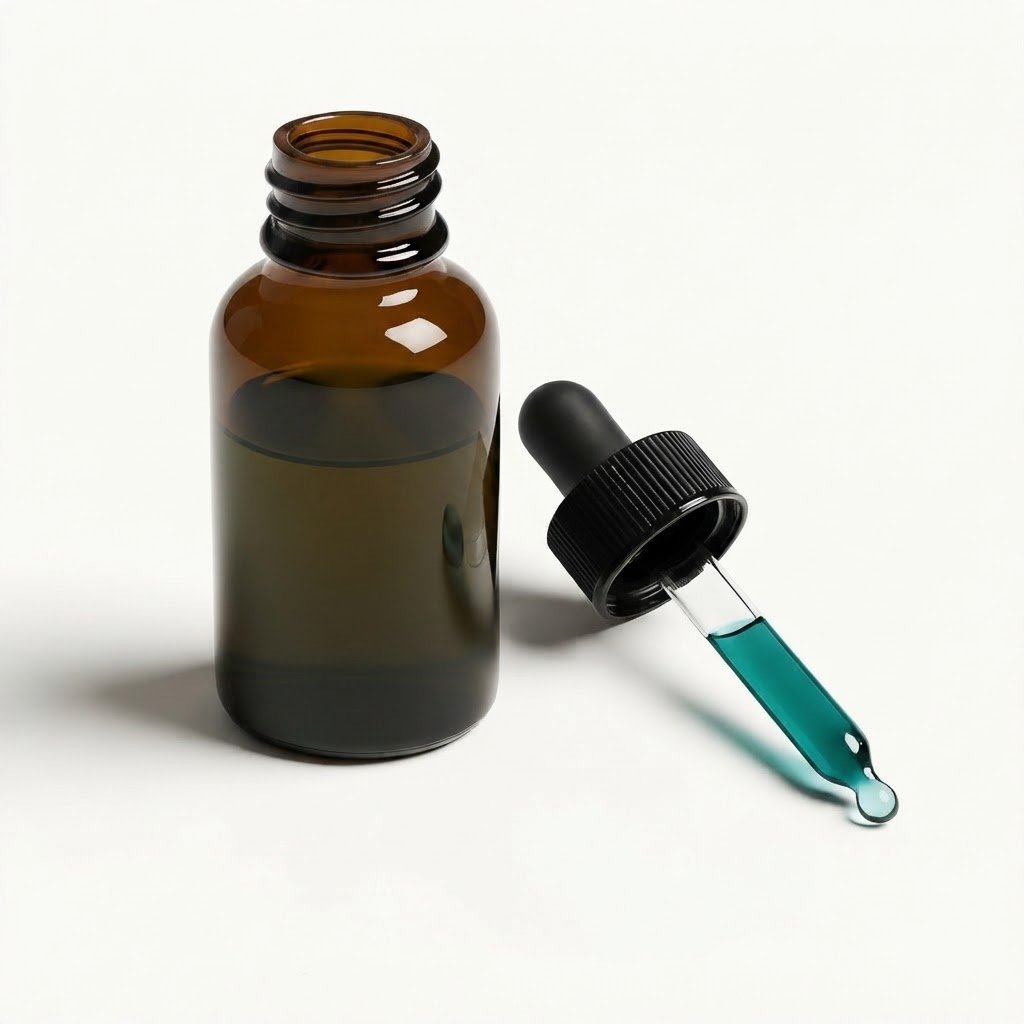
Esto no significa que toda sensación de sequedad necesite más aceite, ni que un aceite facial sustituya a una crema hidratante. El aceite puede aportar suavidad y un acabado más protector, pero no aporta agua por sí solo. Del mismo modo, un producto rico en agua puede sentirse refrescante, pero no ofrecer suficiente confort duradero cuando el entorno o el resto de la rutina le están pidiendo más a la piel.
En Ossie Naturals, por eso consideramos que la formulación es una composición y no una simple lista de ingredientes. El perfil de ácidos grasos, la textura y la sensación que se pretende que dejen en la piel los aceites, mantecas y ceras seleccionados son factores importantes. También lo son la fórmula final, la cantidad utilizada y la rutina de uso. No existe un único aceite o lípido que sea la solución rápida para que todo el mundo tenga una piel confortable. Traducción realizada con la versión gratuita del traductor DeepL.com
Por Qué Una Textura Rica Puede Seguir Siendo Insuficiente
Es posible usar una crema rica y seguir sintiendo la piel seca. Esto no significa automáticamente que la crema sea mala ni que la piel necesite el producto más denso que exista. Puede significar que la fórmula está aportando un tipo de confort con más fuerza que otro.
Una textura tipo bálsamo puede sentirse protectora y, aun así, no responder a una tirantez que empezó con una limpieza que dejó la piel incómoda o con un aire muy seco. Una crema ligera puede sentirse preciosa y suave, pero perder su confort rápido si la rutina no le aporta suficiente agua con la que trabajar. Un aceite facial puede suavizar la superficie y dejar la misma tirantez de fondo si se usa como único paso hidratante.
Aquí es donde las categorías de marketing pueden ayudar poco. "Rica", "nutritiva" e "hidratante" no describen con precisión cómo se sentirá una fórmula en tu piel, en tu clima o junto a los demás productos. La textura aporta información, pero no es toda la explicación.
En lugar de valorar una hidratante por lo cara, espesa o brillante que parece, observa cuándo aparece la sensación de sequedad. ¿Está presente justo después de limpiar? ¿Vuelve al cabo de una hora? ¿Aparece solo al final de un día largo en interiores? ¿Cambia tras una rutina de noche con más activos? El patrón puede decirte más que la etiqueta por sí sola.
La Rutina Que Rodea A La Hidratante También Importa
Una hidratante no funciona aislada del resto. El limpiador que usas antes, la temperatura del agua, la frecuencia con la que lavas la piel, el número de productos activos en la rutina y el entorno por el que te mueves pueden cambiar la sensación que deja una crema conocida.
Esto es especialmente importante cuando la piel se ha vuelto más reactiva o impredecible. Un limpiador más intenso, una exfoliación frecuente, una rutina nueva con retinoides, duchas muy calientes, un viaje, la calefacción central o una semana de poco descanso pueden hacer que la misma hidratante parezca dejar de cumplir su función. A menudo, la respuesta más útil no es rehacerlo todo. Es mirar primero qué ha cambiado alrededor de la hidratante.
La cantidad también importa, aunque más no siempre sea mejor. Una cantidad demasiado pequeña puede no aportar el nivel de confort esperado. Demasiada cantidad puede dificultar saber si un producto realmente encaja contigo, especialmente si añades otras capas inmediatamente después. Usa la cantidad suficiente para una aplicación uniforme y agradable, y deja que la rutina se asiente antes de decidir que no funciona.
Si utilizas un aceite facial, piensa en él como una posible parte de la composición, no como una respuesta de emergencia para cada zona seca. Su lugar depende de la fórmula, de la sensación que buscas y de las indicaciones del producto. El orden en el que se integra en una rutina es una cuestión de aplicación distinta, no una decisión que haya que tomar con prisa cuando la piel se siente incómoda.
Lee El Patrón Antes De Añadir Otro Producto
Cuando la piel sigue sintiéndose seca después de hidratarla, unos días de observación suelen aportar más que una lista de compras. Durante varios días, prueba a hacerte algunas preguntas tranquilamente.
- ¿La tirantez empieza antes de aplicar la hidratante, justo después o más tarde durante el día?
- ¿La piel se siente áspera, o está lisa pero continúa tirante?
- ¿Ha cambiado la limpieza, la exfoliación, un paso de tratamiento, el tiempo o el ambiente interior?
- ¿Una capa más gruesa mejora realmente el confort, o solo hace que la superficie se sienta más pesada?
- ¿Ocurre el mismo patrón en el cuello, el escote, las manos y los antebrazos, donde el lavado, el clima y la fricción pueden ser distintos?
Las respuestas no van a prescribir un producto. Sin embargo, pueden evitar el error habitual de responder a cada sensación incómoda con otra capa de aceite u otro ingrediente activo.
También es valioso reconocer cuándo conviene detener un experimento de cuidado de la piel. Si la incomodidad es persistente, intensa, empeora o resulta preocupante, aléjate de los cambios repetidos de productos y busca una valoración profesional. Una rutina bien pensada debería hacer que el cuidado diario se sienta más claro, no convertir la piel en una prueba constante.
Adapta Con Moderación, Un Cambio a la Vez
La forma más fiable de entender una rutina para la piel seca es hacer un pequeño ajuste y, a continuación, observarla durante el tiempo suficiente para aprender de ella. Esto puede significar simplificar los pasos previos durante unos días. Puede significar elegir una textura de crema hidratante diferente al cambiar de estación. Puede significar mantener un paso de hidratación a base de agua y añadir una pequeña cantidad de un producto con un acabado más protector, en lugar de cambiarlo todo de golpe.
Evita introducir un limpiador nuevo, un exfoliante, un tratamiento y una hidratante más rica en la misma semana. Si la piel se siente mejor, no sabrás por qué. Si se siente menos cómoda, no sabrás qué retirar. La moderación no consiste en hacer menos por hacerlo. Consiste en dar a la piel y a tus propias observaciones una oportunidad justa de ser entendidas.
Para la piel madura o con tendencia a sentirse sensible, este enfoque puede ser especialmente útil. Una rutina no necesita complicarse para ser más considerada. Necesita suficiente confort de base acuosa, la suavidad adecuada cuando se desea y un acabado que encaje con el día, el clima y la manera en que tu piel se está comportando ahora.
Palabras Finales
Cuando la piel sigue sintiéndose seca después de hidratarla, la respuesta no siempre es un tarro más grande, una capa más espesa o una rutina más compleja. A menudo es una cuestión de equilibrio. El agua, los materiales suavizantes y un acabado más protector aportan cosas distintas, mientras que la limpieza, los pasos activos y el entorno pueden cambiar cómo se siente el mismo producto de una semana a otra.
Por eso, el hábito de cuidado de la piel más útil no es reunir más productos. Es aprender a leer la diferencia entre la tirantez, la aspereza, un acabado que desaparece demasiado rápido y una rutina que está pidiendo más de lo que tu piel desea. Desde ahí puedes hacer un cambio medido y mantener el ritual cómodo, claro y verdaderamente tuyo.
El confort no procede de usar más productos ni de elegir cada día la textura más rica. Procede de una rutina cuyas partes tienen sentido juntas y de permitir que esa rutina cambie con la estación, el entorno y la forma en que tu piel se comporta ahora. Una fórmula ligera puede ser suficiente un día; un acabado más protector puede ser bienvenido otro. Ninguna de las dos respuestas es un fracaso. Son formas diferentes de ofrecer a la piel el cuidado diario que puede aprovechar.
Sigue Leyendo
El Lenguaje Lipídico Que Habla tu Piel: Por Qué Algunos Aceites Biocompatibles se Sienten Tan Distintos – Explora cómo la textura y la composición de un aceite pueden cambiar la manera en que se siente dentro de una rutina.
Your Skin In Your 40s: What’s Actually Happening Beneath The Surface – Analiza los cambios que pueden hacer que los hábitos de cuidado conocidos se sientan menos fiables con el tiempo.
Cuando Tu Piel Cambia de Personalidad: Cuidado Facial Durante la Perimenopausia – Considera cómo una etapa cambiante de la vida puede alterar lo que la piel encuentra confortable.
Apoya a Tu Piel
Nuestra colección de productos naturales en Ossie Naturals está formulada específicamente para apoyar los procesos adaptativos naturales de tu piel. Cada producto proporciona los componentes básicos que tu piel necesita, desde lípidos que refuerzan la barrera hasta antioxidantes adaptativos.
No creemos en los cambios drásticos de rutina estacional ni en los tratamientos agresivos que luchan contra los procesos naturales de tu piel. En su lugar, nuestro enfoque se centra en un apoyo suave y constante que colabora con la inteligencia de tu piel, en lugar de ir en su contra.
Únete a nuestra comunidad privada en Facebook o suscríbete a nuestro Boletín para acceder a guías de transición estacional, formación sobre ingredientes y productos formulados específicamente para apoyar a tu piel a través de los cambios, porque la inteligencia adaptativa de tu piel merece apoyo, no interferencia.
Composiciones ricas en nutrientes y orientadas al rendimiento.
Nuestra Colección de Casa
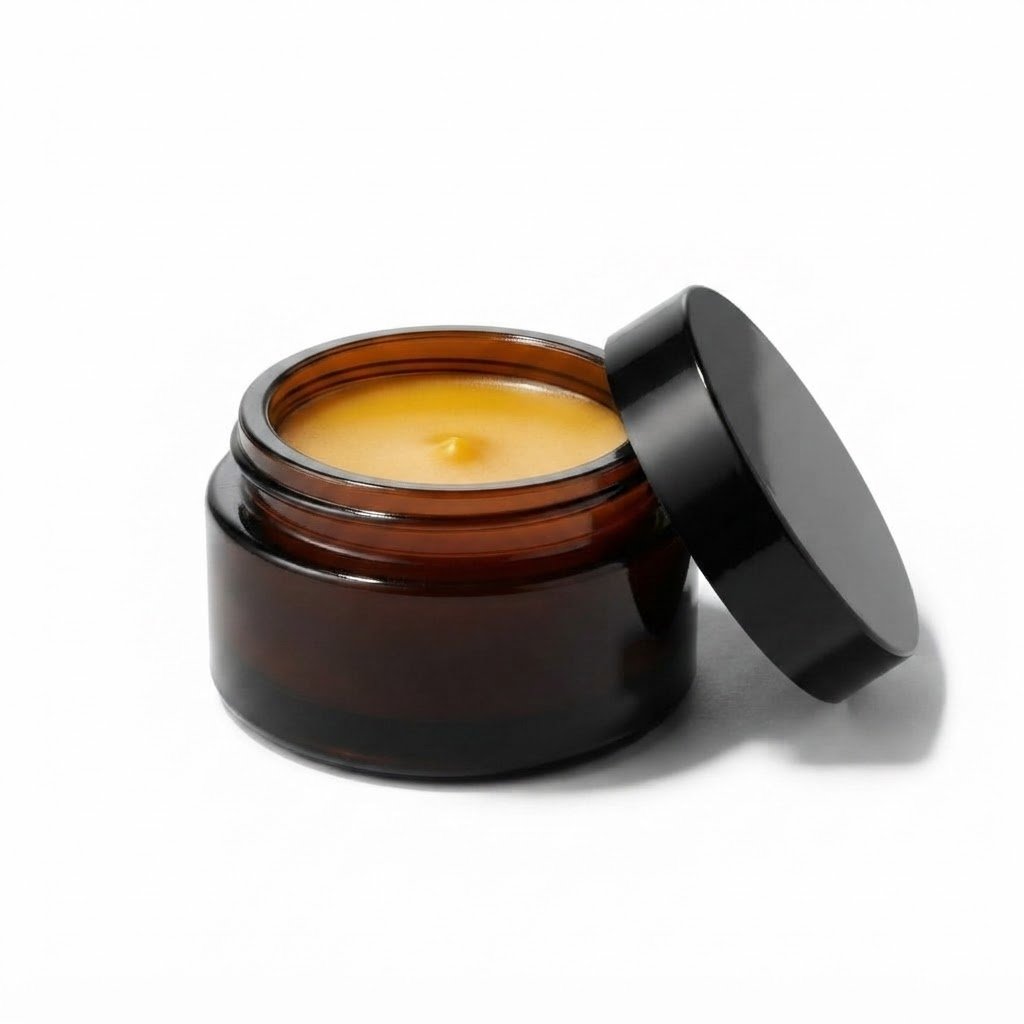
Calendula Balm - Original™
Concentrado restaurador y calmante
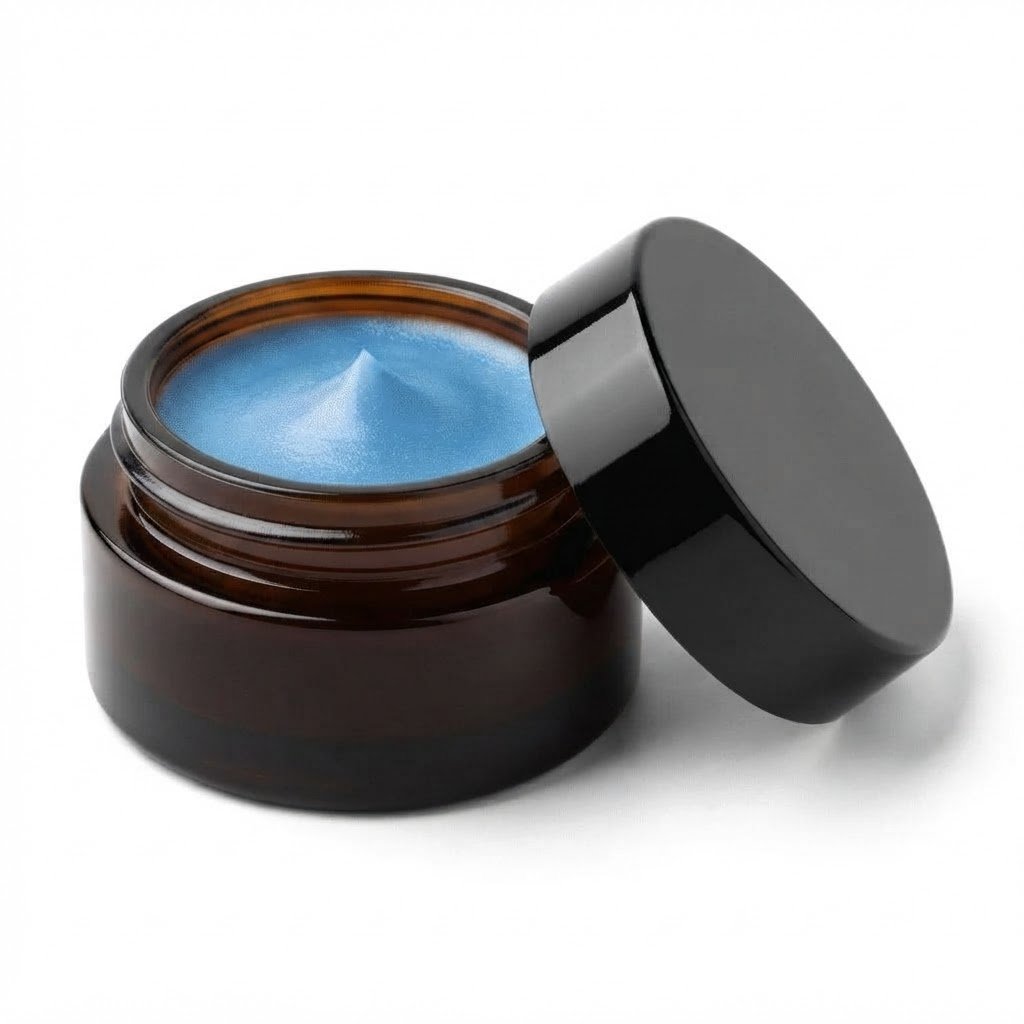
Azure Tansy
Balm™
Complejo reparador y protector intensivo
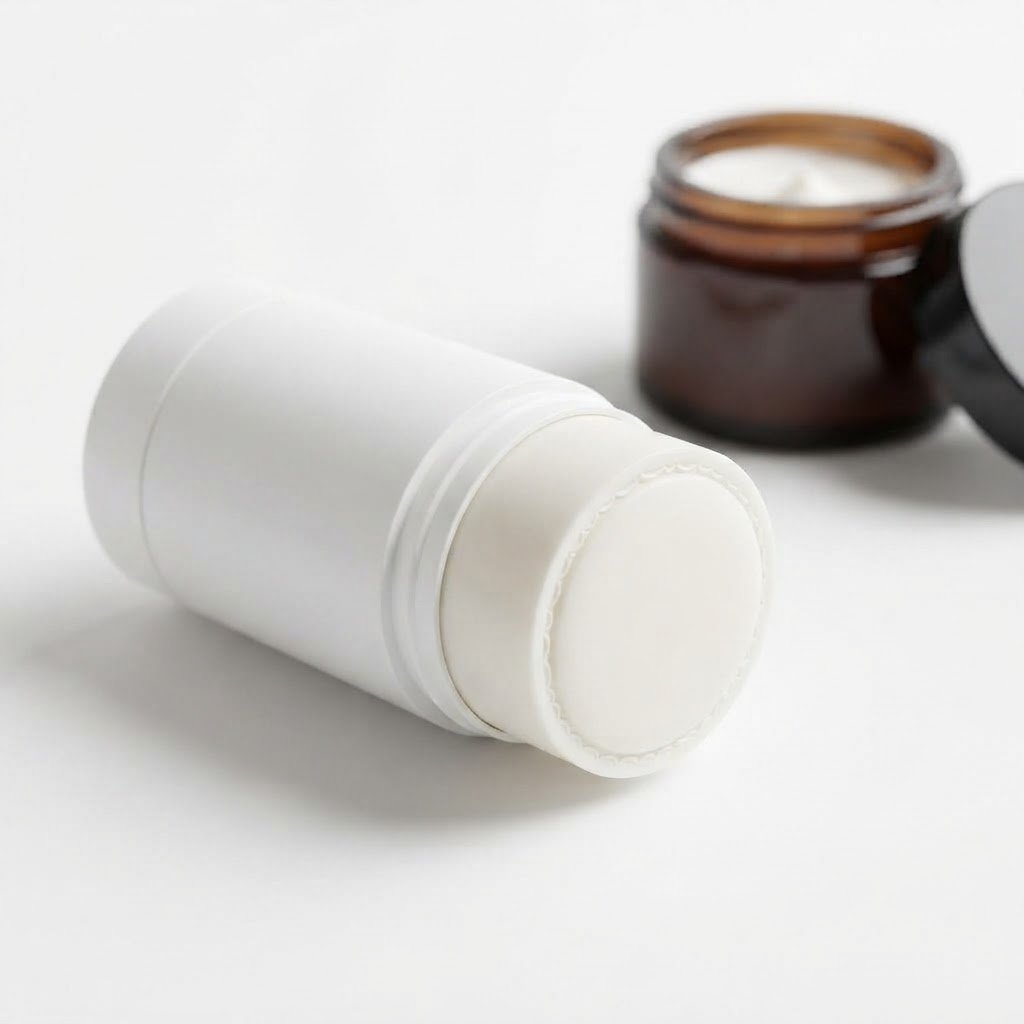
TerraPure - Original Deodorant
Protección intensa, de forma natural.
Restorative Phyto‑Serum Oil™
Renovación y equilibrio. Transformación visible en cada gota.
Potenciamos tu piel para que prospere.
Suscríbete al Newsletter
¿Lista para invertir en el futuro de tu piel con los mejores ingredientes naturales? Explora nuestras colecciones o únete a nuestra comunidad para obtener consejos de expertos y acceso exclusivo.
Valoramos su confianza cuando comparte sus datos personales con nosotros. Siempre tratamos sus datos de forma justa y respetuosa, limitándonos a la finalidad mencionada anteriormente. Si desea saber más sobre cómo tratamos sus datos, lea nuestro Política de Privacidad.