Lo Que Dejamos Fuera — Aceites Minerales, Siliconas, Fragancias y Aditivos (Parte 2)
Desde siliconas hasta fragancias sintéticas, pasando por aceites minerales y talco: un análisis sencillo de los ingredientes que determinan la textura, el aroma y el color que elegimos para no incluir en nuestras fórmulas

Lo Que Dejamos Fuera
En la primera parte de esta serie analizamos los conservantes —los ingredientes que evitan que un frasco se estropee, y por qué algunos traen más lastre que beneficio. Pero un producto es mucho más que su fecha de caducidad.
En el momento en que lo tocas, entra en juego otro grupo de ingredientes: los que definen su textura, su olor, su aspecto en la estantería y sobre tu piel. Son los texturizantes, los vehículos de fragancia, los emulsionantes, los pigmentos, los oclusivos.
No frenan bacterias. Frenan que notes que una fórmula es simple, o que no lleva perfume, o que el aceite y el agua preferirían separarse. Son la capa sensorial del producto —y también la capa de marketing.
Algunos de estos ingredientes aportan un beneficio genuino. Otros no aportan más que ilusión. La regla no cambia: si un ingrediente no puede justificar su presencia más allá de hacer que un producto se venda mejor, no lo usamos. Eso no significa que cada silicona o cada fragancia sea un problema —significa que nosotros nos hacemos preguntas—. Y creemos que tú también deberías hacerlas.
Esto es lo que encontramos cuando miramos más de cerca los ingredientes que se sienten.
1. Aceites Minerales, Vaselina y Parafina
Qué son y dónde se esconden
El aceite mineral, la vaselina (petrolatum) y la parafina son derivados refinados del petróleo. Aparecen en bálsamos labiales, aceites de bebé, cremas de noche densas y tratamientos para eccemas: en cualquier sitio donde una marca quiera un sello de hidratación barato y duradero.
Los ingredientes que hay que buscar en las etiquetas
| Ingrediente | Se encuentra comúnmente en |
|---|---|
| Paraffinum Liquidum (Aceite mineral) | Aceites de bebé, hidratantes, desmaquillantes, productos capilares |
| Petrolatum (Vaselina) | Bálsamos labiales, cremas de noche densas, tratamientos para eccemas, cremas barrera |
| Paraffin (Parafina) | Bálsamos labiales, cremas de manos, mantecas corporales, tratamientos de salón |
| Cera Microcristallina (Cera microcristalina) | Cremas espesas, pomadas, productos labiales |
La preocupación
Cuando están adecuadamente refinadas, estas sustancias no son carcinogénicas. La cuestión de la seguridad está en gran medida zanjada. Los problemas son funcionales.
Estos ingredientes funcionan formando un sello físico sobre la piel. Eso retiene la humedad dentro, pero también atrapa el sudor, las células muertas y las bacterias. Para personas propensas a brotes, poros obstruidos o dermatitis perioral, esto puede empeorar las cosas.
Hay una cuestión a más largo plazo también. Una piel que está constantemente sellada por una película derivada del petróleo puede, con el tiempo, reducir su propia producción de sebo, creando un ciclo de dependencia en el que la piel se siente seca sin el producto. Algunos dermatólogos llaman a esto el efecto "piel perezosa": la barrera deja de hacer su propio trabajo porque otra cosa lo está haciendo por ella.
Luego está lo que estos ingredientes no hacen. Se quedan sobre la piel. No aportan ácidos grasos, ni vitaminas, ni fitoesteroles: nada que la piel pueda reconocer y utilizar. Los aceites botánicos como el de meadowfoam, borraja y onagra no solo sellan: se integran, entregando nutrientes que el estrato córneo puede metabolizar de verdad.
Nuestra postura
No usamos ninguno. Nuestras fórmulas se construyen en torno a aceites que nutren, no que solo recubren. Preferimos comprar aceite prensado en frío a un pequeño productor irlandés o europeo que comprar un barril de derivado refinado del petróleo.
2. PEGs, PPGs e Ingredientes Etoxilados
Qué son y dónde se esconden
Los polietilenglicoles (PEGs) y polipropilenglicoles (PPGs) son compuestos derivados del petróleo que hacen que el aceite y el agua se mezclen, ayudan a que los ingredientes penetren en la piel y crean ese deslizamiento sedoso que muchos asocian con el lujo. Cualquier ingrediente con "PEG" o "‑eth" en su nombre pertenece a esta familia. Están por todas partes en la cosmética convencional.
Los ingredientes que hay que buscar en las etiquetas
| Ingrediente | Se encuentra comúnmente en |
|---|---|
| PEG‑40 Aceite de ricino hidrogenado | Cremas, sérums, limpiadores, desmaquillantes |
| PEG‑100 Estearato | Hidratantes, protectores solares, bases de maquillaje |
| Ceteareth‑20 | Cremas, lociones, acondicionadores capilares |
| Laureth‑4, Laureth‑7, Laureth‑23 | Limpiadores, champús, geles de baño |
| Oleth‑10 | Sérums, productos capilares |
| Polysorbate 20, Polysorbate 60, Polysorbate 80 | 80 Cremas, sérums, solubilizantes |
| Octoxynol‑9 | Algunos limpiadores y champús |
La preocupación
Dos problemas vinculados.
Primero, la contaminación. El proceso de fabricación (etoxilación) puede producir 1,4‑dioxano, un probable carcinógeno humano. La UE exige una purificación para mantenerlo por debajo de los niveles de traza (objetivo: menos de 10 ppm). Los fabricantes responsables cumplen. No todos lo hacen.
Segundo, para lo que los PEGs están diseñados: hacer la piel más permeable. Eso suena deseable, hasta que consideras que quizá no quieres que todo lo que hay en tu sérum penetre más rápido. Si haces la piel más permeable a un ingrediente, la haces más permeable a todos ellos: conservantes, componentes de fragancia y cualquier otra cosa que lleve el frasco.
Los estudios también muestran que los productos a base de PEG pueden causar toxicidad sistémica e irritación grave cuando se aplican sobre la piel dañada o lesionada, precisamente el tipo de piel que muchos productos terapéuticos comercializan para tratar.
Nuestra postura
Evitamos por completo los ingredientes etoxilados. Un sérum de aceites botánicos libera su carga suavemente, trabajando con la propia matriz lipídica de la piel. No necesitamos forzar la puerta.
3. Etanolaminas (MEA, DEA, TEA)
Qué son y dónde se esconden
La monoetanolamina (MEA), dietanolamina (DEA) y trietanolamina (TEA) se usan como ajustadores de pH, emulsionantes y potenciadores de espuma en champús, geles de baño, lociones y protectores solares. Ayudan a crear la espuma cremosa que los consumidores esperan y mantienen las fórmulas estables a bajo coste.
Los ingredientes que hay que buscar en las etiquetas
| Ingrediente | Se encuentra comúnmente en |
|---|---|
| MEA (Monoetanolamina) | Champús, geles de baño, limpiadores espumosos |
| DEA (Dietanolamina) | Champús, jabones, lociones |
| TEA (Trietanolamina) | Protectores solares, lociones, maquillaje, leches limpiadoras |
| Cocamide DEA, Lauramide DEA | Productos espumosos, champús, geles de baño |
La preocupación
El riesgo más grave es la formación de nitrosaminas. Cuando las etanolaminas se combinan con ciertos otros ingredientes en una fórmula, pueden formar N‑nitrosaminas, compuestos clasificados como probables carcinógenos humanos. La DEA se ha relacionado con tumores de hígado y riñón en estudios con animales. La MEA tiene el mayor potencial de irritación cutánea de las tres, y todas ellas pueden causar enrojecimiento, descamación, picor y dermatitis alérgica de contacto, particularmente en personas con piel sensible, eccema o rosácea. La inhalación de productos aerosolizados que contienen etanolaminas también puede irritar las vías respiratorias.
Nuestra postura
No las usamos. Y no es una renuncia difícil. Nuestros jabones se elaboran de forma tradicional, como se ha hecho durante siglos: mediante saponificación, el proceso químico natural en el que aceites y mantecas botánicas —como el coco, el oliva y la karité— reaccionan con un álcali para transformarse en jabón y glicerina. No se añaden potenciadores de espuma sintéticos. No se necesitan.
El resultado es una espuma densa, aterciopelada y cremosa —no la de burbujas industriales que se desvanece en segundos, sino una espuma rica que nace de la propia química del jabón, con la glicerina natural retenida en cada pastilla para nutrir la piel mientras limpia.
En cuanto a nuestros bálsamos botánicos y sérums de aceite, son fórmulas anhidras. Sin agua. Sin necesidad de emulsionantes. Sin etanolaminas en el horizonte.
4. Siliconas (D4, D5, D6, Dimeticona y Familiares)
Qué son y dónde se esconden
Las siliconas son polímeros sintéticos construidos sobre un esqueleto de silicio‑oxígeno, fabricados mediante la síntesis química de silicio (derivado de sílice y arena) con hidrocarburos procedentes de combustibles fósiles. No son un material "natural", por mucho que a veces se comercialicen como tal.
Crean una experiencia sensorial inconfundible: ingrávida, aterciopelada, desapareciendo en la piel sin dejar rastro de grasa. Rellenan ópticamente las líneas de expresión, reducen la pegajosidad y dejan un acabado que no se parece a nada más. Aparecen en prebases, sérums, hidratantes, aceites capilares, protectores solares y maquillaje.
Los ingredientes que hay que buscar en las etiquetas
| Ingrediente | Se encuentra comúnmente en |
|---|---|
| Dimeticona | Hidratantes, prebases, bases de maquillaje, sérums capilares, protectores solares |
| Ciclopentasiloxano (D5) | Sérums capilares, prebases e hidratantes ligeros |
| Ciclohexasiloxano (D6) | Productos capilares, productos sin aclarado para la piel |
| Ciclometicona | Prebases, productos capilares, desodorantes |
| Amodimeticona | Acondicionadores capilares, tratamientos sin aclarado |
| Fenil Trimeticona | Sérums, prebases, aceites capilares |
| Dimeticonol | Champús, acondicionadores, productos de peinado |
La preocupación
Los problemas no son iguales en toda la familia.
Las siliconas cíclicas —D4, D5 y D6— son individualmente peligrosas. El D4 está clasificado como tóxico para la reproducción y disruptor endocrino conocido. Está prohibido en productos con aclarado en la UE desde 2020 y cada vez más restringido en productos sin aclarado. El D5 se ha detectado en leche materna humana y grasa corporal. El menor tamaño molecular de D4 y D5 significa que potencialmente pueden penetrar la piel y entrar en el torrente sanguíneo, a diferencia de las siliconas lineales más grandes.
Las impurezas son una preocupación adicional. Las siliconas de menor grado pueden contener trazas residuales de metales pesados o ftalatos procedentes de la fabricación. Los siloxanos cíclicos en particular son lo suficientemente pequeños como para migrar del producto al organismo.
La persistencia medioambiental es quizás la dimensión más preocupante. Se clasifiquen o no como microplásticos, las siliconas no se biodegradan. Cuando se aclaran, entran en las vías fluviales y permanecen allí durante décadas, fragmentándose lentamente en nanoplásticos: partículas lo suficientemente pequeñas como para entrar en la cadena alimentaria y en los tejidos humanos.
La evidencia que vincula las partículas plásticas con daños en humanos está creciendo: inflamación, alteración hormonal, estrés oxidativo y alteración de la microbiota intestinal. Se han detectado microplásticos en sangre humana, tejido pulmonar, tejido placentario y tejido cerebral. En niños, los microplásticos urinarios se han asociado con deterioro de la función cognitiva.
Incluso las siliconas lineales "más seguras" —como la dimeticona— no están exentas de problemas. Su película oclusiva puede atrapar grasa, suciedad y células muertas de la piel, desencadenando brotes. Su persistencia medioambiental es idéntica a la de las siliconas cíclicas.
Lo que ha hecho la UE
El D4 está prohibido en productos con aclarado. El D5 y el D6 están fuertemente restringidos en productos sin aclarado. La dirección regulatoria es clara: las siliconas están siendo eliminadas progresivamente.
Nuestra postura
No usamos siliconas, ni cíclicas ni lineales. La toxicidad reproductiva del D4 está bien documentada. La persistencia medioambiental de todas las siliconas es indiscutible. Y la ciencia emergente sobre las partículas plásticas en el cuerpo humano nos da la razón: no necesitamos añadir más polímeros sintéticos al planeta ni a nuestra piel. Los aceites botánicos se absorben, nutren y se biodegradan. Ese es el estándar con el que trabajamos.
5. Fragancias Sintéticas y el Vacío Legal del "Parfum"
Qué son y dónde se esconden
Las palabras "parfum", "aroma" o "fragancia" en una etiqueta de ingredientes pueden ocultar legalmente docenas —a veces cientos— de sustancias químicas no declaradas. Disolventes, estabilizantes, sensibilizantes, almizcles sintéticos, potenciadores de aroma y ftalatos (usados para que la fragancia dure más sobre la piel). La fórmula exacta está protegida como secreto comercial. No sabes lo que te estás poniendo sobre la piel ni lo que estás inhalando.
Esto no es un vacío legal marginal. Es el estándar de la industria. Prácticamente todos los productos perfumados —perfume, champú, hidratante, desodorante, detergente para la ropa, velas— usan esta única palabra para esconder un cóctel de sustancias químicas no declaradas.
Conviene señalar que los aceites esenciales no están exentos. Natural no significa libre de alérgenos, y los requisitos ampliados de etiquetado de alérgenos de la UE se aplican tanto a fragancias sintéticas como a extractos naturales.
Los ingredientes que hay que buscar en las etiquetas
| Ingrediente | What it hides |
|---|---|
| Parfum / Fragancia | Una mezcla de secreto comercial que puede contener desde docenas hasta cientos de sustancias químicas no declaradas |
| Limonene | Un alérgeno de fragancia que se encuentra comúnmente en aceites cítricos y perfumes sintéticos |
| Linalool | Un alérgeno de fragancia presente en la lavanda y en muchas mezclas sintéticas |
| Citral, Geraniol, Citronellol | Alérgenos de fragancia de origen natural, también usados en forma sintética |
| Benzyl Salicylate | Un ingrediente de fragancia de aroma floral, ahora restringido en la UE |
| Hexyl Cinnamal, Butylphenyl Methylpropional (Lilial) | Componentes sintéticos de fragancia comunes —el Lilial está ahora prohibido en la UE |
La preocupación
La fragancia está entre los cinco principales alérgenos a nivel mundial. Es una de las causas principales de dermatitis alérgica de contacto: enrojecimiento, picor y erupciones. Para personas con asma o sensibilidades químicas, inhalar fragancia puede desencadenar dificultades respiratorias y ataques de asma. Los estudios sugieren que tres de cada cuatro personas con asma experimentan síntomas provocados por productos perfumados.
Más allá de las reacciones inmediatas, hay efectos neurológicos: migrañas, dolores de cabeza, "niebla mental" y mareos se reportan con frecuencia. Existe una preocupación creciente de que rociar perfume directamente sobre el cuello —una zona muy vascularizada cerca de la glándula tiroides— pueda aumentar la absorción de las sustancias químicas de la fragancia en el torrente sanguíneo.
Muchas fragancias sintéticas contienen ftalatos —disruptores endocrinos vinculados a la reducción del recuento de espermatozoides, daños reproductivos y problemas de desarrollo—. Almizcles sintéticos como el tonalide y el galaxolide se han detectado acumulándose en el tejido adiposo humano y en la leche materna. Los compuestos orgánicos volátiles (COVs) procedentes de productos perfumados contribuyen a la contaminación del aire interior, haciendo que en algunos hogares el aire de dentro sea peor que el de fuera.
Lo que ha hecho la UE
A partir del 31 de julio de 2026, la lista de alérgenos de fragancia que deben declararse individualmente en las etiquetas se amplía de 26 a 82 sustancias. Los productos deben indicarlos por su nombre cuando superen ciertos umbrales. Es un avance, pero también revela la magnitud del problema: que una sola palabra en tu crema facial oculta legalmente docenas de sustancias químicas, muchas de ellas sensibilizantes conocidos. El resto de la fórmula —los disolventes, fijadores y moléculas de aroma patentadas— sigue escondido detrás de "parfum".
Nuestra postura
No nos escondemos detrás de "parfum". Nuestros productos o bien no llevan ningún aroma añadido —como el Nettle Serum Oil y Calendula Balm Original — o bien usan un pequeño número de aceites esenciales completamente declarados, con cada alérgeno individual apareciendo directamente en la etiqueta. Sin escondites. Sin misterio. Sabes exactamente lo que te estás poniendo.
6. Sulfatos (SLS y SLES)
Qué son y dónde se esconden
El lauril sulfato de sodio (SLS) y el lauril éter sulfato de sodio (SLES) generan la espuma densa y burbujeante de los champús, geles de baño, limpiadores faciales y dentífricos convencionales. Son desengrasantes potentes: arrasan con el sebo y los restos de producto, dejando tras de sí la satisfacción psicológica de algo que se siente "realmente limpio".
Los ingredientes que hay que buscar en las etiquetas
| Ingrediente | Se encuentra comúnmente en |
|---|---|
| Sodium Lauryl Sulfate (SLS) | Champús, geles de baño, limpiadores faciales, dentífricos |
| Sodium Laureth Sulfate (SLES) | Champús, geles de baño, jabones líquidos, baños de burbujas |
| Ammonium Lauryl Sulfate | Champús, geles de baño |
| Sodium Coco‑Sulfate | Champús y limpiadores "naturales" — sigue siendo un sulfato |
La preocupación
El SLS es un irritante tan conocido que los investigadores lo utilizan para provocar reacciones cutáneas cuando prueban productos antiirritantes. Altera la barrera, arrasa con los aceites naturales y causa sequedad, tirantez, picor y descamación, sobre todo en personas con piel sensible o reactiva. En los dentífricos, puede desencadenar o agravar las aftas bucales.
El SLES es una versión más suave, pero conlleva el problema de la contaminación por 1,4‑dioxano, un probable carcinógeno que se forma durante el proceso de etoxilación. La UE exige que el 1,4‑dioxano se mantenga por debajo de 10 ppm en los productos cosméticos. Los fabricantes deben emplear técnicas de purificación como el arrastre al vacío para cumplir este estándar.
La espuma no limpia. Es puramente sensorial: una herramienta de marketing, no funcional. Puedes limpiar a fondo sin una sola burbuja.
Nuestra postura
Nuestros Soft Cleanse Balm™ toma un camino distinto: es de base oleosa, se emulsiona al contacto con el agua, disuelve el maquillaje y el protector solar sin espuma, sin sulfatos, sin esa sensación tirante y seca que delata la alteración de la barrera. Una piel limpia no debería sentirse castigada.
Cuando nuestras fórmulas con agua necesitan un surfactante, recurrimos a alternativas de origen natural, como el lauril sulfoacetato de sodio (SLSa), derivado de los aceites de coco y palma. Pese a la similitud del nombre, el SLSa no contiene sulfatos. Su molécula es mucho más grande que la del SLS o el SLES, por lo que no puede penetrar la piel. Limpia la superficie con suavidad, sin alterar la barrera de hidratación, y genera una espuma rica y cremosa en lugar de las burbujas aireadas del SLS. Es biodegradable y cumple con los estándares que fijamos para unas fórmulas naturales y respetuosas con la piel.
7. Phthalates
Qué son y dónde se esconden
Los ftalatos son una familia de compuestos químicos que se utilizan como plastificantes —hacen que los plásticos sean flexibles— y como fijadores que ayudan a que la fragancia dure más sobre la piel. Aparecen escondidos dentro de los productos perfumados, los esmaltes de uñas y las lacas para el pelo.
Los ingredientes que hay que buscar en las etiquetas
| Ingrediente | Se encuentra comúnmente en |
|---|---|
| Diethyl Phthalate (DEP) | Productos perfumados: perfumes, lociones, desodorantes, lacas para el pelo |
| Dibutyl Phthalate (DBP) | Esmaltes de uñas (prohibido en cosméticos en la UE) |
| Dimethyl Phthalate (DMP) | Lacas para el pelo, algunas fragancias |
| Diethylhexyl Phthalate (DEHP) | Envases de plástico, algunos cosméticos (prohibido en cosméticos en la UE) |
| “Parfum” or “Fragrance” | A menudo esconde ftalatos usados como fijadores de fragancia |
La preocupación
Los ftalatos son disruptores endocrinos. Interfieren en la señalización hormonal —en particular la testosterona— y la evidencia que los vincula con daños en humanos es sustancial.
Los estudios han asociado los ftalatos con la reducción del recuento de espermatozoides, la endometriosis, la menopausia precoz en mujeres y malformaciones reproductivas en bebés varones. La exposición prenatal se ha relacionado con bajo peso al nacer, TDAH, problemas de conducta y un coeficiente intelectual reducido en niños. La exposición prolongada también está vinculada con la obesidad, la resistencia a la insulina, la diabetes tipo 2 y un mayor riesgo de cáncer de mama y de útero.
Las mujeres en edad reproductiva son quienes de forma sistemática presentan las mayores cargas corporales de ftalatos, debido en gran medida al uso diario de productos de cuidado personal como perfumes, lociones y maquillaje. No son preocupaciones teóricas. Están documentadas en poblaciones humanas.
Lo que ha hecho la UE
Varios ftalatos —entre ellos el DBP y el DEHP— están prohibidos en cosméticos por estar clasificados como CMR (carcinogénicos, mutagénicos o tóxicos para la reproducción). En total, trece ftalatos están prohibidos o fuertemente restringidos en la legislación de la UE.
El DEP —el único que sigue permitido de forma generalizada— es considerado actualmente seguro por el Comité Científico de Seguridad de los Consumidores de la UE, pero permanece bajo revisión continua como parte de la estrategia europea en evolución sobre disruptores endocrinos.
Nuestra postura
No usamos ftalatos. Nuestros productos no llevan fragancia añadida o están perfumados con aceites esenciales puros que no requieren fijadores sintéticos. Si percibes un aroma en nuestros productos, viene de la planta, no de un plastificante.
8. Talco
Qué es y dónde se esconde
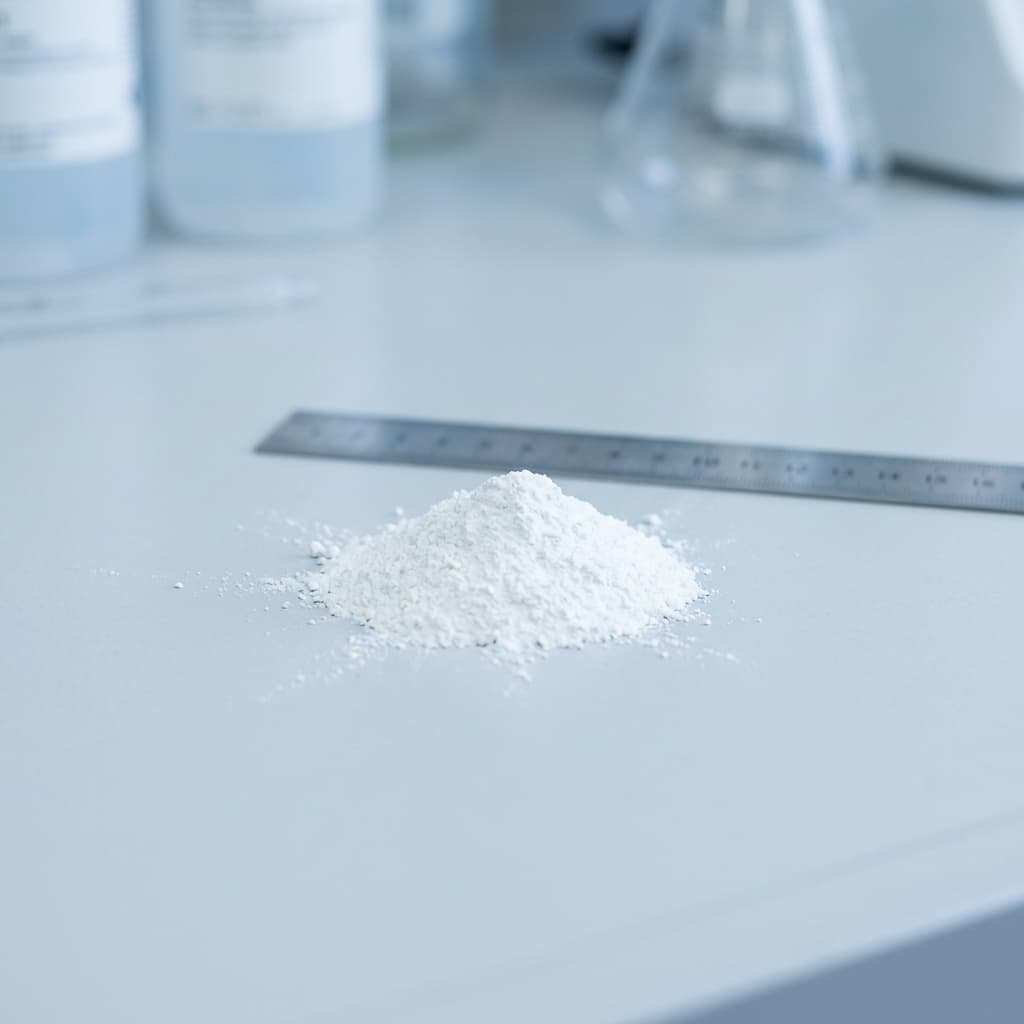
El talco es un mineral de origen natural molido hasta convertirse en un polvo suave y absorbente. Se ha usado durante generaciones en polvos de talco para bebés, polvos corporales, champús en seco y maquillaje mineral: coloretes, bronceadores, polvos fijadores, sombras de ojos.
Los ingredientes que hay que buscar en las etiquetas
| Ingrediente | Se encuentra comúnmente en |
|---|---|
| Talc | Polvos de talco para bebés, polvos corporales, champús en seco, coloretes, bronceadores, sombras de ojos, polvos fijadores |
| Talcum Powder | Polvos para bebés, polvos corporales |
| Magnesium Silicate | Nombre INCI alternativo para el talco en algunos productos |
La preocupación
En septiembre de 2024, el Comité de Evaluación de Riesgos de la Agencia Europea de Sustancias y Mezclas Químicas clasificó el talco como carcinógeno de categoría 1B, lo que significa que se presume que causa cáncer en humanos, en particular por inhalación repetida. Según el Reglamento de Cosméticos de la UE, una clasificación CMR 1B conlleva una prohibición automática, salvo que se conceda una excepción específica. Se ha presentado una solicitud, pero si fracasa —y muchos esperan que así sea—, la prohibición del talco en cosméticos podría anunciarse a finales de 2026 y entrar en vigor a principios de 2027.
Luego está la cuestión del amianto (asbestos). El talco y el amianto se forman juntos en la tierra, y la verdad incómoda es que el amianto no puede eliminarse completamente del talco una vez que está presente. Los análisis estándar de la industria suelen emplear métodos antiguos que pasan por alto las fibras extremadamente finas. Un producto puede etiquetarse como "libre de amianto" y aun así contener miles de fibras, porque algunas normativas permiten esa etiqueta si el contenido de amianto es inferior al 1 %, un nivel que sigue sin ser seguro. No existe un nivel seguro de exposición al amianto.
El vínculo entre el talco contaminado con amianto y el cáncer de ovario y el mesotelioma ha sido objeto de décadas de litigios, incluidos casos importantes contra Johnson & Johnson, que se enfrenta a acusaciones de haber vendido a sabiendas polvos de talco para bebés contaminados con amianto durante décadas. A finales de 2025, la FDA retiró una propuesta de norma que habría exigido análisis estandarizados de amianto para todos los cosméticos a base de talco, dejando a los consumidores sin la protección que muchos creían que ya existía.
Las fibras de amianto, una vez inhaladas, causan daños permanentes. Provocan mesotelioma, cáncer de pulmón y asbestosis: enfermedades incurables que pueden tardar entre 15 y 60 años en manifestarse tras la exposición.
Nuestra postura
No usamos talco. No cumple ninguna función en nuestras fórmulas de base oleosa y en bálsamo, y el riesgo combinado —una clasificación como carcinógeno CMR 1B y la imposibilidad de garantizar la ausencia de contaminación por amianto— hace que la decisión sea sencilla.
9. Colorantes Artificiales
Qué son y dónde se esconden
Los colorantes artificiales —que aparecen en las etiquetas como códigos FD&C, D&C o números CI— son tintes sintéticos que originalmente se derivaban del alquitrán de hulla y que hoy se sintetizan principalmente a partir del petróleo. Se encuentran en pintalabios, coloretes, sombras de ojos, esmaltes de uñas, tintes capilares, dentífricos e incluso en algunos productos para el cuidado de la piel, añadidos únicamente por atractivo estético.
Los ingredientes que hay que buscar en las etiquetas
| Ingrediente | Se encuentra comúnmente en |
|---|---|
| CI seguido de un número de 5 dígitos | Todos los cosméticos de color, algunos productos de cuidado facial y dentífricos |
| FD&C Rojo 40 / CI 16035 | Pintalabios, coloretes, brillos labiales |
| FD&C Amarillo 5 / CI 19140 | Sombras de ojos, esmaltes de uñas y algunos productos de cuidado facial |
| FD&C Amarillo 6 / CI 15985 | Coloretes, bronceadores, productos labiales |
| FD&C Azul 1 / CI 42090 | Dentífricos, enjuagues bucales y algunos productos de cuidado facial |
| Rojo 3 / CI 45430 (Eritrosina) | Antiguamente en pintalabios (prohibido en cosméticos en EE. UU. desde 1990) |
| Negro de Carbono / CI 77266 | Máscaras de pestañas, delineadores de ojos, sombras de ojos |
La preocupación
Varios colorantes artificiales se han vinculado con la contaminación por metales pesados: pueden aparecer trazas de plomo, arsénico y mercurio como subproductos no deseados. El alquitrán de hulla, en su forma cruda, es un carcinógeno humano reconocido. El Rojo 3 se relacionó con tumores de tiroides en estudios con animales y fue prohibido en cosméticos en Estados Unidos en 1990.
El hallazgo más consistente afecta a los niños. El emblemático "Estudio de Southampton" vinculó seis colorantes artificiales —entre ellos el Rojo 40, el Amarillo 5 y el Amarillo 6— con un aumento de la hiperactividad, la impulsividad y la falta de atención, especialmente en niños con TDAH. Desde 2010, la UE exige una etiqueta de advertencia obligatoria en cualquier alimento o bebida que contenga estos colorantes azoicos específicos: "Puede tener efectos negativos sobre la actividad y la atención de los niños".
Nuestra postura
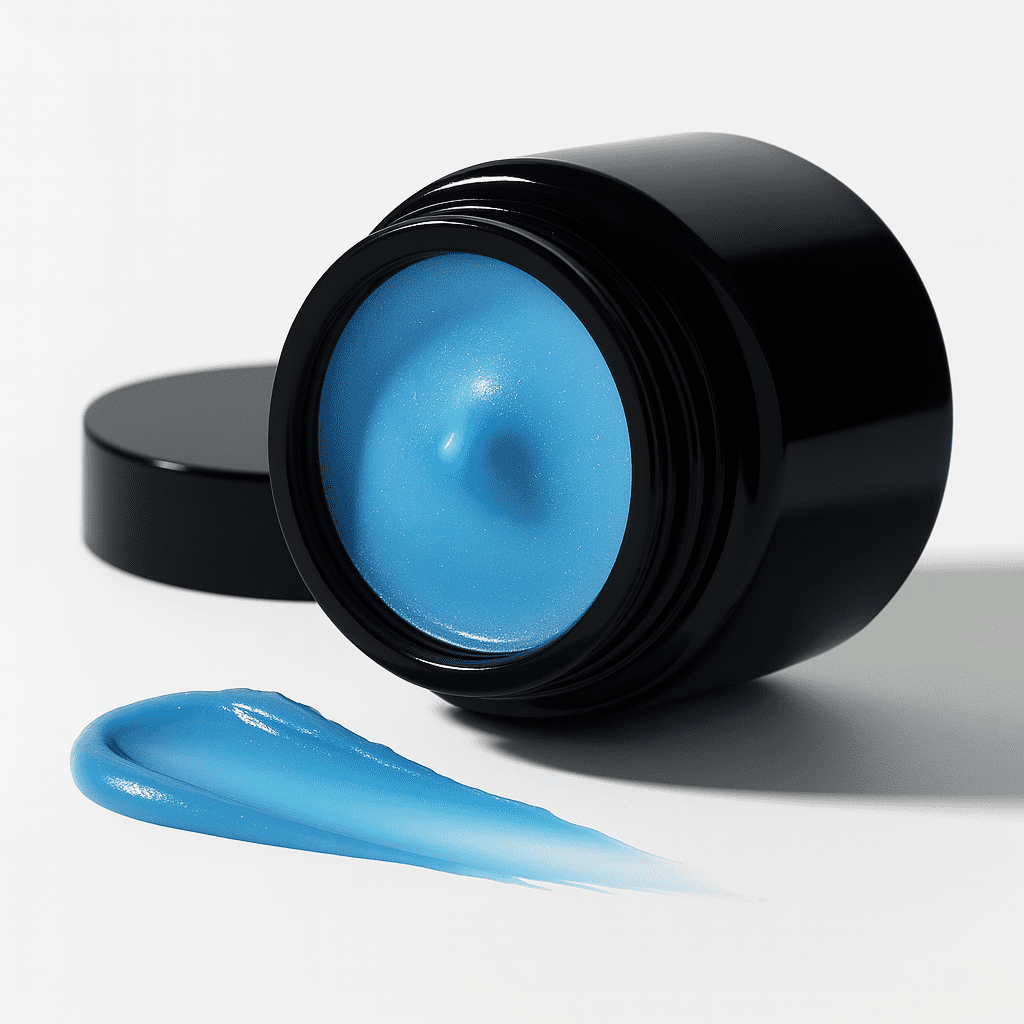
No añadimos color a ningún producto. Los tonos de nuestras fórmulas —el matiz dorado del Nettle Serum Oil™, el verde azulado del Azure Tansy Balm™, el resplandor anaranjado del Sea Buckthorn Balm™ — provienen de las propias plantas. Sin colorantes. Sin pigmentos. Lo que ves es lo que las plantas nos dieron.
10. Nanomateriales (Oro, Plata, Cobre, Platino y Otros)
Qué son y dónde se esconden
Los nanomateriales son partículas de sustancias reducidas a 1–100 nanómetros, aproximadamente una milésima parte del ancho de un cabello humano. A este tamaño, los materiales se vuelven más reactivos, más penetrantes y capaces de atravesar barreras biológicas que las partículas más grandes no pueden. Se han comercializado como ingredientes de lujo: oro coloidal para la luminosidad, nanopartículas de plata como antimicrobiano y nanoplatino para el antienvejecimiento.
Los ingredientes que hay que buscar en las etiquetas
| Ingrediente | Se encuentra comúnmente en |
|---|---|
| Oro (nano) / Oro Coloidal (nano) | Sérums antienvejecimiento, cremas de lujo (prohibido en la UE desde noviembre de 2025) |
| Plata (nano) / Plata Coloidal (nano) | Cremas antibacterianas, desodorantes, dentífricos (prohibido en la UE desde noviembre de 2025) |
| Cobre (nano) / Cobre Coloidal (nano) | Sérums de renovación cutánea, productos antienvejecimiento (prohibido en la UE desde noviembre de 2025) |
| Platino (nano) / Platino Coloidal (nano) | Sérums antienvejecimiento de gama alta (prohibido en la UE desde noviembre de 2025) |
| Dióxido de Titanio (nano) | Protectores solares minerales, cremas BB, bases de maquillaje (permitido; prohibido en aerosoles) |
| Óxido de Zinc (nano) | Protectores solares minerales, cremas para la dermatitis del pañal (permitido; prohibido en aerosoles) |
| Hidroxiapatita (nano) | Dentífricos, enjuagues bucales (restringido solo al cuidado bucal) |
La preocupación
La misma propiedad que hace interesantes a los nanomateriales —su capacidad para llegar donde las partículas más grandes no pueden— es también lo que genera el riesgo.
La piel intacta y sana ofrece cierta protección. La piel dañada, no. Las nanopartículas pueden penetrar la piel lesionada, acumularse en los folículos pilosos y causar estrés oxidativo, daño en el ADN y muerte celular. Una vez dentro del organismo, pueden viajar al hígado, el bazo, los riñones y el cerebro.
Los nanotubos de carbono merecen una mención especial: debido a su forma larga y acicular, pueden imitar el comportamiento físico de las fibras de amianto en los pulmones, provocando cicatrices y potencialmente mesotelioma. Hay estudios que han confirmado que ciertas nanopartículas metálicas pueden atravesar la barrera placentaria en modelos animales.
El óxido de zinc y el dióxido de titanio —los nanomateriales más comunes— siguen estando permitidos como filtros UV, pero están prohibidos en productos en aerosol donde podrían ser inhalados. Los productos que los contienen deben etiquetarlos claramente como "(nano)".
Lo que ha hecho la UE
La UE prohibió la mayoría de los nanomateriales cosméticos a partir del 1 de noviembre de 2025: el nanooro, la nanoplata, el nanocobre, el nanoplatino y varios compuestos y copolímeros relacionados. El SCCS no pudo concluir que estos ingredientes fueran seguros, y la UE aplicó el principio de precaución.
Nuestra postura
Nunca hemos usado nanomateriales. La filosofía que hay detrás de ellos —más pequeños, más rápidos, más penetrantes— va en contra de todo sobre lo que se construyen nuestras fórmulas: suaves, graduales, trabajando con la piel en lugar de forzarla. El oro no pinta nada en un sérum. La ortiga, sí.
El único ingrediente mineral que utilizamos es el óxido de zinc, presente en nuestros desodorantes TerraPure Deodorant Original y TerraPure Silk Deodorant. Es de grado no nano —de partícula lo suficientemente grande como para permanecer en la superficie de la piel, donde cumple su función: defensa antimicrobiana y apoyo cicatrizante—. No penetra. No se acumula. Simplemente trabaja donde se le necesita y se retira con el lavado.
Palabras Finales
Ha sido una lista larga. Dos artículos. Veinte categorías de ingredientes. Si has leído ambos, has recorrido los conservantes liberadores de formaldehído, los parabenos de cadena larga, el triclosán, el fenoxietanol, el BHA y el BHT, los aceites minerales, los PEGs, las etanolaminas, las siliconas, las fragancias sintéticas, los sulfatos, los ftalatos, el talco, los colorantes artificiales y los nanomateriales. No es una lectura ligera. Y nunca pretendió serlo.
No escribimos esto para abrumarte. Lo escribimos porque nadie más iba a hacerlo.
La verdad que la mayoría de las marcas no dicen en voz alta es esta: el sistema regulatorio —incluso uno relativamente sólido como el de la UE— está diseñado para evaluar los ingredientes de uno en uno, de forma aislada. Un evaluador de seguridad examina un único conservante y pregunta: ¿es seguro al 0,5 % en una crema facial? No pregunta: ¿qué ocurre cuando esa crema facial se aplica sobre un sérum, bajo un protector solar, después de un limpiador perfumado, sobre una piel que ya ha absorbido un acondicionador sin aclarado esta mañana, y un desodorante, y una loción corporal, y un pintalabios, cada día, durante cuarenta años?
Sabemos que la persona media usa entre nueve y quince productos de cuidado personal al día. Un estudio de Rutgers de 2025 reveló que esto se traduce en una exposición a más de cien sustancias químicas al día solo a través de los productos de cuidado personal. Una revisión de 2025 en Frontiers in Toxicology concluyó que los efectos acumulativos y a largo plazo de la exposición combinada a múltiples ingredientes cosméticos siguen siendo poco conocidos y se abordan de forma inadecuada, incluso dentro del marco de la UE.
Esa es la brecha de la que hablamos. No de si un ingrediente, analizado por separado, causa daño. Sino de si la acumulación —día tras día, producto tras producto, sustancia química sobre sustancia química— provoca algo que aún no hemos medido. Algunas de estas sustancias persisten en el organismo. Algunas interactúan entre sí de formas que ningún laboratorio ha analizado. Algunas imitan hormonas a dosis tan bajas que antes se consideraban irrelevantes. Algunas nunca fueron diseñadas para llevarse sobre la piel humana durante décadas.
Esto no es alarmismo. Es honestidad. Los datos tienen límites. Los análisis tienen límites. Y esos límites son más peligrosos cuando nadie admite que existen.
No pretendemos haber resuelto el problema. Elaboramos fórmulas en lotes pequeños, de base oleosa y sin agua, lo que reduce por diseño la necesidad de conservantes, emulsionantes, estabilizantes y enmascaradores de fragancia. Menos ingredientes significan menos interacciones. Menos incógnitas. Menos acumulación. No significa riesgo cero —nada lo significa—. Pero sí significa que hemos reducido la fórmula a lo que de verdad se gana su sitio.
El marco de la UE nos da una base. Nosotros construimos mucho más allá, no por miedo, sino por la convicción de que "permitido" no es la última palabra. La última palabra te pertenece a ti, la persona que se aplica el producto sobre la piel, cada día, durante el resto de su vida. Te mereces saber lo que lleva. Te mereces saber lo que no lleva. Y te mereces una marca que ha hecho los deberes para que tú no tengas que hacerlos.
Nada de esto es marketing. Es simplemente el trabajo.
Sigue Leyendo
- Part 1 — Conservantes: parabenos, liberadores de formaldehído y las sustancias que evitan que los productos se estropeen. Por qué evitamos ciertos conservantes y cómo mantenemos frescos nuestros productos sin ellos.
- Parte 3 — Ingredientes Bajo el Microscopio: filtros UV químicos, retinol, PFAS, metales pesados, almizcles sintéticos, microplásticos, el vacío legal de los perfumes y las últimas novedades regulatorias de la UE. Lo que sigue siendo legal, lo que está cada vez más bajo escrutinio y por qué observamos de cerca.
Recommended
No te pierdas “Not So Pretty” es una miniserie documental de cuatro episodios de HBO Max (2022) que investiga los peligros tóxicos y ocultos de la industria cosmética y de la belleza.
Apoya a Tu Piel
Nuestra colección de productos naturales en Ossie Naturals está formulada específicamente para apoyar los procesos adaptativos naturales de tu piel. Cada producto proporciona los componentes básicos que tu piel necesita, desde lípidos que refuerzan la barrera hasta antioxidantes adaptativos.
No creemos en los cambios drásticos de rutina estacional ni en los tratamientos agresivos que luchan contra los procesos naturales de tu piel. En su lugar, nuestro enfoque se centra en un apoyo suave y constante que colabora con la inteligencia de tu piel, en lugar de ir en su contra.
Únete a nuestra comunidad privada en Facebook o suscríbete a nuestro Boletín para acceder a guías de transición estacional, formación sobre ingredientes y productos formulados específicamente para apoyar a tu piel a través de los cambios, porque la inteligencia adaptativa de tu piel merece apoyo, no interferencia.
Composiciones ricas en nutrientes y orientadas al rendimiento.
Nuestra Colección de Casa
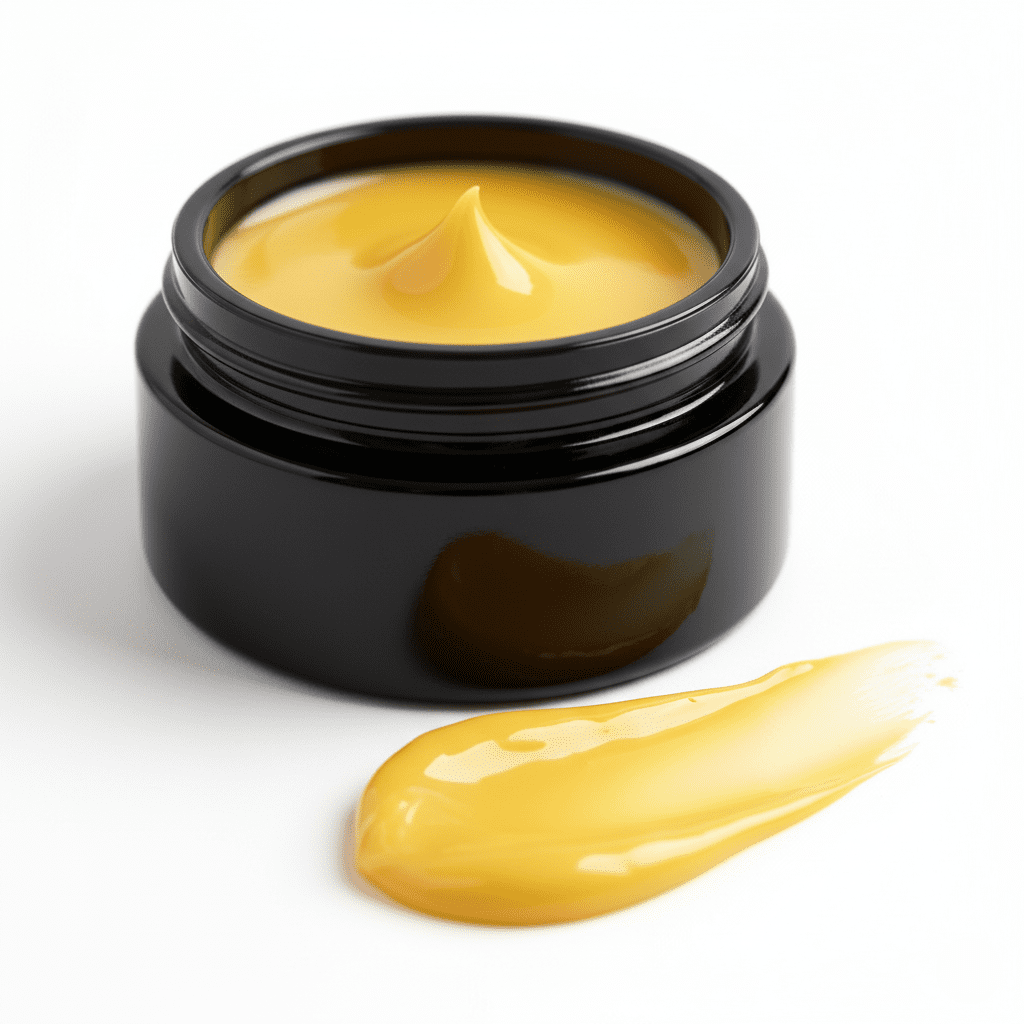
Calendula Balm - Original™
Concentrado restaurador y calmante
Azure Tansy
Balm™
Complejo reparador y protector intensivo
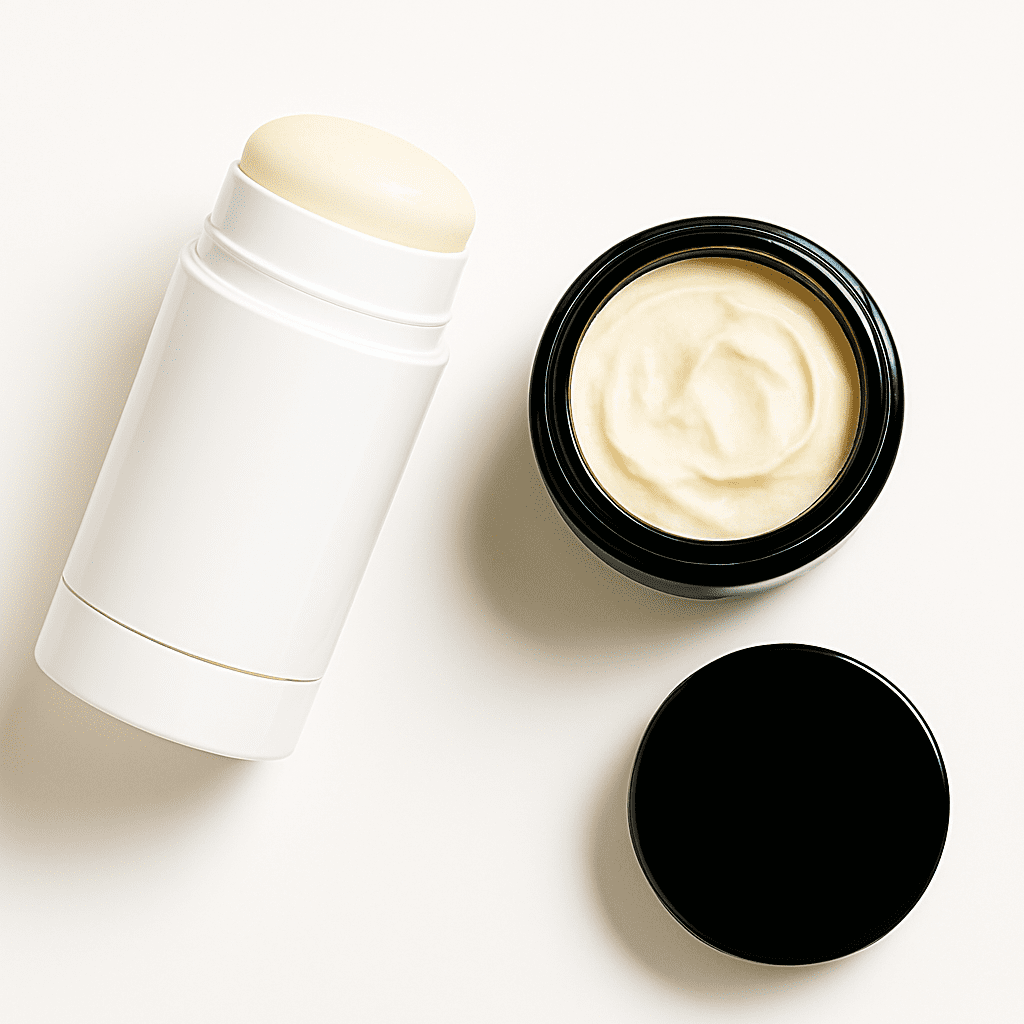
TerraPure - Original Deodorant
Protección intensa, de forma natural.
Restorative Phyto‑Serum Oil™
Renovación y equilibrio. Transformación visible en cada gota.
Potenciamos tu piel para que prospere.
Suscríbete al Newsletter
¿Lista para invertir en el futuro de tu piel con los mejores ingredientes naturales? Explora nuestras colecciones o únete a nuestra comunidad para obtener consejos de expertos y acceso exclusivo.
Valoramos su confianza cuando comparte sus datos personales con nosotros. Siempre tratamos sus datos de forma justa y respetuosa, limitándonos a la finalidad mencionada anteriormente. Si desea saber más sobre cómo tratamos sus datos, lea nuestro Política de Privacidad.