What We Leave Out — Oils, Silicones, Fragrances & Additives (Part 2)
From silicones to synthetic fragrance, mineral oils to talc — a straightforward look at the texture, scent and colour ingredients we choose to formulate without

What We Leave Out
In Part One, we walked through the preservatives — the ingredients that keep a bottle from turning, and why some of them come with more baggage than benefit. But a product is more than its shelf life.
The moment you touch it, a different set of ingredients takes over — the ones that shape how it feels, how it smells, how it looks on your shelf and on your skin. These are the texturisers, the fragrance carriers, the emulsifiers, the pigments, the occlusives.
They don’t stop bacteria. They stop you from noticing that a formula is simple, or that a scent is absent, or that oil and water would rather separate. They are the sensory layer of a product — and the marketing layer too.
Some of them bring genuine benefit. Some bring nothing but illusion. The same rule applies: if an ingredient can’t justify its presence beyond how it makes a product sell, we don’t use it. That doesn’t mean every silicone or every fragrance is a problem — it means we ask questions. And we think you should, too.
Here’s what we found when we looked closer at the ingredients you can feel
1. Mineral Oils, Petrolatum, and Paraffin
What they are and where they hide
Mineral oil, petrolatum (petroleum jelly), and paraffin wax are refined petroleum derivatives. They appear in lip balms, baby oil, heavy night creams, and eczema treatments — anywhere a brand wants an inexpensive, long‑lasting moisture seal.
The ingredients to look for on labels
| Ingredient | Commonly found in |
|---|---|
| Paraffinum Liquidum (Mineral Oil) | Baby oil, moisturisers, makeup removers, hair products |
| Petrolatum (Petroleum Jelly) | Lip balms, heavy night creams, eczema treatments, barrier creams |
| Paraffin (Paraffin Wax) | Lip balms, hand creams, body butters, salon treatments |
| Cera Microcristallina (Microcrystalline Wax) | Thick creams, ointments, lip products |
The concern
When adequately refined, these substances are not carcinogenic. The safety question is largely settled. The problems are functional.
These ingredients work by forming a physical seal over the skin. That traps moisture in, but it also traps sweat, dead skin cells, and bacteria. For people prone to breakouts, clogged pores, or perioral dermatitis, this can make things worse.
There is a longer‑term question, too. Skin that is constantly sealed by a petroleum‑based film may, over time, reduce its own sebum production — creating a cycle of dependence where the skin feels dry without the product. Some dermatologists call this the “lazy skin” effect: the barrier stops doing its own work because something else is doing it instead.
Then there is what these ingredients do not do. They sit on the skin. They supply no fatty acids, no vitamins, no phytosterols — nothing the skin can recognise and use. Botanical oils like meadowfoam, borage, and evening primrose do not just seal — they integrate, delivering nutrients the stratum corneum can actually metabolise.
Where we stand
We use none. Our formulations are built around oils that nourish, not just coat. We would rather purchase cold‑pressed oil from a small Irish or European grower than buy a barrel of refined petroleum derivative.
2. PEGs, PPGs, and Ethoxylated Ingredients
What they are and where they hide
Polyethylene glycols (PEGs) and polypropylene glycols (PPGs) are petroleum‑derived compounds that make oil and water mix, help ingredients penetrate the skin, and create that silky slip many associate with luxury. Any ingredient with “PEG” or “‑eth” in its name belongs to this family. They are everywhere in mainstream skincare.
The ingredients to look for on labels
| Ingredient | Commonly found in |
|---|---|
| PEG‑40 Hydrogenated Castor Oil | Creams, serums, cleansers, makeup removers |
| PEG‑100 Stearate | Moisturisers, sunscreens, foundations |
| Ceteareth‑20 | Creams, lotions, hair conditioners |
| Laureth‑4, Laureth‑7, Laureth‑23 | Cleansers, shampoos, body washes |
| Oleth‑10 | Serums, hair products |
| Polysorbate 20, Polysorbate 60, Polysorbate 80 | Creams, serums, solubilisers |
| Octoxynol‑9 | Some cleansers and shampoos |
The concern
Two linked problems.
First, contamination. The manufacturing process (ethoxylation) can produce 1,4‑dioxane, a probable human carcinogen. The EU requires purification to keep it below trace levels (target: under 10 ppm). Responsible manufacturers comply. Not all do.
Second, what PEGs are designed to do: make the skin more permeable. That sounds desirable — until you consider that you might not want everything in your serum penetrating faster. If you make skin more permeable to one ingredient, you make it more permeable to all of them — preservatives, fragrance components, and whatever else is in the bottle.
Studies also show that PEG‑based products can cause systemic toxicity and severe irritation when applied to damaged or broken skin — precisely the kind of skin many therapeutic products are marketed to treat.
Where we stand
We avoid ethoxylated ingredients entirely. A botanical oil serum delivers its payload gently, working with the skin’s own lipid matrix. We do not need to force the door open.
3. Ethanolamines (MEA, DEA, TEA)
What they are and where they hide
Monoethanolamine (MEA), diethanolamine (DEA), and triethanolamine (TEA) are used as pH adjusters, emulsifiers, and foam boosters in shampoos, body washes, lotions, and sunscreens. They help create the creamy lather consumers expect and keep formulations stable at low cost.
The ingredients to look for on labels
| Ingredient | Commonly found in |
|---|---|
| MEA (Monoethanolamine) | Shampoos, body washes, foaming cleansers |
| DEA (Diethanolamine) | Shampoos, soaps, lotions |
| TEA (Triethanolamine) | Sunscreens, lotions, makeup, cleansing milks |
| Cocamide DEA, Lauramide DEA | Foaming products, shampoos, body washes |
The concern
The most serious risk is nitrosamine formation. When ethanolamines are combined with certain other ingredients in a formula, they can form N‑nitrosamines — compounds classified as probable human carcinogens. DEA has been linked to liver and kidney tumours in animal studies. MEA has the highest potential for skin irritation among the three, and all of them can cause redness, scaling, itching, and allergic contact dermatitis — particularly in those with sensitive skin, eczema, or rosacea. Inhalation of aerosolised products containing ethanolamines can also irritate the respiratory tract.
Where we stand
We don’t use them. And it’s not a difficult choice to make. Our soaps are made in a traditional way, just as they have been for centuries: through saponification, the natural chemical process in which botanical oils and butters—such as coconut, olive and shea—react with an alkali to turn into soap and glycerine. No synthetic foam enhancers are added. They aren’t needed.
The result is a dense, velvety, creamy lather — not the kind of industrial foam that vanishes in seconds, but a rich lather born of the soap’s own chemistry, with natural glycerine retained in every bar to nourish the skin whilst cleansing.
As for our botanical balms and oil serums, they are anhydrous formulas. No water. No emulsifiers required. No ethanolamines in sight.
4. Silicones (D4, D5, D6, Dimethicone & Relatives)
What they are and where they hide
Silicones are synthetic polymers built on a silicon‑oxygen backbone, made by chemically synthesising silicon (derived from silica and sand) with fossil‑fuel‑derived hydrocarbons. They are not a “natural” material, despite how they are sometimes marketed.
They create an unmistakable sensory experience: weightless, velvety, vanishing into the skin without a trace of grease. They fill fine lines optically, reduce tackiness, and leave a finish that feels like nothing else. They appear in primers, serums, moisturisers, hair oils, sunscreens, and makeup.
The ingredients to look for on labels
| Ingredient | Commonly found in |
|---|---|
| Dimethicone | Moisturisers, primers, foundations, hair serums, sunscreens |
| Cyclopentasiloxane (D5) | Hair serums, primers, and lightweight moisturisers |
| Cyclohexasiloxane (D6) | Hair products, leave‑on skin products |
| Cyclomethicone | Primers, hair products, deodorants |
| Amodimethicone | Hair conditioners, leave‑in treatments |
| Phenyl Trimethicone | Serums, primers, hair oils |
| Dimethiconol | Shampoos, conditioners, styling products |
The concern
The problems are not equal across the family.
The cyclic silicones — D4, D5, and D6 — are individually hazardous. D4 is classified as toxic to reproduction and a known endocrine disruptor. It has been banned in wash‑off products in the EU since 2020 and is increasingly restricted in leave‑on products. D5 has been detected in human breast milk and body fat. The smaller molecular size of D4 and D5 means they can potentially penetrate the skin and enter the bloodstream, unlike larger linear silicones.
Impurities are a further concern. Lower‑grade silicones can carry trace residues of heavy metals or phthalates from manufacturing. Cyclic siloxanes in particular are small enough to migrate from the product into the body.
Environmental persistence is perhaps the most troubling dimension. Whether classified as microplastics or not, silicones do not biodegrade. When washed off, they enter waterways and stay there for decades, slowly fragmenting into nanoplastics — particles small enough to enter the food chain and human tissues.
The evidence linking plastic particles to human harm is growing: inflammation, hormonal disruption, oxidative stress, and altered gut bacteria. Microplastics have been detected in human blood, lung tissue, placental tissue, and brain tissue. In children, urinary microplastics have been associated with impaired cognitive function.
Even the “safer” linear silicones — like dimethicone — are not without issues. Their occlusive film can trap oil, dirt, and dead skin cells, triggering breakouts. Their environmental persistence is identical to that of cyclic silicones.
What the EU has done
D4 is banned in wash‑off products. D5 and D6 are heavily restricted in leave‑on products. The regulatory direction is clear: silicones are being phased out.
Where we stand
We use no silicones — cyclic or linear. The reproductive toxicity of D4 is well‑documented. The environmental persistence of all silicones is undisputed. And the emerging science on plastic particles in the human body makes the case for us: we do not need to add more synthetic polymers to the planet or to our skin. Botanical oils absorb, nourish, and biodegrade. That is the standard we work to.
5. Synthetic Fragrances and the "Parfum" Loophole
What they are and where they hide
The word “parfum”, “aroma” or “fragrance” on an ingredient label can legally conceal dozens — sometimes hundreds — of undisclosed chemicals. Solvents, stabilisers, sensitisers, synthetic musks, scent‑enhancers, and phthalates (used to make the fragrance last longer on skin). The exact formula is protected as a trade secret. You do not know what you are putting on your skin or breathing in.
This is not a fringe loophole. It is the industry standard. Nearly every scented product — perfume, shampoo, moisturiser, deodorant, laundry detergent, candles — uses this single word to hide a cocktail of undisclosed chemicals.
It is worth noting that essential oils are not exempt. Natural does not mean allergen‑free — and the EU’s expanded allergen labelling requirements apply to both synthetic fragrances and natural extracts.
The ingredients to look for on labels
| Ingredient | What it hides |
|---|---|
| Parfum / Fragrance | A trade‑secret mixture that can contain dozens to hundreds of undisclosed chemicals |
| Limonene | A fragrance allergen commonly found in citrus oils and synthetic perfumes |
| Linalool | A fragrance allergen present in lavender and many synthetic blends |
| Citral, Geraniol, Citronellol | Naturally occurring fragrance allergens — also used in synthetic form |
| Benzyl Salicylate | A floral‑scented fragrance ingredient, now restricted in the EU |
| Hexyl Cinnamal, Butylphenyl Methylpropional (Lilial) | Common synthetic fragrance components — Lilial is now banned in the EU |
The concern
Fragrance is among the top five allergens globally. It is one of the leading causes of allergic contact dermatitis — redness, itching, and rashes. For those with asthma or chemical sensitivities, inhaling fragrance can trigger breathing difficulties and asthma attacks. Studies suggest three out of four people with asthma experience symptoms triggered by perfumed products.
Beyond immediate reactions, there are neurological effects: migraines, headaches, “brain fog,” and dizziness are commonly reported. There is growing concern that spraying perfume directly on the neck — a highly vascular area near the thyroid gland — may increase absorption of fragrance chemicals into the bloodstream.
Many synthetic fragrances contain phthalates — endocrine disruptors linked to reduced sperm counts, reproductive harm, and developmental problems. Synthetic musks like tonalide and galaxolide have been detected accumulating in human fat tissue and breast milk. Volatile organic compounds (VOCs) from scented products contribute to indoor air pollution, in some homes, making indoor air worse than outdoor air.
What the EU has done
From 31 July 2026, the list of fragrance allergens that must be individually declared on labels expands from 26 to 82 substances. Products must list these by name where they exceed certain thresholds. It is progress — but it also reveals the scale of the problem: that a single word on your face cream legally conceals dozens of chemicals, many of them known sensitisers. The rest of the formula — the solvents, fixatives, and proprietary scent molecules — remains hidden behind “parfum.”
Where we stand
We do not hide behind “parfum.” Our products either contain no added scent at all — like Nettle Serum Oil and Calendula Balm Original — or they use a small number of fully disclosed essential oils, with every individual allergen appearing right there on the label. No hiding. No mystery. You know exactly what you are getting.
6. Sulfates (SLS and SLES)
What they are and where they hide
Sodium lauryl sulfate (SLS) and sodium laureth sulfate (SLES) create the dense, bubbly foam in conventional shampoos, body washes, facial cleansers, and toothpaste. They are powerful degreasers — stripping sebum and product build‑up, leaving behind the psychological satisfaction of something that feels “really clean.”
The ingredients to look for on labels
| Ingredient | Commonly found in |
|---|---|
| Sodium Lauryl Sulfate (SLS) | Shampoos, body washes, facial cleansers, toothpaste |
| Sodium Laureth Sulfate (SLES) | Shampoos, body washes, liquid soaps, bubble baths |
| Ammonium Lauryl Sulfate | Shampoos, body washes |
| Sodium Coco‑Sulfate | “Natural” shampoos and cleansers — still a sulfate |
The concern
SLS is a known irritant, so reliably so that researchers use it to trigger skin reactions when testing anti‑irritant products. It disrupts the barrier, strips natural oils, and causes dryness, tightness, itching, and flaking — particularly in anyone with sensitive or reactive skin. In toothpaste, it can trigger or worsen canker sores.
SLES is a milder version but carries a 1,4‑dioxane contamination concern — a probable carcinogen formed during the ethoxylation process. The EU requires that 1,4‑dioxane remain below 10 ppm in cosmetic products. Manufacturers must use purification techniques like vacuum stripping to meet this standard.
Foam does not clean. It is purely sensory — a marketing tool, not a functional one. You can cleanse thoroughly without a single bubble.
Where we stand
Our Soft Cleanse Balm™ takes a different path: oil‑based, emulsifying on contact with water, dissolving makeup and sunscreen without foam, without sulfates, without the tight, dry sensation that signals barrier disruption. Clean skin should not feel punished.
Where our water‑based formulas need a surfactant, we look to naturally derived alternatives — ingredients like Sodium Lauryl Sulfoacetate (SLSa), which is derived from coconut and palm oils. Despite the similar‑sounding name, SLSa is sulfate‑free. Its molecule is much larger than SLS or SLES, so it cannot penetrate the skin. It cleans the surface gently, without disturbing the moisture barrier, and creates a rich, creamy lather rather than the airy bubbles of SLS. It is biodegradable and meets the standards we set for natural, skin‑respecting formulations.
7. Phthalates
What they are and where they hide
Phthalates are a family of chemicals used as plasticisers — they make plastics flexible — and as fixatives that help fragrance last longer on the skin. They appear hidden within scented products, nail polishes, and hair sprays.
The ingredients to look for on labels
| Ingredient | Commonly found in |
|---|---|
| Diethyl Phthalate (DEP) | Fragranced products: perfumes, lotions, deodorants, hair sprays |
| Dibutyl Phthalate (DBP) | Nail polishes (banned in EU cosmetics) |
| Dimethyl Phthalate (DMP) | Hair sprays, some fragrances |
| Diethylhexyl Phthalate (DEHP) | Plastic packaging, some cosmetics (banned in EU cosmetics) |
| “Parfum” or “Fragrance” | Often conceals phthalates used as fragrance fixatives |
The concern
Phthalates are endocrine disruptors. They interfere with hormone signalling — particularly testosterone — and the evidence linking them to human harm is substantial.
Studies have associated phthalates with reduced sperm counts, endometriosis, early menopause in women, and reproductive malformations in male infants. Prenatal exposure has been linked to lower birth weight, ADHD, behavioural problems, and reduced IQ in children. Long‑term exposure is also connected to obesity, insulin resistance, Type 2 diabetes, and increased risk of breast and uterine cancers.
Women of reproductive age consistently carry the highest phthalate body burdens — largely from daily use of personal care products like perfumes, lotions, and makeup. These are not theoretical concerns. They are documented in human populations.
What the EU has done
Several phthalates — including DBP and DEHP — are banned from cosmetics because they are classified as CMR (carcinogenic, mutagenic, or toxic to reproduction). Thirteen phthalates in total are either banned or heavily restricted across EU legislation.
DEP — the one still commonly permitted — is currently considered safe by the EU’s Scientific Committee on Consumer Safety, but it remains under ongoing review as part of the EU’s evolving strategy on endocrine disruptors.
Where we stand
We do not use phthalates. Our products are either fragrance‑free or scented with pure essential oils that require no synthetic fixatives. If you see a scent in our products, it comes from the plant — not from a plasticiser.
8. Talc
What it is and where it hides
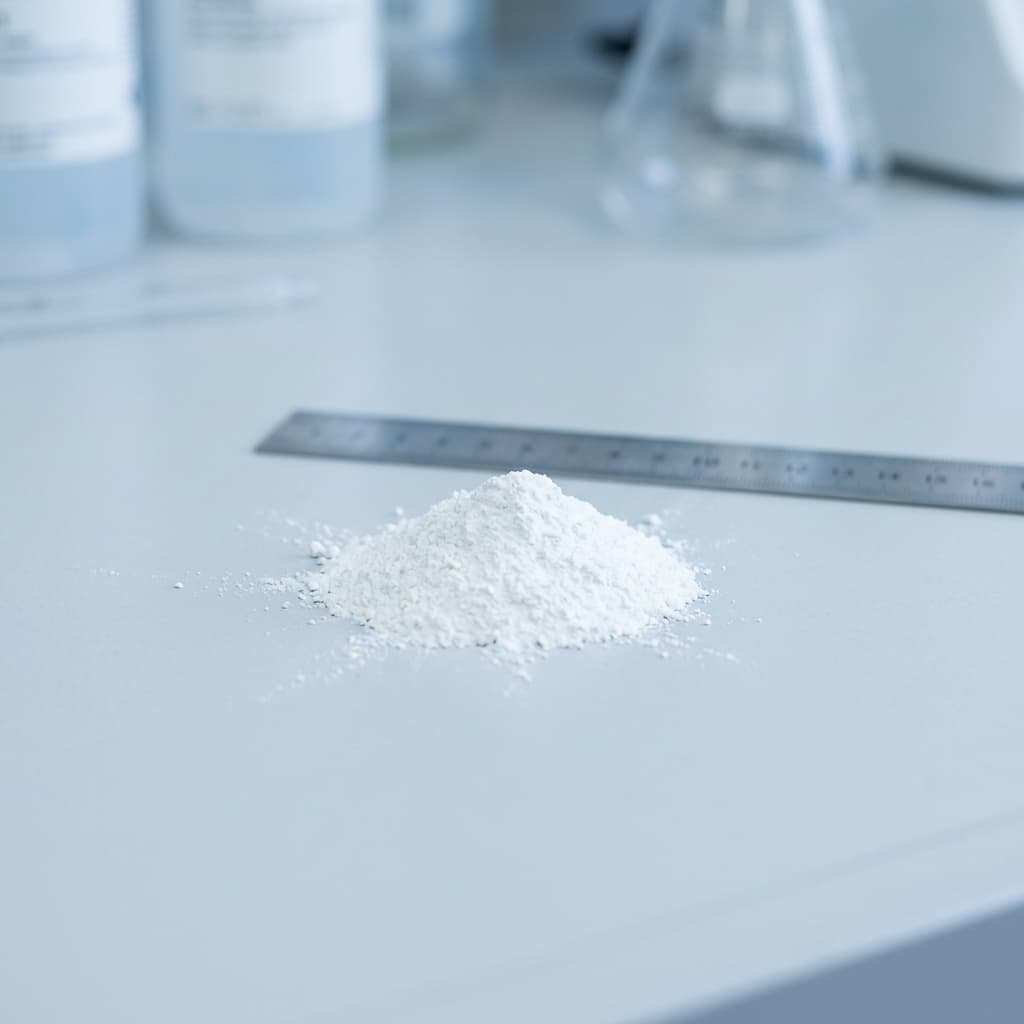
Talc is a naturally occurring mineral ground into a soft, absorbent powder. It has been used for generations in baby powder, body powders, dry shampoos, and mineral makeup — blushes, bronzers, setting powders, eyeshadows.
The ingredients to look for on labels
| Ingredient | Commonly found in |
|---|---|
| Talc | Baby powder, body powders, dry shampoos, blushes, bronzers, eyeshadows, setting powders |
| Talcum Powder | Baby powder, body powders |
| Magnesium Silicate | Alternative INCI name for talc in some products |
The concern
In September 2024, the Risk Assessment Committee of the European Chemicals Agency classified talc as a Category 1B carcinogen — meaning it is presumed to cause cancer in humans, particularly through repeated inhalation. Under the EU Cosmetics Regulation, a CMR 1B classification triggers an automatic prohibition unless a specific exception is granted. An application has been submitted, but if it fails — and many expect it will — a ban on talc in cosmetics could be announced by late 2026 and take effect by early 2027.
Then there is the asbestos question. Talc and asbestos form together in the earth, and the uncomfortable truth is that asbestos cannot be fully removed from talc once present. Standard industry testing often uses older methods that miss extremely fine fibres. Products can be labelled “asbestos‑free” while still containing thousands of fibres — because some regulations allow that label if asbestos content is under 1%, a level that is still unsafe. There is no safe level of asbestos exposure.
The link between asbestos‑contaminated talc and ovarian cancer and mesothelioma has been the subject of decades of litigation — including major cases against Johnson & Johnson, who face claims they knowingly sold asbestos‑contaminated baby powder for decades. In late 2025, the FDA withdrew a proposed rule that would have required standardised asbestos testing for all talc‑based cosmetics — leaving consumers without the protection many assumed was already in place.
Asbestos fibres, once inhaled, cause permanent damage. They lead to mesothelioma, lung cancer, and asbestosis — incurable diseases that can take 15 to 60 years to appear after exposure.
Where we stand
We do not use talc. It serves no function in our oil‑based and balm formulations, and the combined risk — a CMR 1B carcinogenic classification and the impossibility of guaranteeing freedom from asbestos contamination — makes the decision straightforward.
9. Artificial Colours
What they are and where they hide
Artificial colours — listed as FD&C, D&C, or CI numbers on labels — are synthetic dyes historically derived from coal tar and now primarily synthesised from petroleum. They appear in lipsticks, blushes, eyeshadows, nail polishes, hair dyes, toothpaste, and even some skincare products, added purely for aesthetic appeal.
The ingredients to look for on labels
| Ingredient | Commonly found in |
|---|---|
| CI followed by a 5‑digit number | All colour cosmetics, some skincare and toothpaste |
| FD&C Red 40 / CI 16035 | Lipsticks, blushes, lip glosses |
| FD&C Yellow 5 / CI 19140 | Eyeshadows, nail polishes, and some skincare |
| FD&C Yellow 6 / CI 15985 | Blushes, bronzers, lip products |
| FD&C Blue 1 / CI 42090 | Toothpaste, mouthwash, and some skincare |
| Red 3 / CI 45430 (Erythrosine) | Previously, in lipsticks (banned in US cosmetics since 1990) |
| Carbon Black / CI 77266 | Mascaras, eyeliners, eyeshadows |
The concern
Several artificial colours have been linked to heavy metal contamination — traces of lead, arsenic, and mercury can appear as unintended byproducts. Coal tar, in its crude form, is a recognised human carcinogen. Red 3 was linked to thyroid tumours in animal studies and was banned from US cosmetics in 1990.
The most consistent finding concerns children. The landmark “Southampton Study” linked six artificial dyes — including Red 40, Yellow 5, and Yellow 6 — to increased hyperactivity, impulsivity, and inattentiveness, particularly in children with ADHD. Since 2010, the EU has required a mandatory warning label on any food or drink containing these specific azo dyes: “May have an adverse effect on activity and attention in children.”
Where we stand
We do not add colour to any product. The hues in our formulations — the golden tint of Nettle Serum Oil™, the green‑blue of Azure Tansy Balm™, the orange glow of Sea Buckthorn Balm™ — come from the plants themselves. No dyes. No pigments. What you see is what the botanicals gave us.
10. Nanomaterials (Gold, Silver, Copper, Platinum & Others)
What they are and where they hide
Nanomaterials are particles of substances reduced to 1–100 nanometres — about one thousandth the width of a human hair. At this size, materials become more reactive, more penetrating, and capable of crossing biological barriers that larger particles cannot. They have been marketed as premium ingredients: colloidal gold for radiance, nano‑silver as an antimicrobial, and nano‑platinum for anti‑ageing.
The ingredients to look for on labels
| Ingredient | Commonly found in |
|---|---|
| Gold (nano) / Colloidal Gold (nano) | Anti‑ageing serums, luxury creams (banned in the EU since Nov 2025) |
| Silver (nano) / Colloidal Silver (nano) | Antibacterial creams, deodorants, toothpaste (banned in the EU since Nov 2025) |
| Copper (nano) / Colloidal Copper (nano) | Skin renewal serums, anti‑ageing products (banned in the EU since Nov 2025) |
| Platinum (nano) / Colloidal Platinum (nano) | Premium anti‑ageing serums (banned in the EU since Nov 2025) |
| Titanium Dioxide (nano) | Mineral sunscreens, BB creams, foundations (permitted; banned in sprays) |
| Zinc Oxide (nano) | Mineral sunscreens, nappy creams (permitted; banned in sprays) |
| Hydroxyapatite (nano) | Toothpaste, mouthwash (restricted to oral care only) |
The concern
The very property that makes nanomaterials interesting — their ability to go where larger particles cannot — is also what creates the risk.
Intact, healthy skin provides some protection. Compromised skin does not. Nanoparticles can penetrate damaged skin, accumulate in hair follicles, and cause oxidative stress, DNA damage, and cell death. Once inside the body, they can travel to the liver, spleen, kidneys, and brain.
Carbon nanotubes deserve special mention: because of their long, needle‑like shape, they can mimic the physical behaviour of asbestos fibres in the lungs — leading to scarring and potentially mesothelioma. Studies have confirmed that certain metal nanoparticles can cross the placental barrier in animal models.
Zinc oxide and titanium dioxide — the most common nanomaterials — remain permitted as UV filters but are banned in sprayable products where they could be inhaled. Products using them must clearly label them as “(nano).”
What the EU has done
The EU banned most cosmetic nanomaterials as of 1 November 2025: nano gold, nano silver, nano copper, nano platinum, and several related compounds and copolymers. The SCCS could not conclude that these ingredients were safe, and the EU applied the precautionary principle.
Where we stand
We have never used nanomaterials. The philosophy behind them — smaller, faster, more penetrating — runs counter to everything our formulations are built on: gentle, gradual, working with the skin rather than forcing it open. Gold does not belong in a serum. Nettle does.
The only mineral ingredient we do use is zinc oxide, present in our TerraPure Deodorant Original and TerraPure Silk Deodorant. It is non‑nano grade — its particle size is large enough that it stays on the skin’s surface, where it does its job: antimicrobial defence and healing support. It does not penetrate. It does not accumulate. It simply works where it’s needed and washes away.
A Final Word
This has been a long list. Two articles. Twenty ingredient categories. If you’ve read both, you’ve walked through formaldehyde-releasing preservatives, long-chain parabens, triclosan, phenoxyethanol, BHA and BHT, mineral oils, PEGs, ethanolamines, silicones, synthetic fragrances, sulfates, phthalates, talc, artificial colours, and nanomaterials. That is not a light read. And it was never meant to be.
We didn’t write this to overwhelm you. We wrote it because nobody else was going to.
The truth most brands won’t say out loud is this: the regulatory system — even a relatively strong one like the EU’s — is built to evaluate ingredients one at a time, in isolation. A safety assessor looks at a single preservative and asks: Is this safe at 0.5% in a face cream? They do not ask: what happens when that face cream is layered over a serum, under a sunscreen, after a fragranced cleanser, on skin that already absorbed a leave-on conditioner this morning, and a deodorant, and a body lotion, and a lipstick, every single day, for forty years?
We know that the average person uses somewhere between nine and fifteen personal care products daily. A 2025 Rutgers study found that this translates to exposure to over one hundred chemicals a day through personal care products alone. A 2025 Frontiers in Toxicology review concluded that the cumulative and long-term effects of combined exposure to multiple cosmetic ingredients remain poorly understood and inadequately addressed — even within the EU framework.
That is the gap we are talking about. Not whether one ingredient, tested alone, causes harm. But whether the accumulation — day after day, product after product, chemical upon chemical — does something we haven’t yet measured. Some of these substances persist in the body. Some interact with each other in ways no laboratory has tested. Some mimic hormones at doses so low they were once assumed irrelevant. Some were never designed to be worn on human skin for decades.
This is not alarmism. It is honesty. The data has limits. The testing has limits. And those limits are most dangerous when nobody admits they exist.
We don’t claim to have solved the problem. We make small-batch, oil-based, water-free formulas — that reduce the need for preservatives, emulsifiers, stabilisers, and fragrance maskers by design. Fewer ingredients mean fewer interactions. Fewer unknowns. Less accumulation. It doesn’t mean zero risk — nothing does. But it means we’ve stripped the formula down to what earns its place.
The EU framework gives us a baseline. We build well beyond it — not out of fear, but out of a conviction that “permitted” is not the final word. The final word belongs to you, the person applying the product to your skin, every day, for the rest of your life. You deserve to know what’s in it. You deserve to know what’s not. And you deserve a brand that has done the reading so you don’t have to.
None of this is marketing. It’s just the work.
Continue Reading
- Part 1 — Preservatives: parabens, formaldehyde-releasers, and the chemicals that stop products from spoiling. Why we avoid certain preservatives and how we keep our products fresh without them.
- Part 3 — Ingredients Under the Microscope: chemical UV filters, retinol, PFAS, heavy metals, synthetic musks, microplastics, perfume loopholes, and the latest EU regulatory changes. What’s still legal, what’s increasingly scrutinised, and why we watch closely.
Recommended
Watch “Not So Pretty” is a four-part HBO Max documentary mini-series (2022) investigating toxic, hidden dangers in the cosmetics and beauty industry.
Support Your Skin
Our natural product collection at Ossie Naturals is formulated specifically to support your skin’s natural adaptive processes. Each product provides the building blocks your skin needs, from barrier-supporting lipids to adaptive antioxidants.
We don’t believe in dramatic seasonal routine overhauls or aggressive treatments that fight against your skin’s natural processes. Instead, our approach focuses on gentle, consistent support that works with your skin’s intelligence rather than against it.
Join our private community on Facebook or join our Newsletter for access to seasonal transition guides, ingredient education, and products specifically formulated to support your skin through changes because your skin’s adaptive intelligence deserves support, not interference.
Performance‑led, nutrient‑rich compositions
Our House Collection
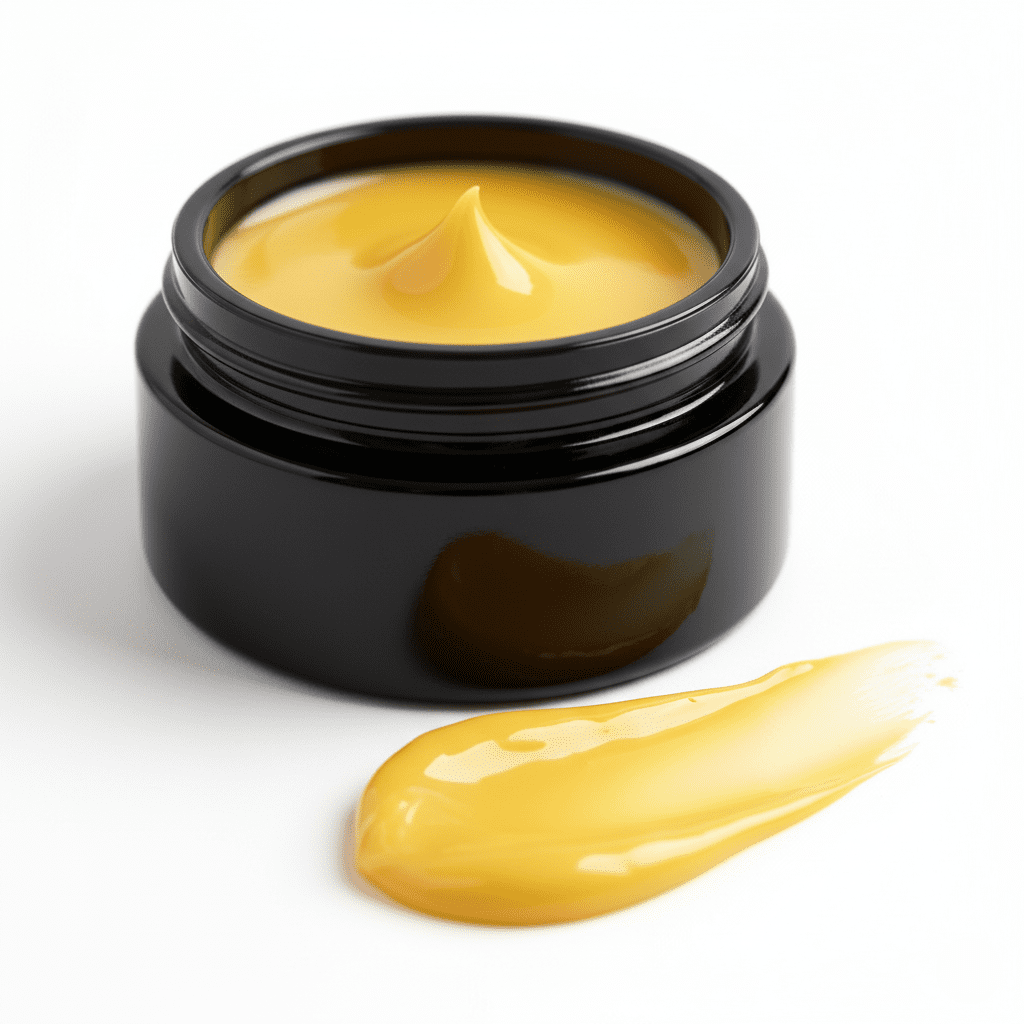
Calendula Balm - Original™
Restorative and Calming Concentrate
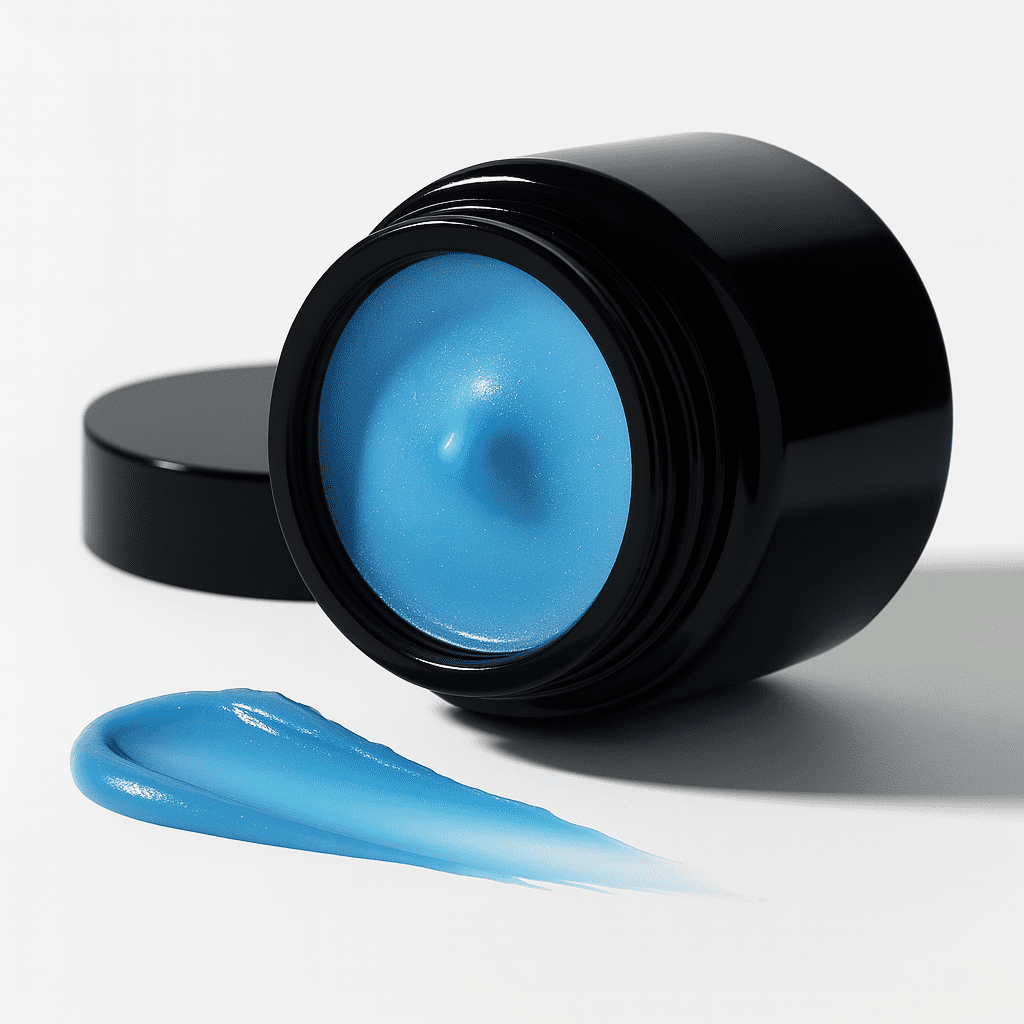
Azure Tansy
Balm™
Intensive Repair and Protection Complex
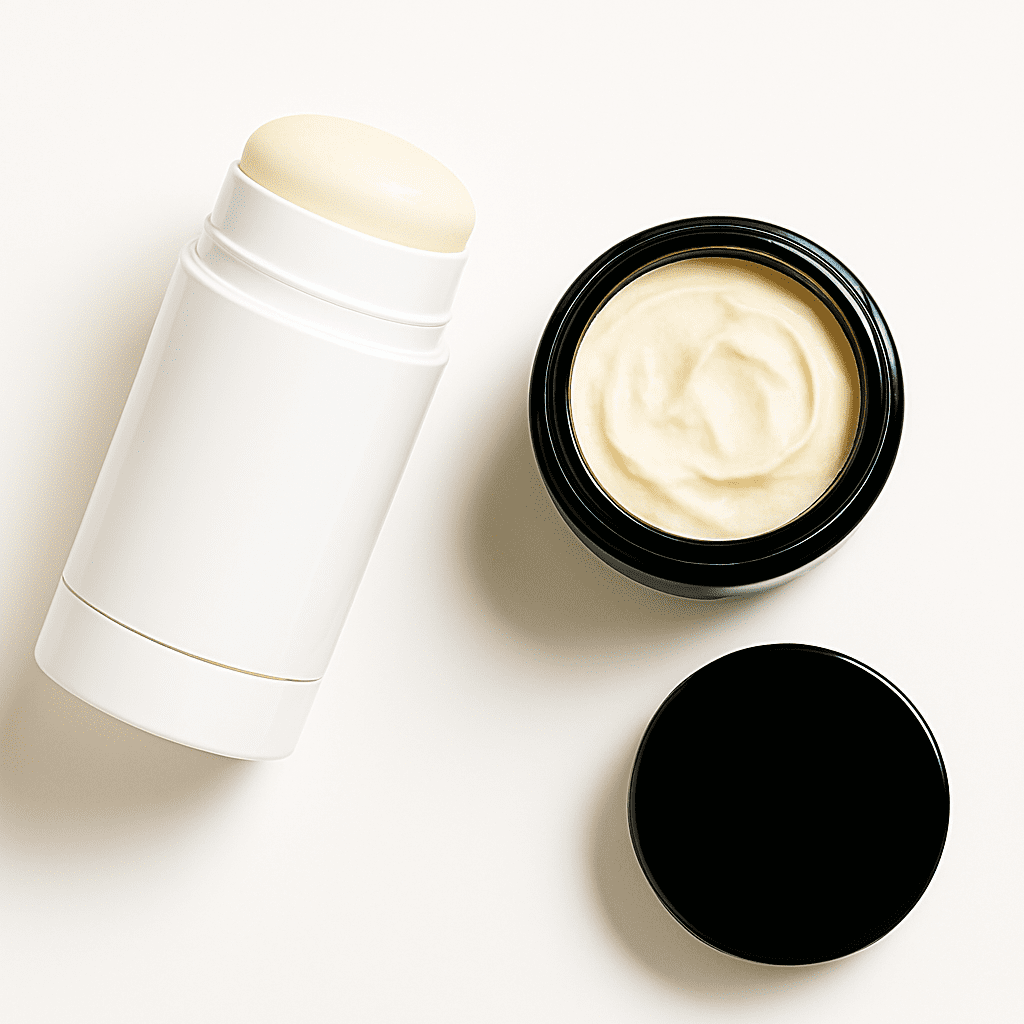
TerraPure - Original Deodorant
Powerful protection, naturally
Restorative Phyto‑Serum Oil™
Renewal and Balance. Visible transformation in every drop
We empower your skin to thrive.
Sign Up Newsletter
Ready to invest in your skin’s future with the finest natural ingredients? Explore our collections or join our community for expert tips and exclusive access.
We value your trust when sharing your personal data with us. We always treat your data in a fair and respectful manner, limited to the purpose mentioned above. If you would like to know more about how we handle your data, please read our Privacy Policy.