
Cell Turnover and Radiant Skin: Working with Skin’s Natural Renewal Rhythm
Understand how cell turnover shapes skin's radiance. Discover gentle, balanced approaches to support your skin's natural renewal rhythm for lasting clarity

Working with Skin’s Natural Renewal Rhythm
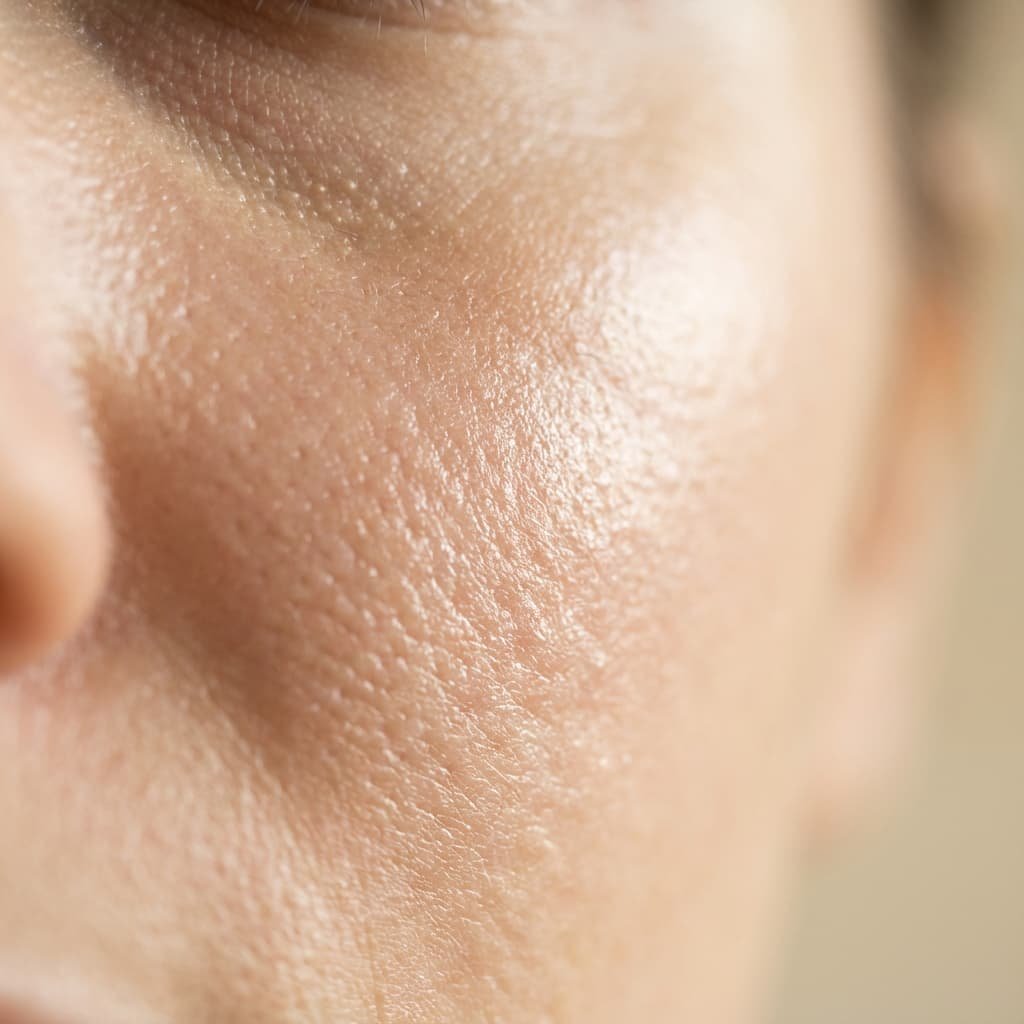
When skin begins to look dull, uneven or slightly sallow, it rarely announces why. Products feel less responsive. Texture becomes unpredictable: smooth one week, slightly rough the next. Exfoliating more sometimes leads to tightness or sensitivity, yet doing less can seem to stall any visible improvement.
At the centre of this quiet tension sits cell turnover: the skin’s natural renewal rhythm. It governs how older surface cells are replaced by fresher ones, how light moves across the face, how comfortably skin holds moisture, and how gracefully it responds to active ingredients. When this process flows well, skin often appears naturally lit from within, refined yet comfortable to the touch.
This article explores how cell turnover works, how it evolves with time, and how thoughtful skincare can support it. Rather than forcing dramatic change, the intention is simple: to understand skin’s own choreography, then choose ingredients and rituals that move in step with it.
Understanding Cell Turnover: Skin’s Continuous Renewal
Cell turnover describes the continuous movement of cells from the deepest layers of the epidermis towards the surface, where they eventually shed. It is not a single event but a flowing cycle, with new cells being formed as older ones prepare to leave.
In the lower layers of the epidermis, cells gradually develop structure and resilience as they travel upwards. On this journey, they accumulate proteins and lipids that will later contribute to the skin’s protective barrier. By the time they reach the outermost layer, these cells have flattened and interlocked into a cohesive shield.
Commonly, the full renewal process in younger adult skin is described as taking several weeks. Scientific data around exact timings are varied, and the pace can differ considerably between individuals and body sites. Rather than a fixed calendar, it is more useful to think of cell turnover as a living rhythm – responsive to genetics, environment, hormones and daily care.
This rhythm matters because it shapes both how skin looks and how it feels. Balanced turnover supports a smoother texture, a more even tone, and a surface that feels comfortable rather than tight or rough. It also influences how well skin interacts with botanical oils, serums and treatments, creating a foundation for visible results.
The Science of Renewal: Skin’s Quiet Coordination System
Beneath the surface, cell turnover is a coordinated conversation between layers of the skin. As mature cells at the surface prepare to detach, this gentle shedding provides signals to the deeper layers that it is time to prepare replacements. In this way, surface renewal and deeper cell formation remain in conversation.
This coordination helps maintain appropriate skin thickness and integrity. When surface cells are shed in a balanced way, the layers beneath can respond with matching energy, supporting a steady flow rather than a surge. If the pace slows, cells may remain at the surface for longer; if it accelerates abruptly, skin may feel more delicate.
These surface cells are far from passive. They carry water, natural moisturising factors and protective lipids that contribute to barrier function. This layered barrier reduces moisture loss and helps shield skin from everyday environmental stressors. Continuous renewal ensures that this protective veil remains functional and refined rather than static and tired.
Cell turnover can be influenced by many elements: age, cumulative sun exposure, climate, lifestyle, or the way skincare is used. Each of these can subtly shift the rhythm. Supporting skin’s own intelligence means recognising that this system is already present and designing rituals that respect its quiet organisation.
How Cell Turnover Evolves with Age
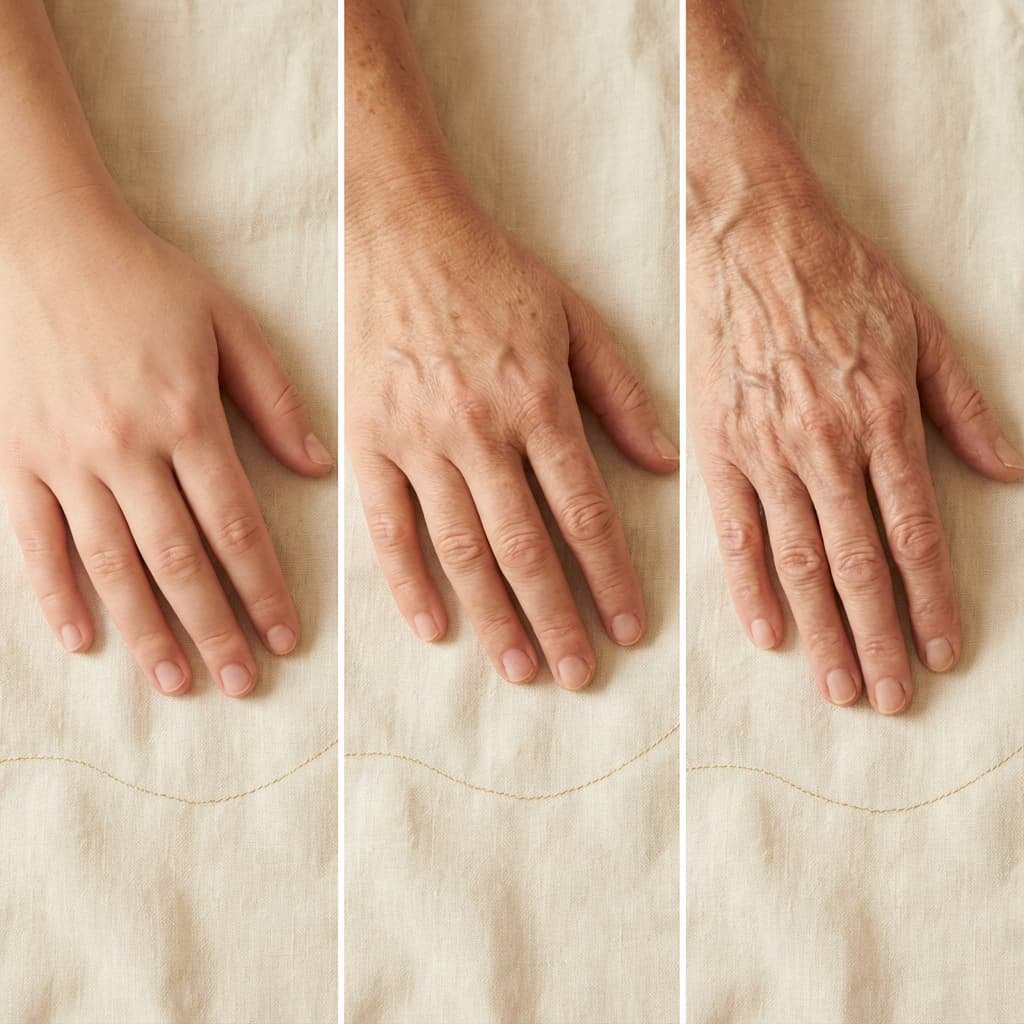
Cell turnover does not remain constant across a lifetime. In younger adult skin, the renewal cycle is usually relatively efficient, with a steady progression from deeper layers to surface shedding. Over time, the pace of this movement gradually changes.
Research suggests that, in mature skin, turnover may slow by 30–50% or more compared with younger adult skin. This does not mean skin becomes inactive; rather, its renewal rhythm becomes more measured. Changes in cellular energy, shifts in the body’s intrinsic signalling systems, and hormonal transitions all contribute to this evolution.
Visually, these changes can be observed in subtle ways. When older cells remain at the surface for longer, the way light reflects from the skin can shift, contributing to a less luminous impression. Texture may feel slightly rougher in areas, and fine lines can appear more visible as surface cells organise differently.
Pigment behaviour is also influenced. Cells that carry melanin can remain on the surface for longer when turnover slows. This extended presence can contribute to the persistence of age-related discolouration or uneven tone. At the same time, a more measured renewal rhythm can alter how moisture and protective lipids reach the surface, affecting comfort and barrier resilience.
Hormonal changes across life stages add another layer of complexity. As certain hormones decline, cellular metabolism and energy availability can change, which in turn shapes renewal pace. Rather than viewing this as a loss, it is more accurate to see it as an evolution in the skin’s priorities. The goal of skincare then becomes to thoughtfully support this changing rhythm, preserving clarity, suppleness and radiance.
Supporting Renewal Gently in Daily Ritual
A well-considered approach to cell turnover centres on two priorities: encouraging surface renewal when needed, and sustaining the barrier and hydration that allow new cells to move comfortably to the surface. The most effective rituals balance both.
Gentle physical exfoliation can be one supportive element. Soft-bristled facial brushes, finely milled botanical scrubs or textured cleansing cloths can help loosen surface cells in a controlled way. The focus is always on refinement rather than abrasion: light, periodic contact that leaves skin feeling supple, never stripped.
Chemical exfoliants offer another route. Alpha hydroxy acids, such as lactic or glycolic acid, are widely used in low, cosmetic-strength formulations to enhance surface smoothness and clarity. Beta hydroxy acids, including salicylic acid, are oil-compatible and often chosen in formulas designed for skin that experiences congestion or visible build-up around pores. Introducing such acids gradually, at appropriate concentrations and frequencies, allows skin to become familiar with them while maintaining comfort.
Retinoids sit in a different category. As vitamin A derivatives, they are among the most studied cosmetic ingredients for supporting cell renewal. Research indicates that retinoids can encourage cell production, support coordination between layers, and enhance shedding of surface cells. Because they work at multiple points in the cycle, they are often introduced patiently, starting with lower strengths or less frequent use and building tolerance over time.
None of these approaches is complete without strong attention to hydration and barrier lipids. Humectants such as glycerine and hyaluronic acid help draw and hold water within the skin’s surface, supporting the energy-intensive movement of cells through the epidermis. Ceramides and lipid-rich botanical oils echo elements of the skin’s own barrier, creating a soft occlusive veil that reduces moisture loss and allows new cells to arrive at the surface in a more supple condition.
Within this philosophy, exfoliation and nourishment are always held in balance. Hydration tends to be more visibly effective on skin where surface build-up has been gently managed, while exfoliation remains comfortable only when barrier support is present. The two operate as a pair.
Advanced Support: Enzymes and Professional Interventions
For those seeking more pronounced refinement, multi-acid formulations and specialised treatments can be used to complement a daily routine. Here, precision and restraint are essential.
Multi-acid approaches bring together different exfoliating acids in a single formulation. For example, a blend might include both alpha hydroxy acids and a beta hydroxy acid to address various surface and congestion concerns at once. When well-constructed, such blends can deliver comprehensive smoothing while including calming agents and lipids to support tolerance. The key is attentive formulation and measured introduction, always allowing time for the skin to signal how it feels.
Enzyme exfoliation provides a gentler alternative or companion to acids. Enzymes derived from fruits such as papaya (papain) and pineapple (bromelain) have been shown to selectively break down certain surface proteins, helping to loosen older cells. Their more gradual action often makes them well-suited to skin that responds better to subtle, repeated refinement than to stronger acid-based products.
Professional treatments sit at the far end of the renewal spectrum. Chemical peels, microdermabrasion and other modalities can provide intensive exfoliation with relatively immediate visible change in smoothness or clarity. The most harmonious results tend to occur when such services are integrated into an existing, supportive ritual rather than used in isolation.
After any professional intervention, recovery care becomes central. This usually includes generous barrier support with lipid-rich balms or oils, consistent hydration, and diligent sun protection while skin recalibrates its barrier function. Professional treatments, when used thoughtfully, can be seen as periodic crescendos within a longer, steady rhythm of daily care.
Listening to Skin: Adapting Renewal Strategies Over Time
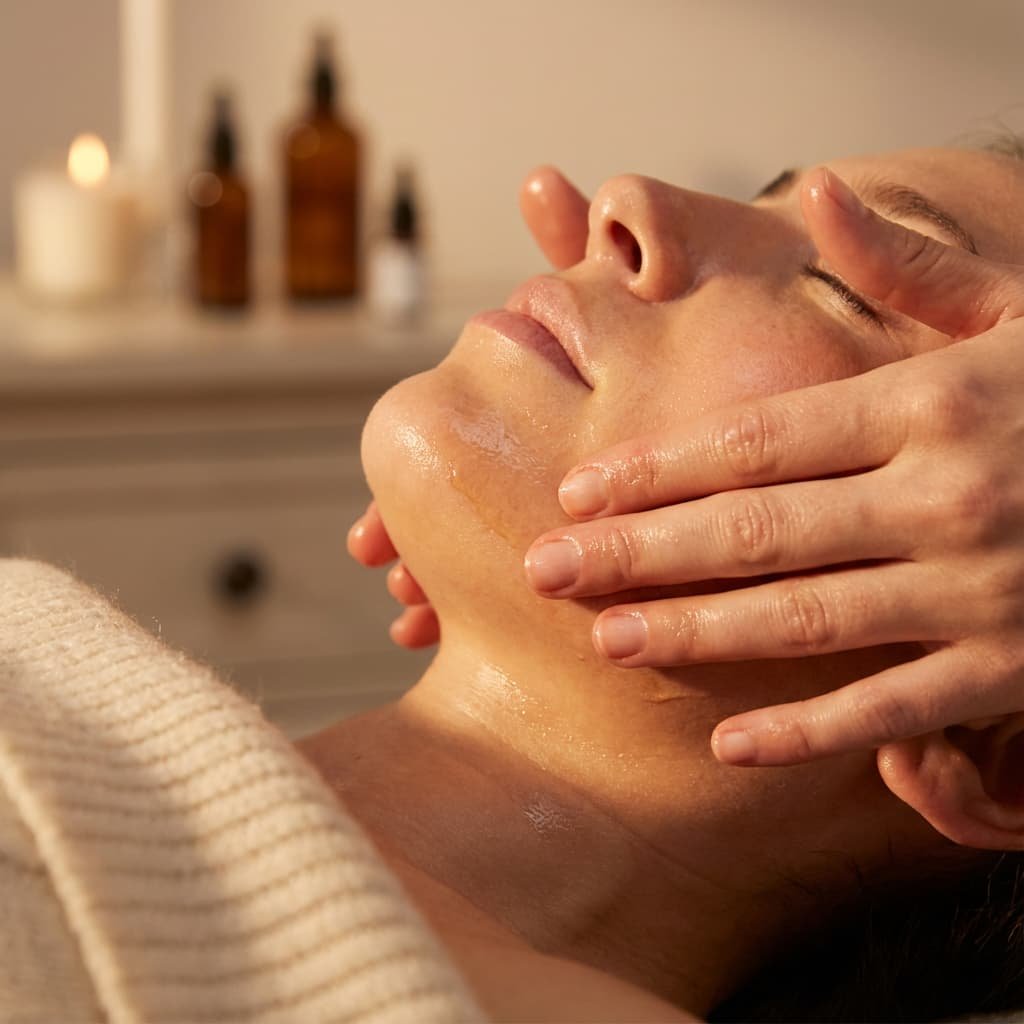
Healthy cell turnover appears in ways that are often quiet but unmistakable. Skin feels smooth to the touch yet comfortably cushioned. Light moves evenly across the surface without pronounced dull patches. Fine lines may still be present, but they sit within a surface that appears well-hydrated and settled rather than rough.
Balanced renewal also shows itself in how skin behaves over time. Improvements in clarity, texture or tone tend to build gradually over weeks and months. Skin remains resilient rather than increasingly sensitive. There is no need for constant escalation in strength; instead, the focus shifts towards consistency and small refinements.
Because every complexion is different, renewal support works best when it is adaptable. Some skins respond comfortably to more frequent exfoliation or retinoid use, while others thrive on a gentler cadence. Seasonal changes play a role too. In colder, drier months, skin may prefer softer exfoliation and more enveloping lipids. In warmer periods with higher humidity, it may tolerate slightly more active approaches.
Long-term, the most sustainable strategy is one that evolves with the skin itself. What feels harmonious in the thirties may call for adjustment in later decades as hormones, environment and lifestyle gradually shift. Periodic reassessment of exfoliant strengths, frequencies and combinations prevents plateau, preserves comfort, and maintains respect for skin’s native intelligence.
Within Ossie Naturals’ philosophy, this is where the Bio-Mimicking Principle becomes especially relevant: choosing textures and lipid profiles with a high degree of bio-affinity, so that each adjustment still feels instantly recognisable to the skin’s own architecture.
Key Takeaways
- Cell turnover is a continuous renewal rhythm that shapes skin’s texture, tone, comfort and visible radiance.
- This process is self-coordinated, with surface shedding and deeper cell formation working together to maintain barrier function.
- Turnover naturally becomes more measured with age, influencing luminosity, pigmentation patterns and moisture distribution.
- Gentle support through considered exfoliation, retinoids, hydration, antioxidants and nutrition helps maintain balanced renewal.
- The most effective strategies are adaptive: they listen to the skin’s responses, respect its changing needs, and evolve over time rather than chasing rapid change.
Conclusion: Working with, Not Against, Skin’s Intelligence
Understanding cell turnover reframes skincare from a search for instant transformation into a collaboration with skin’s own design. When the renewal rhythm is respected rather than forced, exfoliation becomes quieter, textures more thoughtful, and results steadier and more believable.
A minimalist ritual built around this principle might pair a gentle cleanser, a carefully calibrated source of renewal support, and a lipid-rich finishing oil with strong bio-affinity. Over time, this replaces a cycle of constant product experimentation with a focused practice that allows the skin’s natural intelligence to lead.
In the Ossie Naturals house in Dungarvan, Ireland, every formulation is composed with this perspective: to echo skin’s architecture, to support its rhythms, and to let radiance emerge from well-orchestrated simplicity. When cell turnover is treated as a companion rather than a problem to solve, the complexion often responds with exactly what is sought – enduring clarity, comfort and quiet luminosity.
To continue exploring skin’s natural rhythms and how to build a considered ritual around them, explore the Ossie Naturals Journal.
Support Your Skin
Our natural product collection at Ossie Naturals is formulated specifically to support your skin’s natural adaptive processes. Each product provides the building blocks your skin needs, from barrier-supporting lipids to adaptive antioxidants.
We don’t believe in dramatic seasonal routine overhauls or aggressive treatments that fight against your skin’s natural processes. Instead, our approach focuses on gentle, consistent support that works with your skin’s intelligence rather than against it.
Join our private community on Facebook or join our Newsletter for access to seasonal transition guides, ingredient education, and products specifically formulated to support your skin through changes because your skin’s adaptive intelligence deserves support, not interference.
Performance‑led, nutrient‑rich compositions
Our House Collection
Calendula Balm - Original™
Restorative and Calming Concentrate
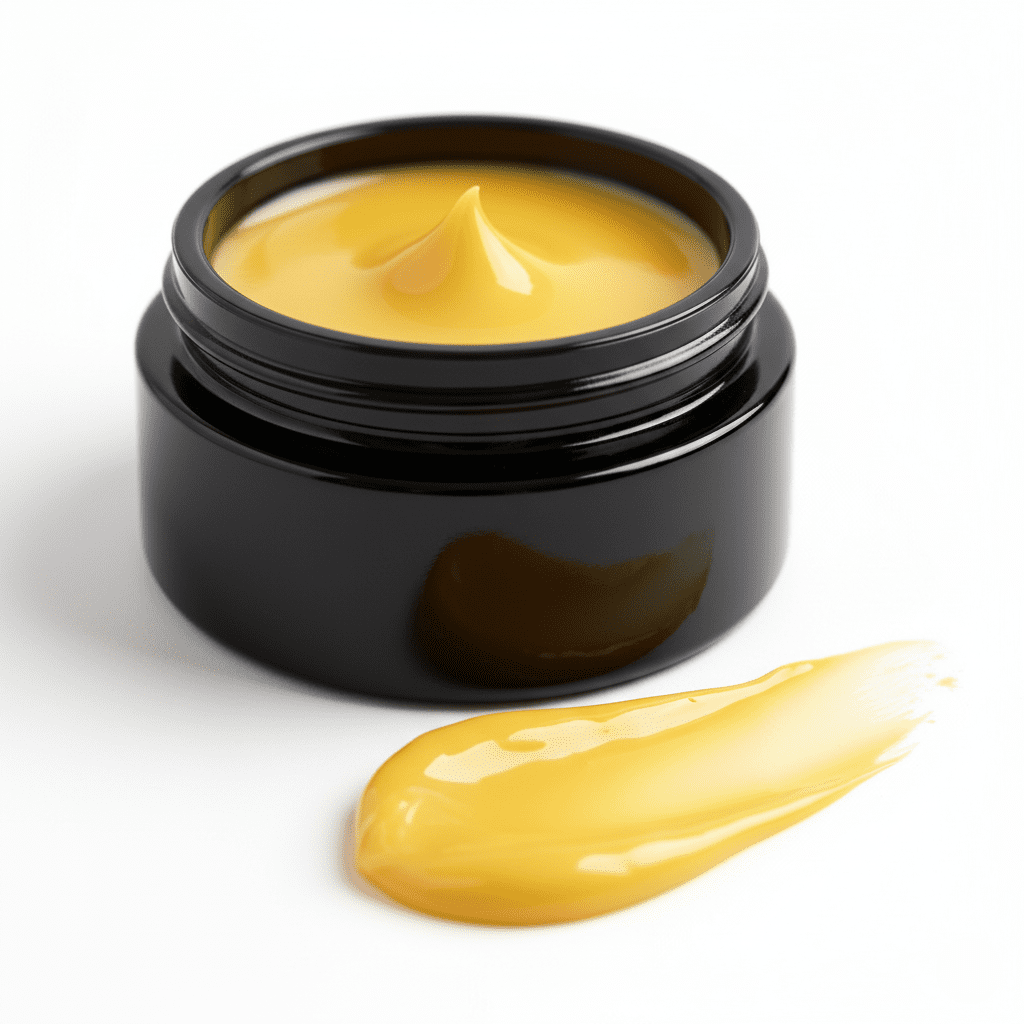
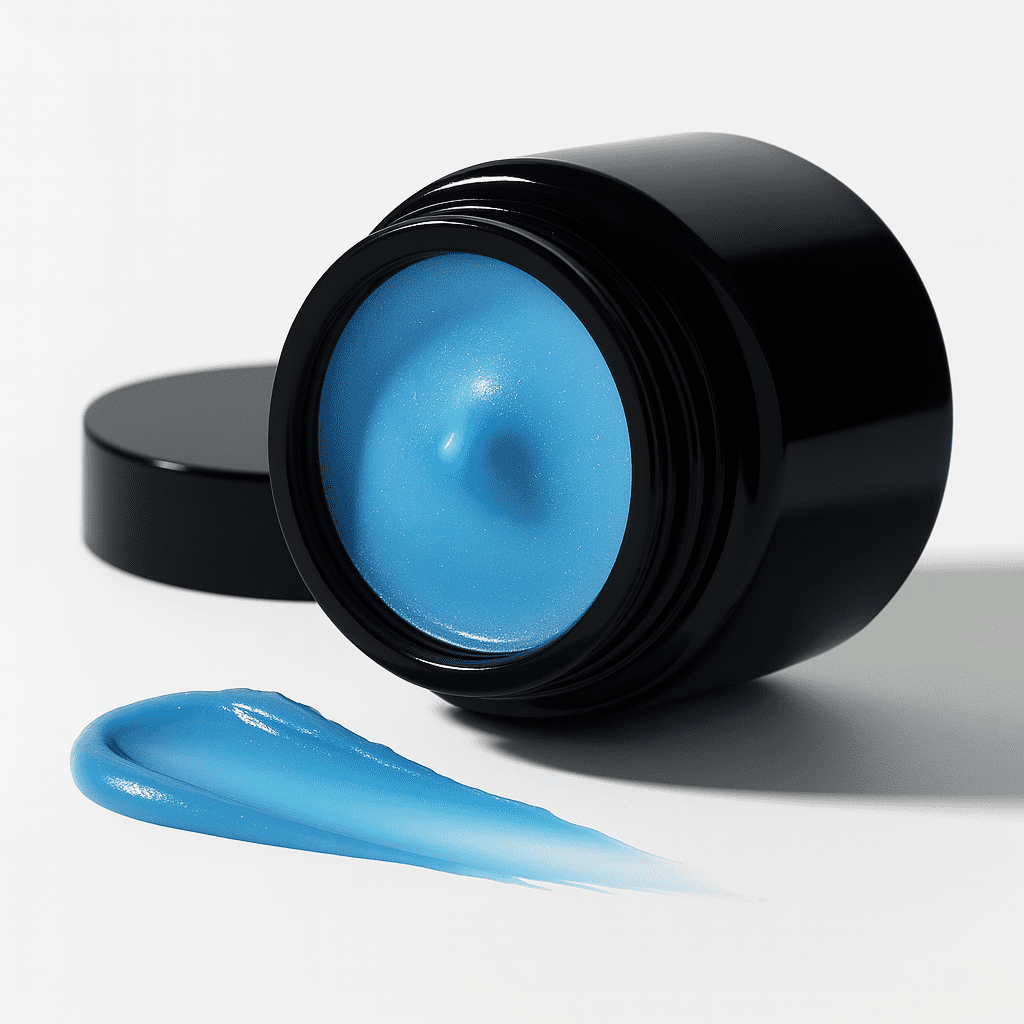
Azure Tansy
Balm™
Intensive Repair and Protection Complex
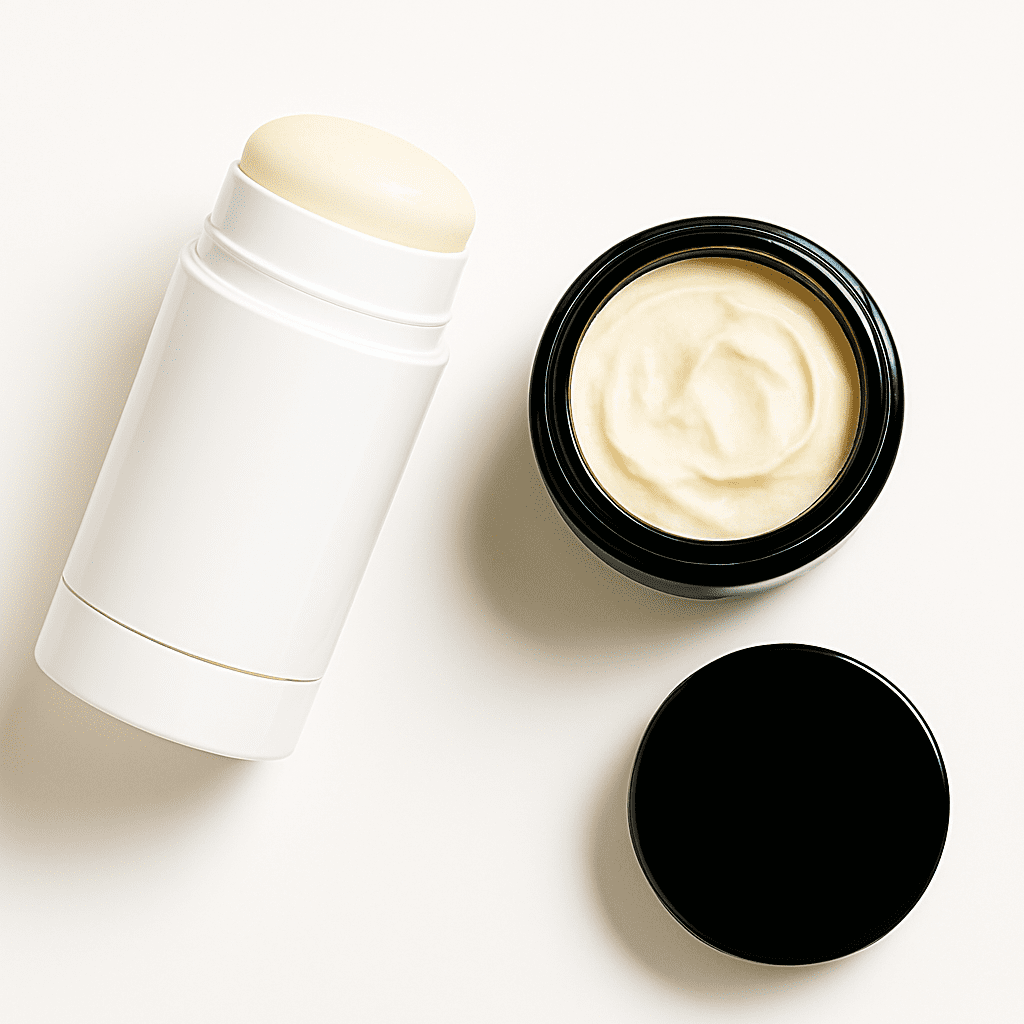
TerraPure - Original Deodorant
Powerful protection, naturally
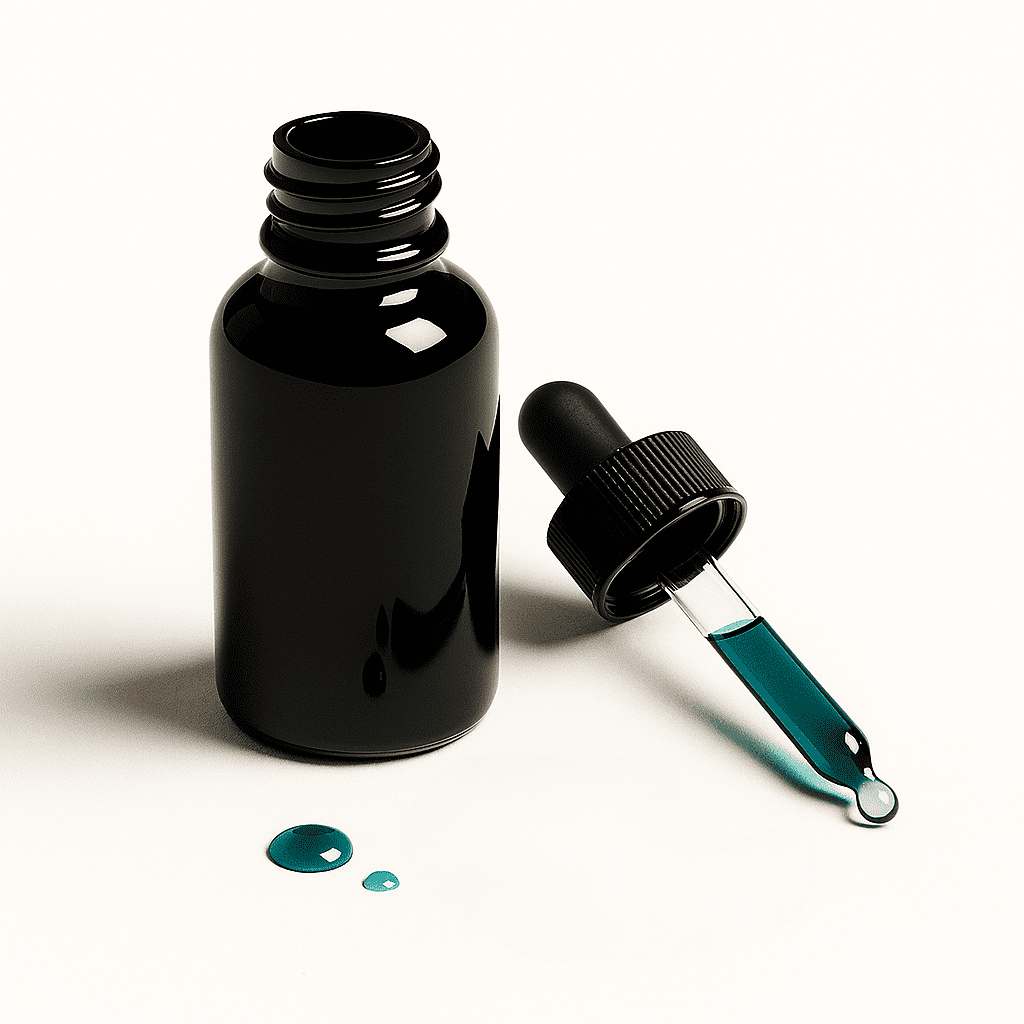
Restorative Phyto‑Serum Oil™
Renewal and Balance. Visible transformation in every drop
We empower your skin to thrive.
Sign Up Newsletter
Ready to invest in your skin’s future with the finest natural ingredients? Explore our collections or join our community for expert tips and exclusive access.
We value your trust when sharing your personal data with us. We always treat your data in a fair and respectful manner, limited to the purpose mentioned above. If you would like to know more about how we handle your data, please read our Privacy Policy.