Environmental Stressors and Your Skin: Understanding the Hidden Influences on Skin Ageing (And Protective Strategies)
Go beyond your daily routine. Learn to build a proactive environmental defence against the hidden stressors (UV, pollution, blue light) that age your skin.

Understanding the Hidden Influences on Skin Ageing

Why does skin show signs of ageing despite careful routines and ‘potent’ actives? If you cleanse, moisturise, and use SPF religiously—what’s still missing from your protective strategy?
The answer lies beyond your bathroom cabinet. Environmental stressors work in concert, creating a cascade of oxidative activity that can overwhelm even the most diligent skincare ritual. Unlike single factors that operate in isolation, these invisible influences combine to create effects more pronounced than any individual stressor alone.
Understanding this synergy transforms skincare from reactive correction to proactive environmental defence—a shift that may help preserve your skin’s natural resilience for years to come.
Modern life exposes skin to an unprecedented combination of environmental challenges. From UV radiation that penetrates glass to particulate matter that settles on skin surfaces, from blue light exposure during extended screen time to the dehydrating effects of climate-controlled environments—these factors create a complex web of oxidative stress. The skin’s natural antioxidant systems, whilst remarkably sophisticated, can become depleted under sustained exposure, leaving visible signs of environmental stress to accumulate over time.
The Invisible Influence: How Environment Affects Skin
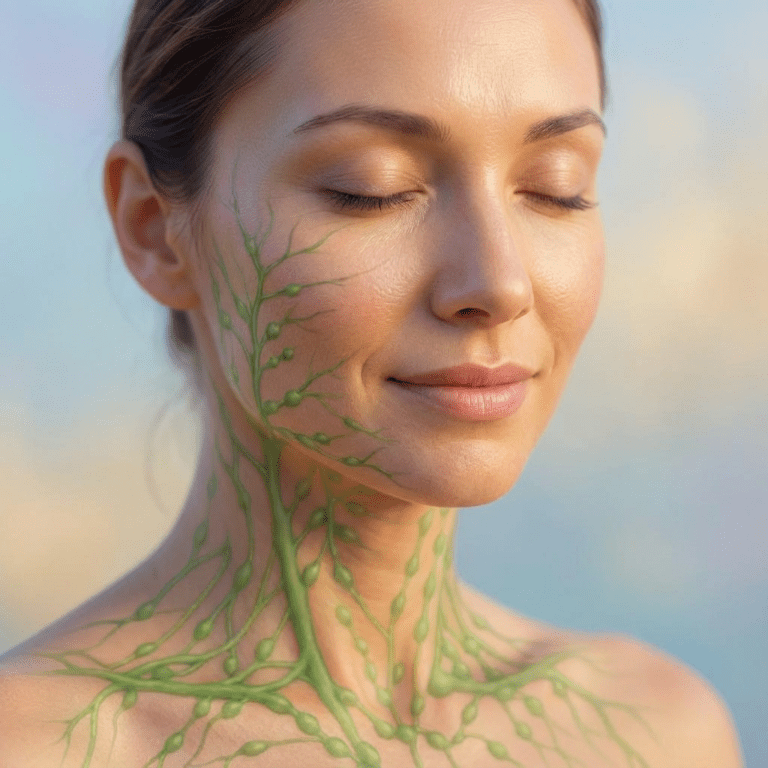
Environmental stressors initiate a cascade of free radical formation that may contribute to visible signs of ageing over time. When skin encounters UV radiation, pollution particles, or other oxidative challenges, it triggers the production of reactive oxygen species (ROS)—unstable molecules that can interact with cellular structures and contribute to the breakdown of collagen and elastin networks.
The skin’s natural antioxidant defence system includes enzymes like superoxide dismutase and catalase, alongside vitamins C and E stored within skin tissues. Under normal circumstances, these protective mechanisms help neutralise free radicals as they form. However, sustained environmental exposure can deplete these natural reserves faster than the skin can replenish them.
This depletion helps explain why prevention proves more valuable than later correction. Once oxidative damage accumulates in skin structures, the visible effects—fine lines, uneven texture, loss of firmness—become progressively more challenging to address. Supporting the skin’s antioxidant capacity before depletion occurs offers a more effective approach than attempting to reverse accumulated damage.
The process operates continuously rather than in isolated incidents. Each day’s environmental exposure adds to the cumulative oxidative burden, making consistent protective strategies essential for maintaining skin’s natural resilience over time.
Outdoor Environmental Influences
UV radiation remains the most significant environmental stressor affecting skin health. UVA rays penetrate glass windows and reach deeper skin layers, where they may contribute to oxidative activity that continues even after sun exposure ends. This ongoing process helps explain why antioxidant protection complements rather than replaces sunscreen—addressing the oxidative cascade that UV exposure initiates.
Air pollution introduces particulate matter that settles on skin surfaces, creating a barrier that can interfere with normal cellular function. Studies suggest that UV radiation combined with pollution exposure creates more pronounced visible effects than either factor alone. The particles themselves may generate free radicals when exposed to sunlight, amplifying the oxidative burden on skin.
Industrial and traffic emissions contribute to this cumulative environmental stress through regular low-level exposure. Even in areas without obvious pollution, the combination of vehicle exhaust, industrial output, and atmospheric ozone creates an oxidative environment that challenges the skin’s natural protective capacity. The effects accumulate gradually, making them difficult to notice until significant changes become visible.
Seasonal variations in outdoor air quality, humidity levels, and UV intensity create fluctuating environmental pressures that require adaptive protection strategies. What proves adequate in winter may fall short during summer months when multiple stressors intensify simultaneously.
Indoor Environmental Influences
Climate-controlled environments create their own set of challenges for skin health. HVAC (Heating, Ventilation and Air-Conditioning) systems reduce humidity levels whilst circulating air that may contain indoor pollutants, contributing to barrier dehydration and compromised comfort. The combination of low humidity and constant air circulation can disrupt the skin’s natural moisture retention mechanisms.
Exposure from digital devices represents an emerging area of environmental stress research. Whilst the science continues to develop, prolonged close-range exposure to blue light may contribute to oxidative activity in skin cells. The concern centres not on brief exposure but on the cumulative effect of extended screen time that characterises modern work and leisure patterns.
Household environmental factors, including indoor air quality, chemical emissions from furnishings and cleaning products, and the effects of tightly sealed living spaces, all contribute to the indoor oxidative burden. Unlike outdoor pollution that varies with weather and location, indoor environmental stressors remain relatively constant, creating sustained low-level exposure that may challenge the skin’s adaptive capacity.
The proximity factor intensifies the effects of indoor environmental factors. Whilst outdoor pollution disperses across distance, indoor stressors concentrate in enclosed spaces where we spend the majority of our time, making mindful environmental choices particularly relevant for skin health.
When Influences Combine: Additive & Synergistic Effects
Environmental stressors rarely operate in isolation. When multiple factors occur simultaneously—such as UV exposure combined with pollution during outdoor activities—the resulting oxidative stress can exceed the sum of individual effects. This synergistic interaction helps explain why comprehensive protection strategies prove more effective than addressing single environmental factors.
Timing plays a crucial role in how environmental stressors affect skin. Simultaneous exposure to multiple factors can overwhelm the skin’s natural antioxidant systems more readily than sequential exposure, where recovery time allows partial replenishment of protective reserves. Morning commutes that combine UV exposure, pollution, and stress exemplify this multiplicative effect.
The skin’s natural antioxidant networks operate with finite capacity. Under normal circumstances, these systems maintain balance through continuous regeneration and repair. However, when environmental exposure exceeds the skin’s ability to neutralise free radicals as they form, oxidative stress accumulates, and visible changes may become apparent over time.
This understanding highlights the value of external antioxidant support. Topical antioxidants can provide targeted protection precisely when and where environmental exposure occurs, complementing rather than replacing the skin’s natural defence mechanisms. The goal involves supporting optimal function rather than compensating for deficiency.
Antioxidant Support: Your Skin's Natural Allies
The skin’s antioxidant network operates through interconnected pathways that regenerate and support each other under optimal conditions. Vitamin C helps regenerate vitamin E, whilst vitamin E protects cell membranes from lipid peroxidation. Glutathione serves as a master antioxidant, recycling other protective molecules and maintaining cellular redox balance.
Under ongoing environmental exposure, this elegant system can become strained. The continuous demand for antioxidant activity may exceed the rate at which protective molecules can be synthesised and transported to where they’re needed most. This creates an opportunity for topical antioxidant support to provide targeted, timely assistance.
Topical antioxidants offer several advantages over dietary approaches alone. They deliver concentrated protection directly to skin surfaces where environmental exposure occurs, bypass digestive absorption limitations, and provide immediate availability when oxidative challenges arise. The most effective formulations combine multiple antioxidants that work through complementary pathways.
The support cycle operates continuously. Morning antioxidant application helps protect against daytime environmental exposure, whilst evening formulations support overnight repair and regeneration processes. This rhythmic approach aligns with the skin’s natural circadian patterns and optimises protective benefits.
Building Your Protection Strategy (Topical + Lifestyle)
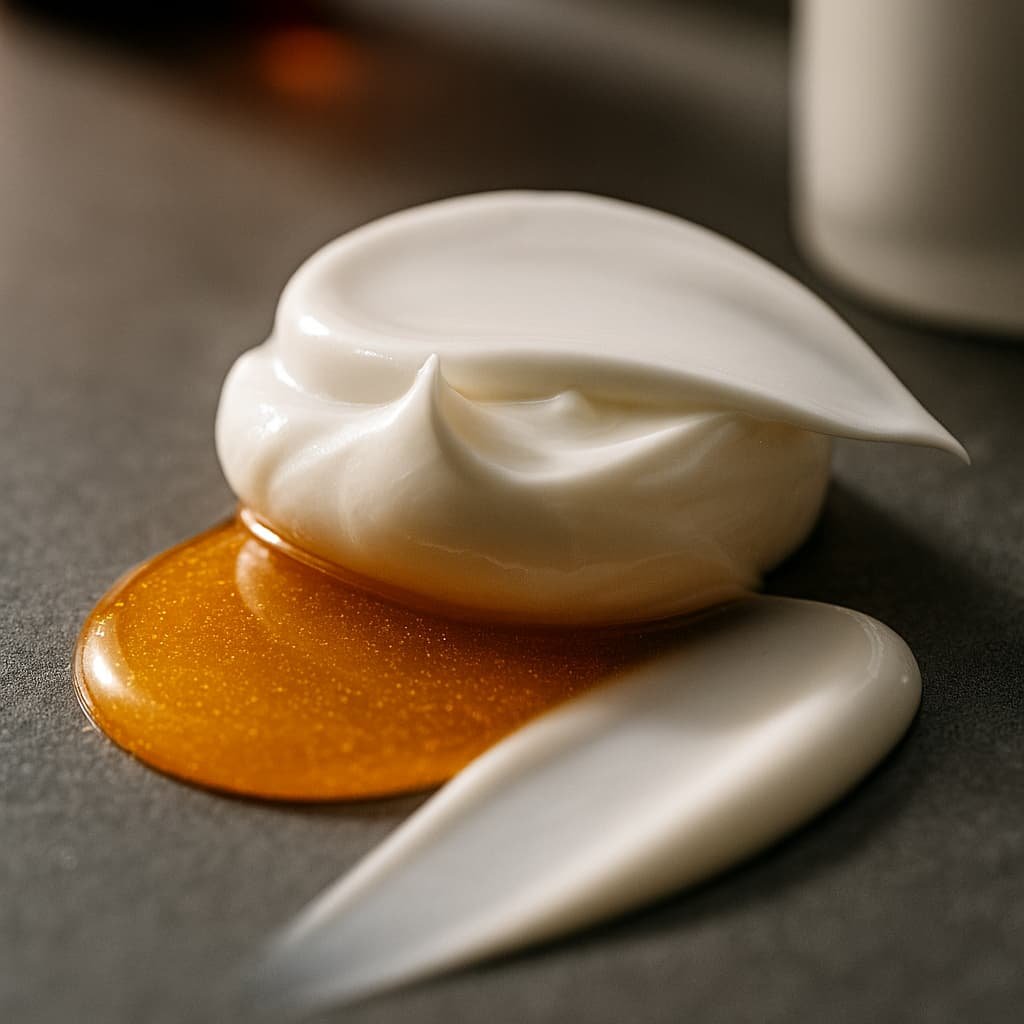
Vitamin C forms the foundation of environmental protection strategies due to its ability to neutralise free radicals, support collagen synthesis, and regenerate other antioxidants. The form matters significantly—L-ascorbic acid provides the most direct vitamin C activity, whilst appropriate formulation and pH ensure stability and skin compatibility.
Synergistic combinations amplify protective benefits beyond what individual antioxidants achieve alone. Vitamin C combined with vitamin E and ferulic acid creates a stable, potent protective network that research suggests may provide enhanced environmental defence. Plant polyphenols offer complementary pathways, addressing different types of oxidative stress through varied mechanisms.
Application approach influences effectiveness significantly. Morning protection focuses on creating an antioxidant shield before environmental exposure occurs, whilst evening nourishment supports repair processes and prepares skin for the following day’s challenges. Layering logic ensures compatibility between products and optimises absorption.
Lifestyle integration extends protection beyond topical applications. Indoor air quality improvements, humidity control, dietary antioxidants, essential fatty acids, and stress management all contribute to the skin’s overall resilience. Sleep quality and gentle movement support natural repair processes that complement topical protection strategies.
Observing Protection Benefits
Effective environmental protection often manifests through subtle improvements in skin texture, radiance, and the appearance of fine lines over time. Rather than a dramatic transformation, consistent natural protection helps maintain the skin’s natural resilience and may slow the accumulation of visible environmental stress.
The absence of new visible changes frequently indicates successful protection. When environmental stressors no longer create noticeable effects, the protective strategy proves adequate for current exposure levels. This preventive success, whilst less obvious than corrective improvements, represents the most valuable outcome of environmental defence.
Seasonal patterns reveal protection effectiveness as environmental stressors fluctuate throughout the year. Skin that maintains consistent comfort and appearance despite changing weather, pollution levels, and UV intensity demonstrates robust environmental resilience. Adjustments to protection intensity can align with seasonal variations in environmental stress.
Professional guidance through skin consultations and barrier assessments provides an objective evaluation of protection strategies. Trained aestheticians can identify subtle changes that indicate environmental stress before they become visibly apparent, allowing for proactive adjustments to protective routines.
Long-term observation through consistent photography and comparing protected versus exposed areas offers the most reliable assessment of environmental protection benefits. Areas that receive consistent antioxidant support often maintain better texture, tone, and firmness compared to neglected regions, demonstrating the cumulative value of comprehensive environmental defence.
Key Takeaways
- Environmental stressors work synergistically, creating effects more pronounced than individual factors alone
- The skin’s natural antioxidant systems can become depleted under sustained environmental exposure
- Prevention through consistent antioxidant support proves more effective than attempting to reverse accumulated damage
- Comprehensive protection combines topical antioxidants with lifestyle factors that support skin resilience
- Effective environmental defence manifests through maintained skin quality rather than dramatic transformation
Conclusion
Environmental protection represents an investment in your skin’s future resilience. When antioxidant support aligns with natural defence mechanisms, skin responds with improved comfort, maintained texture, and sustained radiance despite ongoing environmental challenges. This protective approach acknowledges that modern life presents unprecedented oxidative stress whilst providing practical strategies to maintain skin health over time.
The most effective environmental defence combines scientific understanding with consistent application. By recognising how multiple stressors interact and supporting the skin’s natural protective capacity, you create conditions for long-term skin wellness that extends far beyond any single product or routine.
Your skin instinctively recognises and responds to thoughtful, comprehensive protection—a welcome return to balance in an increasingly challenging environmental landscape.
Explore further guidance in our Journal, where we delve deeper into the science of environmental protection and the botanical allies that support skin resilience.
Which environmental influences challenge your routine most—outdoor pollution, indoor air quality, or extended screen exposure?
Support Your Skin
Our natural product collection at Ossie Naturals is formulated specifically to support your skin’s natural adaptive processes. Each product provides the building blocks your skin needs, from barrier-supporting lipids to adaptive antioxidants.
We don’t believe in dramatic seasonal routine overhauls or aggressive treatments that fight against your skin’s natural processes. Instead, our approach focuses on gentle, consistent support that works with your skin’s intelligence rather than against it.
Join our private community on Facebook or join our Newsletter for access to seasonal transition guides, ingredient education, and products specifically formulated to support your skin through changes because your skin’s adaptive intelligence deserves support, not interference.
Performance‑led, nutrient‑rich compositions
Our House Collection
Calendula Balm - Original™
Restorative and Calming Concentrate
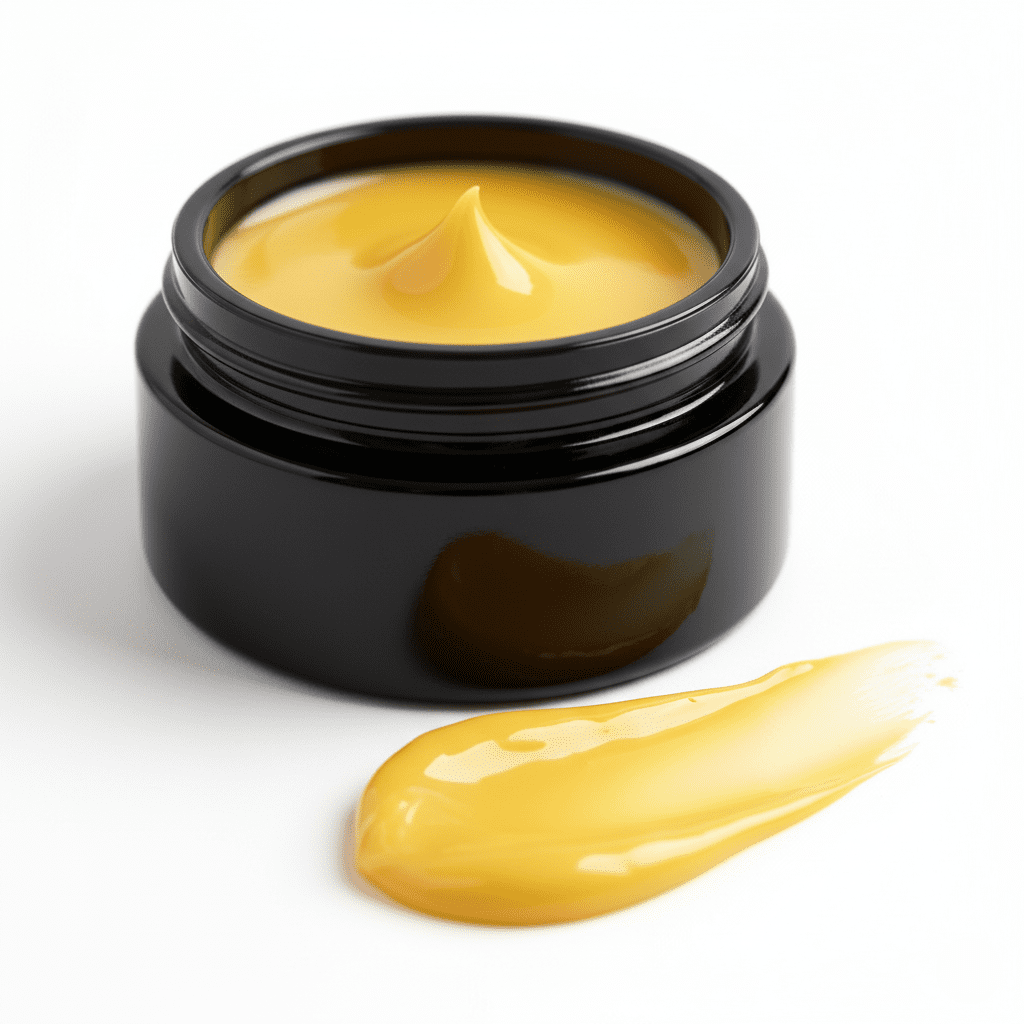
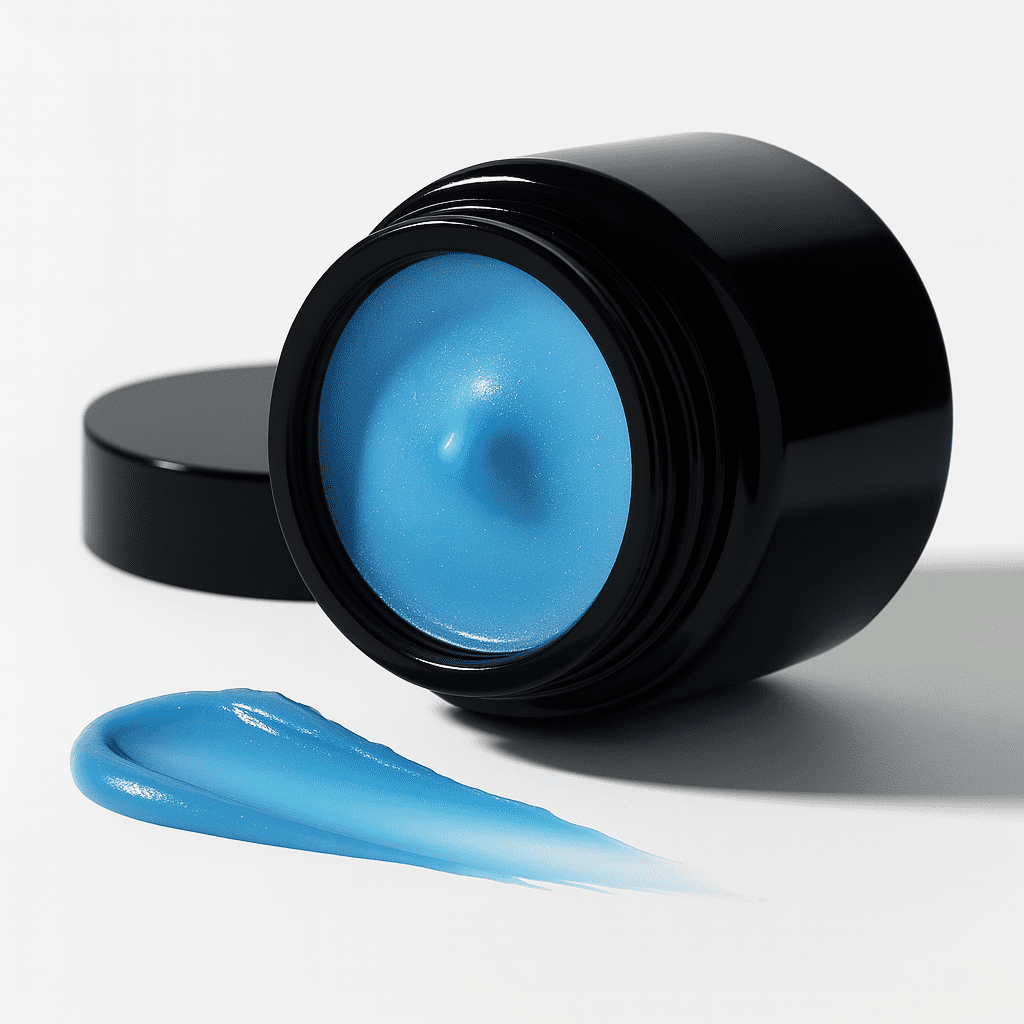
Azure Tansy
Balm™
Intensive Repair and Protection Complex
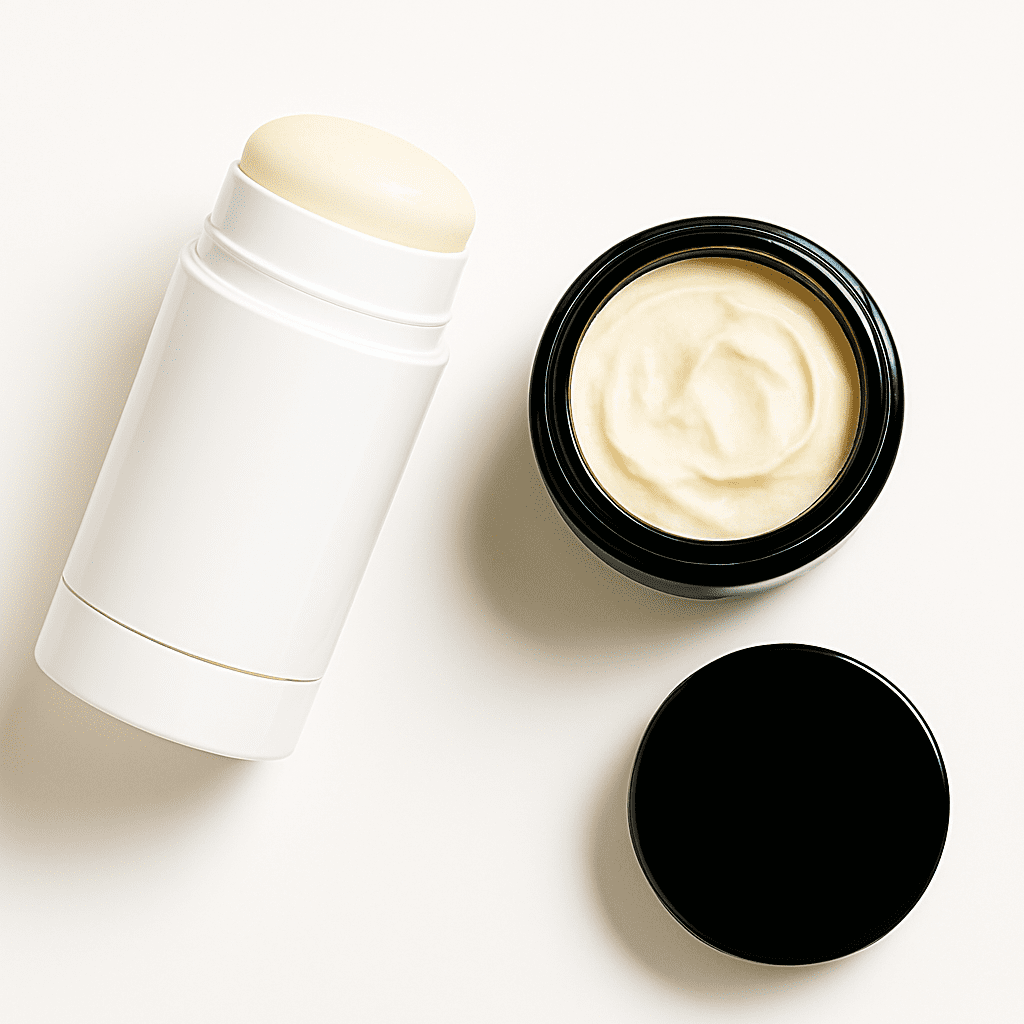
TerraPure - Original Deodorant
Powerful protection, naturally
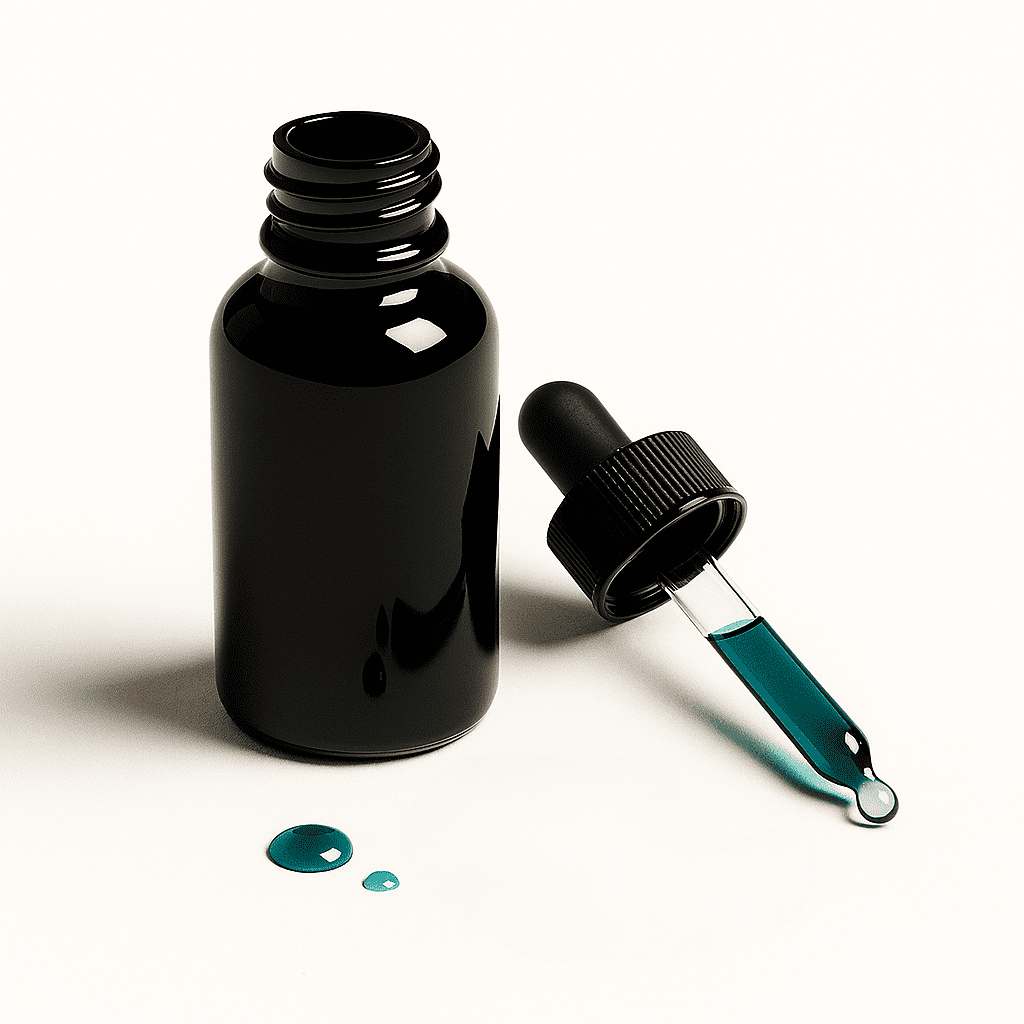
Restorative Phyto‑Serum Oil™
Renewal and Balance. Visible transformation in every drop
We empower your skin to thrive.
Sign Up Newsletter
Ready to invest in your skin’s future with the finest natural ingredients? Explore our collections or join our community for expert tips and exclusive access.
We value your trust when sharing your personal data with us. We always treat your data in a fair and respectful manner, limited to the purpose mentioned above. If you would like to know more about how we handle your data, please read our Privacy Policy.