Investment Skincare: Why Quality Natural Products Save You Money Long-Term
Quality natural skincare works with your skin's inherent repair & maintenance systems, creating cumulative benefits that compound over time, making healthy skin

Invest In Your Skin
The skincare industry has conditioned consumers to believe that effective skincare requires constant product rotation, frequent repurchasing, and layering multiple products to achieve desired results. However, this approach often leads to a cycle of dependency, skin sensitisation, and escalating costs that deliver diminishing returns on your investment. Understanding the true economics of skincare reveals why investing in quality natural products creates superior long-term value through reduced product dependency, improved skin health, and sustainable results that eliminate the need for constant product switching.
Quality natural skincare operates on fundamentally different principles than conventional products designed for frequent repurchasing and maximum consumption. Natural formulations work with your skin’s inherent repair and maintenance systems rather than creating dependency through synthetic ingredients that provide temporary improvements whilst compromising long-term skin health. This approach transforms skincare from an ongoing expense into a genuine investment that pays dividends through improved skin function, reduced sensitivity, and decreased need for corrective treatments.
The shift from consumption-based to investment-based skincare thinking requires understanding how quality natural ingredients create cumulative benefits that compound over time, unlike synthetic alternatives that often provide immediate but unsustainable results. This knowledge empowers you to make informed purchasing decisions that prioritise long-term skin health and financial efficiency over short-term gratification and marketing-driven product proliferation.
The Hidden Costs Of Cheap Skincare: Why "Affordable" Products Are Expensive
The Dependency Cycle: How Low-Quality Products Create Ongoing Expenses
Conventional skincare products often contain ingredients designed to create immediate visible improvements whilst simultaneously compromising your skin’s natural barrier function and self-repair capabilities. This approach generates a dependency cycle where your skin requires increasingly intensive products to maintain appearance, leading to escalating costs and diminishing returns on your skincare investment.
Harsh cleansers strip natural protective oils, creating the need for heavier moisturisers. Aggressive exfoliants damage the skin barrier, requiring repair serums and protective treatments. Synthetic fragrances and preservatives cause sensitisation that demands gentle, specialised products to manage reactive skin. Each product “solution” creates new problems that require additional products, transforming skincare from a simple maintenance routine into an expensive, complex regimen.
The cumulative cost of this dependency cycle extends far beyond product purchases. Compromised skin barrier function increases susceptibility to environmental damage, premature ageing, and inflammatory conditions that may require professional treatments, prescription medications, or dermatological interventions. These secondary costs often exceed the original skincare investment whilst failing to address the underlying barrier dysfunction that created the problems.
Product Proliferation: The Multi-Step Marketing Trap
The beauty industry promotes complex multi-step routines that require numerous products for basic skin maintenance, creating artificial needs that generate maximum revenue through product multiplication. This approach convinces consumers that effective skincare requires separate products for cleansing, toning, treating, moisturising, protecting, and correcting, each targeting specific concerns through isolated ingredient approaches.
However, quality natural formulations often combine multiple functions within single products, eliminating the need for extensive product collections. A well-formulated natural cleanser can remove impurities whilst maintaining barrier function, reducing the need for separate toners or pH-balancing products. A comprehensive natural moisturiser can provide hydration, antioxidant protection, and gentle active ingredients, replacing multiple serums and treatments.
The financial impact of product proliferation extends beyond initial purchases to include storage costs, product waste from unused or expired items, and the mental burden of managing complex routines that often lead to inconsistent application and reduced effectiveness. Simplified routines using quality natural products typically deliver superior results at lower total cost whilst reducing decision fatigue and routine complexity.
Replacement Frequency: The True Cost of Synthetic Effectiveness
Synthetic skincare ingredients often provide rapid initial results that diminish over time as your skin adapts to their effects, requiring product switching or concentration increases to maintain benefits. This pattern creates ongoing replacement costs and prevents the development of sustainable skincare routines that provide consistent long-term results.
Retinoids may initially improve skin texture but often require strength increases and additional products to manage irritation and sensitivity. Chemical exfoliants can provide immediate smoothing effects but may lead to over-exfoliation that demands gentle recovery products and routine modifications. Synthetic actives frequently create tolerance that necessitates product cycling or combination approaches that multiply costs and complexity.
Natural ingredients, in contrast, often provide cumulative benefits that improve over time as your skin’s natural functions strengthen and optimise. Plant-based antioxidants support ongoing cellular repair without creating tolerance. Natural oils and botanical extracts enhance barrier function progressively, reducing the need for intensive treatments. This sustainability eliminates the costs associated with constant product experimentation and replacement cycles.
The Economics Of Quality: Understanding Natural Skincare Value
Concentration Efficiency: Getting More from Less
Quality natural skincare products typically contain higher concentrations of active ingredients compared to conventional alternatives that rely on water, fillers, and synthetic bulking agents to create volume. This concentration efficiency means smaller amounts of product deliver equivalent or superior results, extending usage periods and reducing per-application costs despite higher upfront investment.
A premium natural facial oil might contain 95% active botanical ingredients, whilst a conventional moisturiser might contain 60-70% water and fillers with minimal active compounds. The natural oil requires only 2-3 drops per application compared to a full pump or more of conventional moisturiser, creating superior cost-per-use ratios despite higher initial purchase prices.
Natural ingredients also tend to have broader spectrum benefits that address multiple skin concerns simultaneously, eliminating the need for targeted treatments that address isolated issues. Rosehip oil provides vitamin C, essential fatty acids, and natural retinoids in a single ingredient, replacing separate vitamin C serums, moisturisers, and anti-ageing treatments whilst delivering superior bioavailability and skin compatibility.
Longevity Benefits: How Natural Ingredients Extend Product Life
Natural skincare products often maintain potency and effectiveness longer than synthetic alternatives due to the inherent stability of botanical compounds and the absence of synthetic ingredients that may degrade or become less effective over time. Natural preservative systems, whilst requiring more careful storage, often maintain product integrity without the harsh chemicals that can compromise skin barrier function.
Quality natural products also tend to require less frequent application as your skin health improves and natural barrier function strengthens. Initial usage might mirror conventional product application rates, but many users find they can reduce application frequency as their skin becomes healthier and more resilient, extending product life and reducing replacement needs.
The shelf stability of natural ingredients, when properly formulated and stored, often exceeds synthetic alternatives that may separate, change texture, or lose effectiveness due to chemical interactions between synthetic compounds. This stability reduces waste from expired or degraded products and ensures consistent results throughout the product lifecycle.
Preventive Value: Avoiding Future Skin Problems
Investment in quality natural skincare provides preventive value that reduces future costs associated with skin damage, premature ageing, and inflammatory conditions that require corrective treatments. Natural antioxidants, essential fatty acids, and botanical compounds support ongoing skin health rather than merely addressing existing problems, creating compound benefits that appreciate over time.
The preventive approach reduces the likelihood of developing expensive skin conditions that require professional treatments, prescription medications, or invasive procedures. Supporting natural skin barrier function prevents sensitivity reactions, reduces environmental damage susceptibility, and maintains healthy cellular turnover that minimises age-related changes requiring corrective interventions.
This preventive value extends to reduced makeup needs as skin health improves, decreased concealer and foundation requirements as skin tone evens naturally, and reduced need for special occasion treatments as daily skin maintenance creates a consistently healthy appearance. These secondary savings often exceed the initial investment in quality natural products whilst providing superior aesthetic and health outcomes.
Ingredient Quality: Why Source and Processing Matter for Value
Bioavailability Advantages: Natural vs. Synthetic Absorption
Natural ingredients typically offer superior bioavailability compared to synthetic alternatives because their molecular structures align with your skin’s natural recognition and absorption systems. This enhanced absorption means lower concentrations of natural ingredients can achieve equivalent or superior results compared to higher concentrations of synthetic alternatives, creating better cost-effectiveness despite potentially higher ingredient costs.
Plant-derived vitamin C in forms like kakadu plum or acerola cherry provides natural co-factors and supporting compounds that enhance absorption and effectiveness compared to isolated ascorbic acid. Natural vitamin E from wheat germ or sunflower seeds includes mixed tocopherols that provide broader antioxidant protection than synthetic alpha-tocopherol alone. These natural complexes deliver superior results at lower concentrations, extending product life and improving value ratios.
The synergistic effects of natural ingredient complexes also create enhanced effectiveness that eliminates the need for multiple isolated ingredients. A botanical extract might contain dozens of beneficial compounds that work together to provide comprehensive skin benefits, replacing several single-ingredient products whilst delivering superior results through natural synergy.
Processing Integrity: How Extraction Methods Affect Value
The processing methods used to extract and prepare natural ingredients significantly impact their therapeutic value and cost-effectiveness. Cold-pressed oils retain heat-sensitive compounds that provide superior skin benefits compared to heat-extracted alternatives. CO2 extraction preserves delicate botanical compounds that might be destroyed by solvent extraction methods.
These processing differences affect not only ingredient quality but also product effectiveness and longevity. High-quality extraction methods produce more stable, potent ingredients that maintain effectiveness longer and require smaller usage amounts to achieve desired results. The initial higher cost of superior processing methods translates into better value through enhanced effectiveness and extended product life.
Understanding processing quality helps explain price differences between natural products and guides investment decisions toward products that provide genuine value rather than merely natural ingredient claims. Products using premium extraction methods and processing techniques typically deliver superior results that justify higher costs through improved effectiveness and reduced usage requirements.
Sourcing Standards: Organic and Sustainable Value Propositions
Organic and sustainably sourced natural ingredients often provide superior therapeutic value compared to conventionally produced alternatives, whilst supporting environmental and social sustainability that creates long-term value beyond immediate skin benefits. Organic growing practices typically produce plants with higher concentrations of beneficial compounds due to natural stress responses that increase antioxidant and therapeutic compound production.
Sustainable sourcing practices ensure ingredient quality consistency and supply chain reliability that maintains product effectiveness over time. Fair trade and ethical sourcing practices support producer communities that maintain traditional cultivation and processing methods that often produce superior ingredient quality compared to industrial production systems.
The premium costs associated with organic and sustainable sourcing translate into superior ingredient quality, enhanced effectiveness, and ethical value that many consumers find worthwhile. These sourcing standards also tend to correlate with overall product quality and company values that prioritise effectiveness and customer satisfaction over profit maximisation through cost-cutting measures.
Long-Term Skin Health: The Compound Benefits of Natural Investment
Barrier Function Improvement: Building Resilient Skin
Quality natural skincare ingredients work to strengthen and restore your skin’s natural barrier function rather than temporarily masking problems or creating dependency through synthetic alternatives. This barrier improvement creates compound benefits that reduce sensitivity, improve moisture retention, and enhance natural protection against environmental stressors, eliminating the need for multiple corrective products.
Essential fatty acids from plant oils help rebuild lipid barrier structures that maintain hydration and protect against irritants. Natural ceramides and cholesterol compounds support barrier repair and maintenance. Botanical antioxidants protect against oxidative damage that compromises barrier integrity. These natural barrier-supporting ingredients create cumulative improvements that reduce skincare needs over time.
As barrier function improves, skin becomes more resilient and less reactive to environmental stressors, reducing the need for protective and corrective products. Natural moisture retention improves, reducing dependency on heavy moisturisers. Sensitivity decreases, eliminating the need for specialised reactive skin products. These improvements create ongoing cost savings whilst delivering superior skin health and appearance.
Cellular Repair Enhancement: Supporting Natural Regeneration
Natural skincare ingredients often support your skin’s inherent cellular repair and regeneration processes rather than forcing artificial changes through synthetic compounds. This approach creates sustainable improvements that continue even when product use is reduced or discontinued, unlike synthetic alternatives that often require continuous use to maintain benefits.
Plant-based antioxidants support natural cellular repair mechanisms that continue working beyond product application. Natural vitamin A compounds from botanical sources support healthy cellular turnover without the irritation and dependency associated with synthetic retinoids. Botanical growth factors and peptides enhance natural collagen production and cellular communication systems.
This support for natural processes creates compound benefits that improve over time, reducing the need for intensive treatments and corrective procedures. Skin that functions optimally requires less intervention and maintenance, creating long-term cost savings whilst delivering superior health and aesthetic outcomes. The investment in supporting natural processes pays dividends through reduced future skincare needs and enhanced overall skin resilience.
Microbiome Balance: Supporting Skin Ecosystem Health
Quality natural skincare products support healthy skin microbiome balance rather than disrupting beneficial bacterial populations through harsh preservatives and synthetic ingredients. This microbiome support creates long-term skin health benefits that reduce susceptibility to inflammatory conditions, infections, and sensitivity reactions that require expensive treatments.
Natural preservation systems using botanical antimicrobials tend to be more selective than synthetic preservatives, maintaining beneficial bacterial populations whilst controlling harmful microorganisms. Prebiotic ingredients from plant sources support beneficial bacteria growth and activity. Natural pH-balancing ingredients help maintain optimal skin acidity levels that support healthy microbiome function.
Healthy microbiome balance reduces the likelihood of developing skin conditions that require professional treatment, prescription medications, or specialised skincare products. Balanced skin microbiomes also support natural barrier function, moisture retention, and inflammatory response regulation, creating multiple pathways for improved skin health and reduced skincare costs over time.
Practical Investment Strategies: Maximising Natural Skincare Value
Quality Assessment: Identifying Value-Driven Products
Effective natural skincare investment requires developing skills to identify products that provide genuine value through quality ingredients, effective formulations, and transparent practices. Look for products that provide ingredient concentration information, sourcing details, and processing method transparency that allow informed evaluation of quality and value propositions.
Examine ingredient lists for functional ingredients rather than filler components, with natural products typically containing higher percentages of active botanical compounds compared to conventional alternatives, heavy on water and synthetic bulking agents. Research ingredient sourcing and processing methods to understand quality differences that affect effectiveness and value ratios.
Consider certifications from reputable organisations that verify ingredient quality, processing standards, and company practices. However, remember that some high-quality natural products may not carry certifications due to cost considerations, making ingredient and processing evaluation crucial for identifying genuine value regardless of certification status.
Have a look at our post: “Clean Beauty Decoded: How to Spot Greenwashing vs. Genuine Natural Skincare” for more information.
Routine Optimisation: Streamlining for Efficiency
Effective natural skincare investment involves optimising routines for maximum efficiency rather than maximising product numbers or complexity. Focus on multi-functional products that address multiple skin needs through comprehensive formulations rather than single-purpose products that require extensive layering and combination approaches.
Start with foundational products that support overall skin health—gentle cleansing, effective moisturising, and sun protection—before adding targeted treatments for specific concerns. Quality natural foundations often eliminate the need for extensive additional products as skin health improves and natural functions optimise.
Monitor skin changes as you implement natural skincare routines, noting improvements that allow routine simplification or product reduction. Many users find they can reduce product usage frequency or eliminate certain products as skin health improves, creating ongoing cost savings whilst maintaining or improving results.
Seasonal Adaptation: Adjusting Investment for Changing Needs
Natural skincare investment strategies should account for seasonal skin changes and varying environmental stressors that affect skincare needs throughout the year. This approach allows targeted investment in products that address specific seasonal challenges whilst maintaining core routine efficiency.
Winter conditions might require richer moisturisers and protective barriers, whilst summer needs might focus on lighter textures and enhanced antioxidant protection. Understanding these seasonal variations allows strategic product selection that maximises effectiveness whilst minimising unnecessary purchases of products that won’t be used consistently.
Consider building seasonal product rotations using versatile natural products that can be layered or combined to meet changing needs rather than purchasing completely different products for each season. This approach maintains routine consistency whilst providing seasonal adaptation through strategic product combination and application modification.
Measuring Return On Investment: Tracking Natural Skincare Value
Skin Health Metrics: Quantifying Improvement
Tracking skin health improvements provides objective measures of natural skincare investment value that extend beyond subjective appearance assessments. Monitor specific metrics like hydration levels, sensitivity reactions, breakout frequency, and healing time to quantify the effectiveness of natural skincare investments over time.
Document changes in product needs as skin health improves, noting reductions in corrective product requirements, decreased sensitivity to environmental factors, and improved tolerance for active ingredients. These changes indicate successful investment in skin health that creates ongoing value through reduced future skincare needs.
Consider professional skin assessments that provide objective measurements of skin health parameters like barrier function, hydration levels, and cellular turnover rates. These assessments can validate the effectiveness of natural skincare investments and guide future product selection for optimal value and results.
Cost Comparison Analysis: Calculating True Expenses
Conduct comprehensive cost comparisons that include not only product prices but also usage rates, replacement frequency, and secondary costs associated with different skincare approaches. This analysis often reveals that quality natural products provide superior value despite higher upfront costs through reduced usage requirements and longer replacement intervals.
Track total skincare expenses over extended periods (6-12 months) to understand true cost patterns and identify areas where natural skincare investments provide savings through reduced product needs, fewer professional treatments, or decreased corrective product requirements. This long-term perspective reveals value patterns that aren’t apparent through simple price comparisons.
Include indirect costs like time spent managing complex routines, storage space for multiple products, and mental energy devoted to product selection and routine optimisation. Natural skincare approaches often provide value through routine simplification and reduced decision-making requirements that create lifestyle benefits beyond direct cost savings.
Quality of Life Improvements: Valuing Intangible Benefits
Natural skincare investments often provide quality of life improvements that extend beyond measurable skin changes to include reduced anxiety about skin appearance, increased confidence in product safety, and satisfaction from supporting sustainable and ethical practices. These intangible benefits contribute to overall value propositions that justify higher initial investments.
Consider the value of simplified routines that reduce morning and evening preparation time, decrease concern about ingredient safety and long-term effects, and increase confidence in supporting environmentally and socially responsible practices. These benefits often provide significant value that supplements direct skin health improvements.
Evaluate stress reduction benefits from using products that support rather than compromise long-term skin health, eliminating concerns about dependency, sensitisation, or adverse effects that may accompany synthetic skincare approaches. This peace of mind often represents significant value for consumers prioritising health and sustainability alongside effectiveness.
Conclusion: Your Skin Health Investment Strategy
Understanding natural skincare as a long-term investment rather than an ongoing expense transforms your approach to product selection, routine development, and quality evaluation. This perspective empowers you to make informed decisions that prioritise sustainable skin health improvements over short-term cosmetic fixes, creating superior value through compound benefits that appreciate over time.
The shift from consumption-based to investment-based skincare thinking requires patience and strategic planning, but typically delivers superior results at lower total cost whilst supporting overall health and environmental sustainability. Quality natural products work with your skin’s natural systems to create lasting improvements that reduce future skincare needs and associated costs.
Your investment in understanding natural skincare value propositions pays dividends through improved decision-making skills, reduced susceptibility to marketing manipulation, and the ability to identify genuine quality that delivers lasting results. This knowledge creates ongoing value that extends far beyond individual product purchases to encompass comprehensive skin health management strategies.
Begin implementing investment-based natural skincare strategies immediately, starting with foundational products that support overall skin health whilst monitoring improvements that allow routine optimisation and cost reduction. Your skin deserves investment-quality care that provides lasting value through sustained health improvements rather than temporary cosmetic enhancements that require ongoing maintenance and escalating costs.
Remember that true skincare value encompasses not only immediate results but also long-term skin health, environmental impact, and personal satisfaction with ethical and sustainable choices. Quality natural skincare investments typically provide superior returns across all these dimensions whilst creating compound benefits that continue appreciating throughout your skincare journey.
Support Your Skin
Our natural product collection at Ossie Naturals is formulated specifically to support your skin’s natural adaptive processes. Each product provides the building blocks your skin needs, from barrier-supporting lipids to adaptive antioxidants.
We don’t believe in dramatic seasonal routine overhauls or aggressive treatments that fight against your skin’s natural processes. Instead, our approach focuses on gentle, consistent support that works with your skin’s intelligence rather than against it.
Join our private community on Facebook or join our Newsletter for access to seasonal transition guides, ingredient education, and products specifically formulated to support your skin through changes because your skin’s adaptive intelligence deserves support, not interference.
Performance‑led, nutrient‑rich compositions
Our House Collection
Calendula Balm - Original™
Restorative and Calming Concentrate
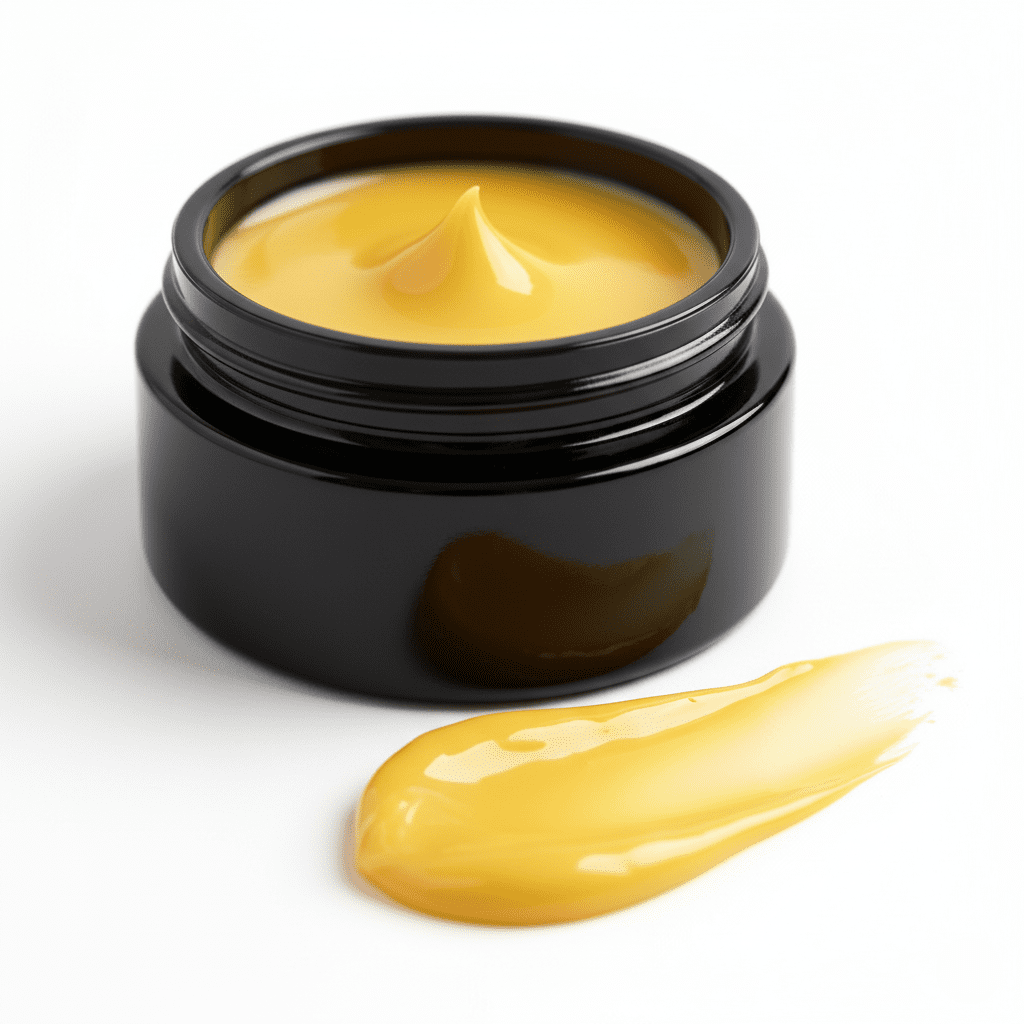
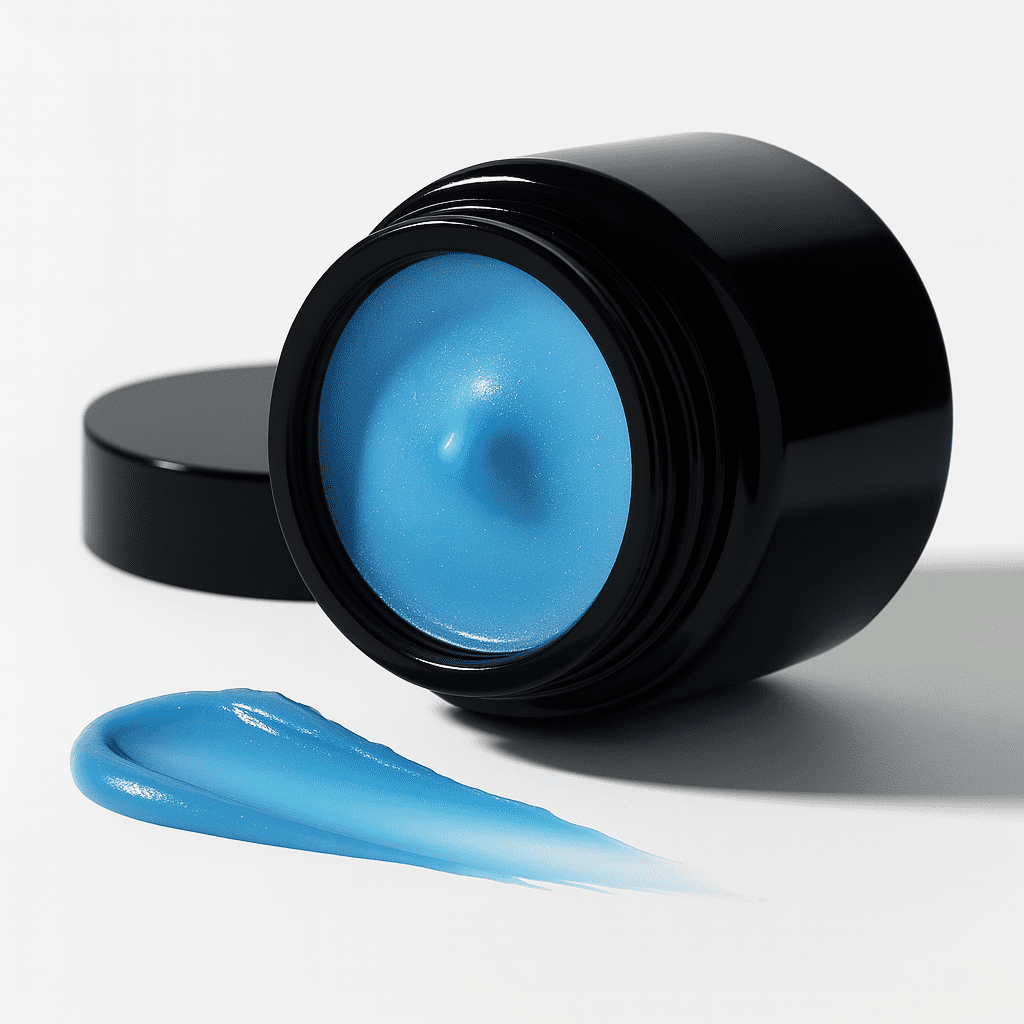
Azure Tansy
Balm™
Intensive Repair and Protection Complex
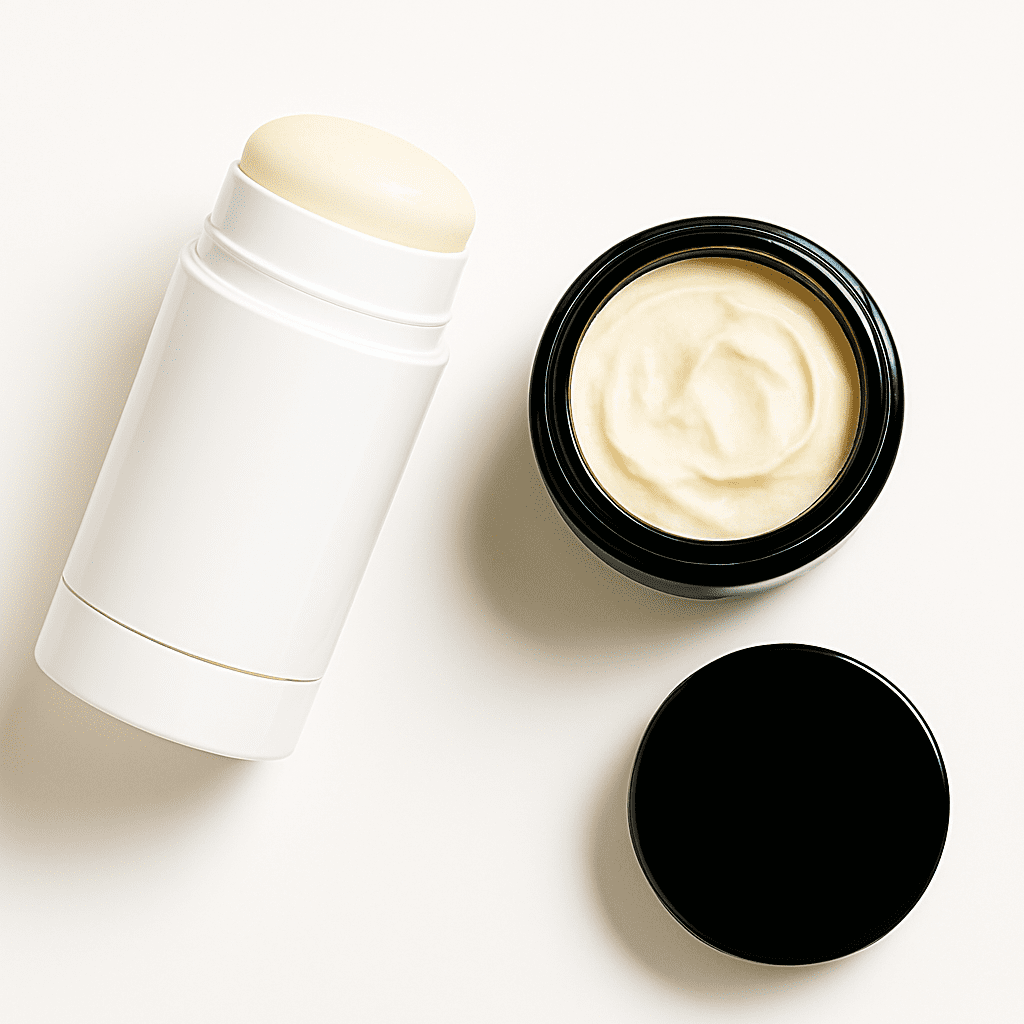
TerraPure - Original Deodorant
Powerful protection, naturally
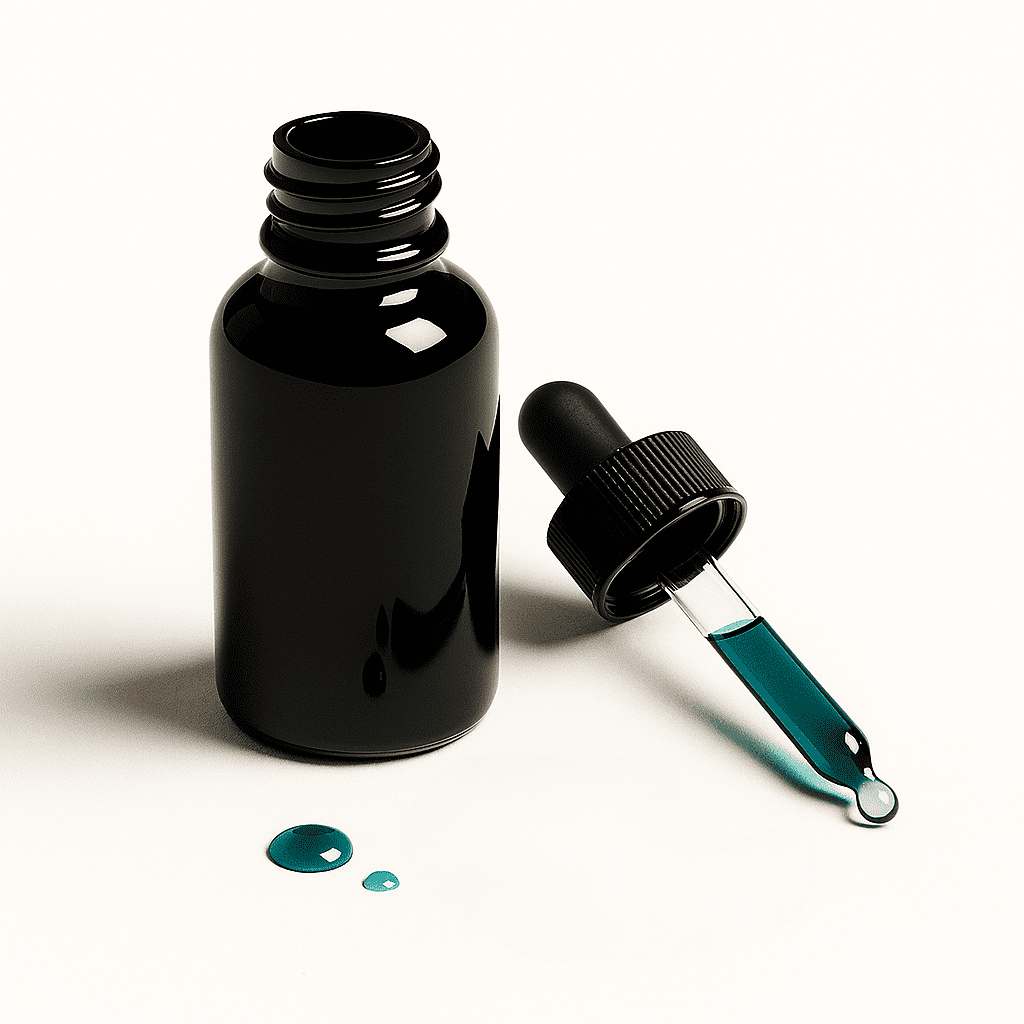
Restorative Phyto‑Serum Oil™
Renewal and Balance. Visible transformation in every drop
We empower your skin to thrive.
Sign Up Newsletter
Ready to invest in your skin’s future with the finest natural ingredients? Explore our collections or join our community for expert tips and exclusive access.
We value your trust when sharing your personal data with us. We always treat your data in a fair and respectful manner, limited to the purpose mentioned above. If you would like to know more about how we handle your data, please read our Privacy Policy.