Nutrition for Natural Beauty: The Foods That Make Your Skincare Work Better
Discover how nutrition amplifies your skincare. Learn which foods build collagen, boost radiance, and create the internal foundation for lasting natural beauty

Supporting Your Skin from Within

Why does your carefully curated skincare routine deliver inconsistent results—glowing one week, dull the next—despite following every expert recommendation? The missing element may not be in your bathroom cabinet but on your dinner plate. True skin wellness emerges from an internal foundation where daily nutritional choices create the cellular architecture that determines how your skin appears and responds to your most thoughtful topical treatments.
Your skincare investments represent a commitment to quality and results. Yet without proper internal support, even the most sophisticated formulations work harder to deliver their intended benefits. The skin’s appearance reflects the complex interplay between what you apply externally and what you nourish internally—a synergy that transforms routine maintenance into genuine transformation.
This relationship between nutrition and skin health remains profoundly underutilised in conventional beauty approaches. When internal cellular nutrition aligns with external care, your skincare becomes more than surface treatment—it becomes part of a comprehensive wellness strategy where nutrient-dense foods provide the raw materials for collagen synthesis, cellular renewal, and barrier function optimisation.
The Skin-Nutrition Connection: Understanding Internal Beauty Foundations
How Nutrients Reach Your Skin
Unlike topical products that primarily affect surface layers, nutrients travel through your bloodstream to nourish all skin layers systematically. This internal delivery system provides sustained support for cellular function and renewal processes that determine skin texture, tone, and resilience. Marginal nutrition often manifests first in skin quality—a visible indicator of internal nutritional status.
The circulatory system delivers vitamins, minerals, amino acids, and essential fatty acids directly to dermal cells. This systemic nourishment supports the energy-intensive processes of collagen production, cellular turnover, and barrier maintenance. When nutritional intake falls short, skin cells compete with vital organs for available resources, often receiving diminished support.
The Synergy Between Internal and External Care
Internal nutrition and external skincare create a complementary relationship where each enhances the other’s effectiveness. Well-nourished skin becomes more responsive to topical treatments, whilst quality skincare helps optimise the benefits of internal nutritional support. This synergy explains why some individuals achieve remarkable results with minimal products, whilst others struggle despite extensive routines.
Antioxidants consumed through food work alongside topical protection to create a comprehensive defence against oxidative stress. Internal support for barrier function improves the skin’s ability to retain moisture from topical applications. This partnership between internal and external care creates conditions where both approaches can perform optimally.
Cellular Energy and Skin Function
Skin cells require substantial energy for their protective and renewal functions. B-vitamins, including B1, B2, B3, and B5, along with Coenzyme Q10, magnesium, and iron, are essential for cellular energy production. These nutrients power the metabolic processes that drive collagen synthesis, wound healing, and recovery from environmental stressors.
Energy deficiency at the cellular level compromises the skin’s ability to maintain its protective barrier and renewal cycles. This manifests as delayed healing, reduced resilience to environmental factors, and diminished response to skincare treatments.
Foundational Nutrients: The Building Blocks of Healthy-Looking Skin
Protein: The Structural Foundation
Protein provides the amino acids—particularly glycine, proline, and lysine—that serve as building blocks for collagen and elastin synthesis. These structural proteins determine skin firmness, elasticity, and overall architecture. Without adequate protein intake, the body cannot maintain optimal collagen production, regardless of external support.
High-quality protein sources such as wild-caught fish, pasture-raised eggs, and grass-fed meat offer superior amino acid profiles and bioavailability. Plant-based proteins require careful combining to ensure the complete amino acid profiles necessary for optimal collagen synthesis.
Essential Fatty Acids: Barrier Function and Comfort
Omega-3 fatty acids, particularly EPA and DHA, provide anti-inflammatory support and are essential because the body cannot produce them independently. These fats integrate into cell membrane structures, influencing membrane fluidity and function. Increasing omega-3 intake relative to omega-6 fatty acids supports barrier function, moisture retention, and reduced skin sensitivity.
The modern diet often contains excessive omega-6 fatty acids from processed foods and vegetable oils, creating an inflammatory environment. Rebalancing this ratio through increased omega-3 consumption from fatty fish, walnuts, and flaxseeds supports skin comfort and appearance.
Antioxidant Vitamins: Internal Protection Systems
Vitamin C functions as both a cofactor for collagen synthesis and a powerful antioxidant protecting against free radical damage. Vitamin E protects cell membranes from oxidative stress, whilst vitamin A supports cellular turnover and barrier integrity. These vitamins work synergistically with topical applications to create comprehensive protection.
The body’s antioxidant systems require constant replenishment through dietary sources. Fresh fruits, vegetables, and herbs provide these protective compounds in forms the body readily recognises and utilises.
Nourishing Foods for Skin Health: Targeted Nutritional Support
Collagen-Supporting Foods
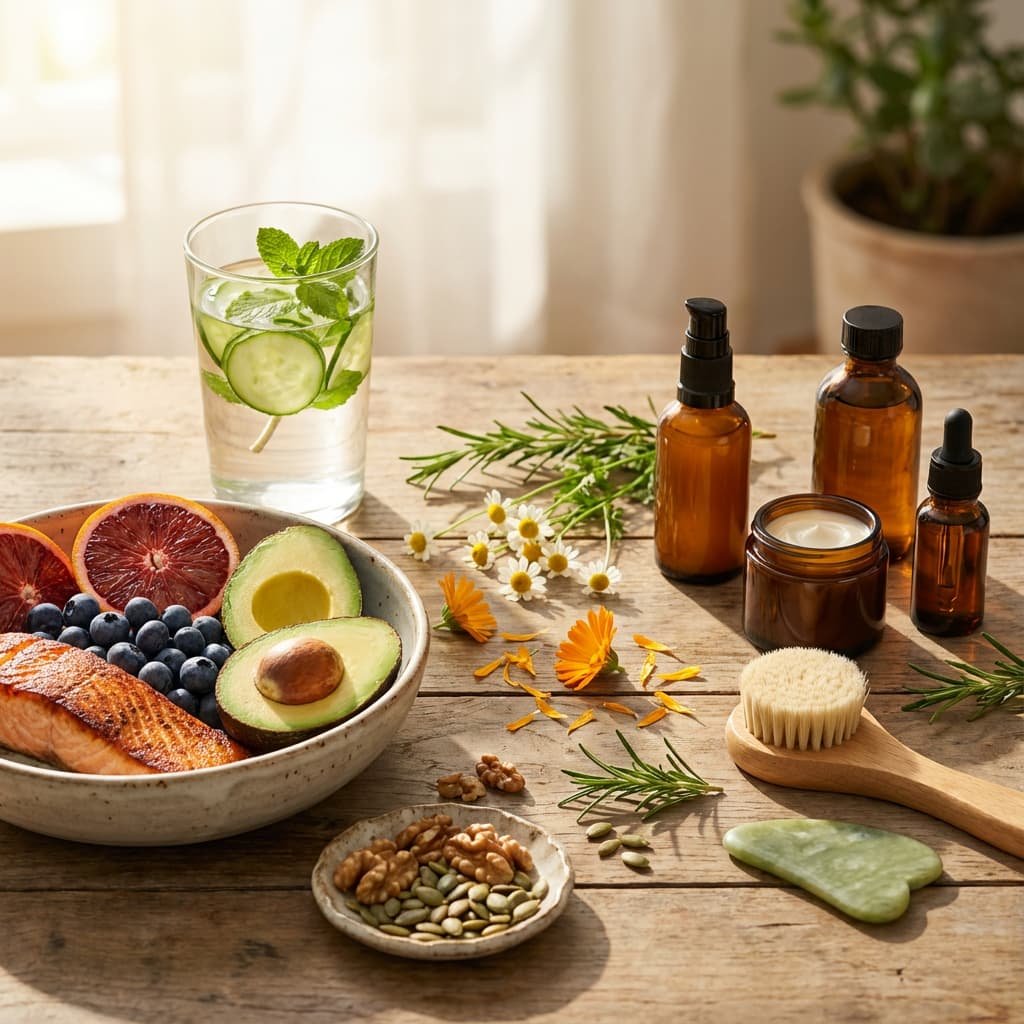
Bone broth provides collagen peptides and glycosaminoglycans that support connective tissue health. The slow-cooking process breaks down collagen into easily absorbed forms that can contribute to the body’s collagen synthesis processes. Quality matters—bones from grass-fed, pasture-raised animals provide superior nutritional profiles.
Vitamin C-rich foods, including citrus fruits, berries, and bell pepper,s are essential cofactors for collagen synthesis. Without adequate vitamin C, the body cannot form stable collagen structures. Silica-rich foods such as oats, cucumber, and horsetail tea support connective tissue integrity and strength.
Antioxidant-Rich Foods
Berries offer concentrated anthocyanins that support circulation and provide protective compounds for cellular health. The deep pigments in blueberries, blackberries, and elderberries indicate high antioxidant content that helps neutralise free radicals before they damage skin cells.
Green tea provides EGCG (epigallocatechin gallate), a potent antioxidant with anti-inflammatory properties. Regular consumption supports the body’s natural defence systems whilst providing gentle, sustained energy without the inflammatory effects of excessive caffeine.
Dark leafy greens supply vitamin K, essential for proper circulation, and carotenoids that support cellular renewal processes. These vegetables also provide folate, which supports DNA synthesis and cellular repair mechanisms.
Anti-Inflammatory Foods
Fatty fish, including wild salmon, sardines, and mackerel, provide omega-3 fatty acids in highly bioavailable forms. These fish also offer astaxanthin, a powerful antioxidant that supports skin protection from within. The anti-inflammatory effects of regular fish consumption create better conditions for skin health and healing.
Turmeric contains curcumin, a compound with potent anti-inflammatory properties. When combined with black pepper, which contains piperine, curcumin absorption increases significantly. Fresh ginger provides gingerols that support circulation and reduce inflammatory responses throughout the body.
Hydration and Skin Function: The Foundation of Radiant Skin
Water: The Beauty Essential
Proper hydration underpins all skin functions, including nutrient transport, waste removal via the lymphatic system, and maintenance of cellular volume. Consistent water intake throughout the day proves more beneficial than consuming large volumes infrequently. The skin’s appearance often reflects hydration status within hours of changes in water intake.
Quality matters as much as quantity. Filtered water removes chlorine and other chemicals that can contribute to inflammatory responses. Adding a pinch of high-quality sea salt provides natural electrolytes that support cellular hydration and nutrient uptake.
Hydrating Foods and Natural Electrolytes
Water-rich foods, including cucumber, watermelon, and celery, contribute to overall hydration whilst providing additional nutrients and fibre. These foods release water slowly, supporting sustained hydration better than water alone.
Natural electrolyte sources such as coconut water, sea salt, and mineral-rich foods help maintain proper fluid balance at the cellular level. This balance affects how efficiently nutrients reach skin cells and how effectively waste products are removed.
Herbal Teas: Hydration Plus Benefits
Herbal teas offer hydration alongside specific benefits for skin health. Rooibos provides antioxidants without caffeine, making it suitable for evening consumption. Chamomile offers calming compounds that may support stress reduction and sleep quality. Nettle tea supplies minerals, including silica and iron, that support skin structure and circulation.
The ritual of preparing and consuming herbal teas also provides moments of calm that support overall wellness—a factor that influences skin appearance through stress hormone regulation.
Digestive Health and Skin Beauty: The Gut-Skin Connection
Nutrient Absorption and Bioavailability
Digestive health determines how effectively nutrients reach the skin through the bloodstream. Adequate stomach acid, digestive enzymes, and healthy gut bacteria are essential for breaking down foods and absorbing their beneficial compounds. Poor digestion can create nutrient deficiencies even when dietary intake appears adequate.
Supporting digestive function through mindful eating practices, adequate chewing, and stress reduction during meals improves nutrient bioavailability. The skin often reflects digestive health within days of dietary changes, making this connection particularly relevant for those seeking visible improvements.
Gut Microbiome and Skin Health
A diverse, healthy gut microbiome supports skin immunity and helps regulate inflammatory responses throughout the body. Beneficial bacteria produce short-chain fatty acids that support barrier function both in the gut and potentially in the skin. This connection explains why digestive issues often correlate with skin concerns.
Probiotic foods, including kefir, sauerkraut, and kimchi, introduce beneficial bacteria, whilst prebiotic foods such as garlic, onions, and Jerusalem artichokes provide fuel for healthy gut bacteria. This symbiotic relationship supports both digestive and skin health.
Inflammatory Foods and Skin Responses
Certain foods can trigger inflammatory responses that manifest in the skin as breakouts, redness, or increased sensitivity. Common triggers include refined sugar, excess omega-6 oils, and highly processed foods. Individual responses vary, making personal observation essential for identifying specific triggers.
Elimination diets and food journals help identify personal inflammatory triggers. Removing suspected foods for 2-3 weeks, then reintroducing them systematically, can reveal clear connections between diet and skin responses. This personalised approach proves more effective than following generic dietary restrictions.
Targeted Nutrition for Specific Skin Concerns

Supporting Youthful-Looking Skin
Maintaining skin firmness and elasticity requires focused nutritional support for collagen synthesis and protection against oxidative damage. Vitamin C, copper, and amino acids provide the raw materials for collagen production, whilst antioxidants defend against free radical damage that accelerates visible ageing.
Healthy fats support hormonal balance, which influences skin thickness and moisture retention. Omega-3 fatty acids, monounsaturated fats from olive oil and avocados, and saturated fats from quality sources support hormone production and cellular membrane integrity.
Supporting Clearer-Looking Skin
Skin clarity often improves with dietary approaches that regulate blood sugar and reduce inflammatory responses. Low-glycaemic foods, including vegetables, legumes, and whole grains, help maintain stable insulin levels, which can influence sebum production and skin cell turnover.
Zinc-rich foods such as pumpkin seeds, oysters, and grass-fed beef support healing and renewal processes. Zinc deficiency often correlates with skin concerns, making adequate intake particularly important for those seeking clearer skin.
Supporting Even Skin Tone
Vitamin C and folate-rich foods support cellular turnover and may contribute to more even skin tone over time. These nutrients support the natural processes that help skin cells renew and repair. Antioxidants from colourful fruits and vegetables provide additional protection against oxidative stress that can affect skin pigmentation.
Consistent intake of these nutrients, rather than sporadic high doses, supports steady progress toward a more even-toned skin appearance.
Lifestyle Integration: Making Nutrition Work for Your Skin
Meal Planning and Preparation
Advance planning prevents reliance on processed foods that may undermine skin health goals. Batch cooking nutrient-dense meals ensures consistent access to skin-supporting foods even during busy periods. Seasonal eating provides natural variety in nutrients whilst connecting you to fresh, peak-nutrition ingredients.
Preparing meals at home allows control over ingredient quality and cooking methods. Gentle cooking techniques preserve heat-sensitive nutrients whilst making others more bioavailable. This balance optimises the nutritional value of your skin-supporting foods.
Supplement Considerations
Targeted supplementation can address nutrients that are difficult to obtain through food alone, such as omega-3 fatty acids for those who don’t consume fish regularly, or vitamin D in regions with limited sunlight. Choosing bioavailable forms and understanding optimal timing for absorption maximises supplement effectiveness.
Professional guidance helps identify individual needs and prevents unnecessary supplementation. Regular reassessment ensures supplement protocols remain appropriate as dietary patterns and life circumstances change.
Hydration Practices
Consistent hydration throughout the day supports all bodily functions that influence skin appearance. Morning hydration jumpstarts metabolism and circulation, whilst evening hydration supports overnight renewal processes. Avoiding excessive fluid intake close to bedtime prevents sleep disruption whilst maintaining adequate hydration.
Temperature preferences vary, but room temperature or slightly warm water may be absorbed more readily than very cold water. Adding natural flavours through cucumber, lemon, or herbs can encourage increased consumption for those who struggle with plain water.
Key Takeaways
- Internal foundation determines external results: Nutrition provides the cellular building blocks that influence how your skin appears and responds to topical treatments
- Synergy amplifies effectiveness: Well-nourished skin becomes more responsive to quality skincare, whilst topical treatments help optimise internal nutritional benefits
- Foundational nutrients are essential: Protein, omega-3 fatty acids, and antioxidant vitamins create the structural and protective foundation for healthy-looking skin
- Digestive health affects skin appearance: A healthy gut microbiome and efficient nutrient absorption directly influence skin clarity and comfort
- Personalisation improves results: Individual responses to foods vary, making personal observation and adjustment more effective than generic dietary approaches
Your integrated approach to beauty nutrition represents a sophisticated understanding of how internal and external care work together. When you nourish your skin from within whilst supporting it externally with quality formulations, you create the conditions for genuine, lasting transformation rather than temporary improvements.
This holistic strategy acknowledges that beautiful skin reflects a life well-nourished—where traditional botanical wisdom meets modern nutritional understanding. Your skin instinctively recognises this comprehensive support, responding with the clarity and vitality that comes from true cellular wellness.
How has your relationship with food influenced your skin’s journey? Share your insights in our Journal, where we explore the deeper connections between nourishment, nature, and radiant skin.
Support Your Skin
Our natural product collection at Ossie Naturals is formulated specifically to support your skin’s natural adaptive processes. Each product provides the building blocks your skin needs, from barrier-supporting lipids to adaptive antioxidants.
We don’t believe in dramatic seasonal routine overhauls or aggressive treatments that fight against your skin’s natural processes. Instead, our approach focuses on gentle, consistent support that works with your skin’s intelligence rather than against it.
Join our private community on Facebook or join our Newsletter for access to seasonal transition guides, ingredient education, and products specifically formulated to support your skin through changes because your skin’s adaptive intelligence deserves support, not interference.
Performance‑led, nutrient‑rich compositions
Our House Collection
Calendula Balm - Original™
Restorative and Calming Concentrate
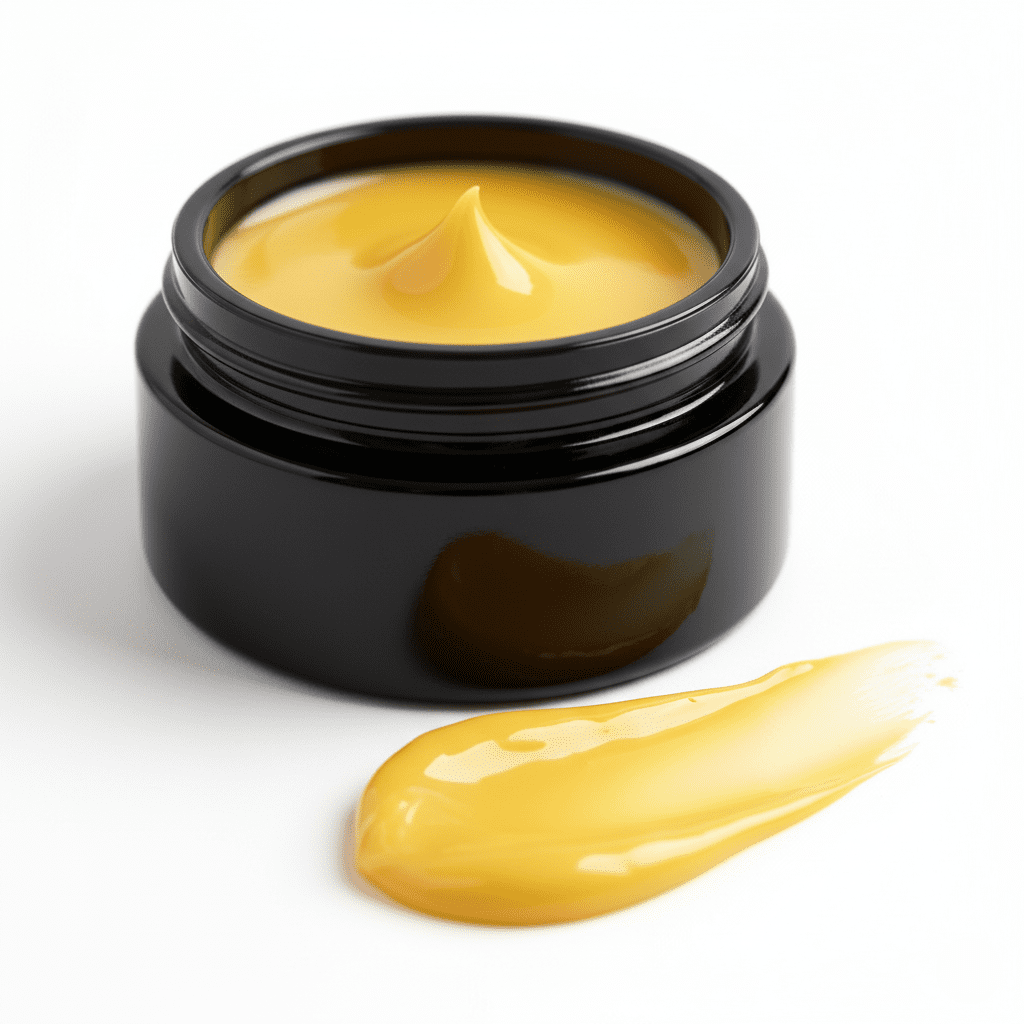
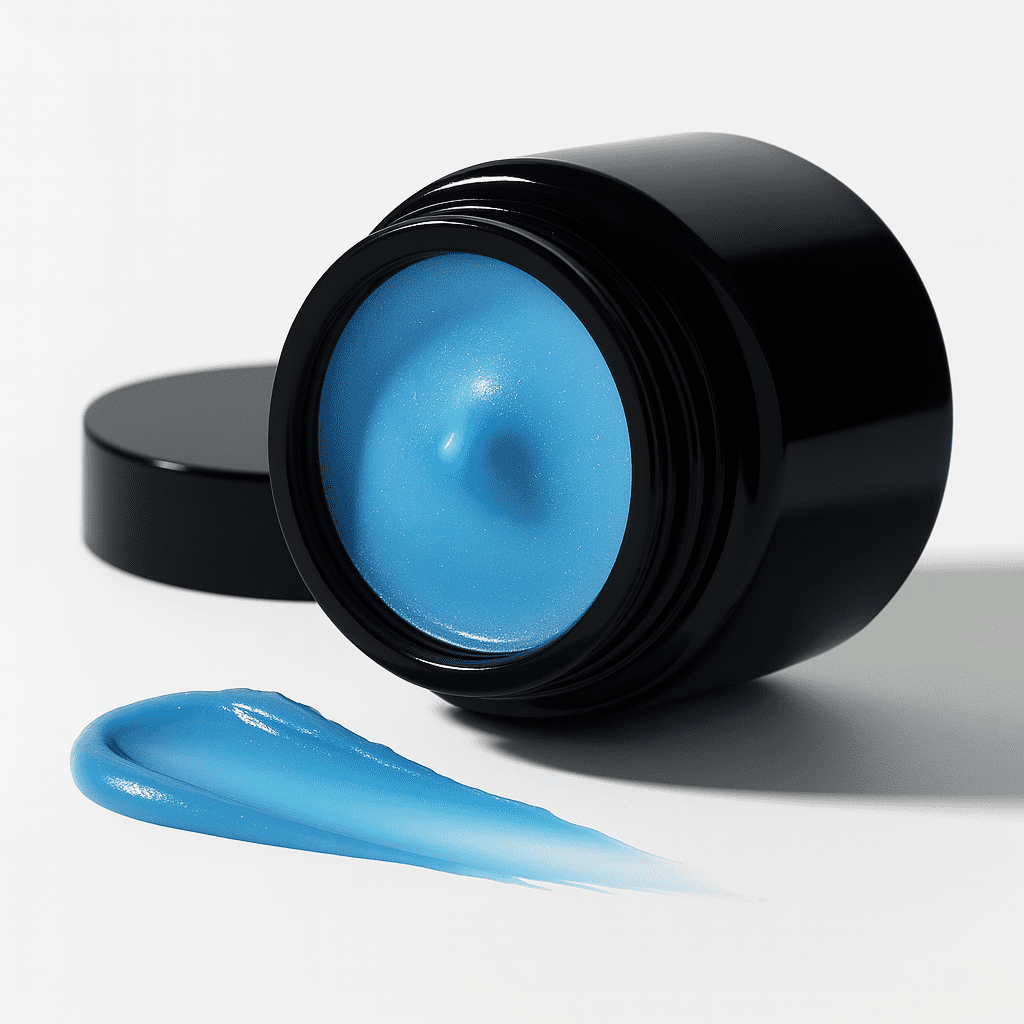
Azure Tansy
Balm™
Intensive Repair and Protection Complex
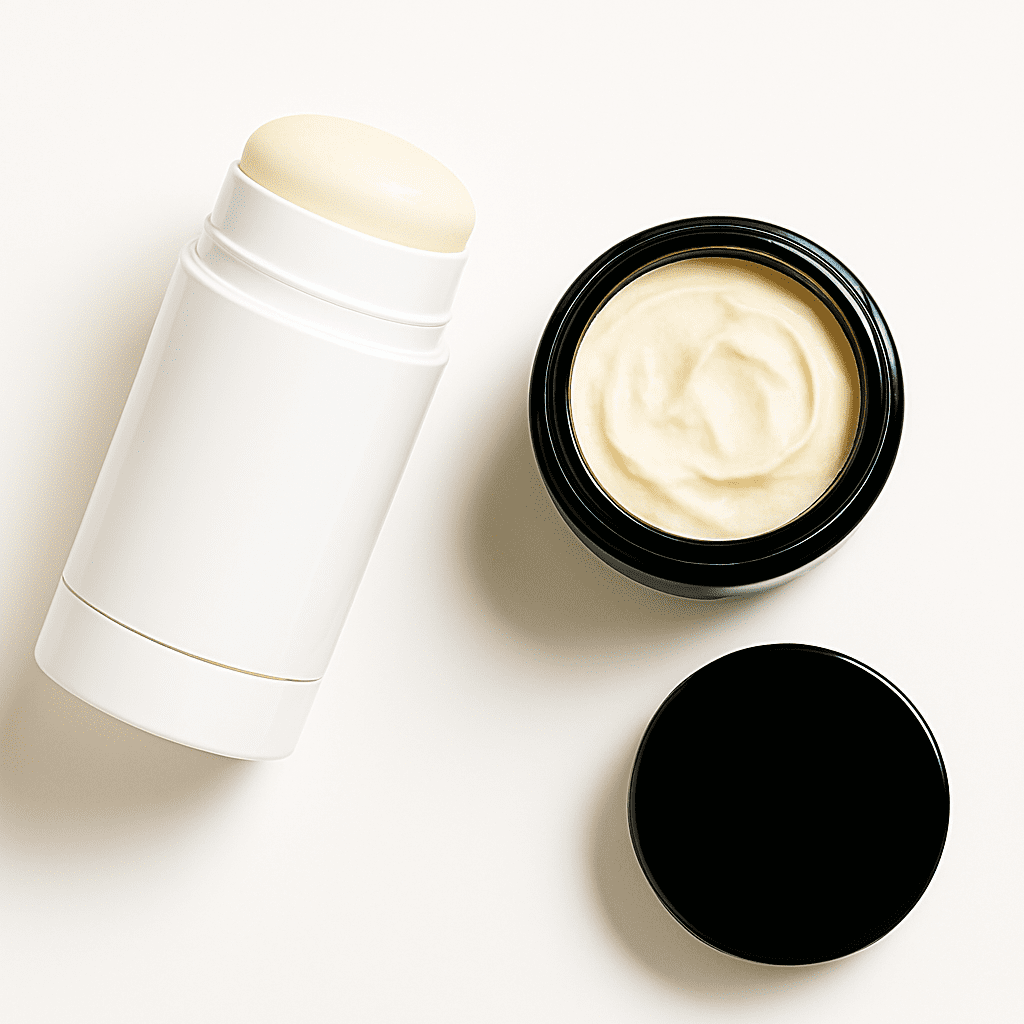
TerraPure - Original Deodorant
Powerful protection, naturally
Restorative Phyto‑Serum Oil™
Renewal and Balance. Visible transformation in every drop

We empower your skin to thrive.
Sign Up Newsletter
Ready to invest in your skin’s future with the finest natural ingredients? Explore our collections or join our community for expert tips and exclusive access.
We value your trust when sharing your personal data with us. We always treat your data in a fair and respectful manner, limited to the purpose mentioned above. If you would like to know more about how we handle your data, please read our Privacy Policy.