The Science of the Glow: Manual Lymphatic Drainage, Facial Fascia Massage and Skin Health
Lymphatic techniques help to reduce extracellular fluid pressure, which can improve oxygenation around skin cells, supporting clearer, more comfortable function

Facial Massage and Skin Health
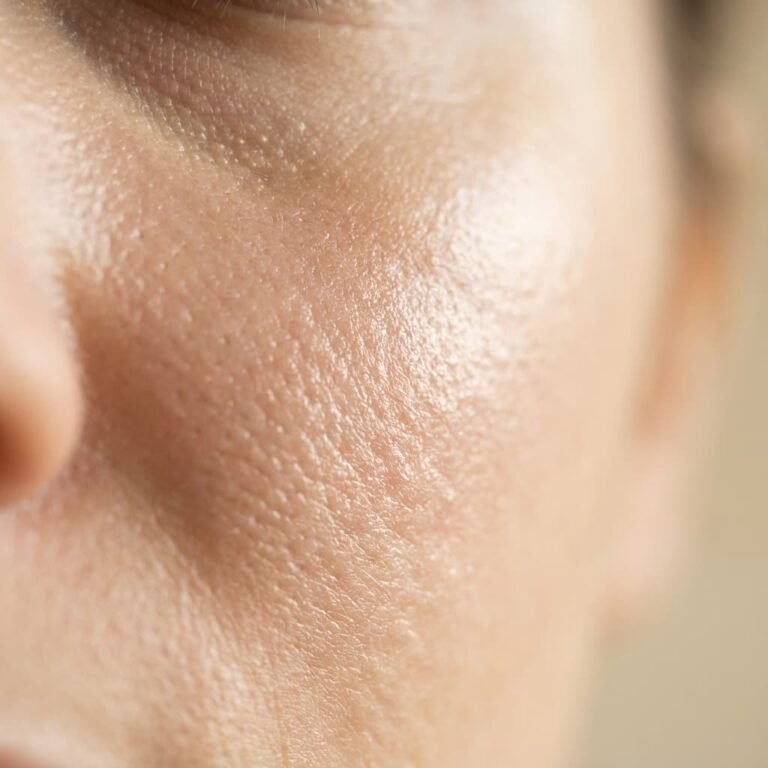
Why can the face look puffy, flat or tired, even when skincare, sleep and water intake all seem to be in place.
For many, glow is inconsistent: some days the complexion looks clear and alive, on others it appears heavy, congested or reactive. Traditional skincare focuses on what is applied to the surface, yet the skin’s appearance is also shaped by what is happening beneath it—how fluid moves through tissue, how tension sits in muscles, and how supported the skin is from within.
This is where interest in manual lymphatic drainage (MLD) and facial fascia massage has grown. These techniques are often spoken about in the same breath as words like “lifting”, “contouring” or “detox”. The truth is more nuanced. There is emerging evidence for some physiological effects, and far less for others, and understanding that difference allows a more grounded, confident approach to facial massage as part of a considered ritual.
In this article, we explore what the science currently supports, where it is still inconclusive, and how to design a gentle at-home facial massage practice that honours both skin physiology and the nervous system. When knowledge meets intention, touch becomes another way to care for the face with clarity rather than promises.
Why circulation and lymph matter for visible vitality
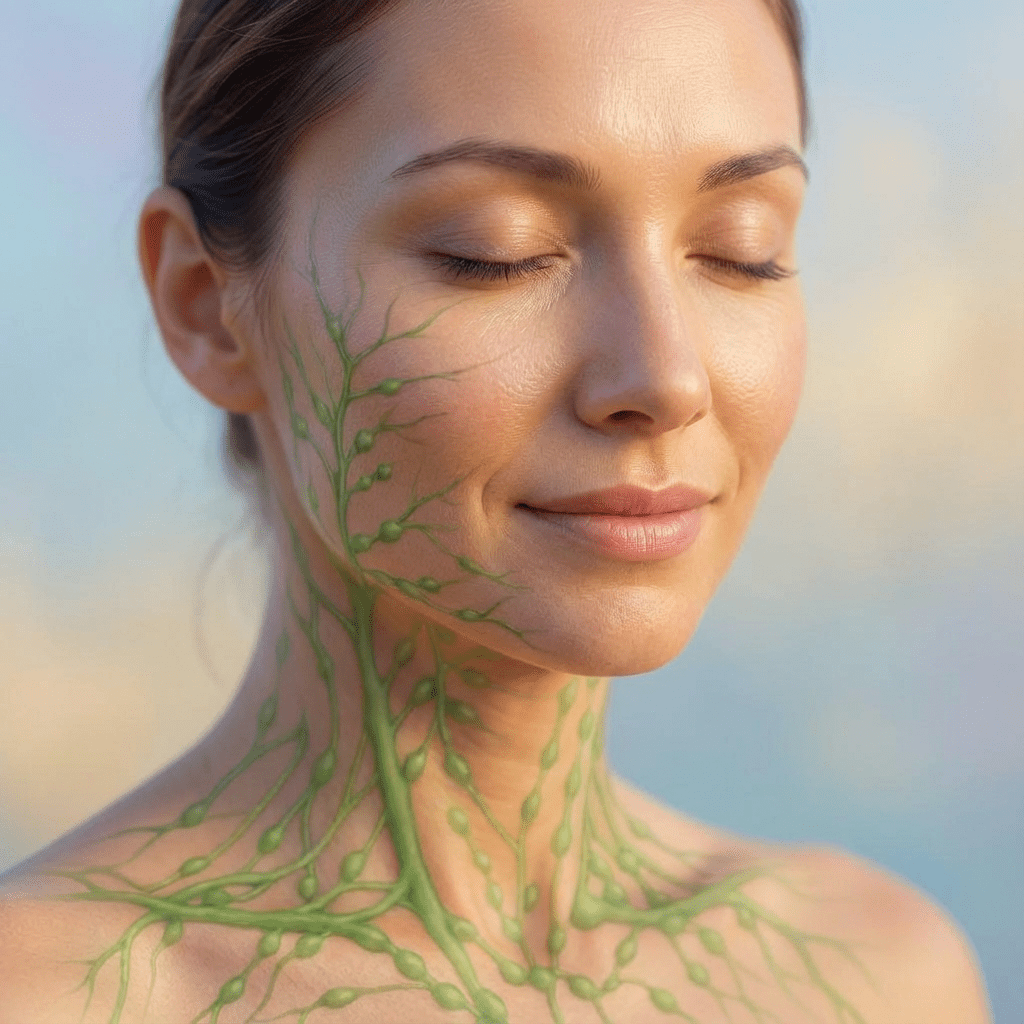
The skin is not an isolated canvas. It is continuously nourished and influenced by the blood and lymph that move through the tissues beneath it. Blood delivers oxygen and nutrients to cells, while lymph transports certain immune cells and returns excess fluid and waste products to the circulatory system.
Unlike blood, lymph does not have a central pump. Its movement depends on subtle mechanical forces: breathing, posture, muscle contraction and gentle shifts in pressure. When fluid sits too long in one area, the micro-environment around cells can feel crowded. That crowding can make it harder for nutrients and oxygen to reach cells effectively, and for metabolic byproducts to be cleared away efficiently.
Research on manual lymphatic techniques suggests that, by reducing extracellular fluid pressure, these methods can improve oxygenation of skin cells. Better oxygen delivery does not simply serve a theoretical purpose; it underpins how well cells can perform fundamental tasks, from energy production to maintaining the integrity of the barrier. A complexion that appears dull often reflects a deeper lack of ease in these underlying processes.
Connective tissue adds another layer to this story. Fascia—the web-like tissue that surrounds muscles, nerves and vessels—forms much of the face’s internal architecture. Its condition influences how comfortably muscles move and how tension is stored in expressions. When this soft-tissue environment feels supple and organised, the skin above tends to sit more harmoniously. Touch-based practices that work with lymph and fascia, therefore sit at the meeting point between structure, circulation and visible radiance.
Manual lymphatic drainage: a gentle approach to skin physiology
Manual lymphatic drainage is a highly specialised massage technique developed to work in conjunction with the body’s lymphatic system, utilising an exceptionally gentle touch. It is very different from deep-tissue or classic relaxation massage; practitioners are trained to apply measured pressure and carefully directed movements, often described as rhythmic strokes or gentle pumping patterns.
From a scientific perspective, the most relevant aspect for skin health is its effect on the fluid environment around cells. Studies indicate that MLD can reduce extracellular fluid pressure, and as a consequence, improve tissue oxygenation. When skin cells receive oxygen more efficiently, it supports their normal physiological functions, which in turn influences how resilient, clear and comfortable the skin can appear.
There is also emerging evidence around acne-prone skin. Some research suggests that MLD may help reduce inflammatory mediators in the area around lesions and may be associated with a reduction in the formation of new comedones when used alongside appropriate care. This does not position MLD as a medical treatment for acne, but it does suggest a role within a broader, professionally guided approach, especially when inflammation and sensitivity are key concerns.
It is equally important to recognise what current science does not confirm. Claims that MLD dramatically reshapes facial contours or produces immediate, lasting lifting effects are ahead of the published evidence. The technique can be deeply relaxing and may leave the face feeling lighter or more comfortable, but any structural change described as permanent is not supported by rigorous data at this time. Approaching MLD as a subtle, supportive practice for skin physiology and nervous system calm keeps expectations both realistic and respectful of the body.
Facial fascia massage: working with the skin’s supporting network
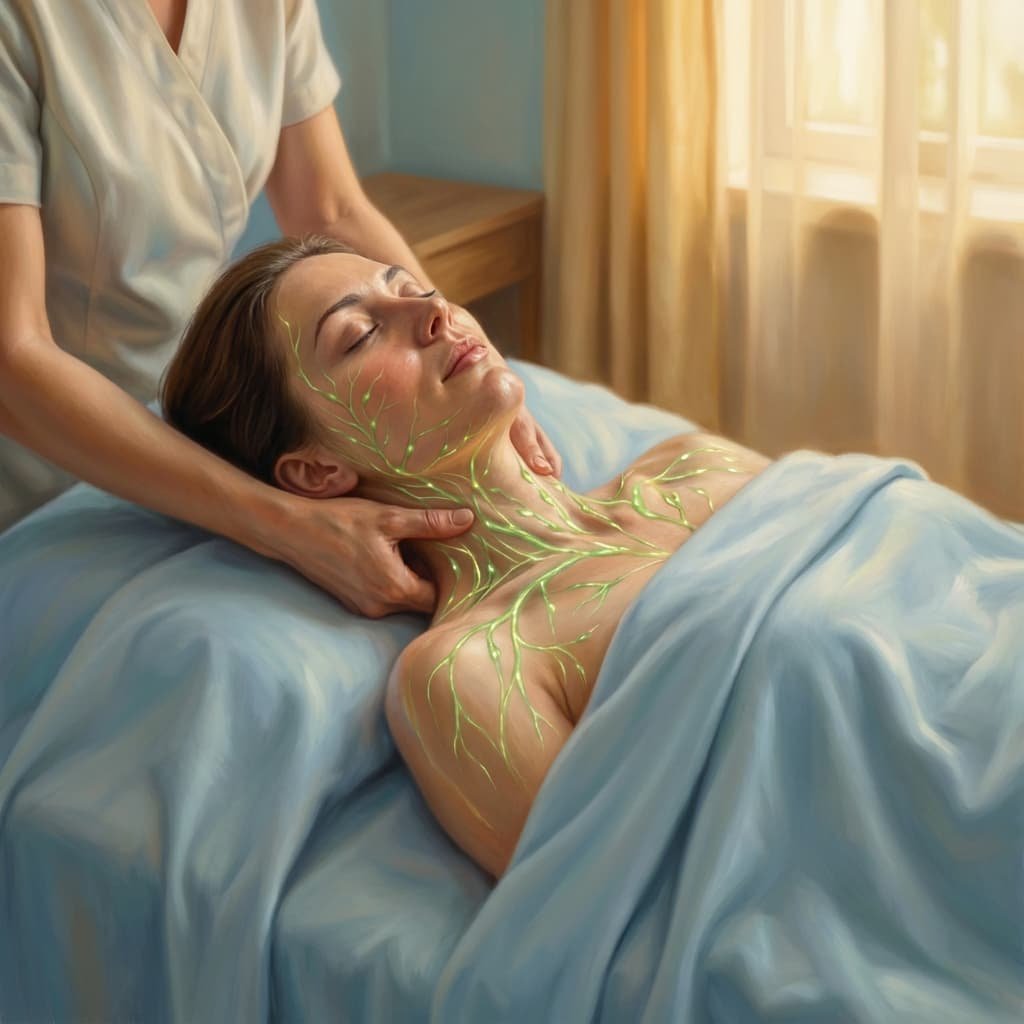
Facial fascia massage focuses on the connective tissue that wraps around and between muscles, vessels and nerves. Rather than simply gliding over the skin, the intention is to engage with this deeper soft-tissue network to ease tension and improve comfort in how the face moves and rests.
Myofascial-style techniques on the face often involve slow, deliberate strokes, gentle stretching and sustained pressure along specific lines of tension. Many people notice the jaw, temples and brow in particular holding a great deal of tightness from speaking, concentrating and emotional expression. Releasing some of this tension can change how expressions feel from the inside, softening the sense of grip or clenching.
From a scientific standpoint, there is still limited high-quality research on facial fascia massage specifically for aesthetic outcomes such as radiance, lifting or long-term firmness. These claims are widely shared anecdotally in aesthetic and wellness spaces, but have not yet been established with strong evidence. What is better supported is the broader understanding that massage can influence local tissue comfort and range of movement. In the context of facial scars—for example, after acne or minor procedures—massage techniques have been shown to help improve flexibility and reduce irregularities in the tissue over time when used appropriately.
It is helpful, therefore, to think of facial fascia massage less as a sculpting shortcut and more as a way of tending to the face’s supporting network. When muscles and connective tissue are addressed with care, expressions can feel more at ease, and the skin can sit over a quieter, more organised foundation.
Designing a mindful at-home facial massage ritual
Working with the face at home does not require complicated tools or advanced training. What it does ask for is respect for anatomy, an understanding of gentle pressure, and a clear sense of purpose: the goal is comfort, not force. A considered ritual can combine elements inspired by both lymphatic techniques and fascia work, translated into safe, simple steps.
Begin with preparation. Cleanse the face, neck and décolleté, then apply a facial oil or balm with strong bio-affinity for the skin’s own lipids. This creates a soft occlusive veil and a smooth glide, so fingers or tools can move without dragging. Formulations that melt at touch and settle to a cushioning finish are especially suited here, as they allow slow, deliberate motions while remaining comfortable on the skin.
A useful principle is to start with the neck. Using the flats of the fingers, apply very light, sweeping strokes down the sides of the neck towards the collarbone. The intention is not to press deeply into muscles, but to make contact with the skin in a steady, rhythmic way, inviting a sense of opening through the area that supports much of the face’s fluid and soft-tissue connection.
From there, movements can progress to the jaw and cheeks. Knuckles or a well-shaped stone tool can be guided from the centre of the chin along the jawline towards the ear with measured, moderate pressure, paying attention to any points of tenderness and softening the pressure there. Across the cheeks, strokes can travel from beside the nose, under the cheekbone and out towards the temples with a gentle upward angle, encouraging a sensation of lifting without stretching the skin.
The eye area demands the lightest touch. Using the ring fingers, trace slow paths from the inner corner of the under-eye towards the temple, almost as if smoothing silk rather than moving skin. On the forehead, flat knuckles or a smooth tool can sweep from the centre outwards, and from the brows upwards towards the hairline, to ease the frontalis muscle where many people unconsciously hold expression.
The ritual can close with long, continuous strokes starting at the centre of the forehead, flowing down the side of the face, along the neck and finishing at the top of the chest. Repeating this pathway several times brings a sense of completion and coherence to the session. Throughout, the skin should feel comfortably warm and alive, not sore or overstimulated. Consistency—a few minutes several times a week—matters more than intensity.
Safety, boundaries and realistic expectations
Any hands-on work with the body requires clear boundaries. While facial massage, MLD-inspired techniques and fascia work are generally gentle, there are circumstances where they are not appropriate without medical guidance.
Manual lymphatic techniques and more involved facial massage should be avoided in areas of acute infection or active, open lesions, as mechanical contact can disturb already compromised tissue. People with a history of blood clots or thrombosis, significant heart or kidney conditions, or those undergoing active cancer treatment, should only consider such therapies under explicit medical clearance. The same caution applies to recent surgical procedures, where only the treating surgeon or specialist can advise when and how massage might be introduced.
Even in healthy skin, pressure matters. Aggressive pulling or dragging can place unnecessary strain on collagen and elastin fibres, which support the skin’s elasticity. The intention in a home ritual is to glide with the tissue, not stretch it. Any sensation of sharpness, pinching or lingering pain is a signal to stop and reassess technique.
Expectations deserve the same care as touch. Some experts emphasise that there is limited scientific evidence showing that facial massage can permanently remodel bone structure or reverse deep aspects of biological ageing. Many of the shifts people notice—a sense of lightness, softer expression, a temporary smoothing—are best understood as functional and transient rather than structural rewrites. When the goal is to support comfort, oxygenation and a calmer nervous system, these practices can hold a sustainable place in a long-term ritual.
Hydration and hygiene complete the picture. Washing hands and any tools before and after use, and drinking water after a session, are simple ways to respect both the skin’s microbiome and the body’s natural processing of metabolic byproducts.
How massage interacts with skincare formulations
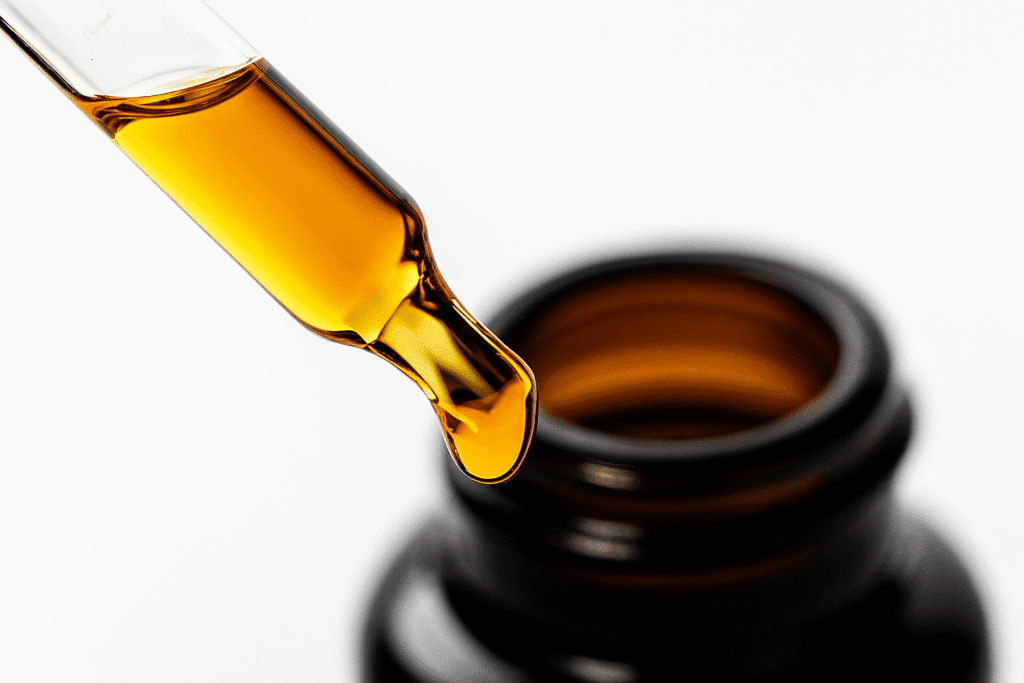
Facial massage does not sit apart from skincare; it reshapes how products are experienced. Touch warms the skin surface, increases suppleness in the upper layers and encourages more deliberate, attentive application of each formulation. Rather than products being applied in haste, they are pressed and glided in ways that help them form an even, comfortable film across the skin.
Oils and balms with strong bio-affinity—those whose lipid profiles echo key components of the skin’s own barrier—tend to be especially well suited to massage. They melt at skin temperature, offer weightless hydration and can settle into a soft occlusive veil that both cushions touch and slows water loss. When combined with thoughtful manual techniques, this allows the skin to receive both the sensorial comfort of the ritual and the compositional intelligence of the formulation.
Serums can also be integrated. A common approach is to apply a hydrating or treatment serum first, allow it to absorb, then follow with a massage medium such as an oil to seal and support. Massage becomes less about forcing penetration and more about creating an environment of calm, warmth and gentle movement in which actives can perform as designed.
At Ossie Naturals, each composition is handcrafted in Dungarvan, Ireland, to work in harmony with these kinds of rituals. When touch and formulation are aligned, the skin instinctively understands the language being spoken to it, responding with the quiet clarity that comes from genuine balance.
Key Takeaways
- Facial appearance is influenced not only by topical products, but also by circulation, lymph flow and the condition of connective tissue beneath the skin.
- Research suggests that manual lymphatic techniques can reduce extracellular fluid pressure and improve oxygenation of skin cells, supporting healthier skin function.
- Emerging evidence indicates that MLD may help modulate inflammatory mediators around acne lesions and may be associated with fewer new comedones when used appropriately.
- Massage can support scar tissue flexibility and help reduce irregularities over time, particularly when guided by professional advice.
- There is currently limited scientific evidence that facial massage can permanently remodel bone structure or reverse deep ageing, so expectations should focus on comfort, function and ritual rather than dramatic structural change.
A quiet ritual for a more responsive complexion
Glow is often framed as something to be chased through new products and stronger actives. Looking beneath the surface reveals another path: working with the body’s own systems through gentle, informed touch. Manual lymphatic drainage and facial fascia massage, when approached with respect for science and safety, offer a way to support oxygenation, ease tension and invite the nervous system to soften, all of which quietly influence how the skin presents itself.
A home ritual need not be elaborate. A few intentional minutes, a composition the skin recognises and welcomes, and a sequence of thoughtfully placed strokes can transform daily care into a moment of grounded presence. Over time, this becomes less about “doing more” and more about listening closely to how the face feels and responds, adjusting pressure and frequency with that feedback in mind.
Your skin instinctively understands when care is both intelligent and kind. When touch, rhythm and formulation work together in harmony, the complexion often reflects that inner coherence with a calmer, more receptive glow. Each ritual is an opportunity to return to that sense of balance, handcrafted in small moments, just as our compositions are handcrafted in Dungarvan, Ireland.
Explore the science behind whole-plant botanicals and skin rituals in our Journal.
Support Your Skin
Our natural product collection at Ossie Naturals is formulated specifically to support your skin’s natural adaptive processes. Each product provides the building blocks your skin needs, from barrier-supporting lipids to adaptive antioxidants.
We don’t believe in dramatic seasonal routine overhauls or aggressive treatments that fight against your skin’s natural processes. Instead, our approach focuses on gentle, consistent support that works with your skin’s intelligence rather than against it.
Join our private community on Facebook or join our Newsletter for access to seasonal transition guides, ingredient education, and products specifically formulated to support your skin through changes because your skin’s adaptive intelligence deserves support, not interference.
Performance‑led, nutrient‑rich compositions
Our House Collection
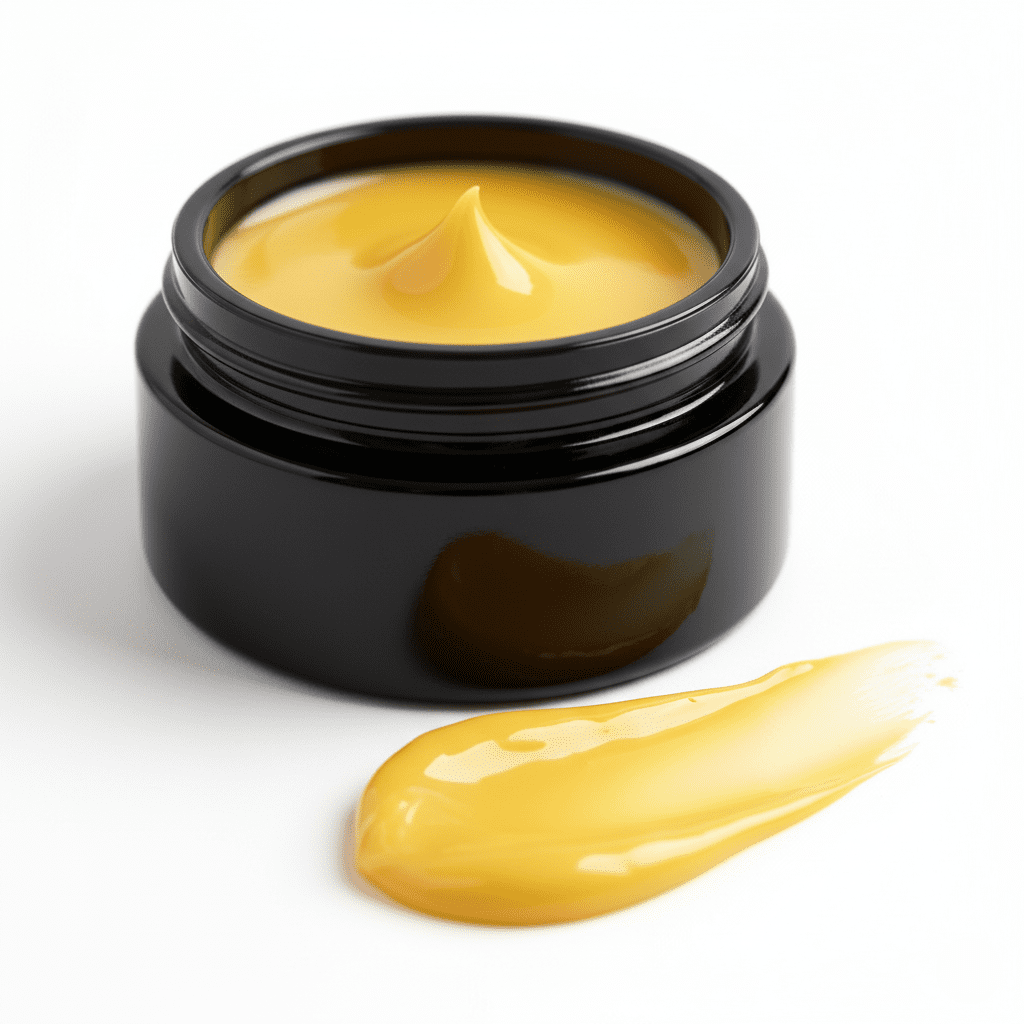
Calendula Balm - Original™
Restorative and Calming Concentrate
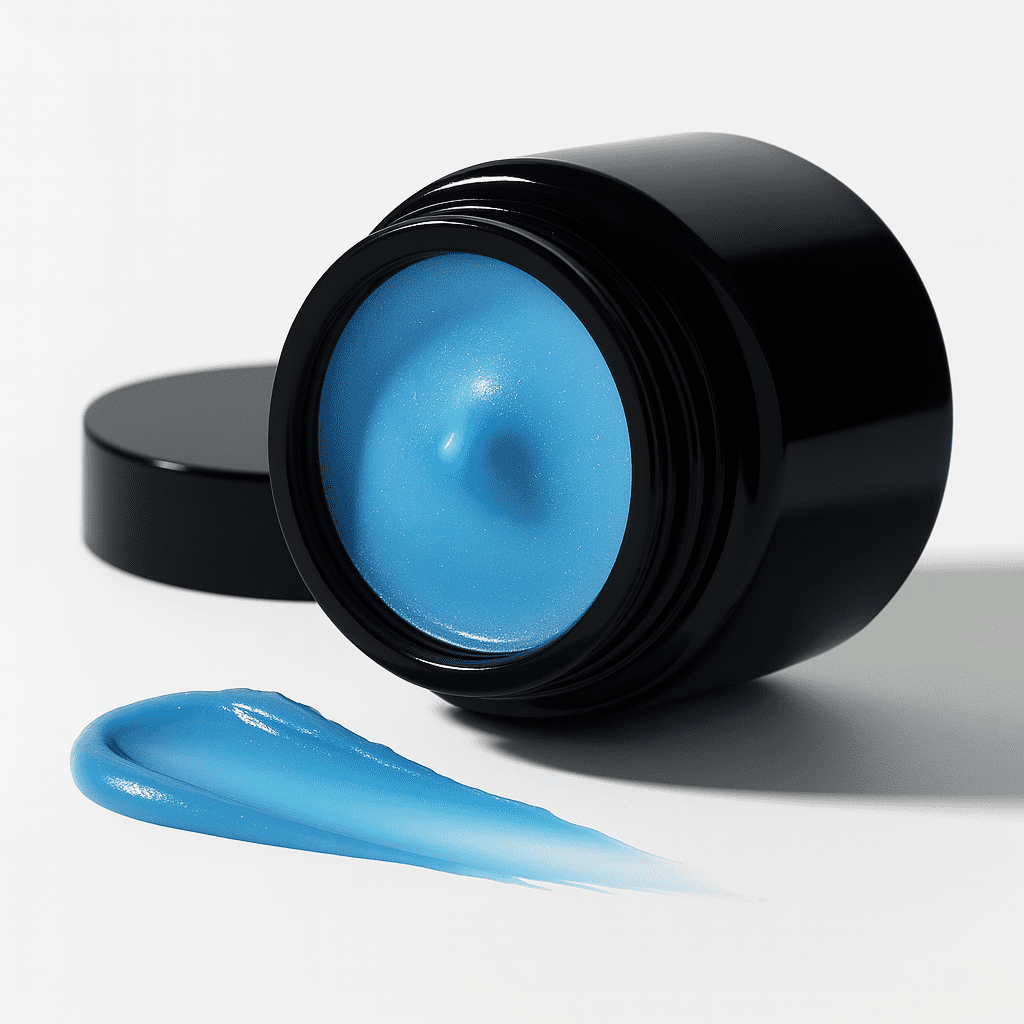
Azure Tansy
Balm™
Intensive Repair and Protection Complex
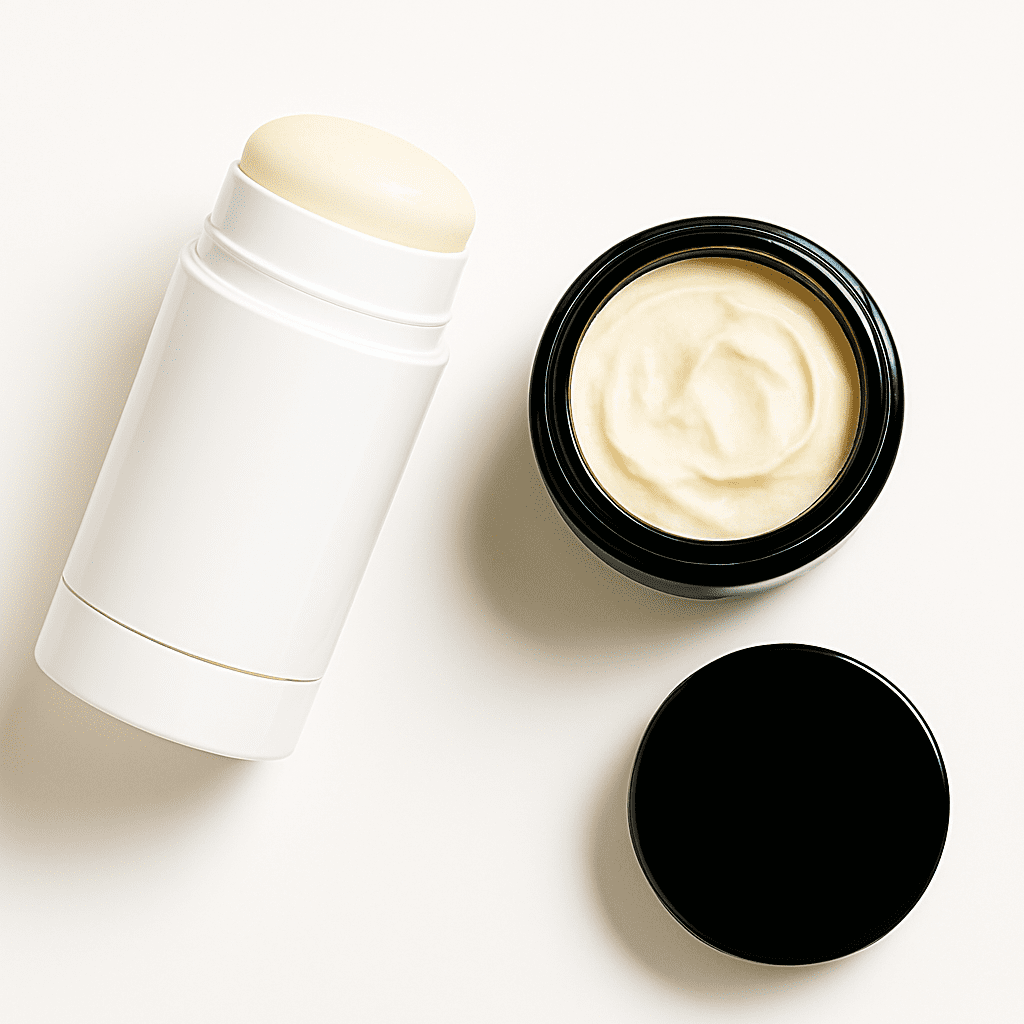
TerraPure - Original Deodorant
Powerful protection, naturally
Restorative Phyto‑Serum Oil™
Renewal and Balance. Visible transformation in every drop
We empower your skin to thrive.
Sign Up Newsletter
Ready to invest in your skin’s future with the finest natural ingredients? Explore our collections or join our community for expert tips and exclusive access.
We value your trust when sharing your personal data with us. We always treat your data in a fair and respectful manner, limited to the purpose mentioned above. If you would like to know more about how we handle your data, please read our Privacy Policy.