Face Oil, Explained: When to Apply It and How Much to Use
For anyone who finds facial oil too heavy, this guide explains what oil actually does, where it belongs and how a lighter application can change the experience.

Face Oil, Explained.

You apply a facial oil expecting softness. Instead, it sits visibly on the surface, catches at the hairline or makes every layer beneath it feel more noticeable. The instinctive conclusion is that oil simply does not suit your skin.
Often, the difficulty lies elsewhere. The amount may be too generous. The oil may have been added to a routine that was already complete. It may have been applied to completely dry skin when the intention was to hold moisture close, or placed beneath a water-based product that could no longer spread comfortably over it.
Facial oil is a simple category made confusing by rigid rules. Some instructions say it must always come last. Others tell you to use it before moisturiser, mix it into cream or apply it directly after cleansing. Each can make sense in a particular formula or routine, but none is a universal law.
The more useful question is not simply, “Where does face oil go?” It is, “What is this oil being asked to do?”
Face Oil And Moisturiser Do Different Jobs
A facial oil mainly contributes to the second and third of those functions. It softens the surface and can help slow the evaporation of water already present. What it does not do on its own is add water.
This distinction explains why the same oil can feel deeply comfortable in one routine and strangely inadequate in another. Applied over skin that already has enough water and feels comfortable, an oil can leave a supple, cushioning finish. Applied to skin that feels tight and lacks a water-based step, it may create shine while the feeling of dryness remains underneath.
There is no contradiction here. Dryness and oiliness describe different things. A glossy surface does not always mean the skin beneath feels well moisturised, just as a light texture does not automatically mean a product is insufficient.
For some people, a thoughtfully formulated oil may be all that is wanted in the evening. Others prefer a water-based moisturiser followed by a small amount of oil. Climate, cleansing habits, the rest of the routine and personal comfort all influence that decision.
The label and directions of the specific product should lead. “Oil” describes a texture family, not one identical formula.
Why Routine-Order Rules Can Create Confusion
The familiar advice to apply skincare from thinnest to thickest is a useful starting point. Water-based products generally spread most evenly before an oil-rich final layer. Once a concentrated oil has formed a film over the surface, a watery serum or lotion applied afterwards may spread unevenly or sit in small droplets.
That makes the usual evening sequence straightforward: cleanse, apply any water-based moisturising step, then finish with facial oil if the skin wants more softness or protection.
Yet formulation matters more than the category name. An oil serum designed to be used alone is different from a few drops of a finishing oil. A cream with a high oil content may already provide the emollient and occlusive finish a separate oil would add. Layering both can be comfortable for very dry skin, but unnecessarily heavy for someone else.
Mixing oil into moisturiser can also change how both products spread and feel. It offers convenience, but it removes the ability to judge each layer separately. When learning what the skin prefers, applying products one at a time gives clearer information. You can notice whether the moisturiser already feels complete and add oil only where it is useful.
Routine order should therefore remain practical rather than ceremonial. Begin with the product that supplies water or has been directed for use on clean skin. Finish with the layer that provides the richest film. Stop when the skin feels comfortable.
More layers do not make the ritual more complete. They can make it harder to understand which product is contributing softness and which is creating excess weight.
What Damp Skin Changes

Applying moisturiser while the skin is still slightly damp helps trap some of that water before it evaporates. Dermatologists commonly recommend this after bathing or cleansing, particularly when dryness is a concern.
The same principle helps explain why many people enjoy facial oil on slightly damp skin. The water is already present. The oil spreads across that surface and helps hold some of the moisture close while leaving an emollient film.
Slightly damp is different from wet. Water should not be running down the face or collecting around the nose. After cleansing, pat gently until the skin is comfortable but retains a trace of moisture. If a water-based serum or moisturiser belongs in the routine, apply that first. Then smooth the smallest useful amount of oil across the surface.
Damp skin is an application option, not a requirement. Some formulas are designed for dry skin. Others include their own water phase and should be used exactly as directed. The value of the method is not that water makes oil penetrate more deeply. It simply gives an emollient or occlusive layer some existing moisture to help retain.
This also prevents a common misunderstanding: facial oil and hydration are related, but they are not interchangeable. Water provides hydration. An oil-rich layer can help preserve comfort by slowing the loss of that water and softening the surface.
When the skin still feels tight beneath an oily finish, adding more oil is rarely the clearest first experiment. A gentler cleanse, a suitable water-based moisturising step, or a smaller and better-placed oil layer may make more sense.
How Much Face Oil Is Enough?
The right amount is the smallest quantity that spreads evenly and leaves the intended finish. For a concentrated facial oil, two or three drops may be enough to begin, but the product directions, facial area and texture of the formula should decide.
Place the oil on clean fingertips and spread it lightly between both hands. Then distribute it across the face in a thin, even layer, giving particular attention to areas that feel dry. There is no need to create a visible coating. The aim is a quiet finish: soft, flexible and comfortable rather than conspicuously oily.
If the oil gathers at the hairline, transfers immediately to clothing or remains slippery long after application, try less before deciding that the entire category feels too heavy. If the skin feels comfortable with one drop across the drier areas, there is no benefit in forcing a larger amount.
Texture also changes with what sits underneath. Three drops over a rich cream can feel very different from three drops over bare, slightly damp skin. This is why changing one element at a time is useful. Keep the cleanser and moisturiser consistent, adjust only the oil amount, and notice the finish over several applications.
Test a new facial oil on a small area before introducing it across the face, especially when skin is sensitive or has reacted to products before. An at-home test cannot predict every future response, but it can identify an immediate incompatibility before the product is used more widely. Persistent itching, swelling, burning or a continuing rash belongs with a qualified healthcare professional rather than another layer of skincare.
Morning Or Evening: A Simple Decision Guide
Evening is often the easiest place to learn how a facial oil behaves. There is less pressure from makeup, sunscreen and changing weather, and the finish can be observed without adding more layers.
A restrained evening ritual can be as simple as:
1. Cleanse gently.
2. Apply a water-based moisturising step if the skin needs one.
3. Finish with the smallest comfortable amount of facial oil.
In the morning, facial oil can still have a place when the specific formula and the rest of the routine work well together. Keep the layer light and allow it to settle before applying a separate sunscreen exactly as its manufacturer directs. Facial oil is not sun protection and should never be treated as a substitute for sunscreen.
If the morning layers roll, separate, or make the sunscreen difficult to apply evenly, move the facial oil to the evening rather than trying to force every product into one routine. Daily sun protection has a distinct purpose and should remain clear and correctly applied.
Use these questions to decide what belongs:
– Does the skin feel tight before the oil is applied, suggesting that a water-based step may be missing?
– Does the moisturiser already leave a comfortable finish?
– Do one or two drops give enough softness without a visible film?
– Does the product label direct use on damp skin, dry skin or after moisturiser?
– Does the complete morning routine allow sunscreen to spread evenly?
The answers may change with season, environment and the way the skin feels. A useful routine can remain small while still adapting.
Composition, Restraint And A More Comfortable Ritual
The experience of facial oil depends on more than the name of the botanical printed most prominently on the label. Different oils and waxes bring different textures, fatty-acid profiles and degrees of richness. Their balance within a finished composition shapes slip, cushion and the way the final layer sits on the skin.
OssieNaturals has developed a formulation philosophy that considers the fatty-acid profile, texture and intended skin feel of selected oils, butters and waxes. This is a principle of composition, not a promise that every oil suits every person or that oil alone answers every form of dryness.
Restraint matters just as much. A facial oil earns its place when it gives the routine something the earlier steps did not: added softness, a more comfortable surface or a gently cushioning finish. When the skin already feels complete, stopping is also a considered choice.
Learning to use facial oil is less about memorising a fixed order and more about reading texture, purpose and response. Begin with water where water is needed. Add oil for softness and to help hold that moisture close. Use less than instinct first suggests, then adjust with care.
Your skin does not need a complicated ritual to feel attended to. It needs each step to have a reason. When the amount, order and texture are right, facial oil can become quieter on the surface and clearer in its purpose.
A Final Word
Facial oil becomes easier to understand when it is no longer treated as a compulsory final step. Its value does not lie in how much shine it creates or how many drops can be layered onto the skin. It lies in whether it brings softness, comfort and coherence to the routine already in place.
That begins with recognising what oil can contribute. Water-based steps provide the moisture that tight or dehydrated-feeling skin may be asking for. A carefully placed oil layer can then soften the surface and help hold that comfort close. The amount should be guided by the finish, not by the idea that more product must offer more care.
Your skin may prefer facial oil over moisturiser, after moisturiser or only across the areas that feel driest. It may welcome a richer finish in winter and a lighter touch when the weather changes. There is no failure in adjusting the ritual. Attention is part of the ritual.
The most considered routine is the one in which every texture has a purpose, and every layer leaves the skin feeling more comfortable than before. Begin with a small amount. Notice how it settles. Let comfort tell you when the ritual is complete. In that restraint, facial oil becomes less of an additional product and more of a deliberate finishing gesture.
Explore Products:
Serums
BioLipid Serum Oil™
A lipid-rich composition that supports softness, flexibility, and everyday barrier comfort without ever feeling heavy

Restorative Phyto Serum Oil
All the visible smoothing, firming, and brightening you want. Delivered gently enough for the most reactive complexions.

Nettle Serum Oil™
A lightweight unscented serum oil that helps settle the look of redness and ease the feeling of reactivity.
Balms
Calendula Balm Original
When skin says no to everything else. The simplest, gentlest balm we make — just a quiet seal of comfort for the most sensitive, easily unsettled complexions.
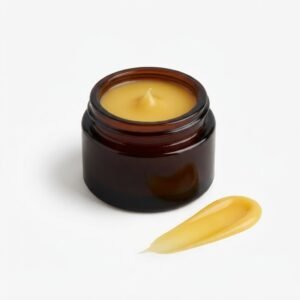
Calendula Balm Plus
Where redness meets dryness. A richer, more restorative calendula balm with rosehip and sea buckthorn to replenish, soften, and support visible renewal.

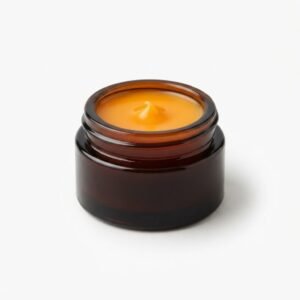
Seabuckthorn Balm
For skin that feels thinner, more fragile, less resilient. A concentrated restorative balm that helps rebuild a sense of density and protection while supporting lasting comfort.
Scrub
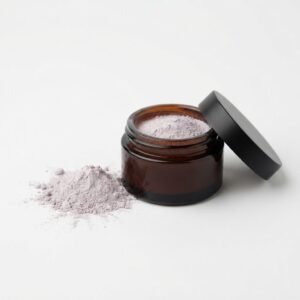
Bio-Refining Scrub
The gentlest kind of renewal. A powder you activate yourself — with water for a light polish or oil for a buffered, nourishing treatment.
Continue Reading
Support Your Skin
Our natural product collection at Ossie Naturals is formulated specifically to support your skin’s natural adaptive processes. Each product provides the building blocks your skin needs, from barrier-supporting lipids to adaptive antioxidants.
We don’t believe in dramatic seasonal routine overhauls or aggressive treatments that fight against your skin’s natural processes. Instead, our approach focuses on gentle, consistent support that works with your skin’s intelligence rather than against it.
Join our private community on Facebook or join our Newsletter for access to seasonal transition guides, ingredient education, and products specifically formulated to support your skin through changes because your skin’s adaptive intelligence deserves support, not interference.
Performance‑led, nutrient‑rich compositions
Our House Collection
Calendula Balm - Original™
Restorative and Calming Concentrate
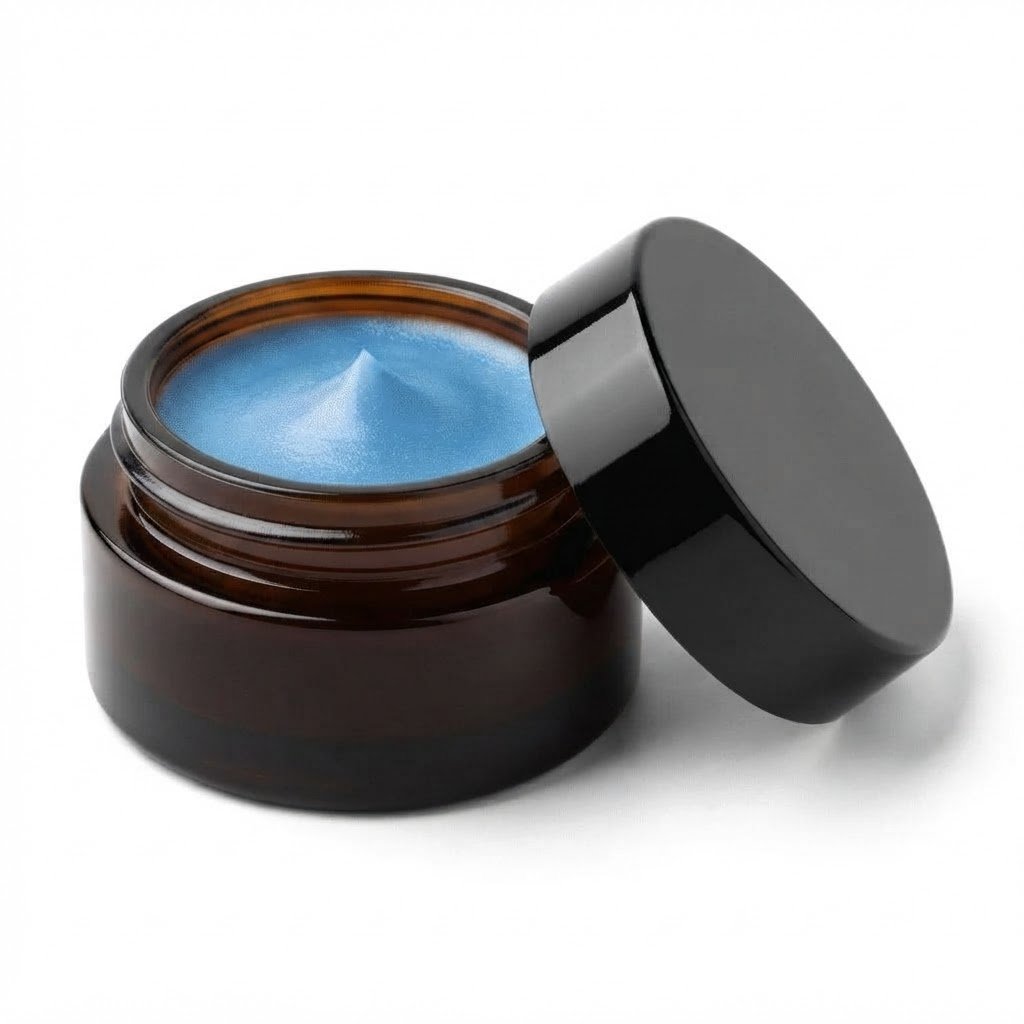
Azure Tansy
Balm™
Intensive Repair and Protection Complex
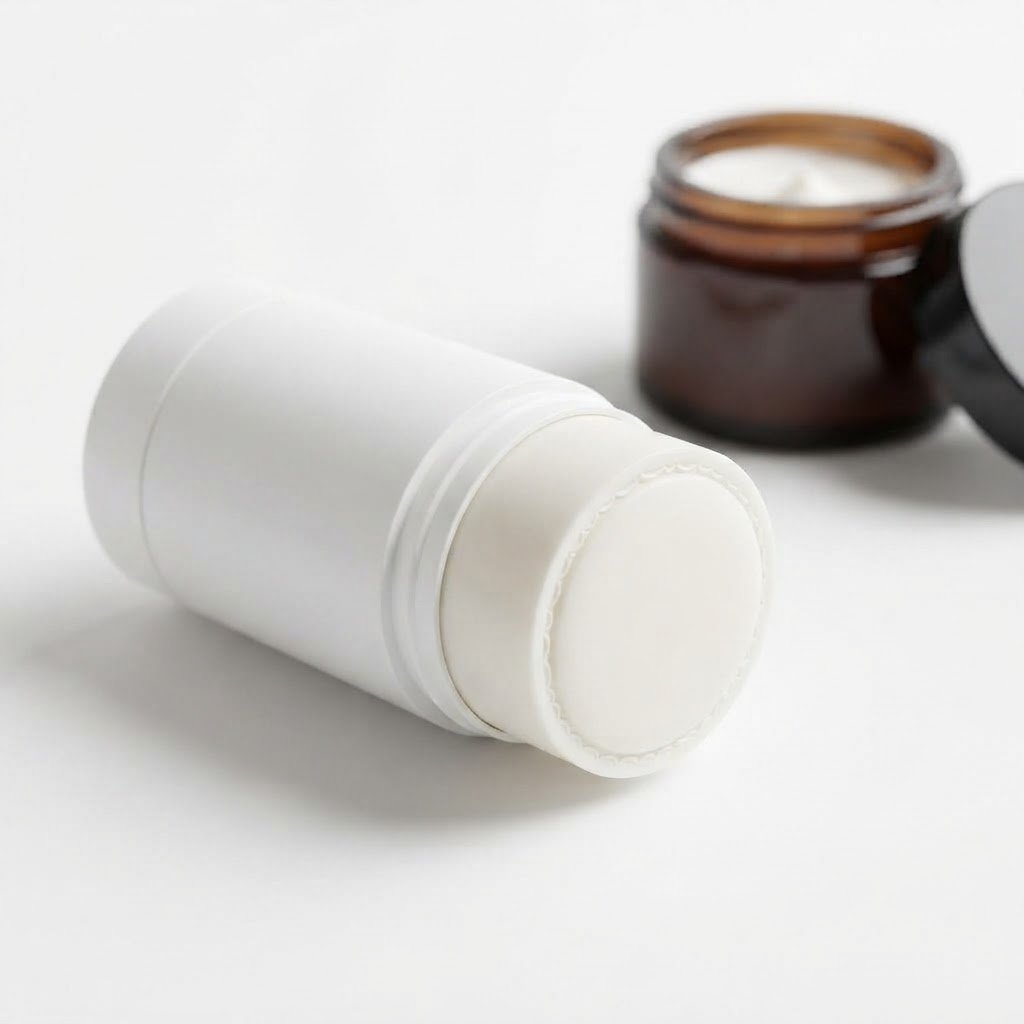
TerraPure - Original Deodorant
Powerful protection, naturally
Restorative Phyto‑Serum Oil™
Renewal and Balance. Visible transformation in every drop

We empower your skin to thrive.
Sign Up Newsletter
Ready to invest in your skin’s future with the finest natural ingredients? Explore our collections or join our community for expert tips and exclusive access.
We value your trust when sharing your personal data with us. We always treat your data in a fair and respectful manner, limited to the purpose mentioned above. If you would like to know more about how we handle your data, please read our Privacy Policy.