
Before You Buy More Skincare
A shelf full of skincare and still unsure what to use? Review what you own, understand each step and choose your next move with more confidence.

Before You Buy More Skincare: How To Make Sense Of The Routine You Already Own
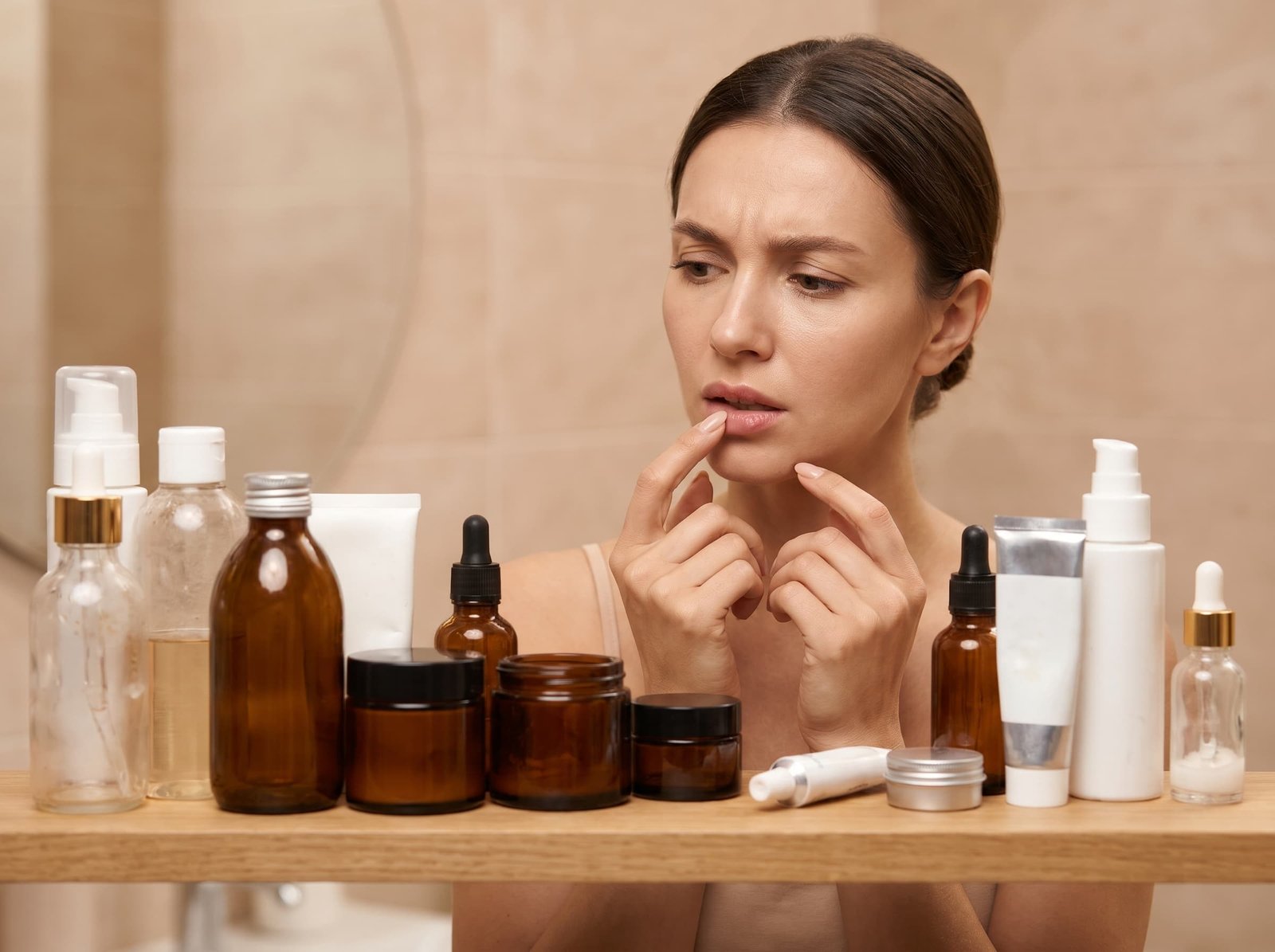
There is a particular kind of disappointment in looking at a shelf full of skincare and still feeling unsure what to use tonight.
You chose those products for a reason. Perhaps one promised more comfortable skin, another answered a concern about uneven tone, and a third came from someone whose advice you trusted. Each purchase carried a little hope that your routine would finally become easier.
Now you have several half-used bottles, a few forgotten samples and a familiar question: what actually belongs here?
When your skin feels sensitive or unpredictable, another recommendation can feel both reassuring and exhausting. You want help, but you are tired of beginning again.
Before you buy more skincare, give the routine you already own a considered review. Understanding why you use each product, what you notice afterwards and which questions remain unanswered gives you a clearer starting point for your next decision.
Start With What You Want To Feel More Comfortable About
Begin with your own experience. What is difficult at the moment?
Perhaps your cheeks feel tight by lunchtime. Perhaps removing make-up leaves your skin uncomfortable. You might be trying to soften the appearance of fine lines while wondering whether the extra treatment steps suit you.
Write down the concern that matters most today in one ordinary sentence: “My face feels uncomfortable after my evening routine.”
That sentence is more useful than deciding you need a new serum. It describes the problem before choosing a purchase.
You can care about several things at once. The purpose is to identify which concern deserves attention first, so every bottle is no longer being asked to address everything.
If your skin is persistently sore, repeatedly developing a rash or becoming more uncomfortable, arrange appropriate professional assessment. A shelf review can organise useful information, but recurring symptoms need more than another product experiment.
Gather What You Actually Use
Place your facial skincare together, including the occasional products that are easy to forget: the exfoliating pad, weekend mask, sample sachet, make-up remover and treatment used whenever your skin looks tired.
Include the products you use on rushed mornings and late evenings, not just the routine you would describe on an ideal day.
Then separate what you currently use from unopened alternatives and products you have already stopped using. Keeping them together can make your daily routine look more complicated than it is, while hiding the occasional steps that deserve attention.
Write down product names rather than relying on the colour of the bottle. Add the opening date where you know it, the instructions and how often you actually use it.
There is no need to test anything on your skin during this review. Read the packaging and make a small inventory. You are giving yourself a reliable picture of your habits before deciding whether to change them.
Give Each Product A Clear Job
Beside each product, finish this sentence: “I use this because…”
Try to name a practical purpose. You might use a cleanser to remove the day’s products, a moisturiser for a dry feeling, or a sunscreen for sun protection. An optional cosmetic step might have a specific purpose related to texture or appearance.
Words such as serum, essence and concentrate describe product categories. They do not tell you enough about what a particular formula is intended to do. Check its description and directions rather than assuming every serum serves the same purpose.
Watch for answers that are mainly habit: “I bought it with the set,” “Everyone recommended it,” or “I thought this step was necessary.”
Those answers explain how the product arrived. They leave open whether it still has a useful place.
Notice overlapping purposes too. Two moisturising products may offer different textures or suit different circumstances. Equally, you may be using both each evening simply because both are open.
Overlap is a question to examine, rather than proof that either product is unnecessary. Ask what the additional step contributes to your actual routine and whether you can explain why you use it.
Look At Frequency, Amount And Method
Your inventory should describe how you use a product as well as what it is.
A step suggested for occasional use can gradually become an everyday habit. A cleanser might be used once, then repeated because your skin does not feel sufficiently clean. A cloth may have become part of every wash, even on evenings when there is little to remove.
Compare those habits with the product’s instructions. Record anything you are uncertain about, including the order of application or whether a particular combination was recommended.
Check whether you have started using several optional treatment steps together. The individual products may have different names while your evening has quietly become much more involved.
If discomfort follows the routine, that observation deserves attention. It does not establish which product or ingredient caused it.
Avoid adjusting several amounts, frequencies and products at once in an effort to find out. First, make the routine clear enough to explain. That information gives you a better basis for a measured adjustment or a conversation with the person advising you.
Check Whether The Product Is Still Suitable To Use
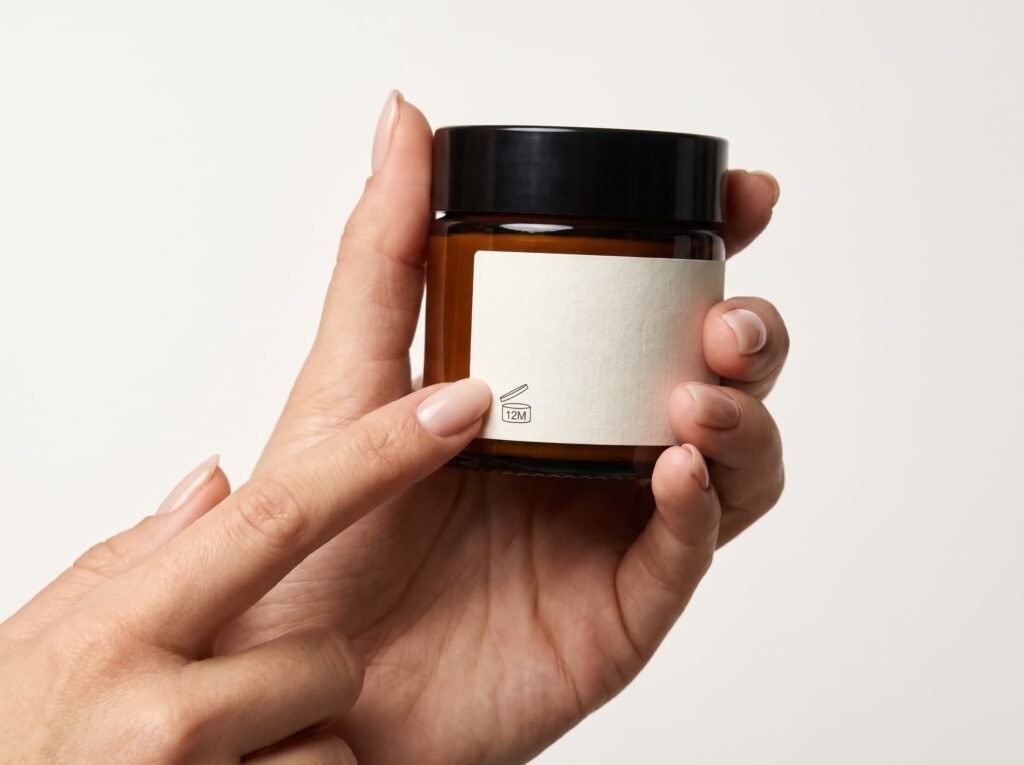
A half-full jar can create a feeling of obligation, especially when it was expensive. Its remaining quantity is only one part of the decision.
Check the expiry or recommended use period, storage directions and condition of the packaging. The open-jar symbol, often followed by a number and the letter M, indicates the recommended period after opening in months.
If you cannot remember when you opened something, record that uncertainty. Ask the manufacturer if you need clarification about its use period or storage.
Follow the product’s instructions and set aside anything beyond its recommended period. Changes in smell, colour or consistency also deserve attention; an unchanged appearance alone does not establish that an old product is still suitable.
A product you have repeatedly found uncomfortable does not become a better choice because you want to finish it. You can acknowledge the money already spent while deciding carefully about what happens next.
This review should leave you with more confidence about what is in use, rather than a new obligation to empty every bottle.
Give Each Product A Provisional Place
Once you understand the products, organise them into three practical groups. These are working decisions about your routine, rather than permanent verdicts on a formula.
Familiar And Currently Comfortable
These are the products whose purpose you understand, which remain within their use period and which feel comfortable in your present routine.
Familiarity is useful information, although it is not a guarantee of future tolerance. Keep the details that matter: the particular product, how you use it and the circumstances in which it feels suitable.
Keep prescribed products and professionally managed care on their agreed plan. If you are worried about them, speak to the prescriber or adviser before making changes.
Optional Or Duplicated
These are steps you are unsure you need, use mainly from habit, or cannot distinguish clearly from something else you already own.
An optional product can still be enjoyable. A routine is allowed to include pleasure, texture and personal preference. You simply need to recognise the difference between enjoying a step and believing your skin must have it.
You can put an unopened alternative aside while you decide whether it answers a genuine need. Owning it does not require introducing it tonight.
Set Aside Or Ask About
This group includes products outside their use period, items with unclear instructions and products associated with repeated discomfort.
The next action depends on the question. A manufacturer can clarify packaging and use directions. A pharmacist or appropriate healthcare professional can advise about recurring symptoms or medicines.
Avoid repeatedly applying a suspect product to prove that it is responsible. Your notes are there to help explain the experience, not to create a home challenge test.
What This Looks Like With Your Own Products
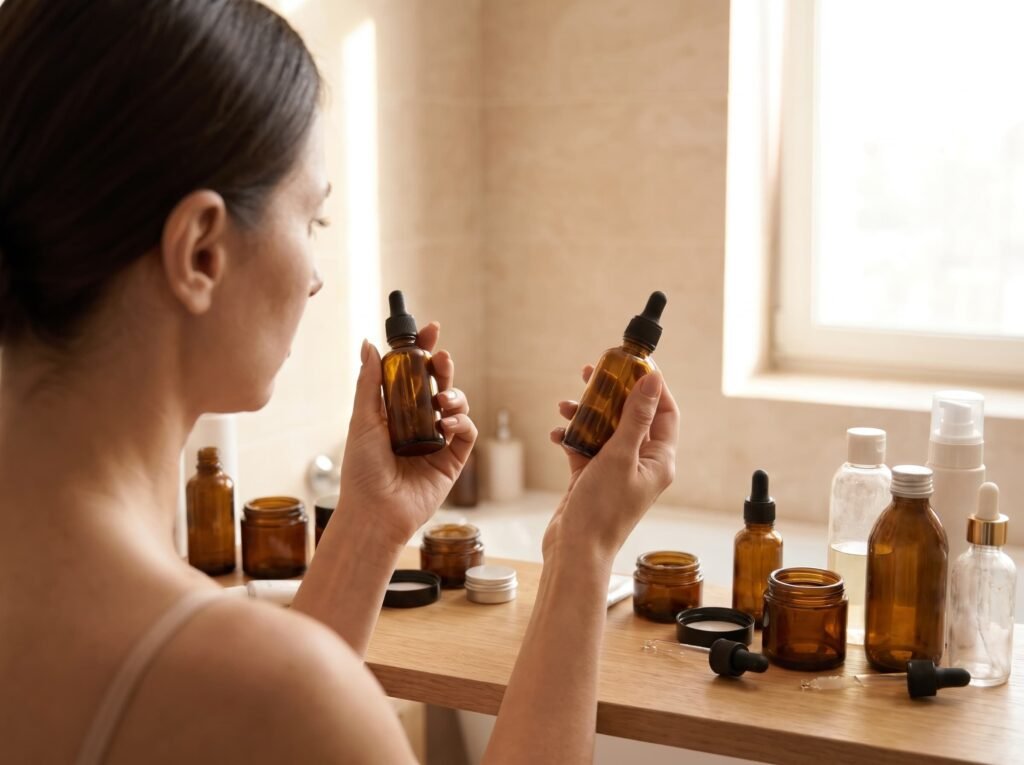
Imagine this is your shelf: a familiar cleanser, a moisturiser, a sunscreen, two serums, an exfoliating toner and a mask.
The number alone tells you very little. The useful details emerge when you write beside each one.
You understand why you use the cleanser, moisturiser and sunscreen. One serum was bought for a specific concern. The second arrived in a set, and you have been using it because it was there.
The toner was intended for occasional use, but you have started reaching for it most evenings. The mask appears whenever your skin looks dull, sometimes on the same evening.
This inventory gives you several questions: does the second serum add something you want? Are you following the toner’s directions? Were the optional steps intended to be used together?
It does not identify a culprit or prove that your whole routine is unsuitable. It shows where you need clearer information.
Your next step might be checking instructions, putting an unopened duplicate aside or discussing discomfort with a professional. None of those decisions requires buying a replacement for every product you question.
Use This Short Routine Review
Copy the questions below into a note or onto a sheet of paper. Complete one entry for each product you currently use.
| Question | Your Note |
|---|---|
| Which product is this? | Name and version, if relevant |
| Why do I use it? | One clear purpose |
| How do I actually use it? | Morning or evening, frequency and method |
| Is it within its use period? | Opening date, packaging guidance or question to check |
| What do I notice? | Your experience, including comfort and timing |
| What needs deciding? | Keep in the current routine, optional, set aside or ask about” so I copy and paste for WP post |
A useful note might read: “Second serum. Bought in a set. Used every evening. Unsure what it adds beyond the first serum. Check its purpose before continuing both.”
That is enough to identify the next question. You do not need to decode every ingredient or give each product a score.
For now, stay with the inventory. A detailed record of changes over time is a separate task; this first review should feel manageable.
Before Buying, Finish One More Sentence
Once you have reviewed the shelf, return to the product you were considering buying.
Finish this sentence: “I am considering this because my current routine does not…”
The answer might be practical: remove the make-up you wear comfortably, provide a texture you enjoy using, or meet a particular need you have discussed with a professional.
Then check whether something you already own addresses that purpose and remains suitable to use.
If the answer is mainly that the product is popular, new or recommended by someone with different skin, give yourself time to consider its relevance to you.
When a new purchase does have a clear purpose, you can ask better questions about instructions, scent, texture and how it fits alongside your existing products. Introduce it according to its directions and any individual advice you have received. A strong or worsening response calls for stopping the experiment and seeking appropriate guidance.
You are allowed to buy skincare. You are also allowed to decide that today’s most useful action is understanding what you already have.
A Final Word
Looking at half-used skincare can bring a quiet sense of failure. You may remember how hopeful you felt when you bought it, or wonder whether you should have known better.
You made those choices while trying to care for yourself. Some may still serve you well. Others may belong to a different stage of your routine or need a question answered before you use them again.
A considered review lets you recognise both. It makes room for the products you understand and enjoy, while giving you permission to pause a purchase or ask for help.
You do not have to make every decision in one evening. Begin with the concern that matters most, write down what you actually use and choose one question to resolve.
Over time, that is the kind of confidence worth building: being able to explain your choices, notice when your experience changes, and seek support with a clearer account of what has happened. Your routine should feel like something you can understand and return to, rather than another task you keep getting wrong.
For help with a particular part of the review, continue with the related Journal guides below.
Continue Reading
Sensitive Or Sensitised? Why Skin Can Suddenly React To Products It Once Tolerated – Understand the difference between a familiar pattern of sensitivity and a change in your skin’s response.
Do You Really Need To Double Cleanse? – Consider whether a second cleansing step has a clear purpose in your evening.
Why Your Skin Can Still Feel Dry After Moisturising – Explore the different roles of water, oils and lipids before deciding you need another moisturising layer.
Support Your Skin
Our natural product collection at Ossie Naturals is formulated specifically to support your skin’s natural adaptive processes. Each product provides the building blocks your skin needs, from barrier-supporting lipids to adaptive antioxidants.
We don’t believe in dramatic seasonal routine overhauls or aggressive treatments that fight against your skin’s natural processes. Instead, our approach focuses on gentle, consistent support that works with your skin’s intelligence rather than against it.
Join our private community on Facebook or join our Newsletter for access to seasonal transition guides, ingredient education, and products specifically formulated to support your skin through changes because your skin’s adaptive intelligence deserves support, not interference.
Performance‑led, nutrient‑rich compositions
Our House Collection
Calendula Balm - Original™
Restorative and Calming Concentrate
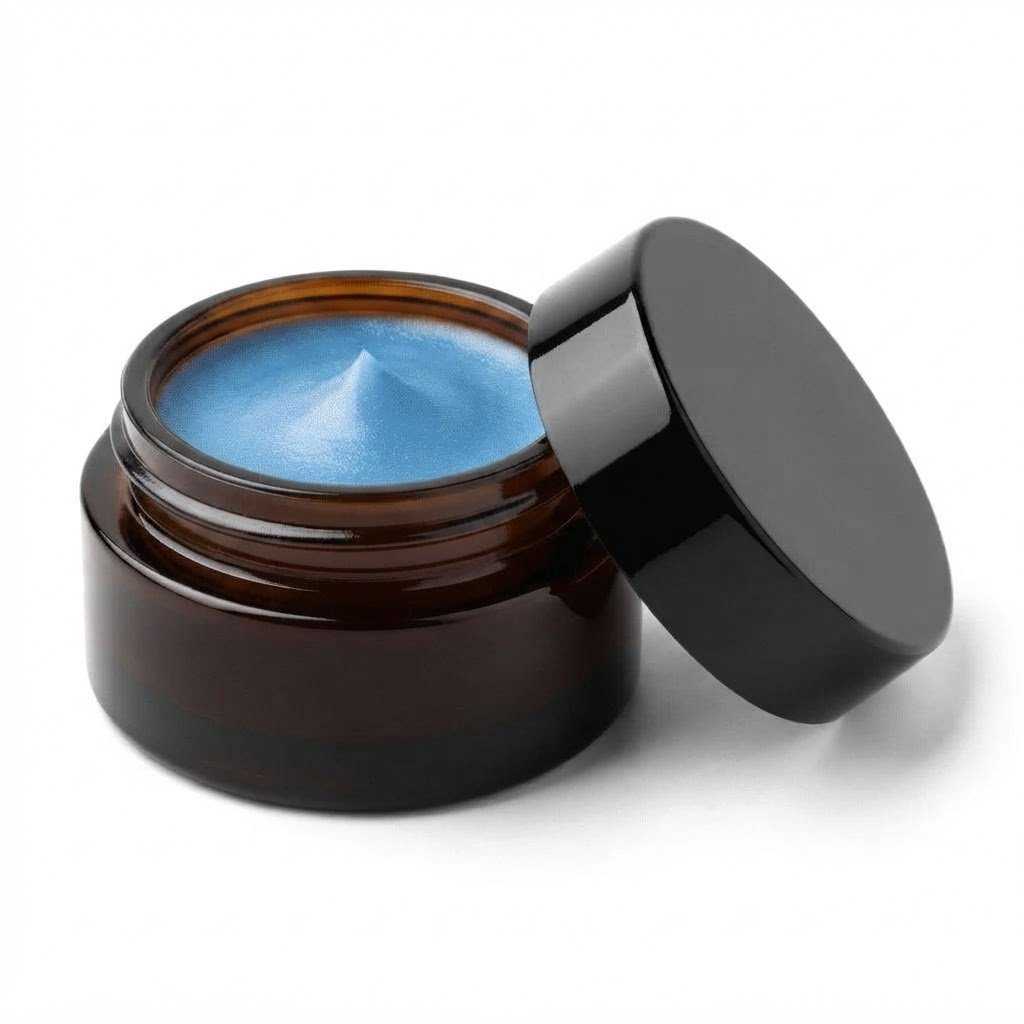
Azure Tansy
Balm™
Intensive Repair and Protection Complex
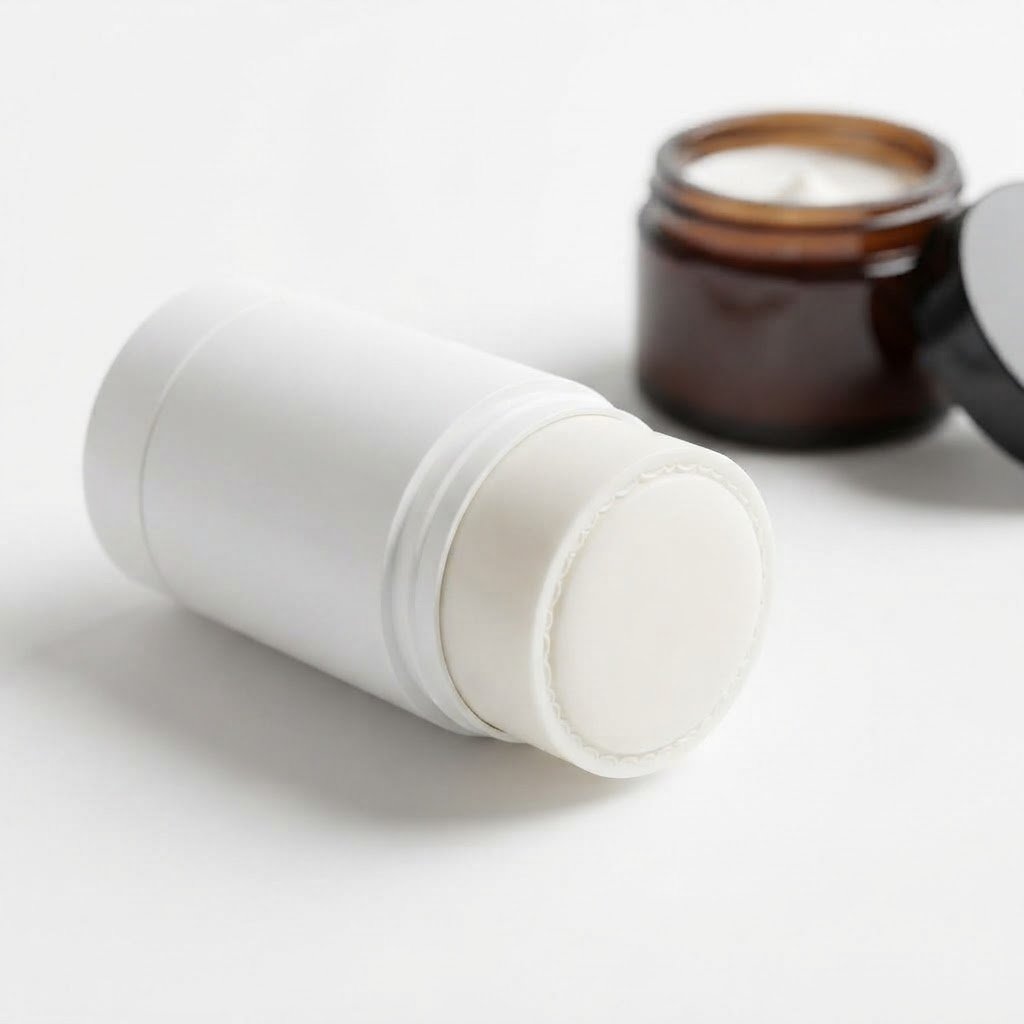
TerraPure - Original Deodorant
Powerful protection, naturally
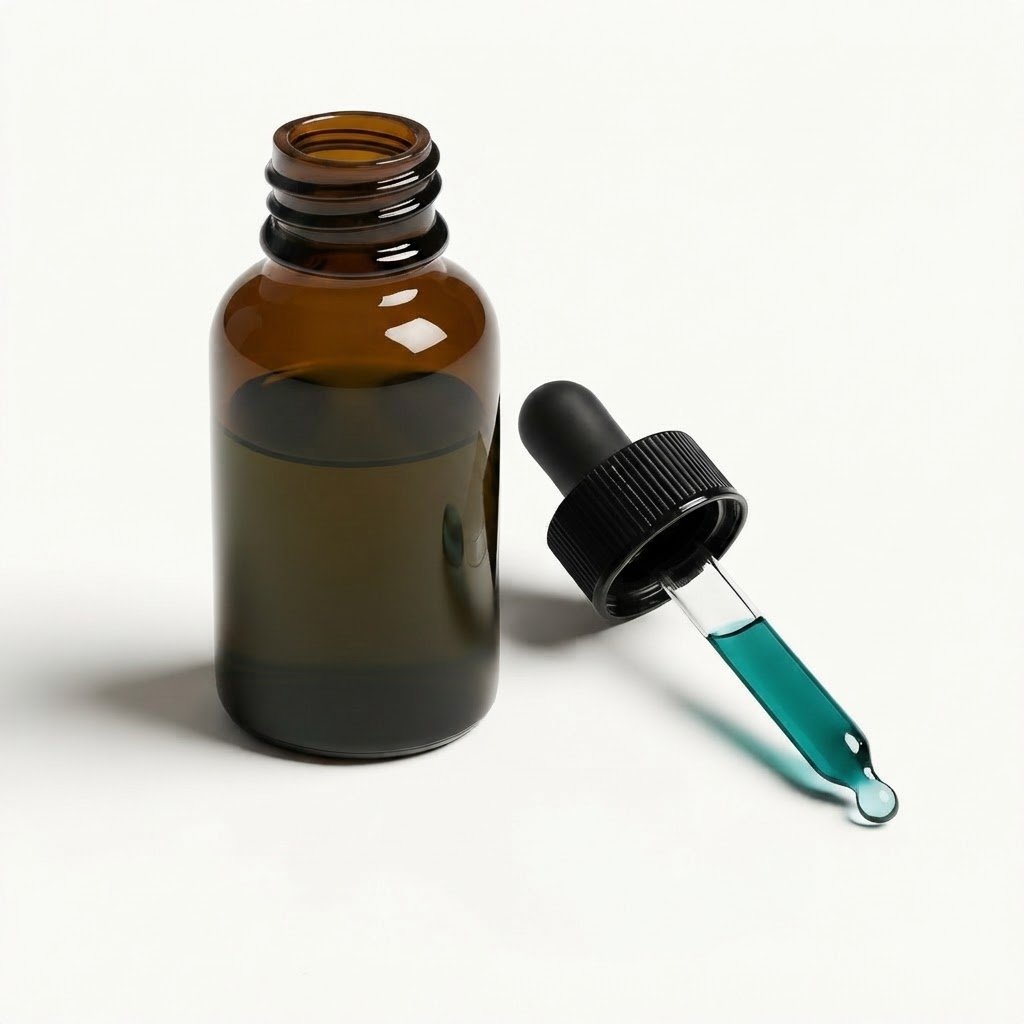
Restorative Phyto‑Serum Oil™
Renewal and Balance. Visible transformation in every drop
We empower your skin to thrive.
Sign Up Newsletter
Ready to invest in your skin’s future with the finest natural ingredients? Explore our collections or join our community for expert tips and exclusive access.
We value your trust when sharing your personal data with us. We always treat your data in a fair and respectful manner, limited to the purpose mentioned above. If you would like to know more about how we handle your data, please read our Privacy Policy.