Your Skin in Your 40s: What’s Actually Happening Beneath the Surface
Skin in your 40s often feels drier, duller, more reactive, and less firm. Here’s what is shifting beneath the surface and why it matters

What’s Happening Beneath the Surface

Skin changes in your 40s are common — but they can feel sudden and confusing when you do not know what is driving them.
You are doing everything you have always done. The same cleanser. The same moisturiser. Roughly the same routine. And yet your skin is responding differently. It feels drier, duller, or more reactive than before. A mark that would once have faded in two weeks is still visible at six. There is a softness somewhere around the jaw that catches you off guard in certain light.
That shift is not random. It is not a failure of your skincare. And it is certainly not a failure of you.
What is happening in your skin in your 40s is the result of several long-running biological processes arriving, roughly simultaneously, at a point where they become more visible. Understanding what those processes are — clearly, without alarm — is one of the most useful things you can do for your skin in this decade.
This is that explanation.
Why the 40s Feel Like a Turning Point
Skin changes throughout life, gradually and continuously. Changes in firmness, moisture, and renewal begin well before 40 — but in this decade, several of those gradual shifts often reach a collective threshold at the same time.
It is not that everything begins here. It is that the cumulative effect of time, UV exposure, hormonal fluctuation, and shifts in the skin’s own internal processes becomes harder to overlook. Several things converge at once — and the experience is skin that feels structurally different: less resilient, more particular, slower to recover.
Each of those changes has a specific explanation. And each one points toward what skin actually needs in this chapter.
Why Skin Loses Firmness After 40
One of the first things many women notice in their 40s is a subtle change in how the skin holds its shape — a slight loss of the firmness and spring that once felt effortless.
This is closely connected to collagen and elastin, the proteins that give skin its structure, resilience, and ability to bounce back after movement. Throughout life, the body continually builds and breaks down these proteins. Over time, the balance between production and breakdown tends to shift, so that the net result is a gradual softening beneath the skin’s surface.
Cumulative UV exposure plays a significant role here. Sun damage is one of the most consistently documented factors associated with collagen degradation over time — which is why the skin on the inner arm, rarely exposed to sun, tends to age more slowly than the skin on the face, neck, and décolletage.
What this looks like: expression lines that once disappeared at rest may begin to linger; contours may feel less defined; skin may look slightly less full than it used to.
Why Skin Gets Drier After 40
Perhaps the most disorienting change for women who have never had dry skin is discovering it for the first time in their 40s. Women who spent their twenties managing oiliness often find themselves, a decade later, reaching for richer products they never expected to need.
For many women, the 40s overlap with a period of hormonal fluctuation — a gradual shift that can influence natural oil production and the skin’s ability to hold moisture within its barrier layer.
The skin’s barrier — the lipid-rich layer that helps seal water in and keep external irritants out — is made up largely of fatty acids, ceramides, and other lipids arranged between skin cells. Think of it as natural waterproofing. When that structure is intact, skin feels comfortable, supple, and calm. When it becomes less robust — through hormonal shifts, environmental exposure, or the routine use of products that are too stripping — skin loses moisture more readily.
The result is not just surface dryness. It is a deeper kind of thirst: skin that feels tight, reactive, and slower to recover from ordinary daily stressors.
Skincare that helps replenish barrier-supporting lipids can improve multiple concerns at once — because when the barrier is more stable, skin is often more comfortable, more resilient, and better able to retain moisture.
Why Skin Looks Duller and Feels Rougher in Your 40s
Younger skin has a relatively brisk renewal rhythm. Older surface cells are shed and are replaced by fresher ones at a pace that keeps the surface smooth, even, and light-reflecting.
In the 40s, that renewal rhythm tends to slow. When old cells linger longer on the surface, skin can look less bright and feel less smooth to the touch.
This is also why products that once absorbed quickly may now feel as though they sit differently than they once did — the slower-turning surface layer can change the way skin feels and responds.
What this looks like: an overall flatness or lack of luminosity; texture that feels less refined; a general sense that the skin is not as alive as it used to be.
Very gentle, periodic exfoliation — combined with consistent lipid nourishment — tends to address this more reliably than aggressive surface removal, which can further disrupt a barrier that is already asking for support.
Why Pigmentation Lasts Longer After 40
Many women find that marks, sun spots, and areas of uneven tone become more prominent in their 40s — and that pigmentation that once faded in a few weeks now persists for much longer.
Three things tend to converge here:
- Cumulative UV exposure: Years of sun exposure affect the skin’s pigment-producing cells. In the 40s, that accumulation often becomes visible in ways it did not before.
- A slower renewal cycle: When the skin’s surface turns over more slowly, unevenness takes longer to resolve. Marks that a faster-renewing skin would have shed more quickly simply linger.
- Hormonal fluctuation: For many women during this period, shifting hormones can make pigment-producing activity more responsive to triggers like sun, heat, and inflammation.
Without consistent daily sun protection, pigmentation is very difficult to improve, regardless of what else you use. SPF is not optional in a 40s routine — it is the foundation on which everything else depends. A gentle approach to surface renewal, combined with ingredients chosen to support a more even-looking tone, can then build meaningfully on top of that foundation.
What this looks like: patches of deeper colour that feel resistant to products that previously worked; new spots appearing more readily after sun exposure; a general unevenness that feels new and hard to shift.
Why Skin Becomes More Sensitive in Your 40s
For many women, the most surprising change of this decade is discovering that skin that was never particularly sensitive has become reactive, easily flushed, or prone to irritation that it never showed before.
This is closely connected to the changes in barrier function described above. When the lipid layer is robust, it acts as a buffer between the skin surface and everything it encounters — environmental particles, temperature changes, product ingredients. When that buffer becomes less resilient, the gap between the outside world and the skin’s reactive layer narrows.
Things that once passed without incident may now trigger a flush, a sting, or a prolonged sensitivity response.
Paradoxically, one of the most common contributors to this new reactivity is skincare itself. Products that were never particularly disruptive on resilient skin can become more disruptive when the barrier is under-resourced. High-concentration exfoliants, alcohol-based formulas, and stripping cleansers can all contribute to the cycle of sensitivity — even when used at the same frequency as always.
As skin becomes drier and more reactive, it often tolerates simpler, more compatible formulations more comfortably than highly stimulating ones.
What Actually Helps Skin in This Decade
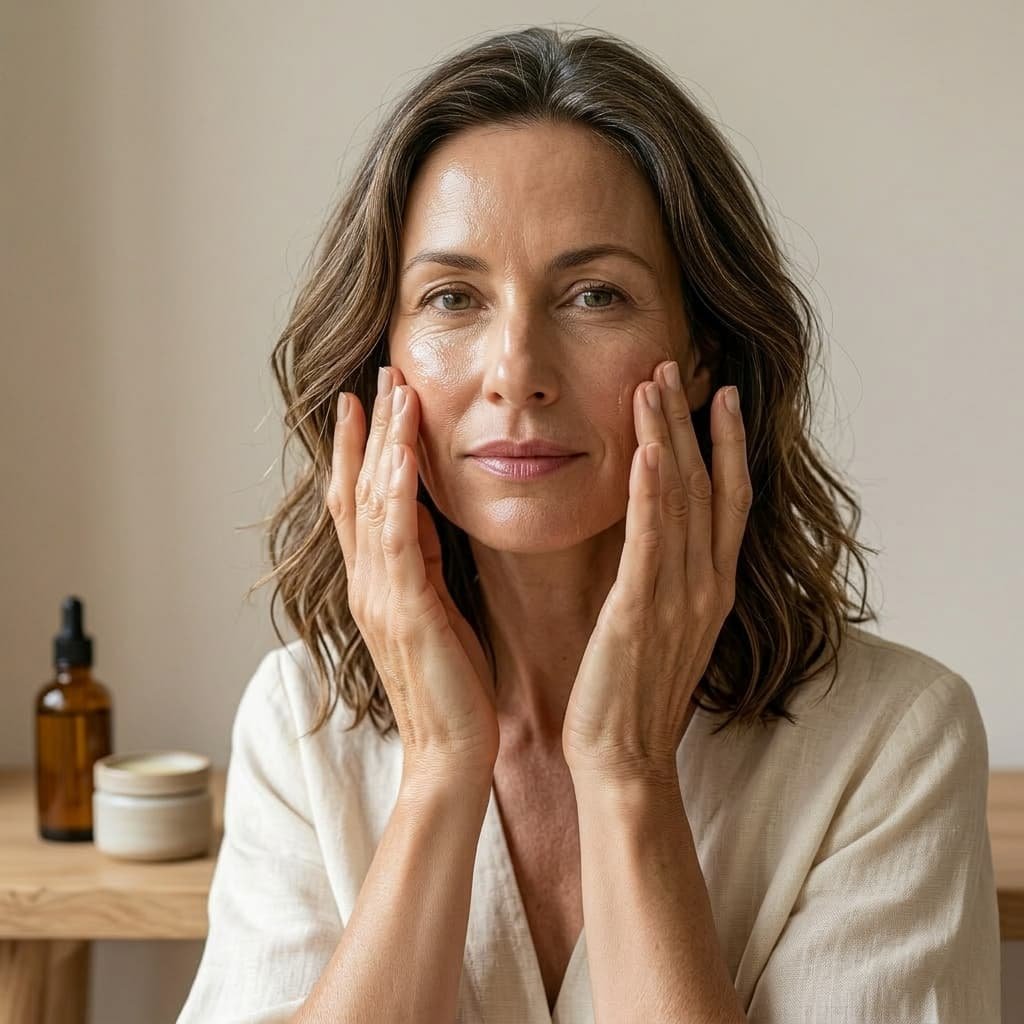
The picture that emerges from these shifts is consistent. Skin in the 40s is not becoming difficult. It is asking for a different kind of support — care that works with its changing biology rather than demanding that it perform as if nothing had changed.
In practical terms, this means:
- Cleanse gently, without stripping. The skin’s lipid barrier is now a resource worth protecting. A cleanser that removes that layer along with daily residue, works against the skin rather than for it.
- Help replenish barrier-supporting lipids. Dryness, dullness, sensitivity, and slower pigment resolution often share the barrier’s integrity as a common thread. Skincare that supports barrier function can improve multiple concerns at once.
- Use active ingredients thoughtfully, not aggressively. Actives still have an important role in a 40s routine. They simply work best when the barrier beneath them is supported rather than depleted.
- Choose consistency over intensity. Skin in this decade tends to respond better to a steady, calibrated rhythm than to occasional intensive interventions.
- Wear sunscreen every day. If firmness, pigmentation, and barrier resilience are priorities, daily SPF is essential. It protects the progress your skincare is trying to make.
Why a Bio-Compatible Approach Makes Particular Sense After 40
Bio-compatible skincare describes an approach inspired by the skin’s own composition. Rather than relying on formulas that feel harsh or overly stimulating, it prioritises oils and fatty acids that align closely with the barrier’s lipid profile.
This matters more in the 40s because, as skin becomes drier and more reactive, it often responds more comfortably to formulations built around barrier support and compatibility.
Done well, this kind of skincare does more than sit on the surface. It helps support the barrier with lipids that improve softness, flexibility, and moisture retention at the barrier level.
A useful way to think about it: rather than simply coating a depleted barrier with moisture from the outside, you are supplying it with lipids that help support barrier integrity.
Two Skin-Compatible Companions for This Chapter
The BioLipid Serum Oil brings together nine cold-pressed botanical oils selected for their fatty acid compatibility with the skin’s barrier. It is lightweight enough for combination and newly reactive skin, while still nourishing enough for drier skin navigating this decade. Applied to slightly damp skin, it absorbs without heaviness and supports comfort, softness, and moisture retention.
The Calendula Balm Plus is a richer evening companion, built around calendula, beeswax, rosehip, and sea buckthorn, that supports the barrier overnight when skin naturally shifts into repair mode.
Neither product is a correction. Both are, in the truest sense of the word, support.
If Your Skin Has Changed, Start Here
If your skin in your 40s feels different, you do not need a longer routine. You need a more intelligent one.
Start with the foundations:
- Simplify anything that feels overly active or stripping
- Use daily sun protection without exception
- Support the barrier before pushing exfoliation harder
- Choose products that prioritise comfort, compatibility, and consistency
- Give skin time to respond before changing everything at once
Often, the most effective shift is not doing more. It is doing less — but doing it in a way that better reflects what your skin now needs.
The Bottom Line
Your skin in your 40s is not failing.
It is responding — with remarkable biological logic — to a real convergence of changes. And it is asking, equally logically, for care that acknowledges those changes rather than fights them.
The most effective response is not more products, harsher ingredients, or more intensive intervention. It is understanding what is shifting and why, then meeting it with something calibrated, compatible, and consistent.
The right ingredients. The right form. Given the time they need.
Support Your Skin
Our natural product collection at Ossie Naturals is formulated specifically to support your skin’s natural adaptive processes. Each product provides the building blocks your skin needs, from barrier-supporting lipids to adaptive antioxidants.
We don’t believe in dramatic seasonal routine overhauls or aggressive treatments that fight against your skin’s natural processes. Instead, our approach focuses on gentle, consistent support that works with your skin’s intelligence rather than against it.
Join our private community on Facebook or join our Newsletter for access to seasonal transition guides, ingredient education, and products specifically formulated to support your skin through changes because your skin’s adaptive intelligence deserves support, not interference.
Performance‑led, nutrient‑rich compositions
Our House Collection
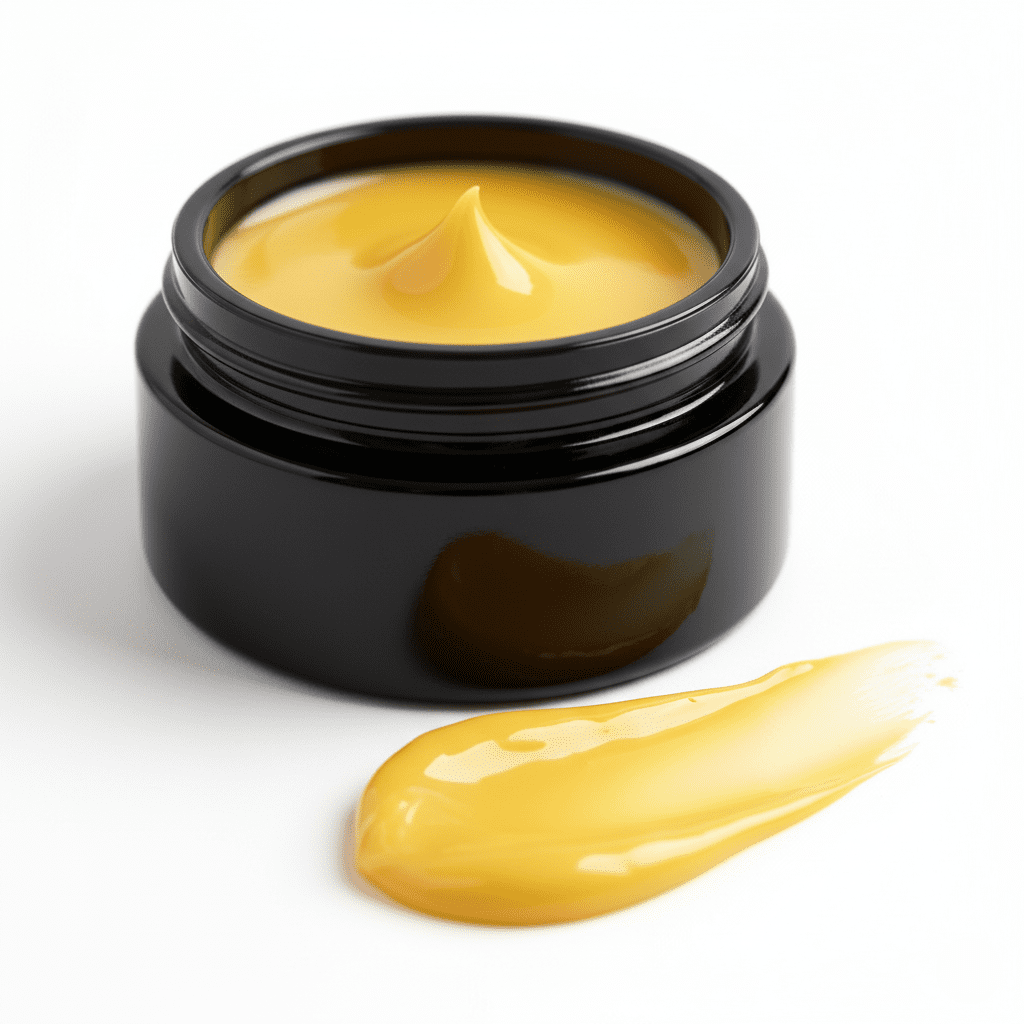
Calendula Balm - Original™
Restorative and Calming Concentrate
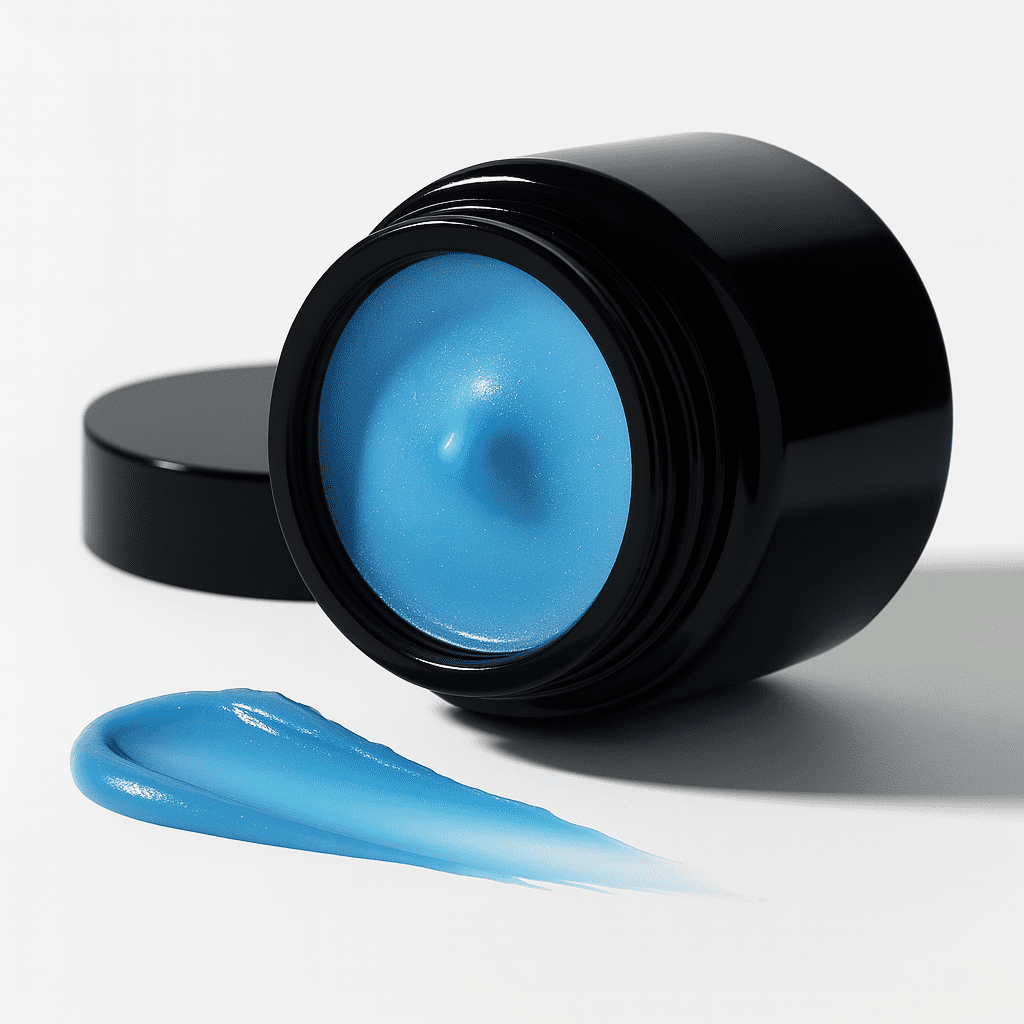
Azure Tansy
Balm™
Intensive Repair and Protection Complex
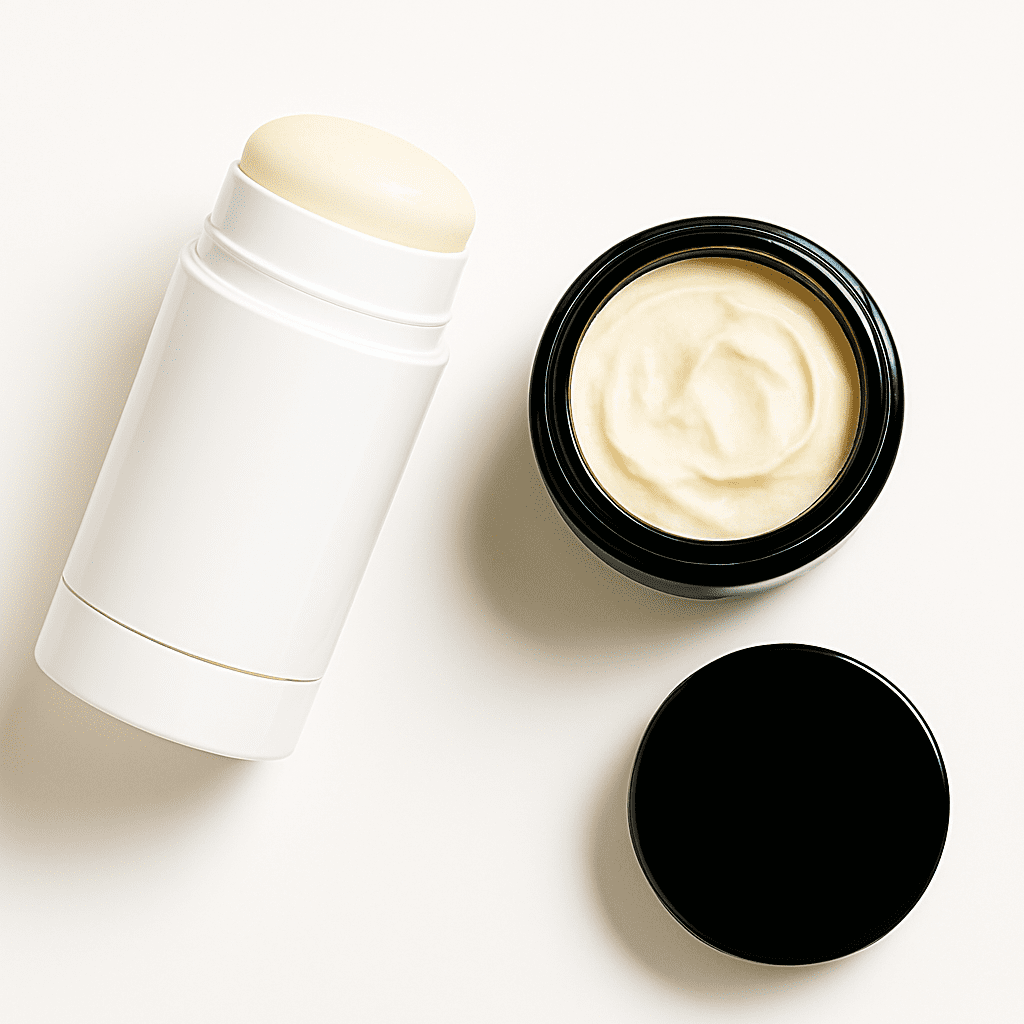
TerraPure - Original Deodorant
Powerful protection, naturally
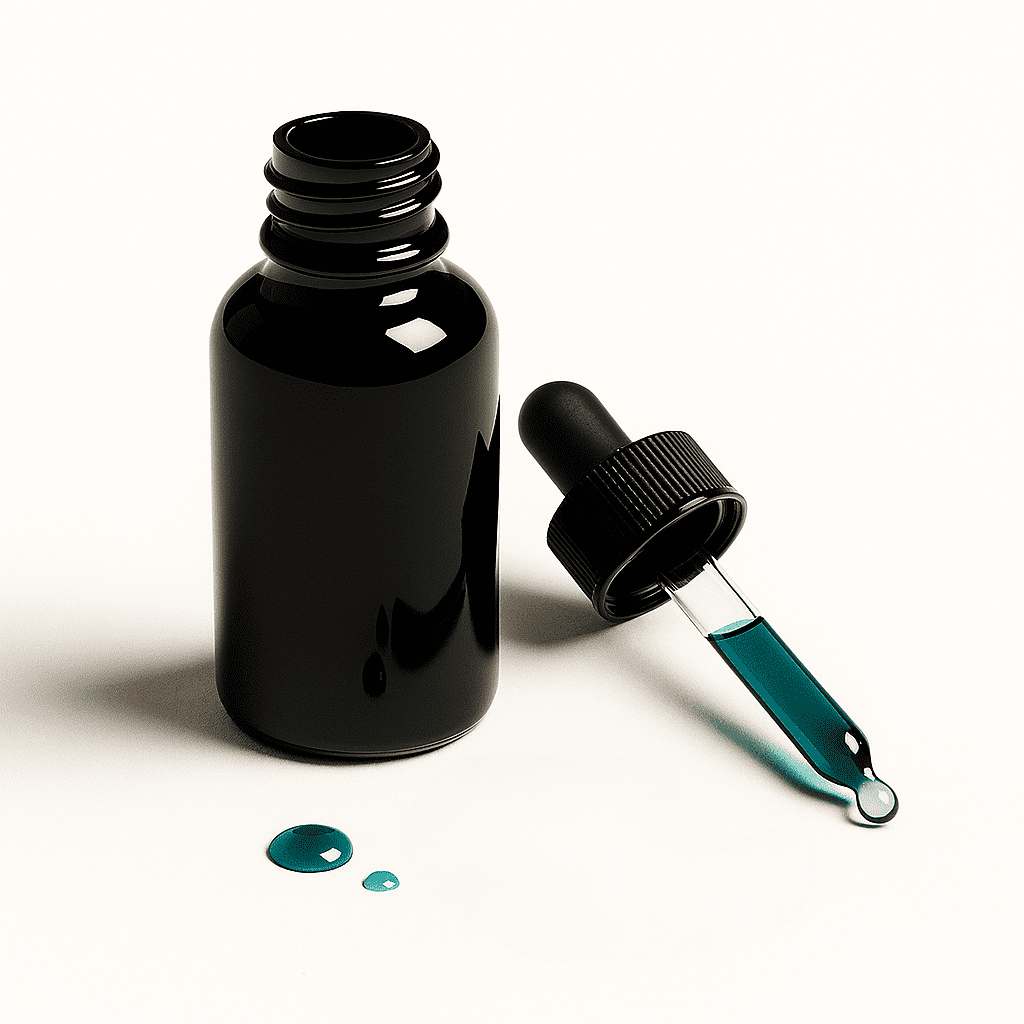
Restorative Phyto‑Serum Oil™
Renewal and Balance. Visible transformation in every drop
We empower your skin to thrive.
Sign Up Newsletter
Ready to invest in your skin’s future with the finest natural ingredients? Explore our collections or join our community for expert tips and exclusive access.
We value your trust when sharing your personal data with us. We always treat your data in a fair and respectful manner, limited to the purpose mentioned above. If you would like to know more about how we handle your data, please read our Privacy Policy.