The Lipid Language Your Skin Speaks: Why Bio-Compatible Oils Feel So Different
Why do some oils feel right on the skin while others sit on the surface? Here’s how lipids, barrier support, and botanicals shape compatibility

The Lipid Language Your Skin Speaks
There is a particular feeling most people recognise, even if they have never quite known how to describe it.
You apply an oil or a balm, and it settles almost immediately. No drag. No greasy film. No sense of something sitting on the surface waiting to disappear. The skin simply feels more comfortable, more supple, more at ease.
And then there are the other experiences: formulas that feel rich in the hand but somehow leave the skin tight an hour later, oils that sit heavily on the surface, or products with impressive ingredient lists that never seem to do very much at all.
The difference rarely comes down to luxury or price alone. More often, it comes down to compatibility: how well a formula’s lipid composition supports the skin’s surface, and how closely it works with what the barrier is already trying to do.
The Skin Barrier: What It Is and Why It Matters
The skin barrier — specifically, the stratum corneum — is often spoken about as though it were simply a covering. In reality, it is a highly organised structure, and much of its strength depends on the lipids arranged between skin cells.
Rather than thinking of it as a single surface, it is more helpful to think of it as a layered membrane: a finely arranged system in which skin cells are held together by a matrix of ceramides, cholesterol, and free fatty acids. These lipids are organised in lamellar layers that help the skin retain water while limiting the entry of external irritants.
When that organisation is functioning well, skin tends to feel soft, resilient, and calm. Moisture is better retained. The surface feels smoother. Light reflects more evenly. Skin is generally less reactive.
When that organisation becomes disrupted, the change is often both visible and immediate. Skin may begin to feel dry in a way that is not easily relieved, tightness may return soon after cleansing, texture may seem rougher, and products that were once well tolerated may suddenly feel too much.
Why Skin Starts Losing Its Lipid Fluency
The barrier does not change for one single reason. Usually, several pressures begin to converge at once.
Age is one of them. Over time, skin naturally produces fewer of the lipids that help maintain comfort and cohesion at the surface. Cell turnover also slows, which affects how efficiently the outer layers are renewed and supported. For many women in their late thirties, forties, and fifties, especially during periods of hormonal fluctuation, this can become increasingly noticeable. Skin that once felt easy and predictable can begin to feel drier, more reactive, and slower to recover.
But age is only part of the story.
Cumulative UV exposure affects not only collagen deeper in the skin, but also the quality and function of the outer barrier over time. Daily sun protection remains one of the most important ways to reduce that ongoing external stress. Repeated use of harsh cleansers can remove more than makeup or excess oil. Over-exfoliation can leave the surface less able to hold onto moisture. Cold weather, indoor heating, pollution, wind, and chronic environmental stress all place extra demands on a barrier that may already be working with fewer resources than before.
The result is not necessarily damaged skin in a dramatic sense. More often, it is skin that has become less fluent in its own lipid language: less resilient, less forgiving, and more responsive to the quality of what it is given.
Why Some Oils Feel Instantly More Compatible
Not all oils behave the same way on the skin, and much of that difference comes down to composition.
Plant oils are made up of different proportions of fatty acids, including oleic acid, linoleic acid, palmitic acid, and stearic acid. These influence not only texture, but also how an oil feels on the surface and how well it suits skin that is dry, sensitive, reactive, or mature.
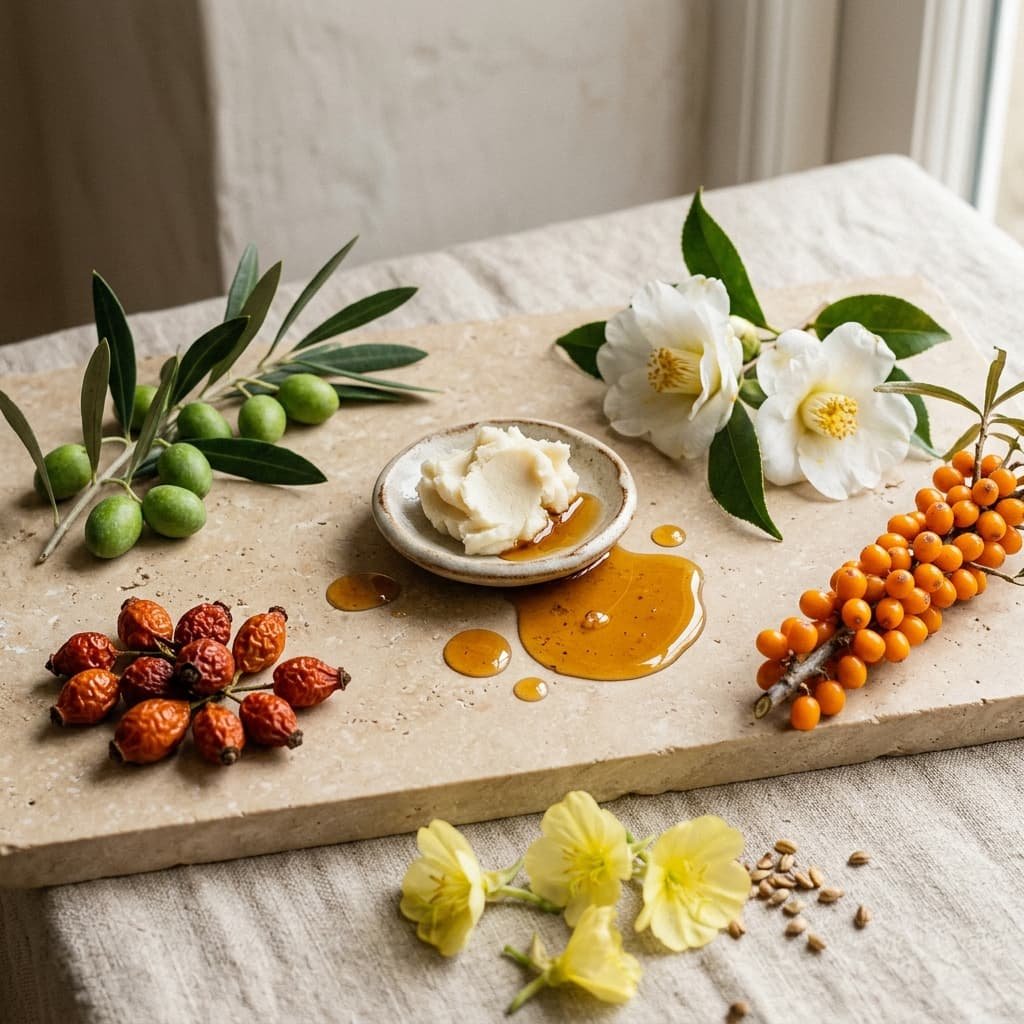
Linoleic acid is especially relevant here. It is an essential fatty acid and an important part of the skin’s wider lipid biology. Oils richer in linoleic acid are often lighter, less heavy on the surface, and particularly useful in routines designed to support a compromised or easily unsettled barrier. Grapeseed, rosehip, hempseed, and evening primrose are all examples of oils often valued for this reason.
Oleic acid plays a different role. Oils richer in oleic acid, such as olive or avocado, can feel deeply cushioning and nourishing, especially on very dry skin. But in some contexts, particularly when the barrier is already vulnerable, heavily oleic formulas may not feel ideal on their own. This does not make them bad oils. It simply means that balance matters. A well-composed formula often performs better than any single oil in isolation.
There is also more to an oil than its fatty acid profile alone. The unsaponifiable fraction — including tocopherols, sterols, carotenoids, and other minor compounds — also influences how an oil behaves and what it offers the skin. These components contribute to antioxidant activity, stability, and overall skin feel. Cold-pressed oils for ageing skin are often valued partly because they retain more of this natural complexity.
The Ingredients Behind That Feeling
Squalane
One of the most universally well-tolerated emollients in skincare — and one with a direct connection to the skin’s own surface chemistry.
Squalane is elegant because it offers softness and slip without heaviness. It is derived from squalene, a lipid naturally present in human sebum, though the stable form used in skincare is hydrogenated for better performance and shelf stability.
On the skin, squalane helps reduce moisture loss, improves suppleness, and tends to be very well tolerated, even by skin that has become newly sensitive or unpredictable. It is often one of the easiest lipids to wear because it supports comfort without leaving a dense residue behind.
Rosehip Oil
A lighter botanical oil that brings both essential fatty acids and antioxidant richness to mature, uneven, or changing skin.
Rosehip oil is especially valuable in formulas for changing or mature skin because it combines a relatively light feel with a rich nutritional profile. Naturally high in essential fatty acids, particularly linoleic acid, it is often used to support skin that feels dry, uneven, or a little less resilient than it once did.
It also contains naturally occurring carotenoids and tocopherols, which contribute antioxidant support. In a well-balanced formula, rosehip brings both lightness and substance — something many skins in their forties and beyond respond to particularly well.
Hempseed Oil
A lightweight, linoleic-acid-rich oil that suits skin that is sensitive, reactive, or easily overloaded by heavier textures.
Hempseed oil is often appreciated in barrier-supportive routines because of its high linoleic acid content and naturally light feel. It tends to absorb readily, making it especially useful in products designed for skin that is unsettled or prone to feeling weighed down.
What makes hempseed particularly suited to sensitive or easily overloaded skin is that its fatty acid profile leans toward the lighter, barrier-compatible end without sacrificing nourishment.
Evening Primrose Oil
A purposeful inclusion for skin experiencing dryness, hormonal fluctuation, or a growing sense of fragility.
Evening primrose oil is known for its content of gamma-linolenic acid, or GLA, a fatty acid often discussed in relation to dryness and skin comfort. It is a thoughtful inclusion in formulas intended for skin that feels more fragile, hormonally affected, or slower to recover from stress.
For women navigating perimenopausal or menopausal shifts, ingredients like evening primrose can make particular sense within a formula designed around softness, replenishment, and steadier barrier support.
Camellia Oil
An oleic-acid-rich oil that brings cushioning softness and a refined, conditioning feel when balanced well within a formula.
Camellia oil is prized less for trend value than for the quality of softness it brings. Its oleic-acid-rich profile gives it a supple, conditioning character, helping it soften the surface and improve flexibility in a way that feels elegant rather than heavy when used in balance with lighter lipids.
That balance is what makes it especially interesting. Combined thoughtfully with ingredients such as squalane or rosehip, camellia adds depth, glide, and a more enveloping finish without making the formula feel overly rich.
Shea Butter
A richer, more protective lipid that helps create comfort and lasting softness when skin is dry, stressed, or exposed.
In balm textures, shea butter serves a different purpose. It helps create protection, softness, and a more lasting sense of comfort, especially when skin is very dry or exposed to environmental stress.
It is valued not only for its fatty acid content, but also for its naturally occurring unsaponifiable compounds, which contribute to its soothing, conditioning character. In well-made balms, shea often provides that cocooning quality that skin sometimes needs more with age.
Cold-Pressed, Unrefined, and Carefully Balanced
The quality of an oil matters, but not in the simplistic way skincare marketing often suggests.
Cold-pressing helps preserve an oil’s original fatty acids, tocopherols, carotenoids, and other minor compounds that contribute to its overall character. More intensive refining can produce a more neutral oil in colour, scent, or consistency, but may also reduce some of that complexity.
That does not mean unrefined is always better in every context. Stability, skin feel, and formulation goals all matter. What matters more is whether the finished formula has been composed with care.
A high-quality oil on its own is not always enough. What often makes a formula feel exceptional is balance: the relationship between lighter and richer lipids, the inclusion of antioxidant support, the way occlusive ingredients are handled, and whether the final texture truly suits the skin it is meant to serve.
This is where formulation philosophy becomes meaningful. A product built around the skin’s changing needs tends to feel very different from one built primarily around trends or marketing language.
Where to Experience This Philosophy in Ossie
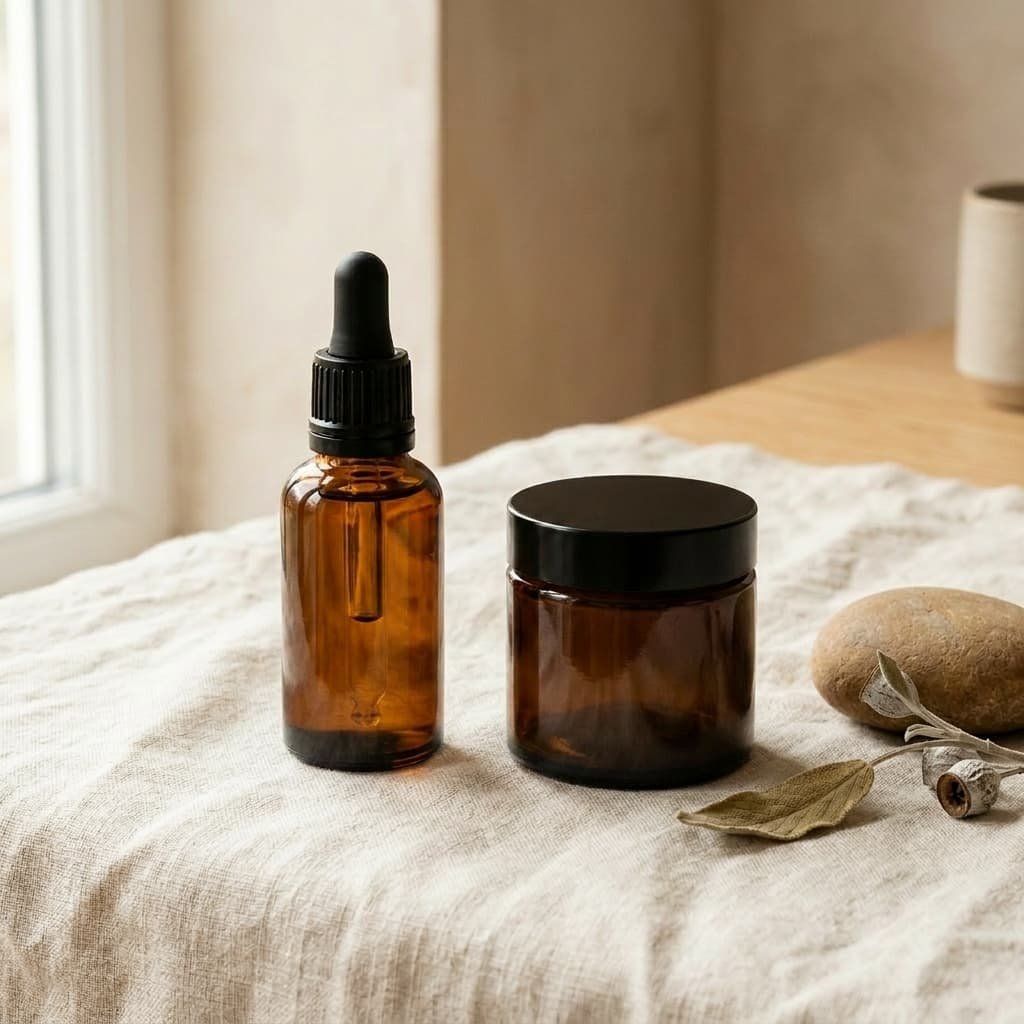
At Ossie, this way of formulating runs through more than one product. It is not about creating a dramatic effect on first contact. It is about building products that feel deeply compatible with skin that is dry, reactive, changing, or simply asking for more thoughtful support.
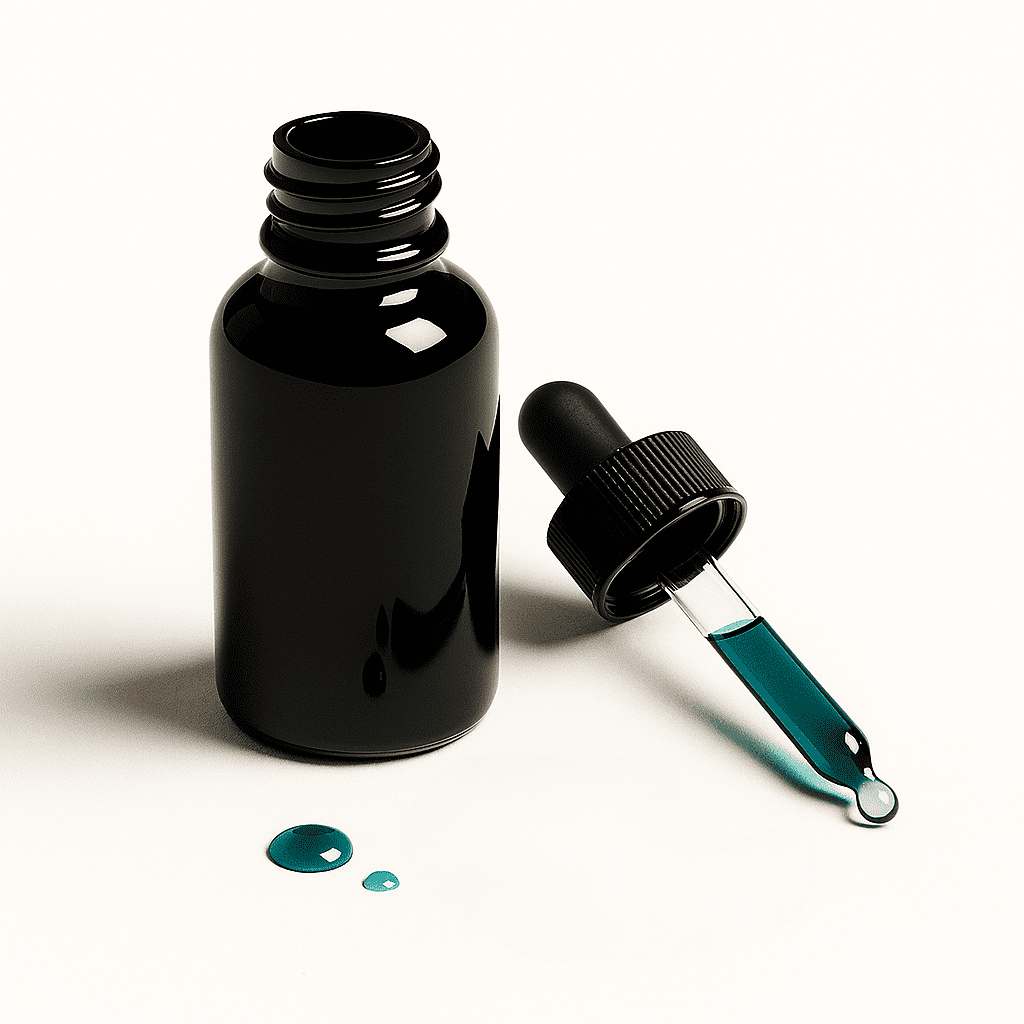
BioLipid Serum Oil
A light, cold-pressed oil blend designed to support softness, flexibility, and everyday barrier comfort.
BioLipid Serum Oil is perhaps the clearest expression of this philosophy. With squalane alongside grapeseed, jojoba, rosehip, sea buckthorn, evening primrose, and camellia, it brings together a spectrum of lighter, barrier-conscious lipids in a texture that feels supple rather than oily.
It is particularly well-suited to skin that has become drier, more reactive, or less predictable with time. Applied to slightly damp skin, it offers softness, flexibility, and a more comfortable surface without heaviness.
Restorative Phyto-Serum Oil
A more active lipid serum for skin navigating dullness, uneven tone, visible sun history, or sensitivity to stronger treatments.
Restorative Phyto-Serum Oil takes that same lipid-aware foundation and layers it with a more targeted profile. Its base includes camellia, marula, jojoba, squalane, borage, kukui, baobab, evening primrose, and tamanu, alongside bakuchiol, a vitamin C derivative, and chlorella.
What makes it compelling is that the actives sit within a nourishing, supportive oil base rather than working against it. For skin dealing with dullness, visible sun exposure, or uneven tone — but unable to tolerate harsher routines consistently — this is a more measured approach.
Azure Tansy Balm
A richer balm for skin that needs calm, cushioning, and a more protected finish.
Azure Tansy Balm offers a more enveloping texture. With camellia, marula, shea butter, baobab, beeswax, squalane, tamanu, evening primrose, and pomegranate, it is designed for skin that needs both softness and a sense of protection.
It is especially relevant when the skin is feeling reactive, environmentally stressed, or prone to redness. Used over a serum, it creates a calm, sealed finish that feels restorative rather than heavy.
Calendula Balm Plus
The richest expression of lipid support in the range, designed for very dry, textured, or visibly depleted skin.
Calendula Balm Plus includes olive fruit oil, beeswax, sea buckthorn, rosehip, calendula flower extract, pollen extract, and tocopherol. The result is a denser, more protective balm for skin that is asking for a stronger final layer.
Used in the evening, it helps seal in comfort and reduce the water loss that often leaves mature skin feeling depleted by morning. It is particularly well-suited to skin that is dry, marked, textured, or simply less satisfied by lighter oils alone.
Soft Cleanse Balm
A cleansing step that respects the skin’s lipid balance instead of stripping it away.
Soft Cleanse Balm extends this philosophy into the cleansing step, which is often where unnecessary disruption begins. With hempseed, coconut, castor, grapeseed, safflower, olive, calendula, and beeswax, it is designed to dissolve makeup, SPF, and daily residue without leaving skin stripped.
For dry, mature, or sensitive skin, that matters. A routine that supports the barrier begins not only with what is applied afterwards, but with what is not unnecessarily removed in the first place.
Why Lipid Compatibility Makes the Difference
When a formula feels immediately at ease on the skin, that experience is rarely accidental.
It is often the result of thoughtful composition: lipids chosen not just for trend value, but for how they sit on the skin, how they support comfort, and how they work within a formula designed to respect the barrier rather than push against it.
This is what bio-mimetic and bio-compatible skincare means in practice — not an exact imitation of the skin, but a formulation approach guided by its structure, behaviour, and needs.
Skin does not need to be overwhelmed to look better. Often, it needs the opposite. More compatibility. More balance. More intelligent replenishment.
That is the lipid language beneath the surface — and when skincare is formulated in a way that speaks it well, the skin often responds quietly, but unmistakably.
The Takeaway
Bio-compatible skincare is not about doing more. It is about choosing products that work in closer alignment with the skin you have now.
In practice, that often means:
- cleansing without stripping,
- using lipid-rich formulas that support comfort and flexibility,
- protecting skin daily from UV and environmental stress,
- and remembering that skin does not function in isolation.
What you apply matters, but so do the wider conditions that shape how skin functions over time — including nourishment, stress, sleep, and consistency.
Support Your Skin
Our natural product collection at Ossie Naturals is formulated specifically to support your skin’s natural adaptive processes. Each product provides the building blocks your skin needs, from barrier-supporting lipids to adaptive antioxidants.
We don’t believe in dramatic seasonal routine overhauls or aggressive treatments that fight against your skin’s natural processes. Instead, our approach focuses on gentle, consistent support that works with your skin’s intelligence rather than against it.
Join our private community on Facebook or join our Newsletter for access to seasonal transition guides, ingredient education, and products specifically formulated to support your skin through changes because your skin’s adaptive intelligence deserves support, not interference.
Performance‑led, nutrient‑rich compositions
Our House Collection
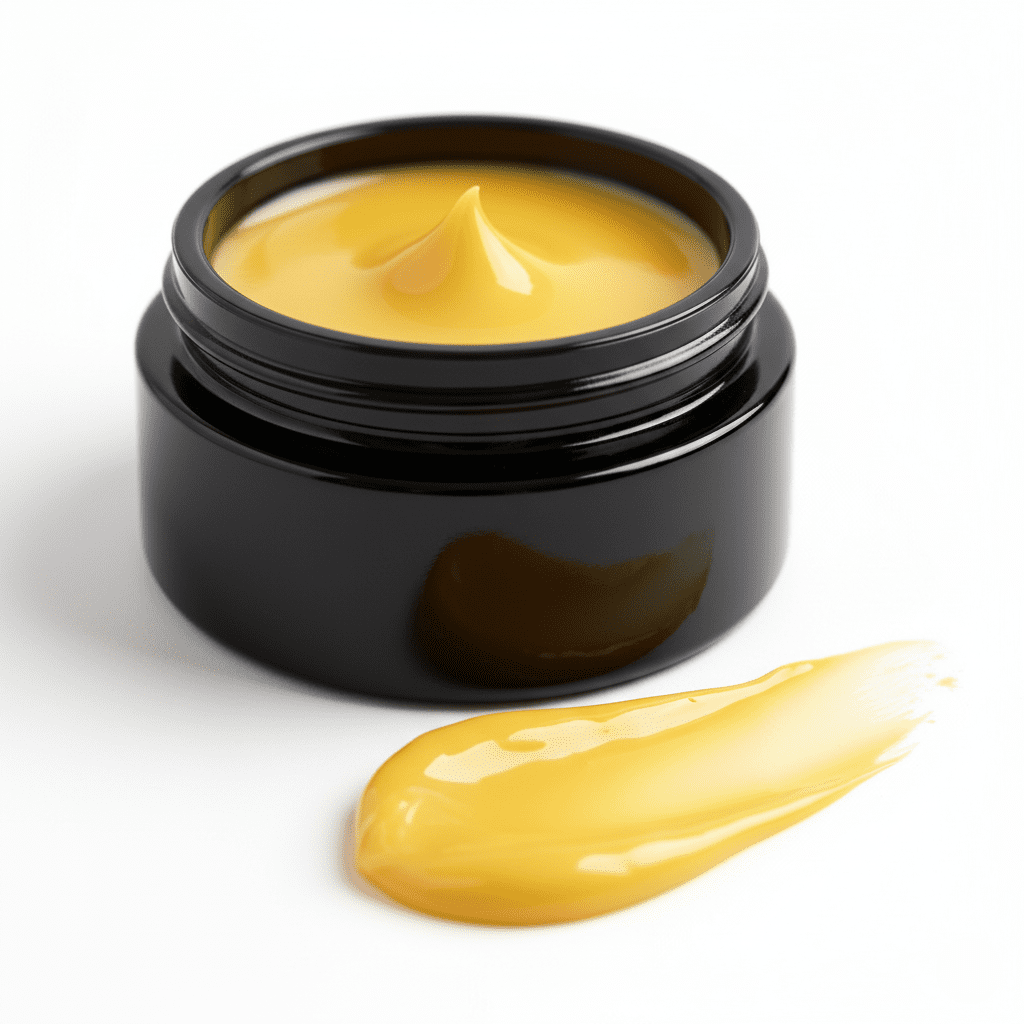
Calendula Balm - Original™
Restorative and Calming Concentrate
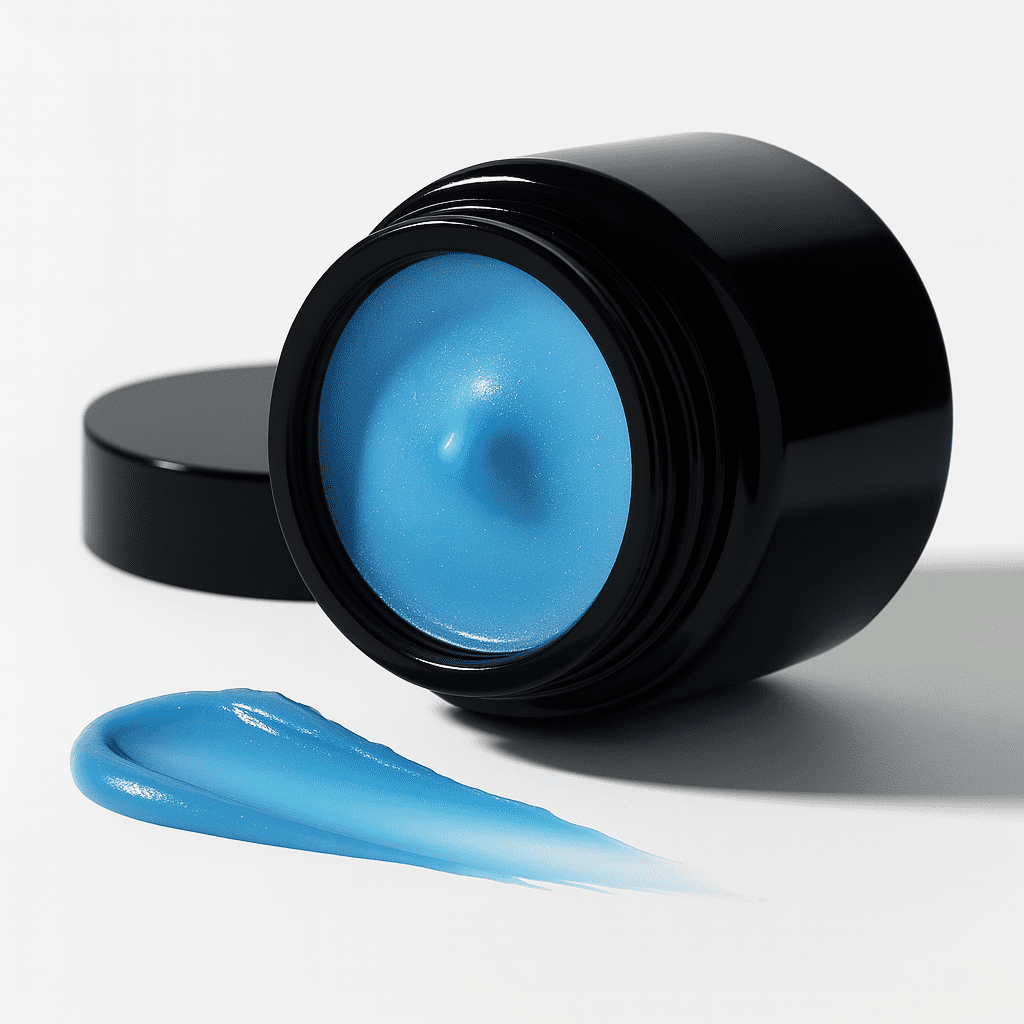
Azure Tansy
Balm™
Intensive Repair and Protection Complex
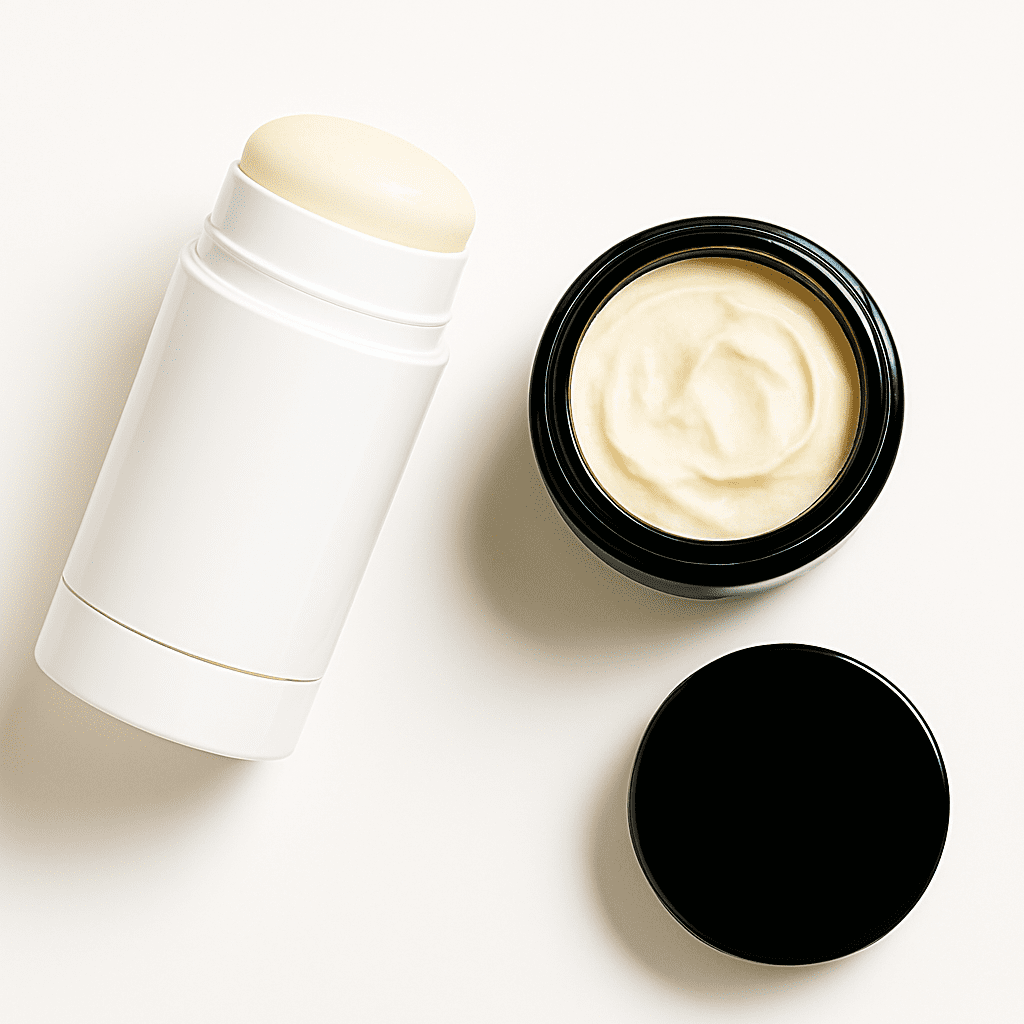
TerraPure - Original Deodorant
Powerful protection, naturally
Restorative Phyto‑Serum Oil™
Renewal and Balance. Visible transformation in every drop
We empower your skin to thrive.
Sign Up Newsletter
Ready to invest in your skin’s future with the finest natural ingredients? Explore our collections or join our community for expert tips and exclusive access.
We value your trust when sharing your personal data with us. We always treat your data in a fair and respectful manner, limited to the purpose mentioned above. If you would like to know more about how we handle your data, please read our Privacy Policy.