What We Leave Out – Preservatives & Antimicrobials (Part 1)
Preservatives are meant to keep products safe. But some come at a cost. A clear guide to what we leave out — formaldehyde, parabens, triclosan, and why.

What We Leave Out
Every bottle we fill begins with a question: What does this formula truly need — and what can it do without?
There is a quiet kind of confidence in knowing what to leave out. It is not about fear. It is not about chasing a “clean” label because the marketing demands one. It is about looking at an ingredient honestly — examining its origin, its function, and the weight of evidence around its long‑term safety — and deciding, simply, that we can do better without it.
This guide is the first of three. In this part, we look at preservatives and antimicrobials — the chemicals added to stop products from going off, and what the trade‑off might be.
How Cosmetic Safety Is Regulated in Europe
Before any cosmetic product can be sold in the EU, a qualified safety assessor — someone trained in toxicology — must review the formula and sign off on it. There is a published list of over 1,600 ingredients that cannot be used at all, and hundreds more that can only be used under strict limits. The rules are updated regularly as new evidence comes in — not perfectly, and not always as fast as consumers might want, but more actively than in some other major markets, where cosmetic regulation has changed little in decades.
None of this means European cosmetics are risk‑free. The system has gaps. Industry interests influence outcomes. Some ingredients remain permitted that individual consumers — and individual brands — would rather avoid. But the framework is real, it is enforceable, and it provides a baseline that we are proud to work within.
We formulate to meet these standards — and then we go further, guided by our own judgement about what belongs on human skin and in the natural world.
1. Formaldehyde‑Releasing Preservatives
What they are and where they hide
Formaldehyde‑releasing preservatives are chemicals added to water‑based products to stop bacteria and mould from growing. They work by slowly releasing tiny amounts of formaldehyde over time — so the ingredient label will not say “formaldehyde,” but the effect is the same once the product is on your skin or scalp.
These preservatives are extremely common. They show up in:
- Hair products: shampoos, conditioners, styling gels, hair sprays, mousses, and — notably — hair dyes, bleaches, colour treatments, highlights, and decolourisation products.
- Keratin smoothing and straightening treatments: these are among the worst offenders. When heated during application, they release formaldehyde gas into the air, which is why salon workers are particularly at risk.
- Skincare: creams, lotions, body washes, facial cleansers, liquid hand soaps.
- Makeup: foundations, liquid makeup, mascara, and eyelash glue (applied right at the eye margin).
- Baby products: some baby shampoos still contain them.
The ingredients to look for on labels
None of these will say “formaldehyde.” You are looking for:
| Ingredient | Commonly found in |
|---|---|
| DMDM hydantoin | Shampoos, conditioners, skincare (the most common releaser) |
| Imidazolidinyl urea | Lotions, shampoos |
| Diazolidinyl urea | Lotions, shampoos |
| Quaternium‑15 | Soaps, shampoos, lotions |
| Sodium hydroxymethylglycinate | Shampoos, skincare |
| Bronopol | Cosmetics, toiletries |
| Glyoxal | Nail products, some hair dyes |
The concern
Formaldehyde is classified as a known human carcinogen. It is also a well‑documented skin sensitiser — it can trigger allergic reactions, even at low levels, especially with repeated exposure over time.
What the EU has done
Formaldehyde itself has been banned outright in cosmetics sold in the EU since 2019. Quaternium‑15 — one of the most commonly used releasers — was also banned. The remaining releasers are still permitted but under strict rules: they must carry a warning on the label if the amount of formaldehyde they release exceeds very low thresholds.
Where we stand
We use none of them. Our oil‑based serums and balms contain no water, so they simply do not require this kind of preservation. Where a water‑based formula does need protecting, we use COSMOS‑certified preservatives derived from natural sources — the kind developed for and used in natural and organic cosmetics.
2. Parabens (Long‑Chain)
What they are and where they hide
Parabens are synthetic preservatives used to stop mould and bacteria from growing in water‑based products. They have been the industry standard for decades — cheap, effective, and invisible (no scent, no colour).
They appear across nearly every category of personal care product: shampoos, conditioners, body washes, face creams, lotions, liquid makeup, foundations, mascaras, deodorants, and sunscreens.
The ingredients to look for on labels
Parabens are divided into two groups: short‑chain and long‑chain.
The long‑chain ones are the greater concern:
| Ingredient | Commonly found in |
|---|---|
| Methylparaben | Short‑chain: most commonly used across all product types |
| Ethylparaben | Short‑chain: shampoos, creams, lotions |
| Propylparaben | Long‑chain: creams, lotions, makeup |
| Butylparaben | Long‑chain: creams, sunscreens, deodorants |
| Isobutylparaben | Long‑chain (banned in the EU): previously in creams and lotions |
| Isopropylparaben | Long‑chain (banned in the EU): previously in creams and lotions |
The concern
Long‑chain parabens are endocrine disruptors — they can mimic or interfere with hormones, particularly oestrogen. This has raised concerns about potential links to breast cancer, reproductive system disruption, and developmental effects — especially with long‑term, repeated exposure.
But the concern does not stop at the long‑chain parabens, because the way most safety limits are set has a blind spot.
The real‑world problem: it is never just one product
Safety assessments typically look at a single ingredient, in a single product, at a set concentration. Methylparaben is permitted at up to 0.4% in any one product. On paper, that is considered safe.
But real life does not look like a laboratory. A person might use a shampoo, a conditioner, a body wash, a facial cleanser, a moisturiser, a sunscreen, and a foundation — all in the same day, every day, for decades — each one containing parabens at levels within the legal limit.
The combined exposure across all of them is not what was tested. Studies have found parabens in the urine of the majority of people tested across Europe, and it is estimated that most of the parabens in the human body come from daily cosmetic use — absorbed through the skin, product by product, layer by layer. We simply do not yet know the full picture of what a lifetime of combined, low‑level exposure means.
What the EU has done
- Isobutylparaben, isopropylparaben, phenylparaben, benzylparaben, and pentylparaben — banned outright.
- Propylparaben and butylparaben — restricted to a maximum of 0.14%, and banned entirely in leave‑on products for the nappy area of children under three.
- Methylparaben and ethylparaben — still permitted but under continued review.
Where we stand
We use no parabens — short‑chain or long‑chain. Not because every single one is proven dangerous at trace levels, but because the system that declares them safe was not designed for the way people actually use products: morning and evening, layer upon layer, year after year. We would rather not ask our customers to be part of that experiment.
3. Triclosan and Triclocarban
What they are and where they hide
Triclosan and triclocarban are antimicrobial agents — chemicals added to kill bacteria. For decades, they were the active ingredient in “antibacterial” soaps, and they still appear in certain toothpastes, deodorants, body washes, and some cosmetics.
They work. That was never the question. The question is whether we need them — and what the cost of using them might be.
The ingredients to look for on labels
| Ingredient | Commonly found in |
|---|---|
| Triclosan | Toothpaste, hand soaps, body washes, deodorants, and blemish concealers |
| Triclocarban | Antibacterial bar soaps, body washes, and some toothpaste |
The concern
Four problems emerged over time:
1. Hormone disruption. Both chemicals interfere with thyroid function and reproductive hormones. Triclosan has been linked to reduced semen quality, altered testosterone levels, and Polycystic Ovary Syndrome (PCOS) in women. Long‑term exposure has been associated with increased Body Mass Index and metabolic disruption in both adults and children. These are not acute poisoning effects — they are subtle, chronic, and cumulative.
2. Antibiotic resistance. Using antimicrobials in everyday products — not in hospitals, but in hand soap and toothpaste — contributes to the rise of antibiotic‑resistant bacteria. It is the same dynamic that makes overprescribing antibiotics dangerous, applied to your bathroom shelf.
3. Liver, kidney, and immune effects. Long‑term, high‑level exposure to triclosan has been linked to liver fibrosis and increased risk of liver cancer in animal models, plus oxidative stress and inflammation in kidneys. In children, exposure has been associated with higher rates of allergies, eczema, and asthma.
4. Environmental persistence. These chemicals survive wastewater treatment, accumulate in rivers and sediments, and are toxic to aquatic life. The Florence Statement on Triclosan and Triclocarban — signed by over 200 scientists and medical professionals — called for limiting their use due to the combined weight of health and environmental evidence.
What the EU has done — and not done
The EU did not ban them outright. It restricted them: triclocarban to 0.2% in rinse‑off products only; triclosan to 0.3% in a narrow set of products. Triclocarban cannot be used in toothpaste for children under six. Triclosan cannot be used in toothpaste for children under three. Both must carry warning labels.
Compare that to the United States, where the FDA banned triclosan and 18 other antimicrobials from consumer antibacterial soaps back in 2016, concluding they offered no benefit over plain soap and water. The EU took a narrower path.
Where we stand
We use neither. Not because they are banned — they are not — but because we see no reason to expose skin, waterways, or microbial ecosystems to antimicrobials our formulations simply do not need.
4. Phenoxyethanol
What it is and where it hides
Phenoxyethanol is one of the most common preservatives in products labelled “natural” or “clean.” You will find it in thousands of creams, lotions, shampoos, and serums sold in health food shops and green pharmacies. It became the default replacement when brands moved away from parabens.
The ingredients to look for on labels
| Ingredient | Commonly found in |
|---|---|
| Phenoxyethanol | Creams, lotions, shampoos, serums, makeup, baby wipes, “natural” and “clean” labelled products |
The concern
For most adults, phenoxyethanol is considered safe at the concentrations used in cosmetics — up to 1%. Most people will never react to it.
But a meaningful minority will. It can cause contact dermatitis, itching, rashes, and hives, particularly in those with eczema or sensitive skin. Though rare, severe allergic reactions — including anaphylaxis — have been reported. In infants, the risks are more serious: high‑concentration exposure can cause vomiting, diarrhoea, and central nervous system depression. There is also a contamination concern: as a product of ethoxylation, phenoxyethanol can carry trace residues of 1,4‑dioxane, a probable carcinogen.
What the EU has done
The EU permits phenoxyethanol at up to 1% in all cosmetic products. It is not banned. It is allowed under COSMOS certification under certain conditions. This is not an ingredient that regulators are trying to remove.
Where we stand
We choose not to use it — not because it is toxic at trace levels, but because we do not need it. Our serums and balms are anhydrous (containing no water), so they do not require this kind of preservation. Where a water‑based formula does need protecting, we use naturally derived preservatives considered safe for natural and organic cosmetics. We also listen to our customers. Many have told us they prefer to avoid it. So we do.
5. BHA and BHT
What they are and where they hide
Butylated hydroxyanisole (BHA) and butylated hydroxytoluene (BHT) are synthetic antioxidants — they stop fats and oils from going rancid, extending shelf life. They appear in lipsticks, moisturisers, makeup, and some food products. They preserve the product, not the skin.
The ingredients to look for on labels
| Ingredient | Commonly found in |
|---|---|
| BHA (Butylated Hydroxyanisole) | Lipsticks, moisturisers, makeup, and some food products |
| BHT (Butylated Hydroxytoluene) | Moisturisers, lip products, makeup, toothpaste |
The concern
BHA is classified as a possible human carcinogen by the International Agency for Research on Cancer. Animal studies show that high doses cause stomach tumours. It also has oestrogenic and anti‑androgenic properties — meaning it may interfere with hormones. BHT, while less clearly carcinogenic, has been linked to liver and lung damage in animal studies at high doses, and some research suggests both compounds may contribute to hyperactivity and attention issues in children. Both can cause skin irritation and allergic reactions.
What the EU has done
The EU restricts BHT to narrow limits: 0.001% in mouthwash, 0.1% in toothpaste, and 0.8% in other products. BHA is currently under SCCS review and not yet restricted under the Cosmetics Regulation — though it is listed as a substance of concern.
Where we stand
We do not use either. Vitamin E (tocopherol) — a naturally derived antioxidant — performs the same function in our oil‑based formulas: protecting delicate botanical oils from oxidation without synthetic additives.
A Final Word on Part One
If you have read this far, you might be feeling something between overwhelmed and a little bit angry. That was never the intention — but we understand why it happens. Once you start looking at labels, it is hard to stop.
The world of cosmetic ingredients can feel like a language you were never taught. Long chemical names. Conflicting studies. One expert says it is safe, another says avoid it. You are standing in the aisle wondering who to believe. And the more you read, the more you realise that “permitted” is not the same word as “harmless.”
We cannot settle every debate. But we can tell you how we make our own decisions — and hope that helps you make yours.
We start from a simple place: if an ingredient is not needed, we do not use it. If an ingredient carries unresolved questions — about long‑term exposure, about cumulative burden, about what happens when it is combined with a dozen other products, day after day, for a lifetime — we look for another way.
Often, the answer is simpler than the industry would have you believe. An oil‑based formula, stored in amber glass, kept cool and dark, does not need a cocktail of synthetic preservatives to stay fresh. A balm does not need a fragrance to feel luxurious. The plants themselves — cold‑pressed, infused, left as whole as possible — do more than any additive ever could.
None of this is about purity. It is about care. About choosing ingredients, the way you would choose food — with a preference for what is real, what is gentle, and what leaves the smallest footprint behind.
Continue Reading
- Part 2 — The structural and sensory ingredients: silicones, emulsifiers, fragrances, mineral oils, and pigments. The ingredients that give a product its feel, its scent, its colour, and its shelf presence.
- Part 3 — Ingredients Under the Microscope: chemical UV filters, retinol, PFAS, heavy metals, synthetic musks, microplastics, perfume loopholes, and the latest EU regulatory changes. What’s still legal, what’s increasingly scrutinised, and why we watch closely.
Support Your Skin
Our natural product collection at Ossie Naturals is formulated specifically to support your skin’s natural adaptive processes. Each product provides the building blocks your skin needs, from barrier-supporting lipids to adaptive antioxidants.
We don’t believe in dramatic seasonal routine overhauls or aggressive treatments that fight against your skin’s natural processes. Instead, our approach focuses on gentle, consistent support that works with your skin’s intelligence rather than against it.
Join our private community on Facebook or join our Newsletter for access to seasonal transition guides, ingredient education, and products specifically formulated to support your skin through changes because your skin’s adaptive intelligence deserves support, not interference.
Performance‑led, nutrient‑rich compositions
Our House Collection
Calendula Balm - Original™
Restorative and Calming Concentrate
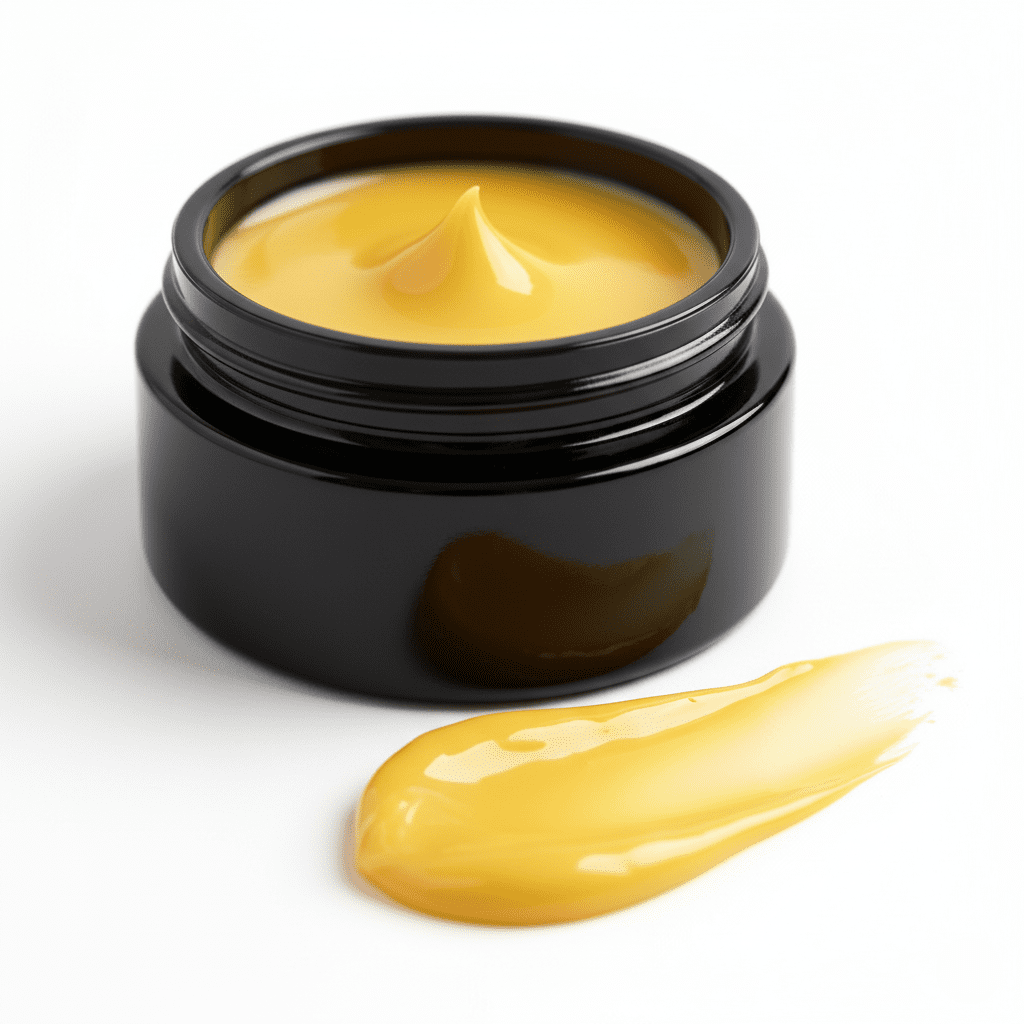
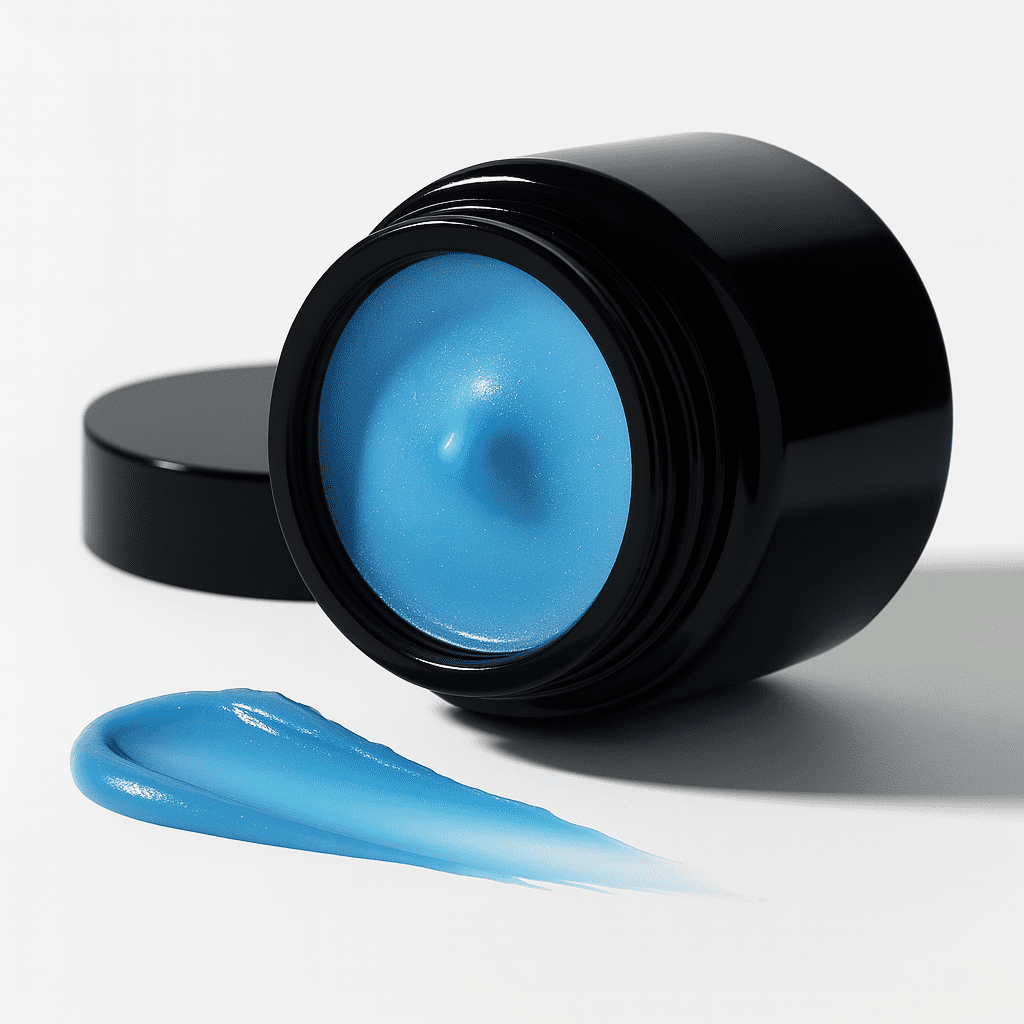
Azure Tansy
Balm™
Intensive Repair and Protection Complex
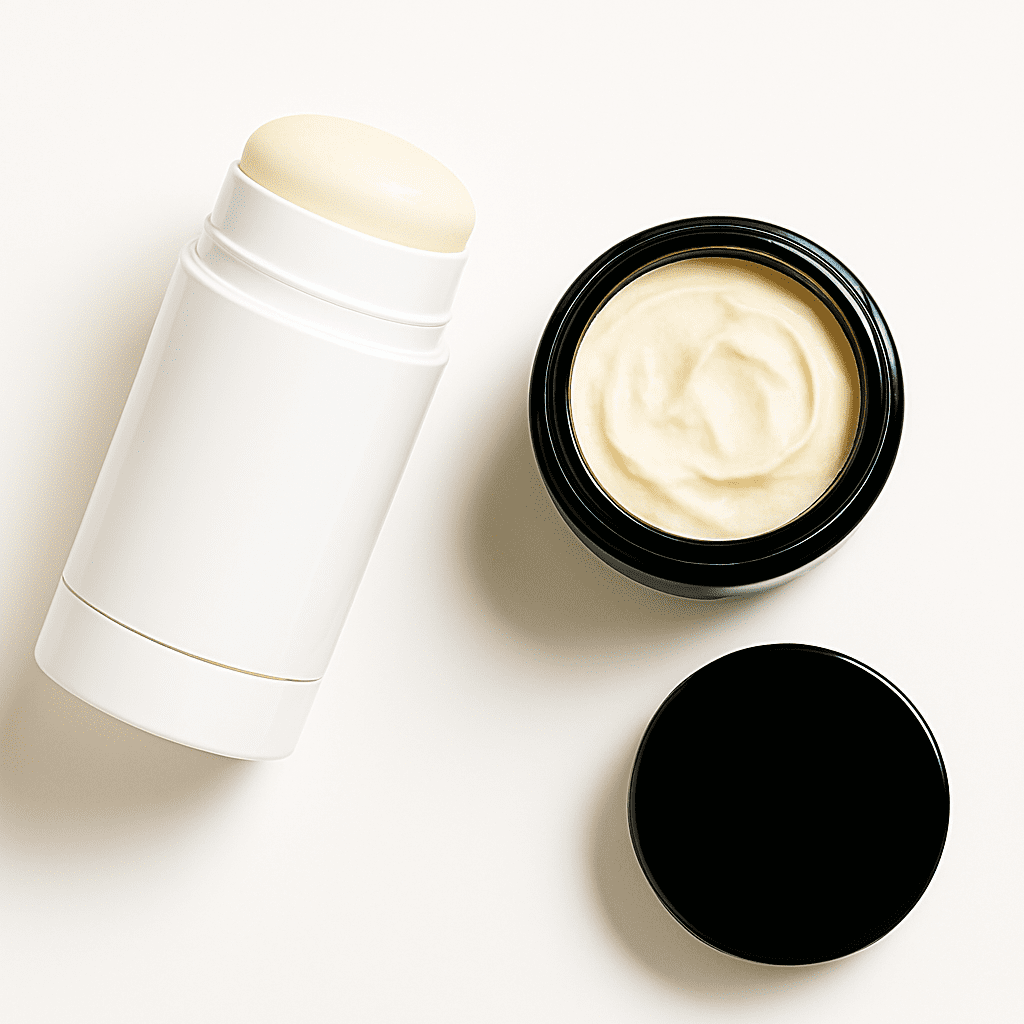
TerraPure - Original Deodorant
Powerful protection, naturally
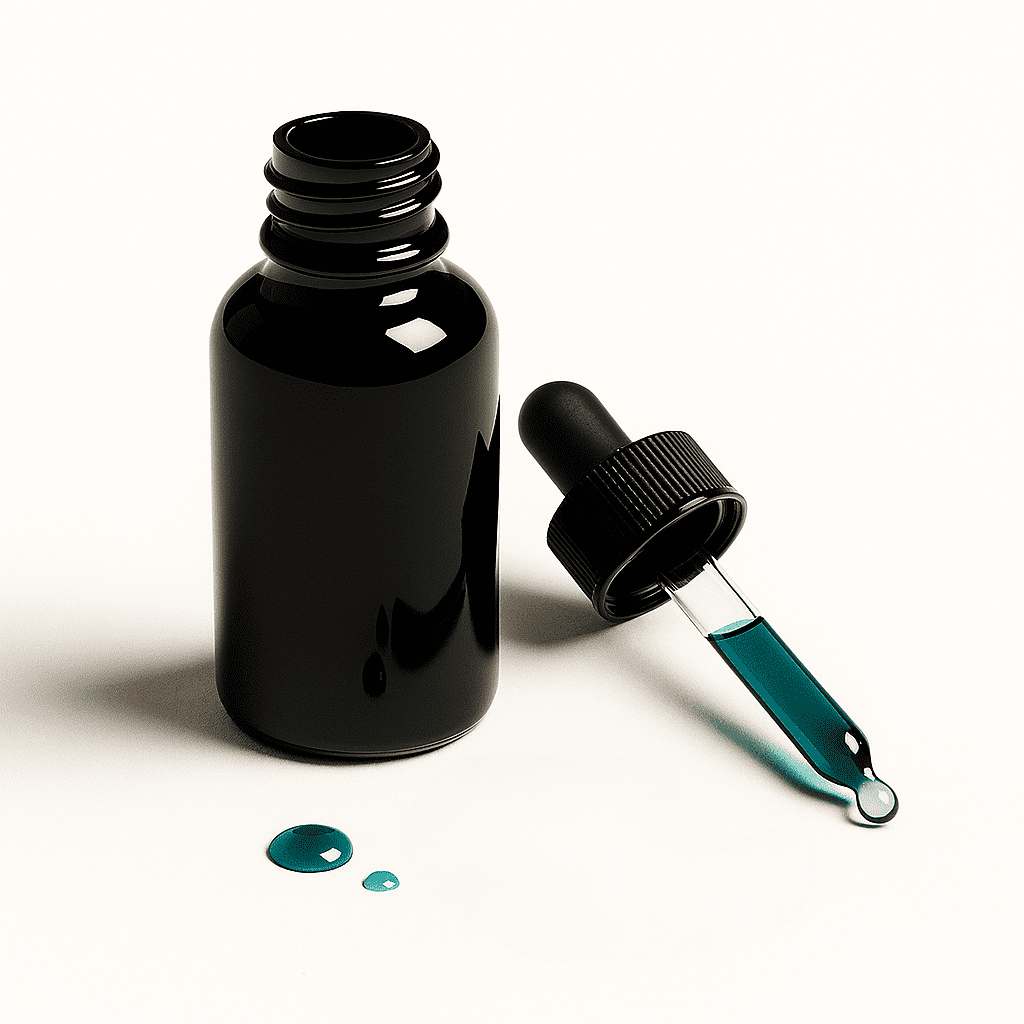
Restorative Phyto‑Serum Oil™
Renewal and Balance. Visible transformation in every drop
We empower your skin to thrive.
Sign Up Newsletter
Ready to invest in your skin’s future with the finest natural ingredients? Explore our collections or join our community for expert tips and exclusive access.
We value your trust when sharing your personal data with us. We always treat your data in a fair and respectful manner, limited to the purpose mentioned above. If you would like to know more about how we handle your data, please read our Privacy Policy.