What We Leave Out — Ingredients Under the Microscope (Part 3)
Legal doesn't always mean safe. From PFAS in mascara to chemicals hidden in "parfum", we break down the ingredients still on shelves & why we choose differently

What We Leave Out
In our first piece, we looked at preservatives — the chemicals added to stop products from spoiling, and why we choose to avoid certain ones. In our second piece, we turned to the structural and sensory components: the oils, the silicones, the emulsifiers, the fragrances, and the pigments — the ingredients that give a product its feel, its scent, its colour, and its shelf presence.
Here, in Part 3, we look beyond our own formulas and into the wider landscape: ingredients that remain legal, widely used, and in many cases perfectly ordinary — but are increasingly under scrutiny. These are not ingredients we use. But they are ingredients you encounter. And understanding why they are on a watchlist matters.
1. Chemical UV Filters
The ingredients: Oxybenzone (Benzophenone-3), Octinoxate (Octyl Methoxycinnamate), Homosalate, 4-Methylbenzylidene Camphor (4-MBC), Octocrylene, and others.
| Ingredient | Commonly found in |
|---|---|
| Oxybenzone (Benzophenone-3) | Sunscreens, SPF moisturisers, foundations with SPF, lip balms |
| Octinoxate (Octyl Methoxycinnamate) | Sunscreens, day creams, anti-ageing products with SPF |
| Homosalate | Spray sunscreens, SPF lotions, after-sun products |
| 4-Methylbenzylidene Camphor (4-MBC) | Sunscreens, SPF day creams (now banned in the EU) |
| Octocrylene | Water-resistant sunscreens, SPF foundations, anti-ageing SPF creams |
Why they are under scrutiny
These chemicals are designed to absorb UV radiation. The problem is that several of them are absorbed through the skin into the bloodstream in measurable amounts, and studies have detected them in blood, urine, and breast milk at concentrations that exceed safety thresholds for systemic exposure. They have been linked to endocrine disruption — interfering with oestrogen, androgen, and thyroid signalling — and several of them (oxybenzone, octinoxate) are now known to contribute to coral bleaching, which has driven bans in marine-protected areas including Hawaii and Palau. A 2025 review in Frontiers in Toxicology highlighted that UV filters such as oxybenzone pose risks for hormonal disruption, allergic reactions, and bioaccumulation.
EU regulatory status (2026)
4-Methylbenzylidene Camphor is now prohibited — banned from market placement after 1 May 2025 and from availability after 1 May 2026. Oxybenzone remains permitted at a maximum concentration of 6% but is under active review by the EU Scientific Committee on Consumer Safety (SCCS). Homosalate and Octocrylene concentration limits have been tightened under Regulation (EU) 2024/996 and subsequent amendments. The direction of travel is clear: these filters are being phased down.
Where we stand
We do not formulate sunscreens, but if we did, we would use mineral (non-nano zinc oxide and titanium dioxide) filters only. These sit on the surface of the skin, do not absorb into the bloodstream, and carry none of the endocrine-disruption or environmental concerns associated with chemical UV filters.
2. Retinol & Vitamin A Derivatives
The ingredients: Retinol, Retinyl Palmitate, Retinyl Acetate, and other retinoid esters.
| Ingredient | Commonly found in |
|---|---|
| Retinol | Anti-ageing serums, night creams, facial oils, eye creams |
| Retinyl Palmitate | Body lotions, firming creams, “rejuvenating” moisturisers |
| Retinyl Acetate | Anti-ageing formulations, neck and décolletage creams |
Why they are under scrutiny
Retinol is effective — that is not in dispute. It is one of the most studied anti-ageing ingredients in cosmetic science, with clear evidence for reducing fine lines, improving skin texture, and stimulating collagen production. The concern is not efficacy. It is a load.
Vitamin A is fat-soluble, meaning the body stores what it does not immediately use. Unlike water-soluble vitamins that are excreted, vitamin A accumulates in the liver and in tissues over time. A single product with retinol may be safe in isolation. But retinol exposure does not come from one source. It comes from your serum. Your night cream. Your diet (liver, dairy, fortified foods). Your multivitamin. And, for some people, prescription retinoids or oral medications such as isotretinoin.
When the combined daily intake exceeds the body’s capacity to metabolise it, the risks become real: liver toxicity, bone weakening, and — critically — teratogenicity (risk of birth defects during pregnancy). The EU recognised this by introducing concentration limits in 2024, but those limits apply product-by-product, not cumulatively. No regulator has yet modelled the combined exposure from all sources, which is the exposure that actually occurs.
EU regulatory status (2026)
Commission Regulation (EU) 2024/996 sets maximum concentrations: 0.3% retinol equivalent (RE) in facial and hand products and 0.05% RE in body lotions, effective from 1 November 2025. Products must carry a warning label. Non-compliant products are banned from the EU market after 1 May 2027.
A gentler alternative
Bakuchiol — a plant-derived compound from the Psoralea corylifolia plant — has been shown in clinical studies to reduce fine lines by 20–30%, improve firmness, and stimulate collagen production comparably to retinol, without the irritation or systemic absorption concerns. It does not accumulate, and there is no known toxicity threshold. For those who want retinoid-level results without the retinoid risk profile, bakuchiol is the evidence-backed alternative. We also advise anyone using retinol in any form — cosmetic, medical, dietary, or medicinal — to monitor their blood levels of vitamin A with their healthcare provider. More is not better.
Where we stand
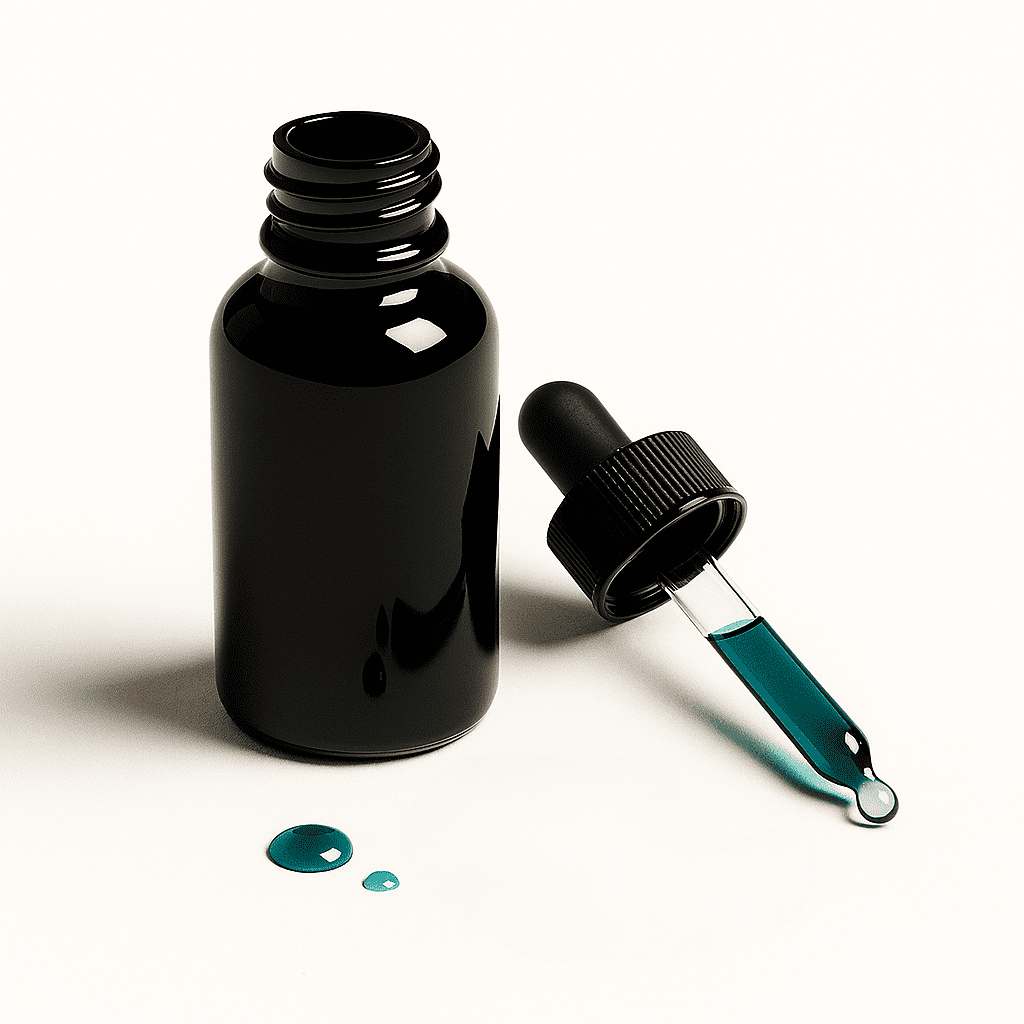
We do not use retinol or any vitamin A derivative in our formulas, but we use Bakuchiol in our Restorative Phyto-Serum Oil™ and Seabuckthorn Balm™. We use bakuchiol where anti-ageing claims are relevant. And we recommend that anyone using retinoids of any kind consult their doctor about cumulative intake.
3. Kojic Acid, Alpha-Arbutin & Arbutin
The ingredients: Kojic acid (derived from fungi), Alpha-Arbutin and Arbutin (derived from bearberry and other botanical sources). Note: Kojic acid itself is a natural compound; the regulatory concern is concentration-dependent safety, not synthetic origin.
| Ingredient | Commonly found in |
|---|---|
| Kojic Acid | Skin-brightening serums, dark-spot correctors, “whitening” creams |
| Alpha-Arbutin | Face creams targeting hyperpigmentation, brightening serums |
| Arbutin | Body lotions, hand creams, and anti-dark-spot treatments |
Why they are under scrutiny
These ingredients are used to lighten skin by inhibiting tyrosinase, the enzyme responsible for melanin production. While they are not inherently dangerous, the concern is that at high concentrations and under certain conditions (exposure to UV light, heat, or specific pH levels), arbutin can hydrolyse to release hydroquinone — a compound banned in over-the-counter cosmetics in the EU due to its carcinogenicity and association with ochronosis (a permanent blue-black skin discolouration). Kojic acid at high concentrations is a known skin sensitiser.
EU regulatory status (2026)
Under Regulation (EU) 2024/996, these ingredients are now restricted:
| Ingredient | EU limit (2026) | Product type |
|---|---|---|
| Kojic Acid | ≤ 1% | Face and hand products |
| Alpha-Arbutin | ≤ 2% | Face creams |
| Alpha-Arbutin | ≤ 0.5% | Body lotions |
| Arbutin | ≤ 7% | Face creams |
Non-compliant products were banned from the EU market after 1 November 2025.
Where we stand
We do not use skin-lightening agents — synthetic or natural. We believe healthy skin in all its tones is beautiful. For those who do wish to address hyperpigmentation, we recommend consulting a dermatologist. The concentrations that are legally permitted exist for a reason, and self-formulating or purchasing unregulated products is risky. For a gentler, supportive approach to even skin tone, we point to natural carrier oils — rosehip, carrot seed, pomegranate seed, jojoba — which contain naturally occurring antioxidants and fatty acids that support the skin’s own repair processes without inhibiting melanin production. Our Seabuckthorn Balm™ —rich in natural flavonoids and palmitoleic acid (omega‑7)— works with the skin’s physiology to help soften excess melanin gradually, without forcing, without blocking. The skin knows how to regulate itself. It just needs the right nutrients.
4. Aluminium Compounds & Alum
The ingredients: Aluminium Chlorohydrate, Aluminium Zirconium Tetrachlorohydrex GLY, Aluminium Chloride, and other synthetic aluminium salts. Separately: Potassium Alum (KAl(SO₄)₂·12H₂O), a naturally occurring mineral salt.
| Ingredient | Commonly found in |
|---|---|
| Aluminium Chlorohydrate | Antiperspirants, roll-ons, spray deodorants |
| Aluminium Zirconium Tetrachlorohydrex GLY | Clinical-strength antiperspirants |
| Aluminium Chloride | Prescription-strength antiperspirants for hyperhidrosis |
| Potassium Alum (natural mineral salt) | Traditional deodorant stones, aftershave blocks, styptic pencils |
Why they are under scrutiny
Aluminium is a known neurotoxin, and it accumulates in the body, with an estimated half-life of approximately seven years in the brain. While the skin is an effective barrier, synthetic aluminium salts used in antiperspirants are specifically designed to penetrate sweat ducts, form a gel plug, and temporarily block perspiration.
The absorbed fraction enters systemic circulation. Studies have raised questions about aluminium’s role in breast cancer (particularly in the upper outer quadrant of the breast, near the underarm), and its possible contribution to neurodegenerative disease, though the evidence is not conclusive — in part because long-term cumulative-exposure studies are difficult to design.
A necessary distinction — alum vs. aluminium salts
Not all aluminium is the same. Synthetic aluminium chlorohydrate and related compounds are small molecules engineered for skin penetration. Natural potassium alum, by contrast, is a much larger molecule (molecular weight ~474 g/mol in its hydrated form) that forms a surface film on the skin and does not penetrate the stratum corneum. It has been used safely for centuries in traditional deodorant stones and aftershave blocks. It is not absorbed, it does not enter the bloodstream, and it does not carry the same toxicological profile as its synthetic counterparts. That said, alum does contain aluminium, and some consumers prefer to avoid aluminium entirely — a choice we respect and accommodate.
EU regulatory status (2026)
Regulation (EU) 2026/909 introduced new Annex III concentration limits for aluminium compounds in cosmetics, effective from January 2027, with tighter restrictions on antiperspirants, sprays, and talc-based products. Use in leave-on products for children under three is prohibited.
Where we stand
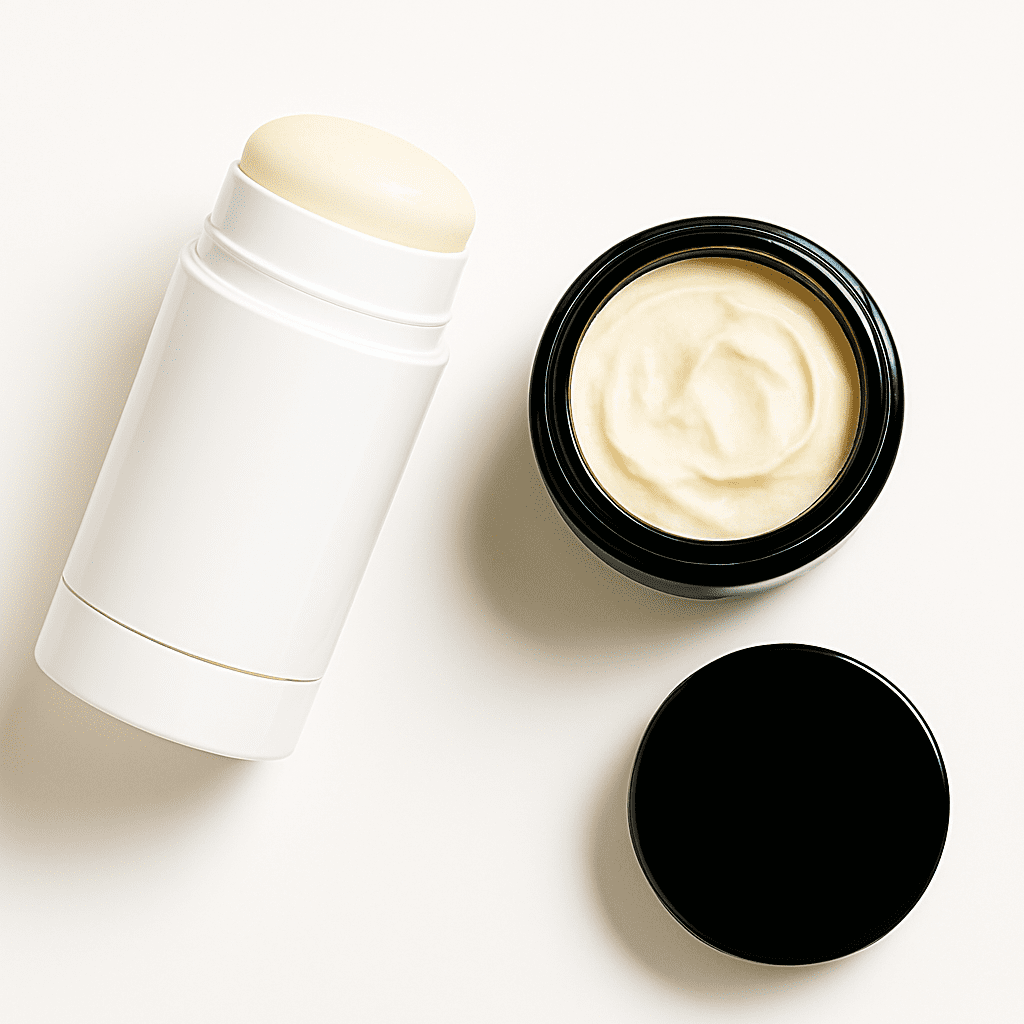
We do not use aluminium in our deodorants. Instead, we formulate with magnesium hydroxide — a gentle, effective odour-neutraliser that does not block sweat glands and carries none of the toxicological concerns associated with aluminium. Our deodorants are TerraPure Deodorant – Original and TerraPure Silk Deodorant.
We formulate deodorants that control odour, not perspiration — because sweating is a natural, healthy bodily function that should not be chemically suppressed. In our soaps, we use small amounts of clays and micas; every supplier provides a certificate of analysis ensuring these are free from heavy metal contamination.
5. PFAS ("Forever Chemicals")
The ingredients: A family of approximately 12,000 synthetic organofluorine compounds, characterised by an extremely strong carbon-fluorine bond that does not break down in the environment or in the body. Common names in cosmetics include PTFE (Teflon), Perfluorodecalin, Perfluorononyl Dimethicone, and any ingredient beginning with “perfluoro-” or containing “-fluoro-.” Collectively referred to as PFAS — per- and polyfluoroalkyl substances.
| Ingredient | Commonly found in |
|---|---|
| PTFE (Polytetrafluoroethylene / Teflon) | Long-wear foundations, transfer-proof lipsticks, waterproof mascara |
| Perfluorodecalin | Oxygen-delivery serums, “breathable” foundations |
| Perfluorononyl Dimethicone | Primers, liquid lipsticks, and waterproof eye products |
| Polyperfluoromethylisopropyl Ether | Setting sprays, “sweat-proof” makeup |
Where they are used — and why
PFAS are deliberately added to cosmetics for their functional properties. They create a durable film that resists transfer, smudging, and fading — which is why they appear in long-wear foundations, transfer-proof lipsticks, and waterproof eye products. They also contribute to the smooth, slip-like feel of certain creams, primers, and serums.
Prevalence
The numbers are striking. According to research cited by the Environmental Working Group, PFAS have been found in a significant percentage of the most common long-wear and waterproof cosmetics:
| Product category | PFAS detection rate |
|---|---|
| Waterproof mascara | 82% |
| Long-wear foundation | 63% |
| Liquid lipstick | 62% |
| Eye shadow | 20.5% (highest category by volume, FDA 2024 report) |
An FDA analysis of 430,134 cosmetic product listings submitted between December 2023 and August 2024 identified 51 distinct PFAS ingredients intentionally added to 1,744 products — with PTFE alone appearing in 28.1% of those.
A 2026 study published in Environmental Pollution analysed 31 cosmetic products and found PFAS in 30 of them — 15 different PFAS compounds at concentrations up to 263 ng/g. A lotion and a sunscreen exceeded the acceptable daily intake for dermal exposure.
Why they are under scrutiny
PFAS are called “forever chemicals” for a reason. They do not break down. They accumulate in the environment, in wildlife, and in the human body — specifically in the liver, kidneys, and blood. The health risks linked to PFAS exposure are extensive and well-documented:
- Increased risk of kidney, testicular, liver, and prostate cancers
- Endocrine disruption, including reduced fertility, pregnancy-induced hypertension, and accelerated puberty
- Immune suppression, including a weaker vaccine response and increased susceptibility to infection
- Developmental risks, including low infant birth weight and behavioural changes
- Organ toxicity, including liver damage, elevated cholesterol, and thyroid disease
How to spot and avoid PFAS
| What to look for | What to avoid |
|---|---|
| Ingredients starting with “perfluoro-” or containing “-fluoro-“ | PTFE, Perfluorodecalin, Perfluorononyl Dimethicone, Polyperfluoromethylisopropyl Ether |
| Marketing language | “Ultra long-wear,” “waterproof,” “weatherproof,” “transfer-proof” |
| Certifications that prohibit PFAS | COSMOS, Organic Food Federation certified |
Several brands have been flagged in independent testing, including Urban Decay (Naked palettes), Revolution, Maybelline, and Inglot — though formulations can change, so always check current ingredient lists.
EU regulatory status (2026)
France banned PFAS in cosmetics from January 2026. At the EU level, the REACH regulation restricts PFHxA (and related compounds) to a sum of less than 25 parts per billion, effective from 10 October 2026. Broader EU-wide PFAS bans in cosmetics are under active development and expected within the next regulatory cycle.
Where we stand
Our products contain no PFAS. We do not make waterproof, transfer-proof, or long-wear claims that would require fluorinated chemistry. Our oil-based formulations are inherently occlusive and durable — they stay on the skin because they are designed to, not because they contain persistent synthetic films.
6. Heavy Metals
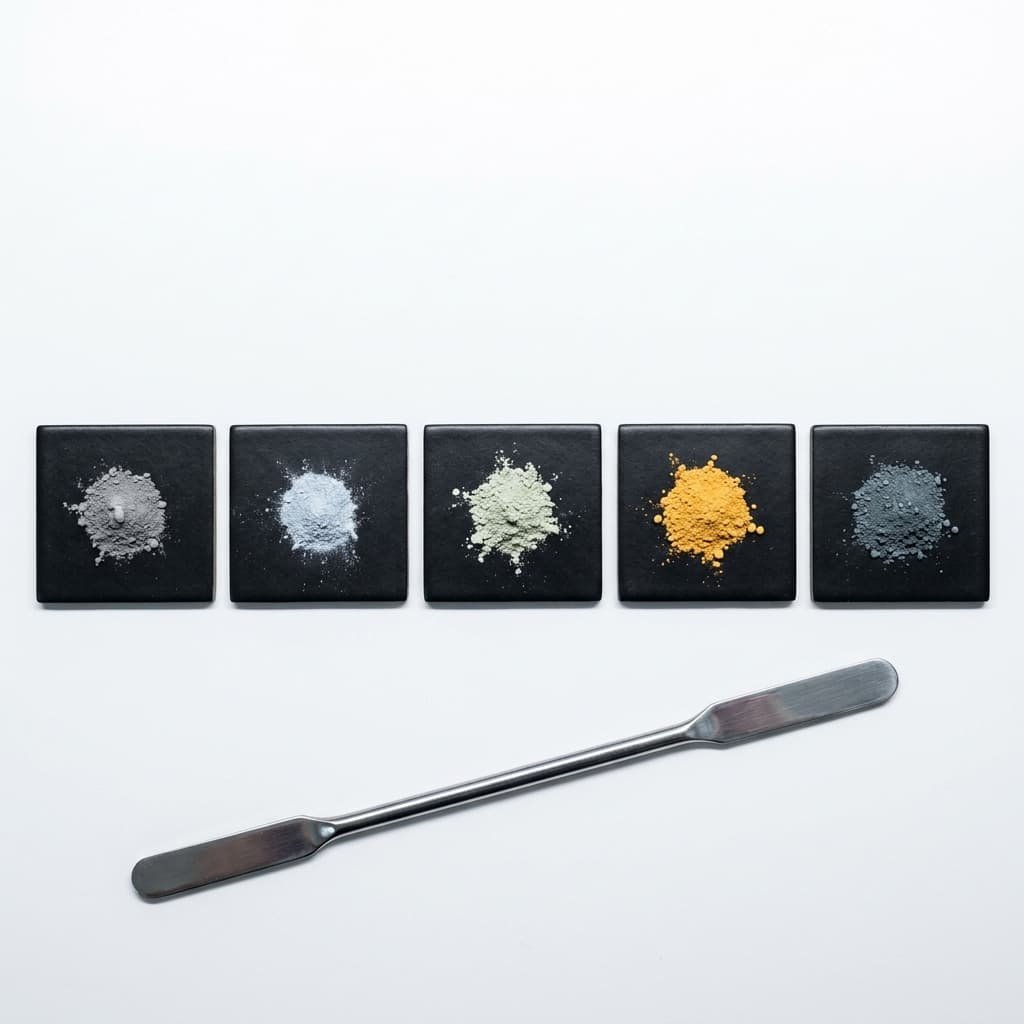
The ingredients: Lead, mercury, arsenic, cadmium, chromium, nickel, and others.
| Metal | Commonly found in |
|---|---|
| Lead | Lipsticks, eye shadows, hair dyes (contaminant in pigments) |
| Mercury | Illicit skin-lightening creams, some mascaras (trace preservative) |
| Arsenic | Talc-based powders, some mineral pigments |
| Cadmium | Brightly pigmented eye shadows, nail polishes |
| Chromium | Green and yellow pigments in eye shadows and eyeliners |
| Nickel | Trace contaminant in mineral pigments and metal packaging |
Why they are under scrutiny
These are cumulative toxins. Lead is a neurotoxin with no safe level of exposure. Mercury, found in some illicit skin-lightening products, is nephrotoxic and neurotoxic. Arsenic, cadmium, and chromium are classified as human carcinogens. The 2025 Frontiers in Toxicology review noted that heavy metals in cosmetics “pose additional hazards” beyond the more-discussed preservatives and fragrances, because they bioaccumulate and exert toxic effects over time.
EU regulatory status (2026)
The EU prohibits the intentional addition of heavy metals to cosmetics and requires that any trace presence be technically unavoidable under good manufacturing practice, with strict low-level thresholds. Enforcement, however, depends on the rigour of individual manufacturers’ supply-chain auditing.
Where we stand
We source botanical oils and butters from suppliers who provide full certificates of analysis, including heavy-metal screening. In our soaps, where we use small amounts of clays and micas, every shipment comes with a certificate confirming it is free from heavy-metal contamination. We do not use talc, mineral pigments, or water from unverified sources. This is an area where trusting a brand means trusting their sourcing — and we are transparent about ours.
7. Synthetic Musks
The ingredients: Galaxolide (HHCB), Tonalide (AHTN), Musk Xylene, Musk Ketone, and other polycyclic and nitro musks.
| Ingredient | Commonly found in |
|---|---|
| Galaxolide (HHCB) | Perfumes, scented body lotions, laundry detergents, fabric softeners |
| Tonalide (AHTN) | Scented candles, diffusers, scented cosmetics |
| Musk Xylene | Historically, in fragrances — now banned in the EU |
| Musk Ketone | Perfumes, aftershaves, scented creams |
Why they are under scrutiny
Synthetic musks are persistent, bioaccumulative, and have been detected in human breast milk, adipose tissue, and umbilical cord blood. They are suspected endocrine disruptors and have been shown in laboratory studies to interfere with oestrogen and androgen receptors. Because they are lipophilic, they accumulate in fatty tissue over a lifetime of exposure. Musk Xylene has been banned in the EU since 2011 due to carcinogenicity concerns. Galaxolide and Tonalide remain in widespread use but are under increasing regulatory scrutiny, and several major fragrance houses have voluntarily begun phasing them out.
Where we stand
Our products are either fragrance-free or scented only with disclosed essential oils and natural isolates. We do not use synthetic musks, and we do not hide behind the word “parfum.” Every ingredient that contributes to scent is listed by name.
8. Intentionally Added Microplastics
The ingredients: Polyethylene (PE), Polypropylene (PP), Polyethylene Terephthalate (PET), Polymethyl Methacrylate (PMMA), Nylon-12, and other synthetic polymer microparticles — commonly known as microbeads, glitter, or exfoliating beads.
| Ingredient | Commonly found in |
|---|---|
| Polyethylene (PE) | Facial scrubs, body washes, toothpaste, and exfoliants |
| Polypropylene (PP) | Shimmer lotions, body glitters, nail polishes |
| Nylon-12 | Face powders, pressed powders, texture-smoothing primers |
| PMMA (Polymethyl Methacrylate) | Long-wear makeup, blurring creams, fillers |
Why they are under scrutiny
These particles are non-biodegradable. They wash down the drain, pass through water-treatment systems, and enter rivers, lakes, and oceans, where they persist indefinitely and are ingested by marine life — and eventually by humans. Beyond the environmental impact, there are emerging concerns about microplastics in human tissues: they have been found in the placenta, lung tissue, and the bloodstream.
EU regulatory status (2026)
The EU banned intentionally added microplastics in rinse-off cosmetic products from October 2023, with the ban extending to leave-on products by late 2026, and a final phase-out of the remaining categories by 2028 under Commission Regulation (EU) 2023/2055.
Where we stand
Our products have never contained microbeads, glitter, or any intentionally added synthetic polymer particles. Our exfoliation, where relevant, comes from natural sources such as ground botanicals and mineral powders like our Bio-Refining Scrub.
9. Perfume & Fragrance ("Parfum")
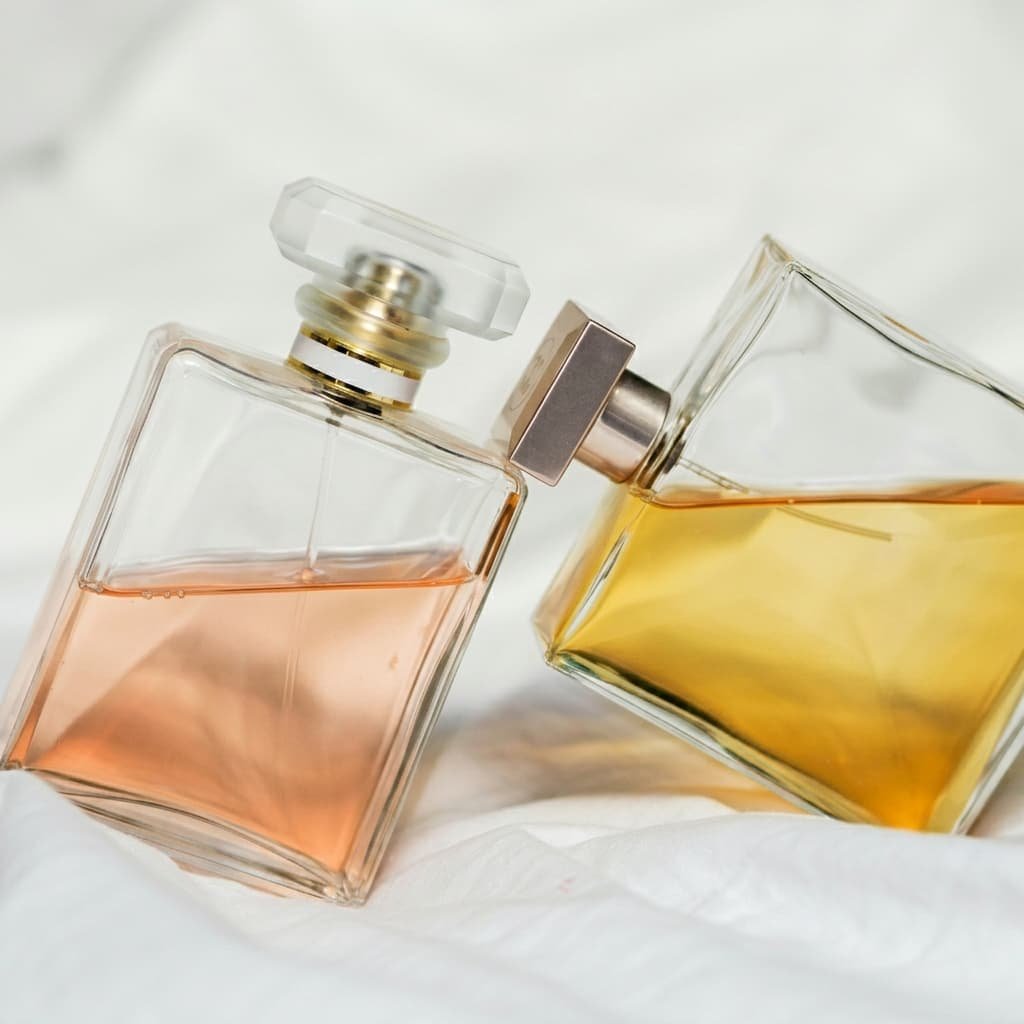
The products: Not an ingredient, but a category — commercial perfumes, colognes, and any cosmetic listing “Parfum,” “Fragrance,” or “Aroma” on the label.
Why they are under particular scrutiny
“Fragrance” or “Parfum” is a legal loophole. Under both EU and US law, fragrance formulations are considered trade secrets and do not need to be disclosed. A single word on a label — “parfum” — can legally conceal dozens, sometimes hundreds, of individual chemicals.
A typical commercial perfume contains an average of 14 undisclosed chemicals; a 2018 study by the Breast Cancer Prevention Partners found an average of 19 known sensitisers in the fragrances tested.
Roughly one-third of the population reports experiencing adverse effects from fragrance exposure — headaches, respiratory irritation, skin reactions, and asthma attacks. The 2025 Frontiers in Toxicology review specifically highlighted fragrances as a leading source of undisclosed phthalates, synthetic musks, and volatile organic compounds linked to endocrine disruption, allergies, and neurological symptoms.
Many luxury perfumes contain benzyl salicylate, BHT, and phthalates such as diethyl phthalate (DEP) — used as a solvent and fixative — that are known endocrine disruptors. These are not listed on the bottle. As far as the consumer knows, they are not there.
Regulatory status (2026)
A significant change is coming. From 31 July 2026, the EU will require the labelling of 82 individual fragrance allergens (up from the previous 26) on cosmetic product labels, under Regulation (EU) 2023/1545. Any of these allergens present above 0.001% in leave-on products, or 0.01% in rinse-off products must be listed by name.
This does not require full fragrance disclosure, but it represents a major expansion of transparency. In the United States, the Modernisation of Cosmetics Regulation Act (MoCRA) requires the FDA to issue fragrance allergen disclosure rules by August 2028. The industry standards set by the International Fragrance Association (IFRA) are voluntary and self-regulating. The gap between what is known and what is disclosed remains wide.
Where we stand
We disclose every ingredient. We do not list “parfum.” Our scents come from essential oils and natural isolates, and every component is listed on our labels by its INCI name. If you want to know what you are putting on your skin, you can — because we have already told you.
10. CMR Substances (Omnibus Act VIII)
The category: Carcinogenic, Mutagenic, or Toxic for Reproduction (CMR) substances.
The change
Omnibus Act VIII — implemented via Commission Regulation (EU) 2026/78, effective 1 May 2026 — added 18 new CMR substances to the EU Cosmetics Regulation’s restricted and prohibited lists. Unlike previous amendments, this regulation provides no sell-through period: products containing these substances must be removed from the EU market immediately.
| Substance | Status under Omnibus VIII (May 2026) |
|---|---|
| N,N’-Methylenediacrylamide | Prohibited (Annex II) |
| Sodium 3-(allyloxy)-2-hydroxypropanesulphonate | Prohibited (Annex II) |
| Silver (nano — 1 nm to 100 nm) | Prohibited (Annex II) |
| Silver (massive — ≥ 1 mm) | Prohibited (Annex II) |
| Acetone Oxime | Prohibited (Annex II) |
| Trimethyl Borate | Prohibited (Annex II) |
| 2,3-Epoxypropyl Neodecanoate | Prohibited (Annex II) |
| 1,4-Dichloro-2-nitrobenzene | Prohibited (Annex II) |
| Perboric acid and its salts | Prohibited as a group (Annex II) |
| Hexyl Salicylate | Restricted (Annex III) — max 2% in fragrances, down to 0.001% in toothpaste |
| Silver powder (100 nm to 1 mm) | Restricted (Annex III) — max 0.05% in oral care only |
| o-Phenylphenol / Sodium o-Phenylphenate | Restricted (Annex V) — max 0.2% rinse-off, 0.15% leave-on; no inhalation use |
Full list of 18 substances available in Commission Regulation (EU) 2026/78.
Where we stand
None of the newly restricted or prohibited substances appears in our formulas. We track these reclassifications carefully. We don’t simply adjust. If any ingredient we might consider in the future shows even a credible signal of health concern, we don’t wait for regulators to catch up. We ban it outright from our workshop, before any law enforcement, because waiting for legislation to confirm what the science already suggests isn’t a risk we’re willing to take with your skin.
Additional Ingredients Worth Mentioning
Beyond the ten categories above, several other ingredients have seen recent regulatory action or are under active review:
| Ingredient | Status (2026) |
|---|---|
| CBD (Cannabidiol) | Restricted to ≤ 0.19% in cosmetics |
| Genistein | Restricted to ≤ 0.007% in leave-on products |
| Daidzein | Restricted to ≤ 0.002% in leave-on products |
| BHA (Butylated Hydroxyanisole) | Permitted ≤ 0.07%; SCCS flagged endocrine data gaps |
| Benzyl Salicylate | New concentration limits under Regulation (EU) 2026/909, effective 2027 |
| Triphenyl Phosphate | Now fully prohibited (Annex II) |
| Formaldehyde-releasing preservatives | Labelling threshold lowered to 0.001% (10 ppm), effective July 2026 |
| Nano-hydroxyapatite | Under active SCCS safety assessment |
| Silver Zinc Zeolite / Silver Silicate | Reclassified; ammonium silver zinc aluminium silicate permitted ≤ 1% in deodorant sprays and powder foundations only |
A Final Word — on All Three Parts
If you have made it through all three of these articles, you have covered more than twenty-five ingredient categories. That is a lot. But here is what we hope you take from it — not a list of chemicals to memorise, but a framework for thinking.
The system we have — even a relatively good one like the EU’s — is designed to evaluate one ingredient at a time, in one product, at one concentration. That tells you something. It does not tell you everything. It does not tell you what happens when that product is one of fifteen you use today, and tomorrow, and for the next forty years. It does not tell you what happens when you layer a retinol serum under a chemical sunscreen, over a fragranced lotion, after a sulphated cleanser, while wearing perfume and synthetic clothing, eating processed food, breathing urban air, and absorbing microplastics from the water supply. That is the real equation. Nobody has solved it.
And the load is not just cosmetic. It is the pollution in the air. The microplastics in food, especially when that food has been heated in plastic. The residue of medications. The dyes and finishes in the clothes against your skin. The undisclosed chemicals in the perfume you spray on your neck every morning — one of the most under-regulated products on the market, entering your body through your lungs and your skin, with most of its ingredients legally hidden as trade secrets. These are not separate problems. They are one cumulative burden, entering through multiple routes, adding up over a lifetime. And it is not just the obvious products — it is the daily ones, the routine ones, the ones you have used for so long you no longer see them. Almost none of those combinations have been studied.
A peer-reviewed journal put it plainly in 2025: “the cumulative and long-term effects of repeated exposure to multiple chemical ingredients from cosmetics remain poorly understood”. That was not a campaign. That was science — published in Frontiers in Toxicology, a journal that has no commercial interest in selling you a face cream.
A 2025 Rutgers Health study quantified what that looks like in practice: the average consumer uses 14.5 personal care products daily, exposing themselves to more than 100 chemicals. The products with the highest hazard scores, consistently, were perfumes and colognes — precisely the category where ingredient disclosure is weakest. The study also found something encouraging: people who deliberately chose safer products had measurably lower chemical burdens. Swapping out hazardous products, the researchers noted, can drop your chemical levels within days.
We are not asking you to panic. We are asking you to pay attention. To read labels. To understand that “permitted” means “we have tested it in isolation and found no clear harm at this dose.” It does not mean “we have tested what happens when it is used with everything else, for a lifetime.” Those are not the same thing.
And we are telling you, as clearly as we can, that we have done the reading. We keep our ingredient lists short. We choose plant-based, minimally processed, water-free formulas that do not need preservatives, emulsifiers, stabilisers, or masking fragrances. When we do make water-based creams in our workshop, we use natural preservatives and emulsifiers from natural sources — because it is possible. The tools are there. The results are beautiful. The shelf life may be shorter, but the product is fresh, alive, and honest.
We also believe — and have demonstrated in our own workshop — that it is entirely possible to formulate safe, effective, and beautiful products, including water-based creams, using natural preservatives and emulsifiers derived from natural sources. They may have a shorter shelf life than a mass-produced product loaded with synthetics. But they are fresh, nutrient-rich, and genuinely designed to support your skin rather than just survive on a warehouse shelf. The tools exist. The knowledge exists. What is needed is the will.
This is not purity. It is not perfection. It is a decision, revisited constantly, to use the best information available and to lean toward fewer ingredients, not more. We hope that reading this has given you a framework, not a checklist. And we hope it is clear: there are brands that think about this. You are holding one.
Continue Reading
- Part 1 — Preservatives: parabens, formaldehyde-releasers, and the chemicals that stop products from spoiling. Why we avoid certain preservatives and how we keep our products fresh without them.
- Part 2 — The structural and sensory ingredients: silicones, emulsifiers, fragrances, mineral oils, and pigments. The ingredients that give a product its feel, its scent, its colour, and its shelf presence — and why every one of them should earn its place.
Support Your Skin
Our natural product collection at Ossie Naturals is formulated specifically to support your skin’s natural adaptive processes. Each product provides the building blocks your skin needs, from barrier-supporting lipids to adaptive antioxidants.
We don’t believe in dramatic seasonal routine overhauls or aggressive treatments that fight against your skin’s natural processes. Instead, our approach focuses on gentle, consistent support that works with your skin’s intelligence rather than against it.
Join our private community on Facebook or join our Newsletter for access to seasonal transition guides, ingredient education, and products specifically formulated to support your skin through changes because your skin’s adaptive intelligence deserves support, not interference.
Performance‑led, nutrient‑rich compositions
Our House Collection
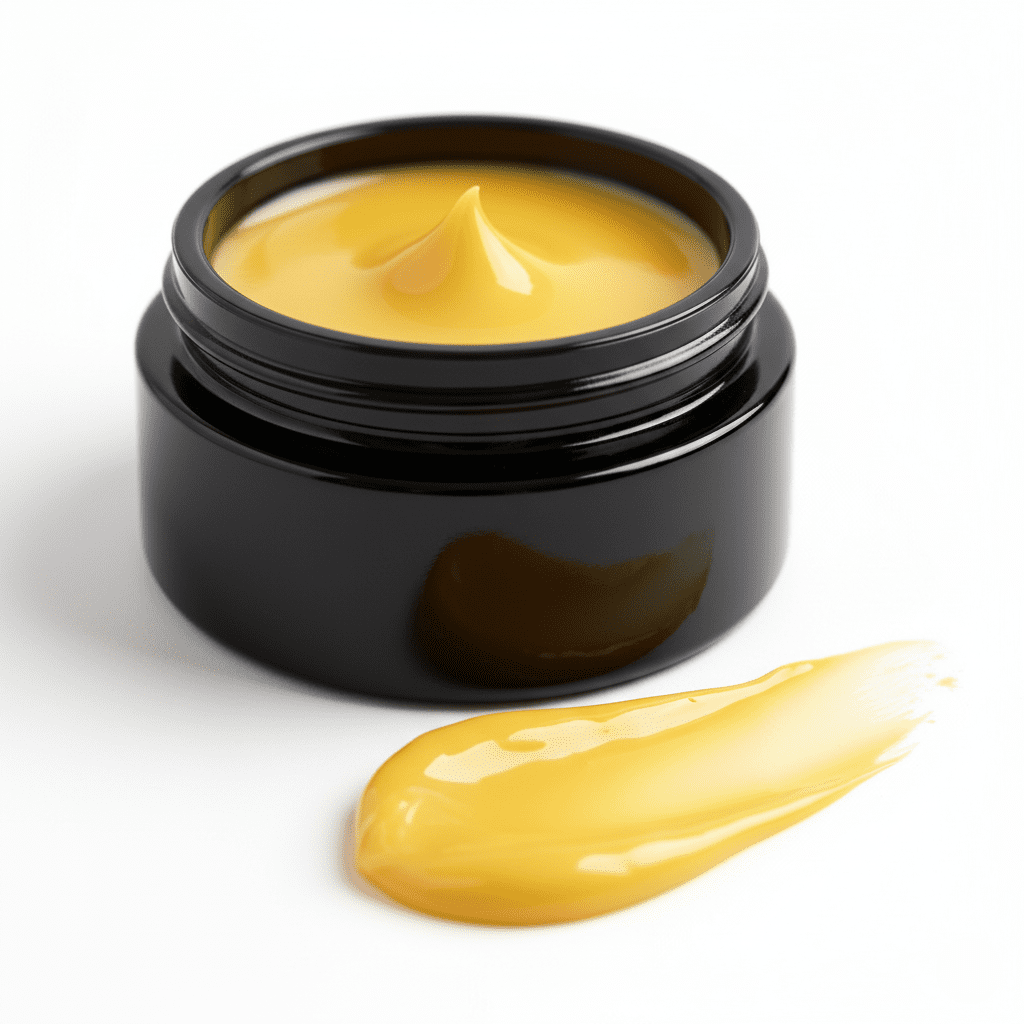
Calendula Balm - Original™
Restorative and Calming Concentrate
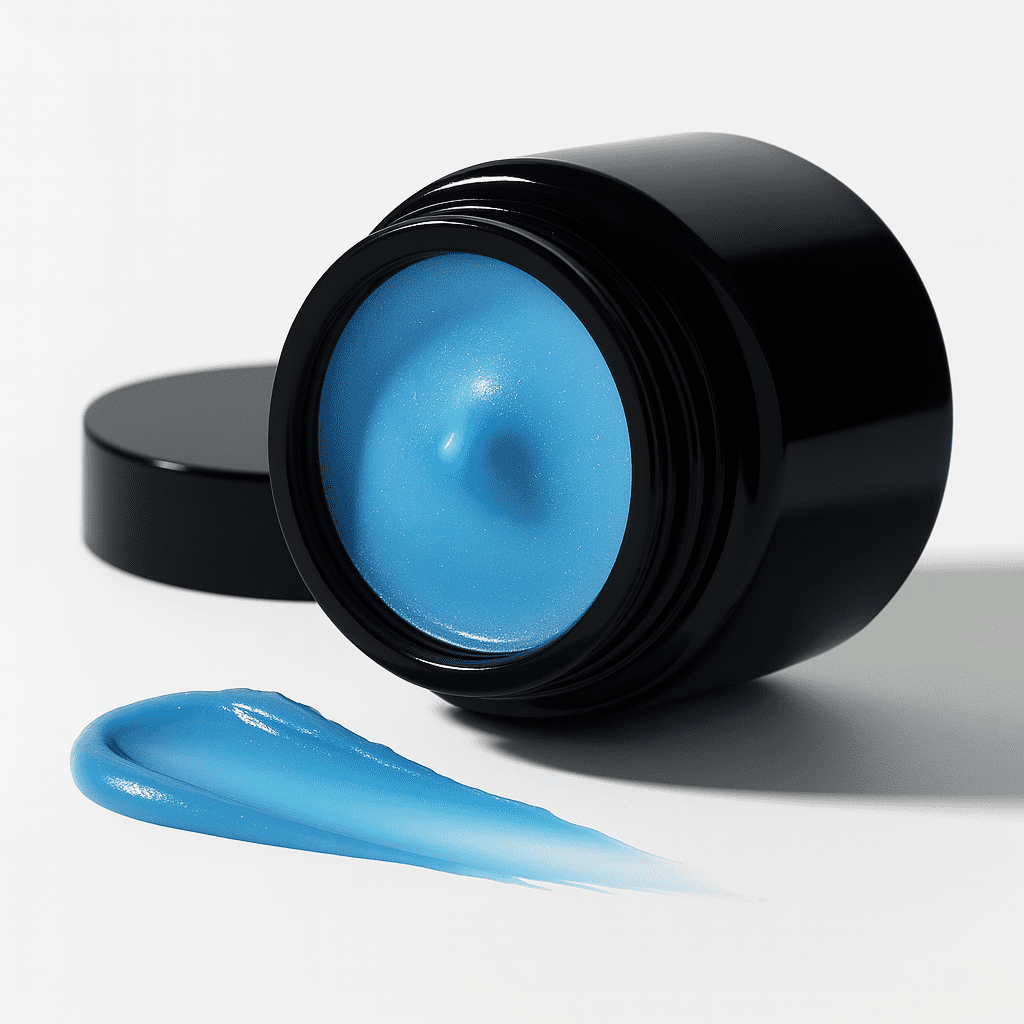
Azure Tansy
Balm™
Intensive Repair and Protection Complex
TerraPure - Original Deodorant
Powerful protection, naturally
Restorative Phyto‑Serum Oil™
Renewal and Balance. Visible transformation in every drop
We empower your skin to thrive.
Sign Up Newsletter
Ready to invest in your skin’s future with the finest natural ingredients? Explore our collections or join our community for expert tips and exclusive access.
We value your trust when sharing your personal data with us. We always treat your data in a fair and respectful manner, limited to the purpose mentioned above. If you would like to know more about how we handle your data, please read our Privacy Policy.