When Your Skin Changes Personality: Skincare Through Perimenopause
Products that once felt like nothing now sting. Skin is dry and breaking out at once. This is perimenopause — and understanding it changes everything.

When Your Skin Changes Personality
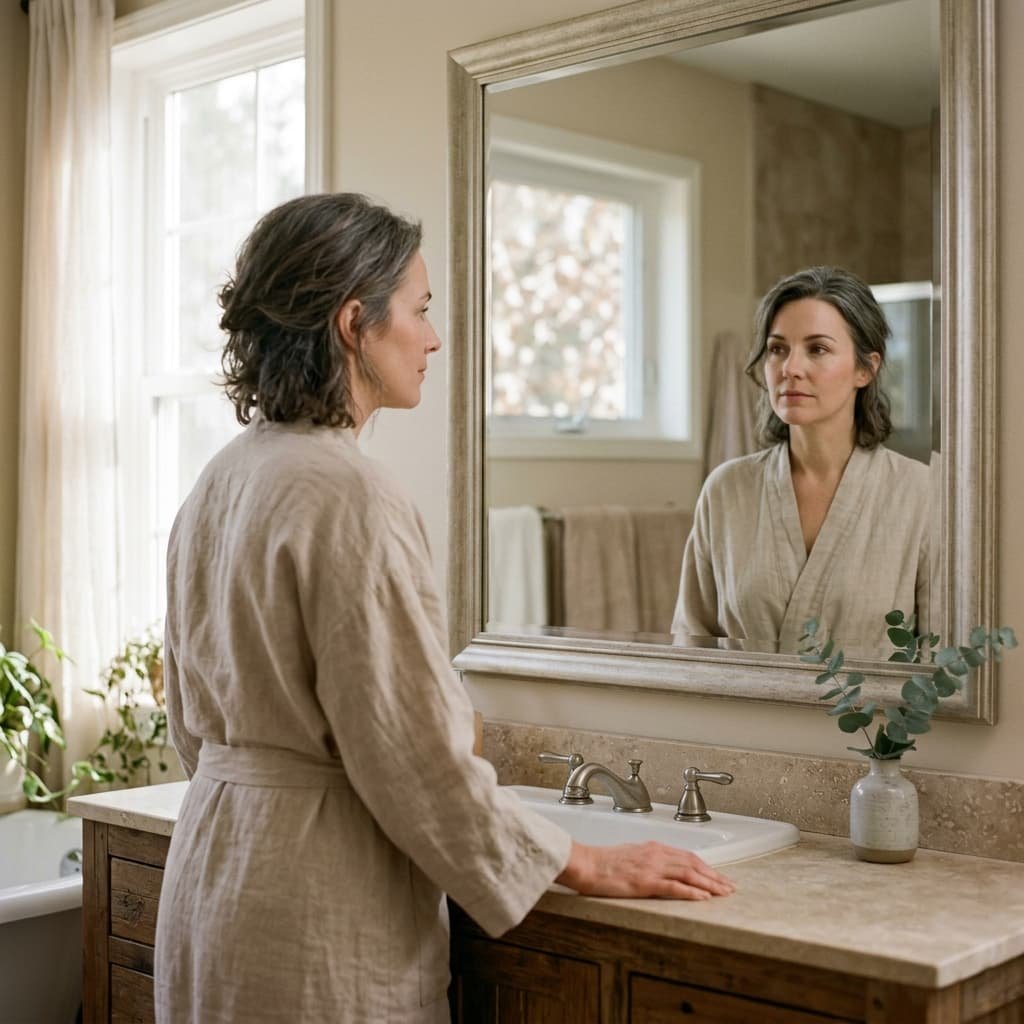
There is a moment — and if you are here, you have probably had it — when you look in the mirror and feel a quiet, unwelcome jolt. The face looking back at you does not quite feel like yours. Not because of a new line or a change in contour, but because your skin is behaving in ways you do not recognise. Products you have used for a decade now sting on contact. Your cheeks — once predictable — now flush without warning and stay pink for hours. You are somehow breaking out and flaking at the same time. A strange prickling sensation creeps across your face at night. And the worst part? Nobody prepared you for this.
If this sounds familiar, you are not being dramatic. You are not doing anything wrong. And you are certainly not alone.
What you are experiencing is perimenopause — the hormonal transition that typically begins somewhere in the early-to-mid forties and can stretch across a decade before menopause itself. It is one of the most profound physiological shifts a woman goes through, and yet the conversation about what it does to skin has been strangely absent. Until recently, most of us were handed a retinol and told it was just ageing.
It is not just ageing. It is a recalibration. And understanding what is actually happening beneath the surface changes everything — not because it fixes things overnight, but because it finally makes sense of what your skin has been trying to tell you.
When Products That Worked for Years Suddenly Burn
Of all the changes that arrive in perimenopause, this is the one that catches women off guard most. You unscrew the lid of the moisturiser you have used for years. You apply it as you always have. And within seconds, your skin tingles, then burns, then flushes in patches.
The first instinct is to check the expiry date. Then, to wonder if you bought a counterfeit. Then to blame yourself — maybe you are overwashing, under-moisturising, doing something wrong.
You are not. The product did not change. Your skin’s tolerance did.
Here is what is happening. Your skin barrier — that outermost wall of cells held together by a mortar of lipids — relies heavily on ceramides to keep water in and irritants out. Oestrogen helps the skin produce those ceramides. Research published in Scientific Reports found that post-menopausal skin has significantly lower ceramide levels and shorter ceramide chain lengths than pre-menopausal skin. As oestrogen declines during perimenopause, the barrier becomes thinner, more permeable, and less able to defend itself.
At the same time, your skin’s pH shifts. A healthy barrier sits at a slightly acidic pH of around 4.5 to 5.5. Menopause pushes it toward alkaline. This matters because the enzyme that produces ceramides — acid sphingomyelinase — needs that acidic environment to function. When pH rises, ceramide production drops further. It is a compounding loss.
The result is that nerve endings sit closer to the surface, more exposed. Products that once stayed safely in the outer layers now reach places they never used to. The formula has not betrayed you. Your barrier is thinner than it was — and it is asking you to notice.
This is not a sensitivity you developed. It is inflammation your body can no longer entirely suppress — what some researchers now call “inflammaging”: chronic, low-grade inflammation driven by hormonal decline. It shows up as flushing, reactivity, and that sudden burning sensation from products that once felt like nothing.
The instinct when skin reacts is often to add more: a calming serum, a redness treatment, another step. But here, the most intelligent response is often the opposite. Pause. Simplify. Let the barrier catch its breath. For many women, a reset of seven to fourteen days — just a gentle cleanser, a simple barrier-supportive oil or balm, and SPF — is enough to stop the stinging and create a baseline the skin can build from.
Dry and Breaking Out at the Same Time — How Is That Even Possible?
Perhaps the most disorienting feature of perimenopausal skin is the paradox: it feels tight, parched, and flaky on the surface, yet somehow congested and breakout-prone underneath. One week, the cheeks are peeling. The next one, cystic bumps appear along the jawline. Products for dry skin feel too heavy and trigger spots. Products for breakouts strip whatever moisture remains and leave the face feeling raw.
This is not your skin being difficult. It is your hormones sending mixed signals, and your skin is caught in the middle.
During perimenopause, oestrogen does not decline smoothly — it fluctuates erratically. In weeks when oestrogen dips, the skin barrier weakens, oil production drops, and everything feels dry and fragile. But here is the twist: while oestrogen is falling, androgens like testosterone stay relatively stable. The ratio shifts, and that relative androgen excess can trigger sebum overproduction in certain areas — typically the T-zone and jawline. The result is an oily centre, flaking cheeks, and hormonal cystic breakouts, all coexisting on the same face.
Conventional acne products backfire on this terrain. Salicylic acid and benzoyl peroxide are drying agents that further compromise an already weakened barrier. Foaming cleansers push pH further alkaline, degrading ceramide production. The products designed for teenage skin were never meant for this.
The approach that tends to work is gentle, balanced, and lipid-first. A non-stripping cleanser that does not foam aggressively. Lightweight plant oils rich in linoleic acid — like rosehip — which are non-comedogenic and actually help balance sebum production rather than shutting it down entirely. And a simple balm at night to seal moisture into the drier areas without overwhelming the oilier zones.
This is not a regression to teenage skin. It is recalibration. Your skin is not breaking out because something is wrong with you. It is breaking out because your hormonal landscape has shifted, and your skin has not yet found its new equilibrium. It will.
That Crawling, Prickling Sensation — Yes, It Is Real
There is a symptom of perimenopause that few people talk about, and when it first appears, it can be genuinely frightening. Women describe it as ants under the skin. A creepy-crawly feeling across the cheeks or forehead. Prickling, tingling, a sensation like invisible insects moving across the face. Some feel it most at night. Some notice it flares unpredictably and then disappears without explanation.
It has a name: formication. And it is far more common than most women realise.
The mechanism is linked to declining oestrogen and its effect on the nervous system. Research published in PNAS shows that oestrogen modulates itch through neural pathways in the spinal cord. When oestrogen declines, that regulatory pathway weakens. A separate body of research identifies a bidirectional histamine-oestrogen disruption: falling oestrogen amplifies histamine activity, and elevated histamine further disrupts oestrogen signalling. The skin becomes more reactive, nerve endings more sensitive, and sensations that would normally be filtered out reach conscious awareness.
At the same time, the barrier is thinning and drying, which compounds the problem. Nerve endings sit closer to the surface with less lipid protection. Two systems — the neurological and the structural — are shifting simultaneously. The crawling sensation is not in your head. It is in your skin, and it has a physiological explanation.
What helps in practice: lukewarm water over hot, which aggravates nerve endings. A humidifier in the bedroom during dry months. Being mindful of histamine-rich foods — aged cheese, fermented products, alcohol, and tomatoes — which can intensify the sensation for some women. And above all, a fragrance-free, minimal-ingredient routine that does not add further triggers to already sensitised skin.
If you have been quietly worrying that something is seriously wrong, take a breath. This is a known, documented, and temporary feature of the hormonal transition. It does not mean you are losing your mind. It means your body is going through something profound, and your skin is along for the ride.
Why Your Skin Suddenly Looks Tired — Even When You Are Not
There is a particular kind of dullness that sets in during perimenopause. It is not the tiredness of a late night or a dehydrated week. It is deeper — a greyish, flattened quality to the complexion that seems to persist regardless of sleep, water intake, or product use. The skin looks less luminous, less reflective, somehow less alive.
This is not vanity. It is visibility. And what is visible is a convergence of structural changes happening beneath the surface.
Collagen — the protein scaffolding that gives skin its density, bounce, and light-reflecting quality — declines sharply as oestrogen falls. Research consistently shows that women can lose up to 30% of their skin’s collagen in the first five years after menopause, with continued loss of roughly 1 to 2% per year for the following two decades. This is not a small shift. It is a fundamental change in the skin’s architecture, and it directly affects how light hits the surface and how the skin holds its shape.
At the same time, cell turnover slows. The skin’s natural renewal rhythm — which, in our twenties and thirties, refreshes the surface roughly every twenty-eight days — begins to stretch longer. Dead cells accumulate. The surface becomes less smooth. Light scatters rather than reflects. The glow dims.
And then there is moisture loss. With fewer lipids and a weaker barrier, transepidermal water loss increases. The skin cannot hold onto hydration the way it once did, and dehydrated skin always looks flatter, more tired, less vital.
None of this means the skin is failing. It means it needs a different kind of support than it did before — one that works with its new biology rather than fighting against it.
What Skin Actually Needs Now — And What It Does Not
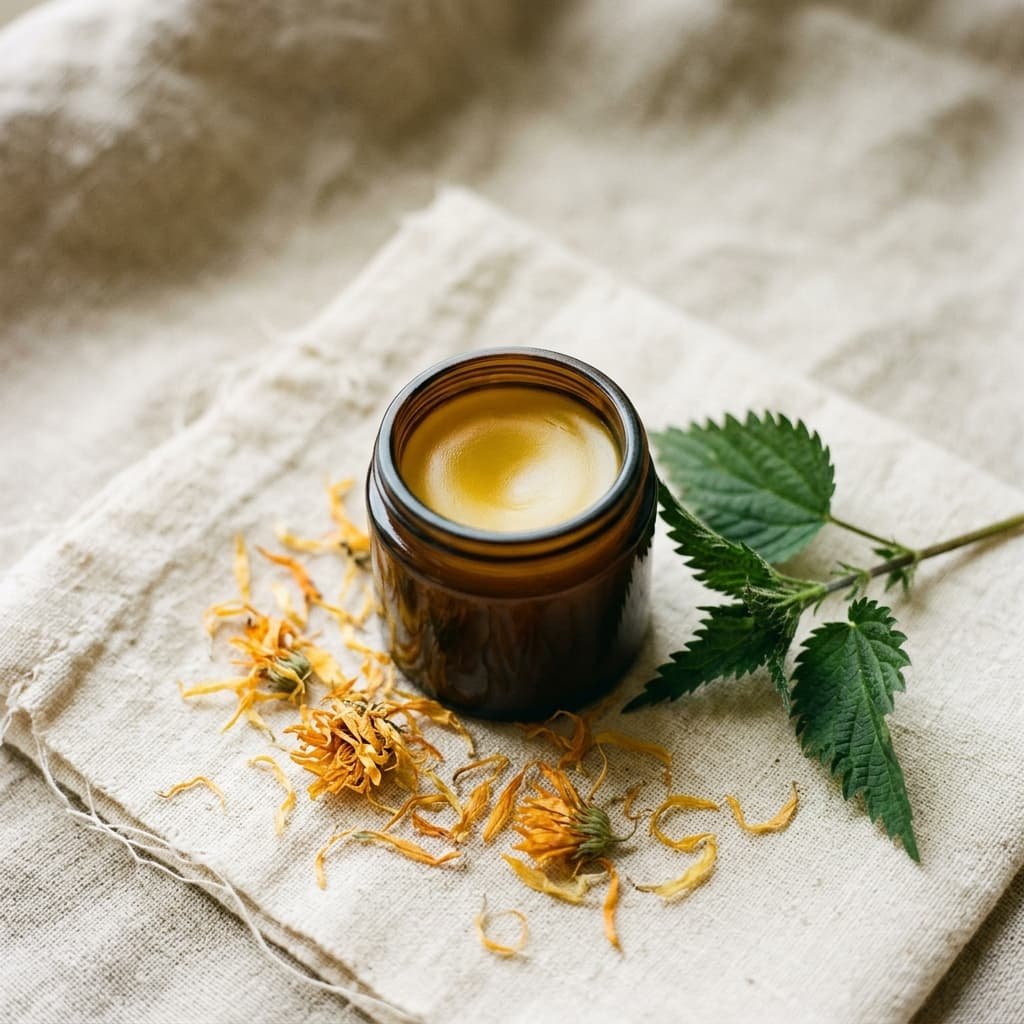
If the problem across all of these changes is a thinner barrier, slower renewal, increased reactivity, and reduced lipid production, then the solution is rarely about adding more active ingredients. It is about shifting the philosophy of care entirely.
What skin tends to need more of:
-
Lipid-first formulations. When the skin produces fewer of its own lipids, externally supplied oils that echo the skin’s natural composition — squalane, jojoba, camellia, rosehip, evening primrose — become not just helpful but essential. These are the ingredients that replace what the barrier can no longer make enough of on its own.
-
Barrier-sealing balms at night. Skin loses water while we sleep. A well-chosen, occlusive balm as the final evening step — rich in shea butter, beeswax, and nourishing oils — can dramatically reduce overnight moisture loss. This single step often yields visible improvement by morning.
-
Gentle, pH-conscious cleansing. The cleanser is where sensitivity often begins. If it foams aggressively, it is probably too alkaline. Switching to a non-foaming, lipid-based cleanser — or even rinsing with water on calm mornings — can preserve barrier integrity before any other product has a chance to work.
-
Consistency over intensity. Perimenopausal skin responds to rhythm, not shock. A steady, gentle routine repeated daily will almost always outperform an aggressive routine applied erratically.
What skin tends to need less of:
-
High-strength actives are used without a buffer. Retinoids, strong acids, and even some vitamin C formulations can overwhelm skin that is already struggling. This does not mean abandoning actives entirely — but it means pacing them differently, buffering them in lipid-rich bases, and listening when skin says it is too much.
-
Over-cleansing and hot water. Both strip lipids and dilate surface blood vessels, leaving skin flushed and vulnerable.
-
Fragrance and unnecessary complexity. Each additional ingredient is another variable on an already sensitised canvas. Fewer steps, fewer triggers, fewer unknowns.
The principle at the heart of this is simple: support the barrier first, and everything else follows. A stronger barrier is its own kind of treatment — reducing reactivity, improving moisture retention, and creating the conditions where renewal can happen without force.
The Botanicals That Meet Skin Where It Is Right Now
Not all ingredients speak the same language to perimenopausal skin. The ones that tend to resonate most are those that replenish rather than demand, that support rather than push.
Evening Primrose Oil is rich in gamma-linolenic acid (GLA), a fatty acid that plays a direct role in barrier integrity and skin comfort. For skin experiencing hormonal dryness and fragility, evening primrose offers the kind of soft, restorative lipid support that perimenopausal complexions often respond to — not because it reverses anything, but because it replaces what the skin can no longer easily produce.
Bakuchiol has emerged as one of the most important botanical alternatives to retinol, particularly for the perimenopausal window. A 2018 clinical study published in the British Journal of Dermatology found that bakuchiol delivered comparable improvements in fine lines and hyperpigmentation to retinol — with significantly less stinging, peeling, and irritation. For skin that can no longer tolerate conventional retinoids, this matters enormously.
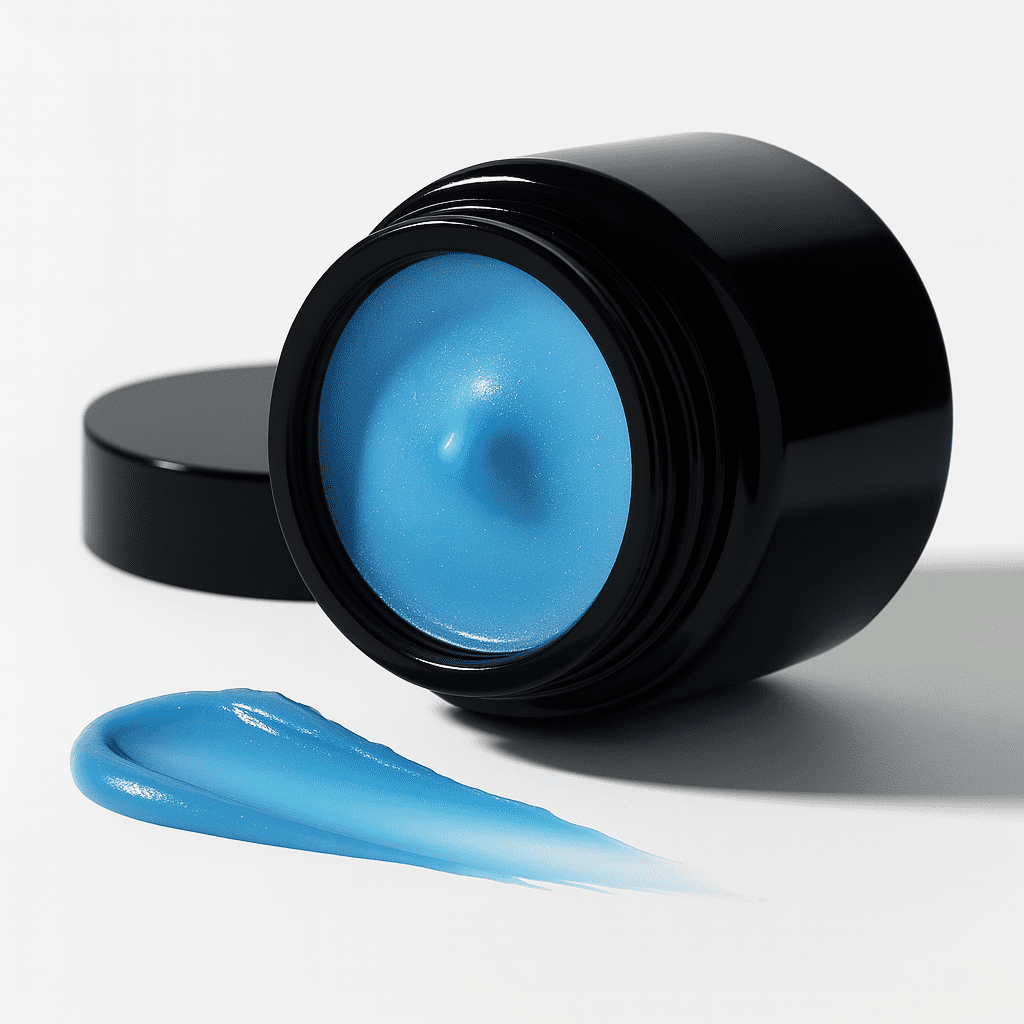
Blue Tansy brings its deep azure colour and the compound azulene — valued for generations in formulations designed for skin that feels unsettled, reactive, or prone to visible flushing. Its presence in a formula signals calm, not correction.
Nettle, hand-harvested from unsprayed environments and slowly infused into olive oil, has been used for generations as a quiet, consistent ally for reactive skin. It is especially valuable in the cleansing step, where irritation so often begins.
Squalane — derived from a lipid naturally present in human sebum — is one of the most universally well-tolerated emollients available. On thinning, easily unsettled skin, it reduces moisture loss without heaviness, and the barrier recognises it on contact.
Rosehip and Sea Buckthorn work in partnership. Rosehip provides essential fatty acids and a light, easily absorbed texture. Sea buckthorn contributes a denser profile — including the rare omega-7 fatty acid and over 190 bioactive compounds — alongside a radiant golden-orange colour that signals its concentration of carotenoids and antioxidants. Together, they nourish deeply while supporting the kind of visible renewal that perimenopausal skin is often asking for.
A Morning and Evening Rhythm That Feels Like Care, Not Correction

The best routine for perimenopausal skin is one that feels quiet, unrushed, and composed of products that settle rather than impose themselves. This is not a regimen to endure. It is a rhythm to sink into.
Morning
Start gently. If your skin feels dry or dehydrated, the Nettle Soap — with wild-collected nettle infused into olive oil, Irish grass-fed tallow, shea, aloe butter, raw honey, and colloidal oatmeal — creates a creamy, conditioning lather that cleanses without stripping. If your skin is very reactive but not especially dry, a rinse with lukewarm water may be all it needs.
While skin is still damp, press a few drops of serum between your palms and pat onto the face, neck, and décolletage.
For daily barrier support without active complexity, reach for the BioLipid Serum Oil — with squalane, grapeseed, jojoba, rosehip, sea buckthorn, evening primrose, and camellia in a texture that feels supple rather than oily.
If your skin is in a phase of heightened reactivity — everything stings, even water — the Nettle Serum Oil offers a simpler path. With wild nettle oil, squalane, jojoba, fractionated coconut, meadowfoam, hempseed, evening primrose, borage, and the quiet calming presence of alpha-bisabolol, it is composed for skin that needs to feel held without being asked to do anything else.
Finish with a mineral sunscreen. Perimenopausal skin is thinner and more vulnerable to UV penetration. Sun exposure also triggers flushing, which can linger for hours. This step is not optional.
Evening
Begin with Soft Cleanse Balm. Warm a hazelnut-sized amount between dry palms, massage onto dry skin, and let it dissolve makeup, SPF, and the residue of the day. Add warm water to emulsify, then rinse. With hemp seed, calendula, frankincense, lavender, and lemon, it cleans thoroughly without disrupting the barrier. Cleansing should feel like care, not stripping — and for perimenopausal skin, this distinction is everything.
On damp skin, apply your serum with the same quiet press-and-pat motion.
Then, as your final step, warm a small amount of balm between your fingertips until it melts to oil and press it gently over the face.
Which balm? This depends on what your skin is expressing right now:
-
If your skin is reactive and flush-prone — easily set off by heat, food, or stress — Azure Tansy Balm helps quiet the look of redness and leaves skin feeling calm and protected.
-
If your skin is persistently unsettled and reactive to almost everything, Calendula Balm Original offers the gentlest possible seal — just calendula-infused olive oil, beeswax, bee pollen, and vitamin E.
-
If redness comes with marked dryness and visible texture, Calendula Balm Plus — with rosehip and sea buckthorn — supports deeper replenishment.
-
If your skin feels thin, fragile, as though it has lost density and resilience, the Seabuckthorn Balm brings a more actively restorative layer. With sea buckthorn, bakuchiol, vitamin C, centella, and calendula, it supports visible renewal whilst offering a protective, occlusive finish.
For skin ready to introduce gentle actives, the Restorative Phyto-Serum Oil — with bakuchiol, vitamin C, blue tansy, and chlorella layered into a deeply lipid-rich base of twelve botanical oils — can be introduced gradually in place of the BioLipid Serum Oil on calm evenings. It is designed for skin that cannot tolerate traditional retinoids but is ready for steady, visible renewal.
Occasional Gentle Exfoliation
Most perimenopausal skin does not need regular exfoliation in the traditional sense, and the “what skin needs less of” section above is the rule. But when the barrier feels settled and resilient — reactivity quiet, flushing rare — the Bio-Refining Scrub offers a gentle, occasional refresh. Mix the powder with a few drops of serum rather than water to create a buffered, nourishing paste that lightly polishes without disruption. Once a fortnight at most, and never on a day when skin feels reactive.
This Is Not Something to Fix. It Is Something to Move Through.
There is a line that runs through everything Ossie believes about skincare, and it applies here perhaps more than anywhere else: “My strength isn’t in the products you add, but in the barrier you choose not to break.”
Perimenopause is not a problem to be solved. It is a transition to be inhabited. Your skin is not failing you — it is changing, and it is asking you to change with it. That is not a weakness. That is evolution.
The products, the routines, the ingredients — they matter. But what matters most is the shift in orientation: from fighting your skin to listening to it. From “anti-ageing” to pro-barrier. From more to enough.
Your skin is not leaving you. It is becoming something new. And you get to meet it there — with gentleness, with patience, and with a quiet, steady kind of care that finally feels like recognition at first touch.
Explore the products mentioned:
Cleansers
Serums
BioLipid Serum Oil
A lipid-rich composition that supports softness, flexibility, and everyday barrier comfort without ever feeling heavy
Restorative Phyto Serum Oil
Renewal that doesn’t punish your skin to get there. All the visible smoothing, firming, and brightening you want. Delivered gently enough for the most reactive complexions.
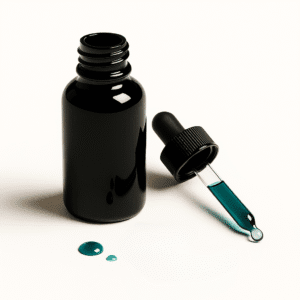
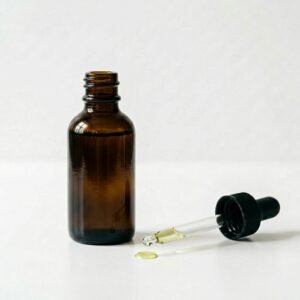
Nettle Serum Oil
A lightweight calming veil that helps soften the look of redness, supports a more settled, balanced complexion and restores everyday comfort
Balms
Calendula Balm Original
When skin says no to everything else. The simplest, gentlest balm we make — just a quiet seal of comfort for the most sensitive, easily unsettled complexions.
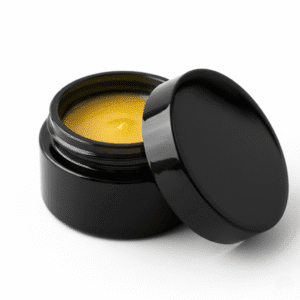
Calendula Balm Plus
Where redness meets dryness. A richer, more restorative calendula balm with rosehip and sea buckthorn to replenish, soften, and support visible renewal.
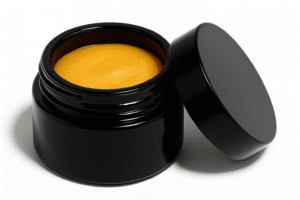
Azure Tansy Balm
A protective, azure-rich balm that helps quiet the look of redness and leaves reactive skin feeling held, calm, and deeply comforted.
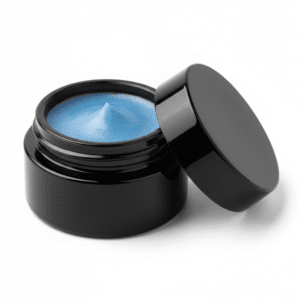
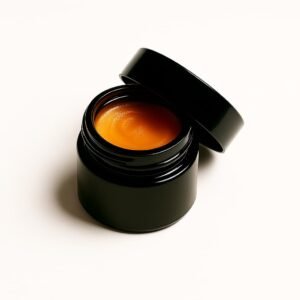
Seabuckthorn Balm
For skin that feels thinner, more fragile, less resilient. A concentrated restorative balm that helps rebuild a sense of density and protection while supporting lasting comfort.
Scrub
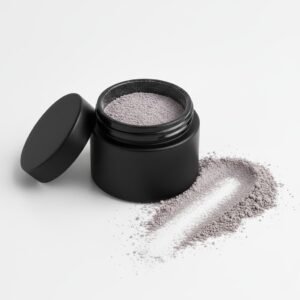
Bio-Refining Scrub
The gentlest kind of renewal. A powder you activate yourself — with water for a light polish or oil for a buffered, nourishing treatment.
For Further Reading
Support Your Skin
Our natural product collection at Ossie Naturals is formulated specifically to support your skin’s natural adaptive processes. Each product provides the building blocks your skin needs, from barrier-supporting lipids to adaptive antioxidants.
We don’t believe in dramatic seasonal routine overhauls or aggressive treatments that fight against your skin’s natural processes. Instead, our approach focuses on gentle, consistent support that works with your skin’s intelligence rather than against it.
Join our private community on Facebook or join our Newsletter for access to seasonal transition guides, ingredient education, and products specifically formulated to support your skin through changes because your skin’s adaptive intelligence deserves support, not interference.
Performance‑led, nutrient‑rich compositions
Our House Collection
Calendula Balm - Original™
Restorative and Calming Concentrate
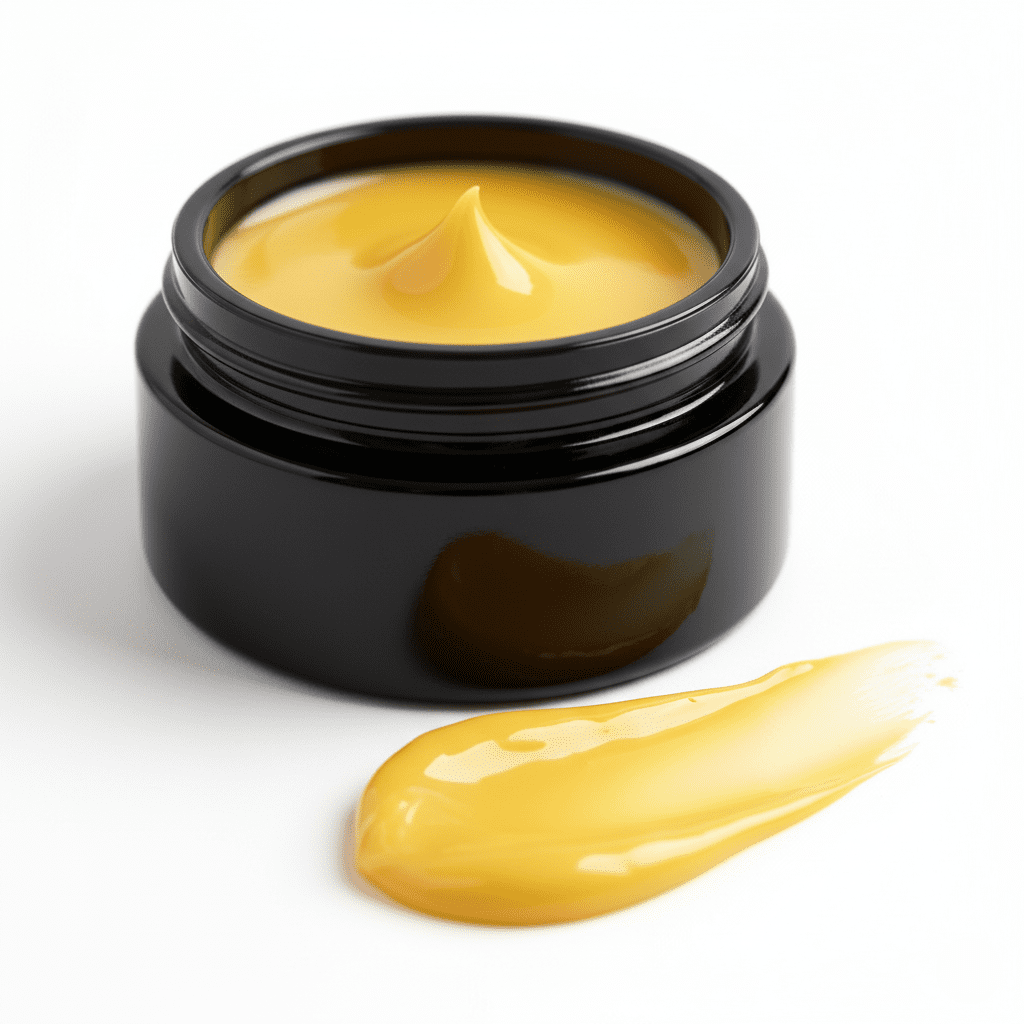
Azure Tansy
Balm™
Intensive Repair and Protection Complex
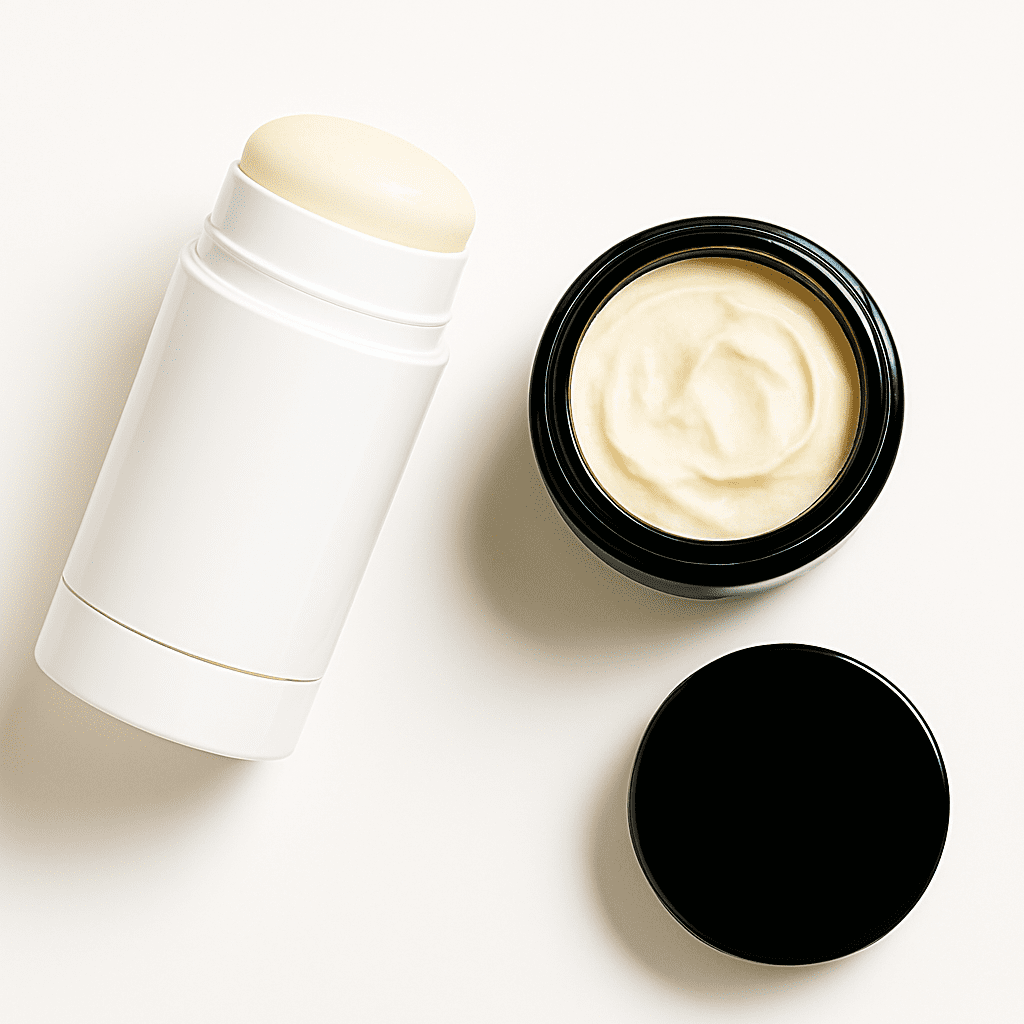
TerraPure - Original Deodorant
Powerful protection, naturally
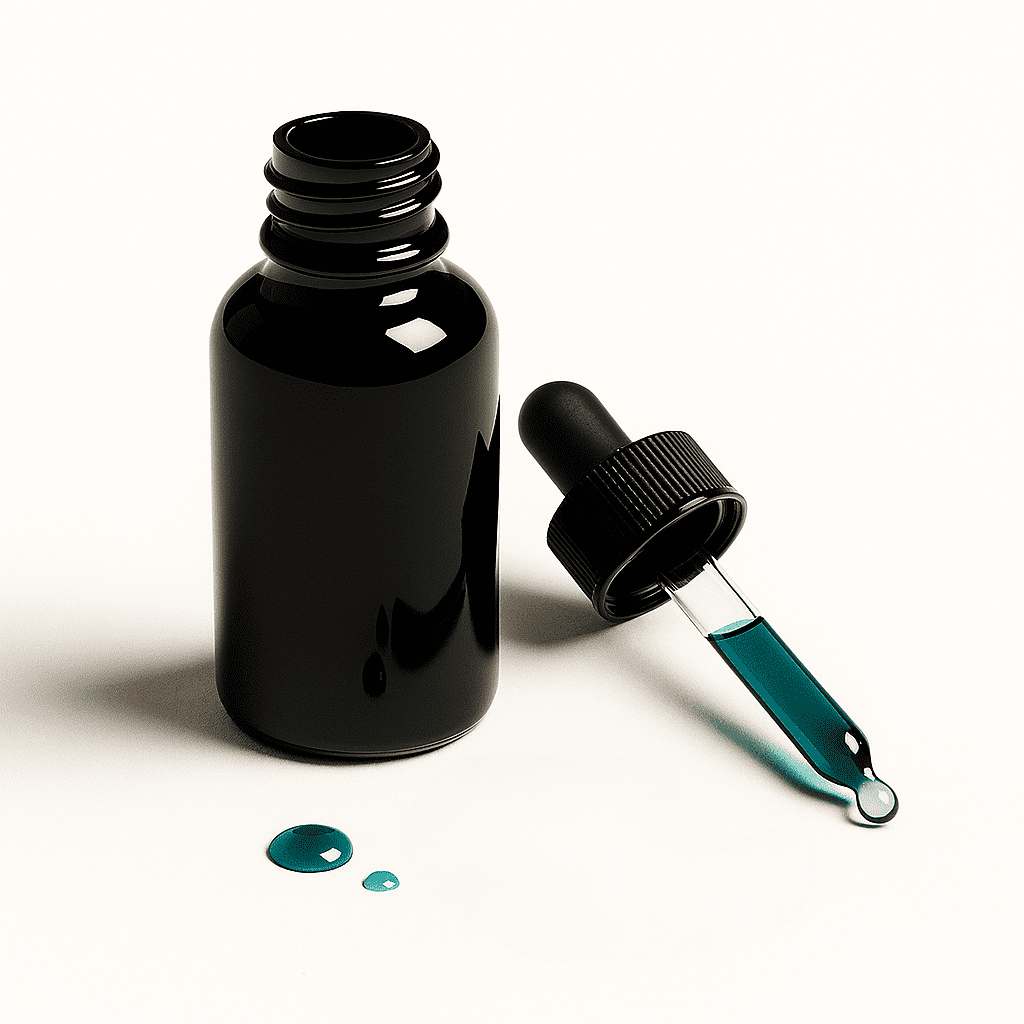
Restorative Phyto‑Serum Oil™
Renewal and Balance. Visible transformation in every drop
We empower your skin to thrive.
Sign Up Newsletter
Ready to invest in your skin’s future with the finest natural ingredients? Explore our collections or join our community for expert tips and exclusive access.
We value your trust when sharing your personal data with us. We always treat your data in a fair and respectful manner, limited to the purpose mentioned above. If you would like to know more about how we handle your data, please read our Privacy Policy.