Do You Really Need To Double Cleanse?
Learn when double cleansing earns its place, when one gentle cleanse is enough and how to keep an evening routine comfortable.

Do You Really Need To Double Cleanse? A Decision Guide For Dry, Sensitive And Mature Skin

Some skincare rules become so familiar that they stop sounding like choices. Double cleansing is one of them. A balm or oil first, a water-rinsed cleanser second, then the rest of the evening routine. It can sound beautifully complete, especially after a day of make-up, sunscreen, travel or city air.
But what happens when your skin begins to feel tight after cleansing, or when a second wash starts to feel like an obligation rather than a helpful step? For dry, sensitive or mature skin, the question is worth asking. Not because double cleansing is inherently too much, and not because one cleanse is always enough. The useful question is simpler: what do you actually need to remove tonight?
Double cleansing can be a thoughtful method when it responds to a real need. It becomes less useful when it is repeated only because the routine says it should be. Cleansing should leave the skin ready for the next step, not make the rest of the ritual work harder to recover comfort.
Double Cleansing Is A Method, Not An Evening Rule
Double cleansing means using two cleansing or removal steps in sequence. The first is commonly chosen to loosen make-up, water-resistant sunscreen, excess oil or a long-wear base. The second is then used to rinse away what remains and leave the skin ready for the rest of the routine.
That description is helpful, but it should not become a rigid formula. Some people use an oil or balm first and a cream, gel or milk cleanser second. Others use a dedicated make-up remover before their usual cleanser. The right pairing depends on the formulas, the amount of product worn, personal preference and, most importantly, how the skin behaves afterwards.
The central idea is not two products for the sake of two products. It is separating removal from cleansing when that distinction makes the evening easier. A first step can be designed to take off a persistent layer. A second, gentle step can then deal with any residue from the first step or the rest of the day. On another evening, one well-chosen cleanser may do the entire job without needing a second act.
What Each Step Is Designed To Do
It helps to think of double cleansing as two different questions rather than two compulsory actions.
The first question is: what is sitting on the skin? A full face of make-up, a water-resistant sunscreen, long-wear mascara or a richer base product can be more persistent than a light day indoors. A first removal step can make it easier to lift that layer without repeatedly working the same cleanser over the skin.
The second question is: what is left after the first step? If the first formula has rinsed away cleanly and the skin feels comfortable, a second cleanse may be unnecessary. If there is still a noticeable film, pigment, residue or an uneasy feeling that the surface has not been properly cleared, a gentle second cleanse can have a purpose.
This is why a fixed rule is less useful than a clear observation. The need is not determined by whether an evening routine looks complete on a shelf. It is determined by the finish of the products you wore, the way they have settled through the day and the experience your skin has after removal.
The Real Question Is What You Need To Remove
Not every sunscreen, make-up base or long-wear product behaves in the same way. A small clinical study comparing cleansing approaches found that a regular cleanser and a cleansing oil both removed a non-water-resistant sunscreen effectively, while the cleansing oil performed better with the water-resistant formula tested. That does not create a rule for every sunscreen or every cleanser. It does make one practical point clear: the kind of layer you are removing matters.
This is particularly helpful for readers who have been told that sunscreen automatically requires two cleanses. Some evenings, a single gentle cleanser may be enough for the sunscreen and make-up you wore. On another evening, after water-resistant protection, fuller coverage or an event look, a separate first removal step may make more sense.
The distinction is not about being exceptionally thorough or exceptionally minimalist. It is about matching the method to the day. When a routine changes according to what was actually worn, it becomes easier to keep it calm and easier to understand.
When A Second Cleanse Can Be Useful
A second cleanse can earn its place when there is a genuine layer to remove first. You might consider it on evenings when you have worn water-resistant sunscreen, fuller or long-wear make-up, multiple layers of complexion products or eye make-up that would otherwise require repeated rubbing with one cleanser.
In these situations, the first step is not a performance of cleanliness. It is a deliberate way to loosen the most persistent layer. The second step can then be kept gentle and brief, rather than asking one cleanser to do everything through more pressure, more time or repeated applications.
This distinction can be reassuring if your skin often feels uncomfortable after an enthusiastic cleanse. The aim is not a squeaky, stripped or overly polished finish. It is skin that feels clean enough for the evening routine that follows, without the feeling that you have had to work against it.
When One Gentle Cleanse May Be Enough
One cleanse can be complete when it removes what you wore and leaves the skin feeling comfortable. This may describe an evening without make-up, a lighter sunscreen, a simple day at home or a routine in which the first cleanser already removes the day thoroughly without repeated rubbing.
The important part is not to turn a single cleanse into another rule. A person who wears water-resistant sunscreen most days may still find that a first removal step is useful often. Someone else may prefer a very simple evening and use one gentle cleanser successfully on many days. Neither approach is more virtuous.
Pay attention to the finish after cleansing. Does the skin feel clean but settled, or does it feel as though it needs immediate rescue? Is there visible make-up or a heavy residue left behind, or is the urge for a second cleanse simply habit? A routine becomes more reliable when these questions matter more than a trend or a product count.
Why Dry, Sensitive And Mature Skin Need A Different Test
Every cleanse creates contact between the skin and a formula, water, fingers and a towel. Two cleanses mean more of that contact, even when both products are described as gentle. Cleansing formulas also differ in their potential to leave the outer surface feeling comfortable or unsettled. That is why the number of steps alone cannot tell you whether a routine is well judged.
For dry, sensitive or mature skin, the most helpful test is the aftermath. Notice whether the skin feels persistently tight, rough, warm, stingy or less at ease after the second cleanse. Notice whether your usual moisturising step suddenly feels insufficient. Notice, too, whether the skin feels better on evenings when you remove a persistent layer carefully but simplify everything else.
These are not signs to diagnose at home. They are useful reasons to reconsider the method, the formulas, the frequency or the amount of friction in the routine. If discomfort is persistent, severe, worsening or concerning, pause repeated product experiments and seek professional assessment.
A Decision Guide For Your Evening
Begin with the day you have actually had, not the routine you think you ought to follow.
- If you wore water-resistant sunscreen, full or long-wear make-up, or stubborn eye make-up: a purposeful first removal step followed by a gentle cleanser may be a comfortable approach.
- If you wore light products and one cleanser removes them without repeated rubbing: one gentle cleanse may be enough.
- If you are unsure whether your first cleanse has done its job: look for visible make-up, pigment or a noticeable film before deciding that a second step is needed.
- If your skin is feeling unsettled: simplify rather than adding more cleansing force. Consider what changed in the routine, and give one adjustment time before making another.
Technique matters as much as the decision. Follow the product directions, use comfortable rather than very hot water, keep the contact gentle and avoid treating the face as though it needs to be polished clean. A cleansing cloth or towel should dry the skin with a light press, not add a final layer of friction. Once the skin is clean, move on to the steps that bring it comfort.
A Final Word
Double cleansing is useful when it has a clear purpose. It can make make-up and water-resistant sunscreen easier to remove, while allowing the second cleanse to stay gentle. But it is not a measure of how seriously you take skincare, and it is not a step that every evening needs.
The most considered routine is the one that pays attention to the day, the products you wore and the way your skin feels afterwards. Some nights will call for two well-chosen steps. Others will be complete with one. The point is not to make cleansing more elaborate. It is to make it more precise, so the rest of your ritual begins from a place of comfort rather than correction.
Continue Reading
The Lipid Language Your Skin Speaks: Why Bio-Compatible Oils Feel So Different – Explores why texture and oil composition can change the way a facial oil feels within a routine.
Your Skin In Your 40s: What’s Actually Happening Beneath The Surface – Looks at the changes that can make familiar skincare habits feel less reliable over time.
Why Your Skin Can Still Feel Dry After Moisturising: Water, Oils And Lipids Explained – Explains why a moisturiser can feel insufficient when the wider routine is not giving the skin the kind of comfort it needs.
Support Your Skin
Our natural product collection at Ossie Naturals is formulated specifically to support your skin’s natural adaptive processes. Each product provides the building blocks your skin needs, from barrier-supporting lipids to adaptive antioxidants.
We don’t believe in dramatic seasonal routine overhauls or aggressive treatments that fight against your skin’s natural processes. Instead, our approach focuses on gentle, consistent support that works with your skin’s intelligence rather than against it.
Join our private community on Facebook or join our Newsletter for access to seasonal transition guides, ingredient education, and products specifically formulated to support your skin through changes because your skin’s adaptive intelligence deserves support, not interference.
Performance‑led, nutrient‑rich compositions
Our House Collection
Calendula Balm - Original™
Restorative and Calming Concentrate
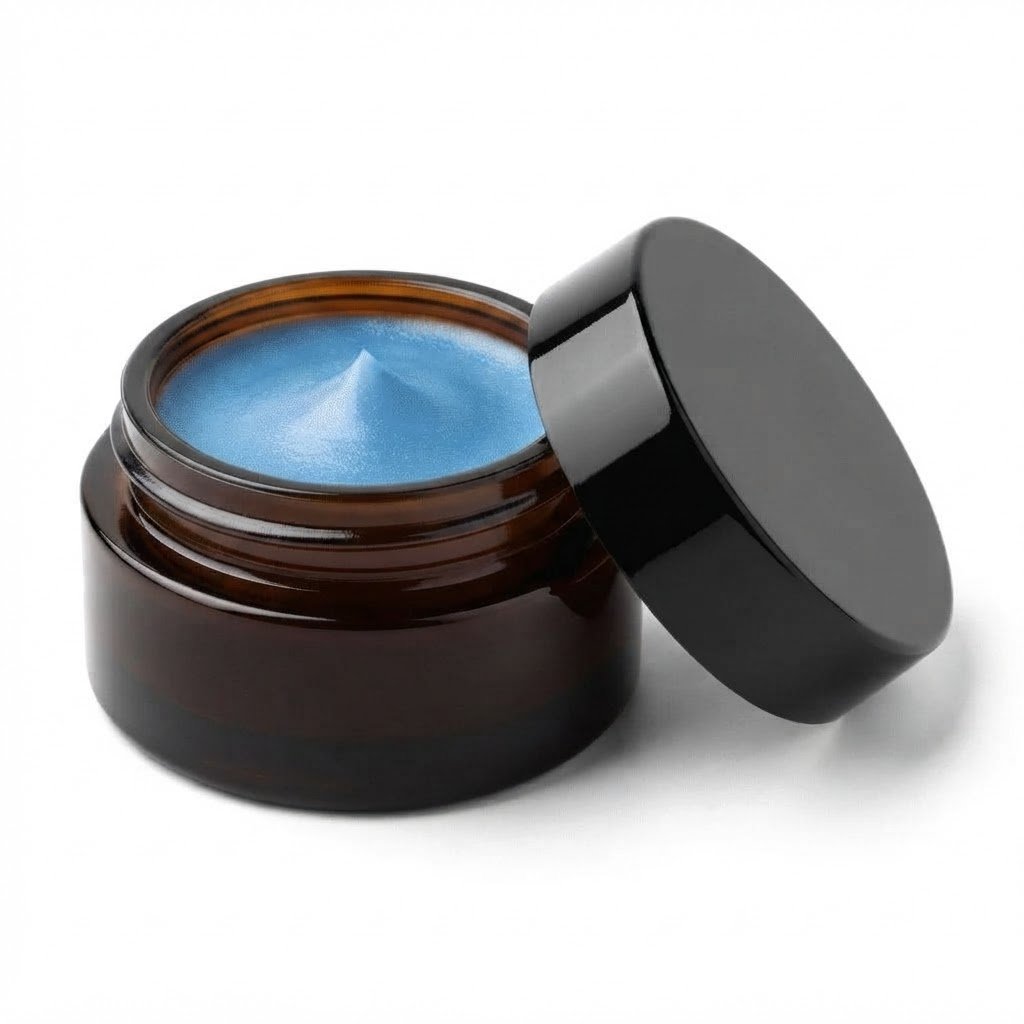
Azure Tansy
Balm™
Intensive Repair and Protection Complex
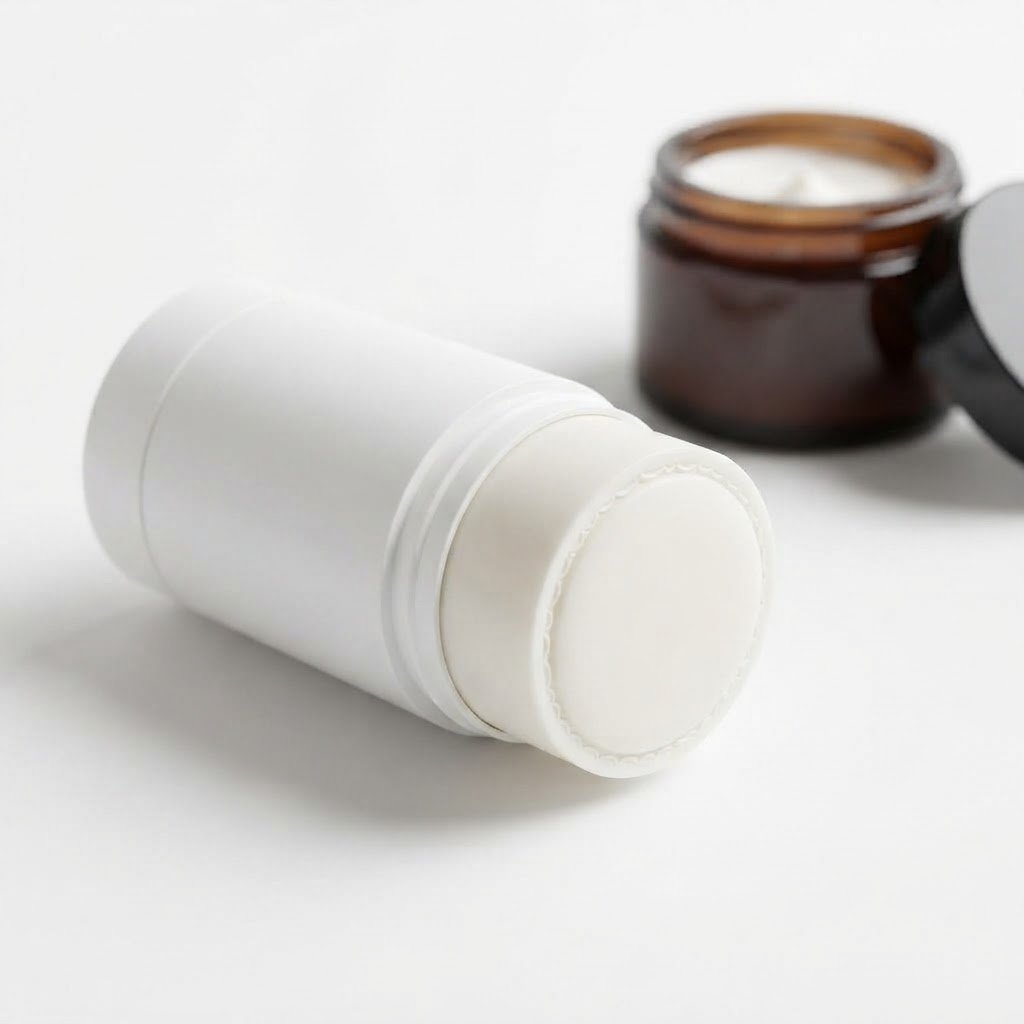
TerraPure - Original Deodorant
Powerful protection, naturally
Restorative Phyto‑Serum Oil™
Renewal and Balance. Visible transformation in every drop

We empower your skin to thrive.
Sign Up Newsletter
Ready to invest in your skin’s future with the finest natural ingredients? Explore our collections or join our community for expert tips and exclusive access.
We value your trust when sharing your personal data with us. We always treat your data in a fair and respectful manner, limited to the purpose mentioned above. If you would like to know more about how we handle your data, please read our Privacy Policy.