Sensitive Or Sensitised?
When familiar skincare suddenly feels uncomfortable, learn to simplify your routine and notice patterns without guessing at the cause.

Sensitive Or Sensitised? Why Skin Can Suddenly React To Products It Once Tolerated

There is a particular kind of frustration that comes with sensitive or unpredictable skin. You find a cleanser, cream or serum that seems to settle into your life. You use it for weeks, perhaps much longer. Then one evening it feels different. The finish is less comfortable. A familiar step stings, sits heavily or seems to leave the skin tight when it once felt ordinary.
It is tempting to demand an immediate answer. Was the product changed? Is one ingredient suddenly the problem? Has the skin become “allergic”? The wish for a single culprit is understandable, especially when you have already spent time and money trying to find what suits you. Yet one uncomfortable evening cannot usually answer those questions. It gives you information, but not a verdict.
This is where the distinction between sensitive and sensitised can be useful. The words are often used as if they mean exactly the same thing. They do overlap, but they can help us notice two different experiences. One describes a pattern you recognise in your skin. The other describes a change that has made a once-familiar routine feel less reliable.
The goal is not to label yourself or to become suspicious of every ingredient. It is to respond with enough care that you can see what is happening. A smaller, more stable routine often gives better information than a sudden clear-out followed by five new purchases.
The Clear Difference: Sensitive Is A Pattern, Sensitised Is A Change
When a product that once felt ordinary suddenly begins to sting, feel heavy or leave your skin unsettled, it is easy to think that everything has changed. You may feel that you need to replace every product and begin again.
Before you do, this distinction can bring some clarity.
Sensitive skin describes a pattern you already know. Your skin tends to give you feedback more easily: perhaps after cold air, a rushed cleanse, too many layers or certain textures. It is not necessarily uncomfortable every day, but you recognise its preferences.
Sensitised skin describes a change from what is normal for you. A routine you once used comfortably has become less predictable. Your usual cream, cleanser or treatment step may suddenly feel different, and you are trying to understand what shifted.
You can experience both. You may have sensitive skin by nature, then go through a period when it becomes even more easily unsettled. Or your skin may usually be straightforward, then become reactive after a change in your routine or environment.
Sensitive is how your skin tends to be. Sensitised is how it has recently changed. Neither word tells you the exact cause, but the difference helps you decide whether to work with a long-known pattern or pause and look at what has changed.
If sensitivity is part of your experience, the pattern is real. You may already know that a rushed cleanse, a strong scent, a period of cold air or too many steps in one evening can make the ritual feel less comfortable. You may have learned to keep a trusted routine small because every additional layer makes the result harder to read. That knowledge is not an overreaction. It is a useful observation built over time.
It is also worth remembering that sensitive skin is not a measure of how well you have cared for it. It is not a failure of discipline, nor evidence that every product category is unsuitable. It simply means that comfort is not something to take for granted. You may need to pay more attention to texture, frequency, method and the way steps are combined than someone whose skin rarely gives feedback.
This is the starting point OssieNaturals takes seriously. If your skin is sensitive, reactive or newly unpredictable, you do not need a louder promise. You need language that respects what you have noticed, without pretending that a label on a bottle can explain every response.
Sensitised Is A Change, Not A Verdict
In everyday skincare language, sensitised is often used when skin that was previously comfortable has become more reactive, more easily unsettled or less predictable. It is a useful word because it captures the change. The routine has shifted from familiar to uncertain.
But it is important to keep the word in proportion. In clinical science, sensitisation can have a specific meaning connected to allergy. You cannot confirm that from stinging after a product, a photograph, an ingredient list or a social-media checklist. For this Journal, sensitised is a practical description, not a diagnosis. It tells us that your skin’s response has changed. It does not tell us why.
That distinction protects you from two unhelpful extremes. The first is dismissing the change because there is no visible sign. The second is treating every uncomfortable feeling as proof that one ingredient, one formula or one whole category of skincare is inherently wrong. Both can lead to more trial and error.
A product you once used without concern can still be worth pausing when it no longer feels comfortable. Yet pausing is different from deciding you have identified the cause. The useful question is not, “What is the bad ingredient?” It is, “What has changed in my skin, my routine or my contact with it?”
Why A Familiar Routine Can Become Uncomfortable
Your skin is not a fixed surface. You move through different seasons, rooms, work patterns and routines. More time in dry indoor air, travel, temperature changes, a period of wearing more make-up, a new sunscreen, a different cleanser, a stronger treatment step, or more frequent exfoliation can alter the context in which you use familiar products. Even the method can change: longer massage, hotter water, a rougher towel, more pressure around the eyes or a second cleanse added out of habit.
Not every meaningful change begins in the bathroom. If the timing also overlaps with disrupted sleep, a period of greater stress, a hormonal life stage, a change in medication or a recent change in diet, write it down beside your routine. These details do not prove a root cause. They simply give you, and if needed a qualified professional, a fuller picture of what else changed when your skin became unsettled.
Keep the response proportionate. Do not stop a prescribed medicine or begin a restrictive diet purely to test your skin. If a medication change appears relevant, ask the prescriber or pharmacist. If the discomfort persists or is concerning, bring your simple notes to professional assessment rather than trying to solve every variable alone.
None of these details automatically explains a reaction. They do show why looking only at the last product applied can be misleading. A moisturiser might be the step that feels uncomfortable, while the relevant change happened earlier in the evening. A face oil might feel too rich after a cleansing routine that has become more vigorous. A product that was always used twice a week might appear to be the problem when it is suddenly used every night alongside several other additions.
The order of the routine matters because the skin experiences the routine as a whole. It does not separate your steps into neat categories in the way a shelf does. Product amount, contact time, layering, water temperature and friction all belong to the same evening. So do the less obvious changes, such as a new hair product rinsing around the face and neck, a freshly laundered pillowcase or a period of touching the face more often.
You do not need to keep a complicated diary of everything that touches your skin. You only need to be more curious before becoming more forceful. When did the discomfort start? What changed in the two or three weeks before it? Is the feeling immediate, or does it arrive after several steps? Does it happen every time, or only on certain evenings? A few clear observations are more valuable than a long list of suspicions.
One Suspect Product Is Rarely The Whole Story
When a routine becomes uncomfortable, it is natural to inspect the newest product first. Sometimes that is sensible. A new formula, a new frequency or a new application method is an obvious place to start. But the newest item is not always the only meaningful variable, and the oldest item is not automatically innocent simply because it was once familiar.
What matters is the pattern. If the feeling appears only after a particular combination of steps, the combination may be more informative than either product alone. If it happens on days when you have used a washcloth, taken a long hot shower or repeated a cleanser, the method deserves attention. If the skin seems uncomfortable before you apply anything, adding a new active product in the hope of correcting it is unlikely to make the situation clearer.
This is where ingredient literacy becomes more useful than ingredient fear. The INCI is simply the standard ingredient list printed on a cosmetic label. Reading it can help you recognise what is in a product and compare two formulas. It cannot, on its own, tell you which part of a complex routine caused a change in your individual skin. Nor does the presence of a natural botanical, a familiar oil or a laboratory-made ingredient make a formula automatically right or wrong for everyone.
The most trustworthy routine is not one built around a villain list. It is one in which you know what each step is there to do, how often you use it and how your skin tends to feel afterwards. That is a quieter kind of expertise, but it is much more useful when comfort becomes uncertain.
A Calm Reset Gives You Better Information
When skin feels newly unsettled, the instinct is often to add a soothing mask, a richer cream, a new serum and a stronger cleansing step all at once. It comes from wanting to help quickly. The trouble is that more additions create more variables. If the routine becomes more comfortable, you do not know what helped. If it becomes less comfortable, you do not know what to pause.
A calm reset is simpler. For a short, observed period, return to the smallest version of your familiar routine that leaves the skin feeling reasonably settled. Think in functions, rather than products: a gentle way to cleanse when cleansing is needed, a familiar moisturising step, and daytime protection chosen according to your usual needs. Put aside non-essential experiments, extra treatment layers and anything that has repeatedly caused a sharp or unmistakable feeling of discomfort.
The purpose is not to punish the skin with a restrictive routine. It is to create a quieter baseline. You are making space to notice whether the discomfort is present before a certain step, after a certain step or regardless of the routine. A baseline also prevents the common cycle in which a new product is introduced to compensate for the effect of another new product.
Keep the observations light enough that you will actually make them. A note on your phone can be enough: what you used, whether the skin felt comfortable immediately afterwards, and whether the feeling returned later. You are not collecting evidence for a court case. You are looking for a pattern that can guide the next choice.
There is one important limit. Do not keep trying to “get used to” a product that repeatedly gives you a strong or clearly worsening response. Repeatedly challenging uncomfortable skin does not create useful clarity. Set it aside, keep the rest of the routine uncomplicated and consider whether the change needs professional assessment rather than more home experimentation.
Add Back With Intention, Not Urgency

Once the routine feels easier to read, the next step is not to rebuild every product at once. Bring back one optional element only when you have a clear reason for it. Perhaps you miss a particular treatment step, a richer night finish or a more thorough make-up-removal method. Introduce it in the same way you would introduce a new idea: deliberately, in its normal amount and without changing three other things around it.
If a product’s own instructions recommend a small-area test, treat that only as a limited first check. It is not a diagnostic patch test, and a comfortable result on one small area does not guarantee that your face will respond in the same way. Do not repeatedly retest a product that gave you a strong or worsening response.
Then give yourself enough ordinary routine days to observe the result. Avoid deciding from one unusually hot afternoon, one sleepless night or one evening when your skin had already been rubbed, exfoliated or exposed to more than usual. The aim is not perfection. It is to understand whether the step belongs comfortably in your real routine.
This approach can feel slower than starting again with a new collection of products. In practice, it is often more generous. It respects the products that already suit you, reduces unnecessary spending and allows you to see where your skin’s preferences are becoming clearer. A small routine is not a lesser routine when every step earns its place.
When To Stop Experimenting At Home
Cosmetic observation has its limits. If the change is persistent, severe, rapidly worsening or concerning, it is time to stop introducing and reintroducing products in search of an answer. The same applies when there is marked swelling, a widespread rash, cracking, weeping or discomfort that is affecting daily life.
At that point, a qualified professional can assess the situation in a way a skincare shelf cannot. Take a simple list of what you used and when the change began. That information is more helpful than arriving with a drawer full of products and no sequence. It also protects you from continuing a cycle of guesswork when the skin is asking for a different kind of attention.
A Final Word
The most unsettling part of a changing routine is often the loss of certainty. A product that once felt ordinary now feels like a question mark, and it can seem as though everything has to be replaced. Usually, the more considered response is smaller than that.
Sensitive skin is a pattern worth listening to. Sensitised is a useful word when that pattern has changed, but it is not a verdict on your skin or a final judgement on a product. Start with what you know. Reduce the noise. Notice the order, the frequency, the method and the context around the moment comfort changed.
There is no prize for having the longest routine or the fastest answer. The lasting confidence comes from knowing which few steps make your skin feel settled, and from giving yourself permission to pause when they no longer do. Continue with the related Journal guides below when you want to make the rest of the ritual easier to read too.
Continue Reading
The Lipid Language Your Skin Speaks: Why Bio-Compatible Oils Feel So Different – Explores why texture and oil composition can change the way a facial oil feels within a routine.
Your Skin In Your 40s: What’s Actually Happening Beneath The Surface – Looks at the changes that can make familiar skincare habits feel less reliable over time.
Why Your Skin Can Still Feel Dry After Moisturising: Water, Oils And Lipids Explained – Explains why a moisturiser can feel insufficient when the wider routine is not giving the skin the kind of comfort it needs.
Support Your Skin
Our natural product collection at Ossie Naturals is formulated specifically to support your skin’s natural adaptive processes. Each product provides the building blocks your skin needs, from barrier-supporting lipids to adaptive antioxidants.
We don’t believe in dramatic seasonal routine overhauls or aggressive treatments that fight against your skin’s natural processes. Instead, our approach focuses on gentle, consistent support that works with your skin’s intelligence rather than against it.
Join our private community on Facebook or join our Newsletter for access to seasonal transition guides, ingredient education, and products specifically formulated to support your skin through changes because your skin’s adaptive intelligence deserves support, not interference.
Performance‑led, nutrient‑rich compositions
Our House Collection
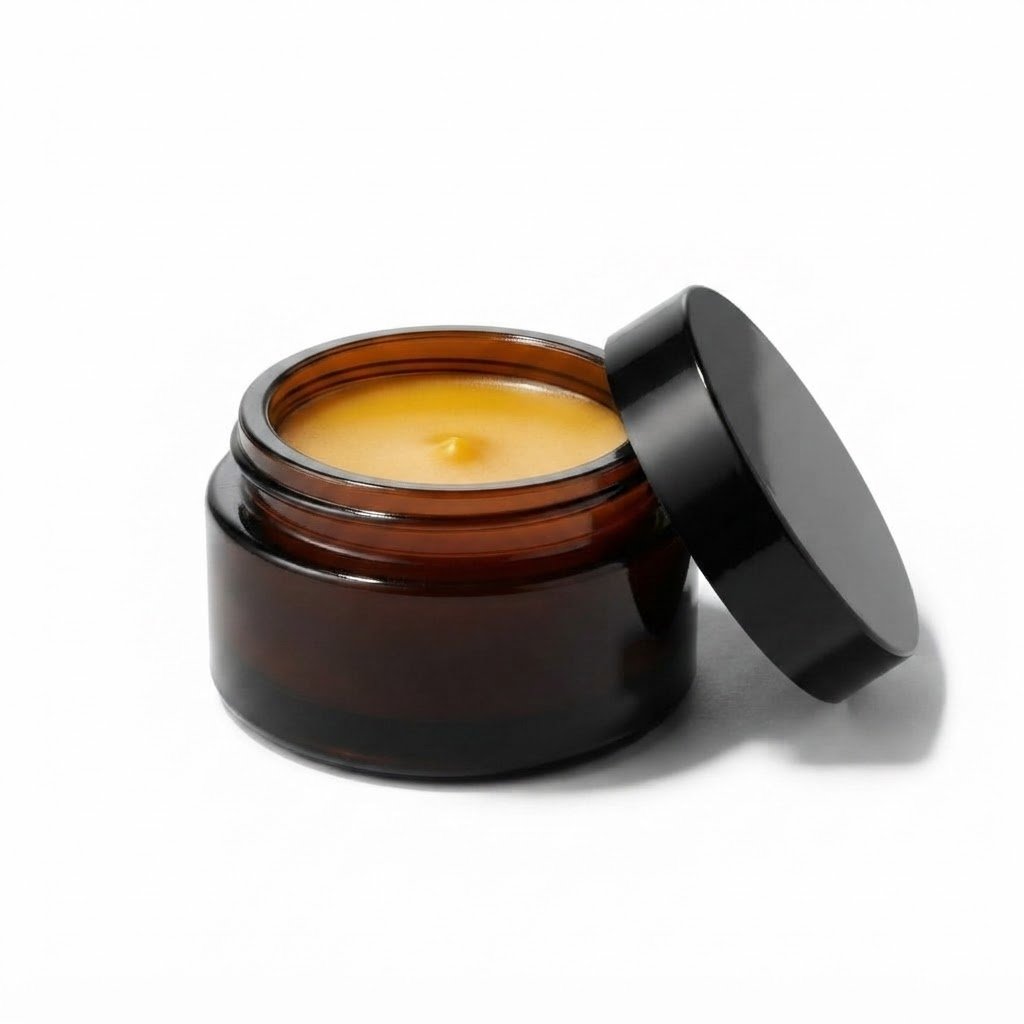
Calendula Balm - Original™
Restorative and Calming Concentrate
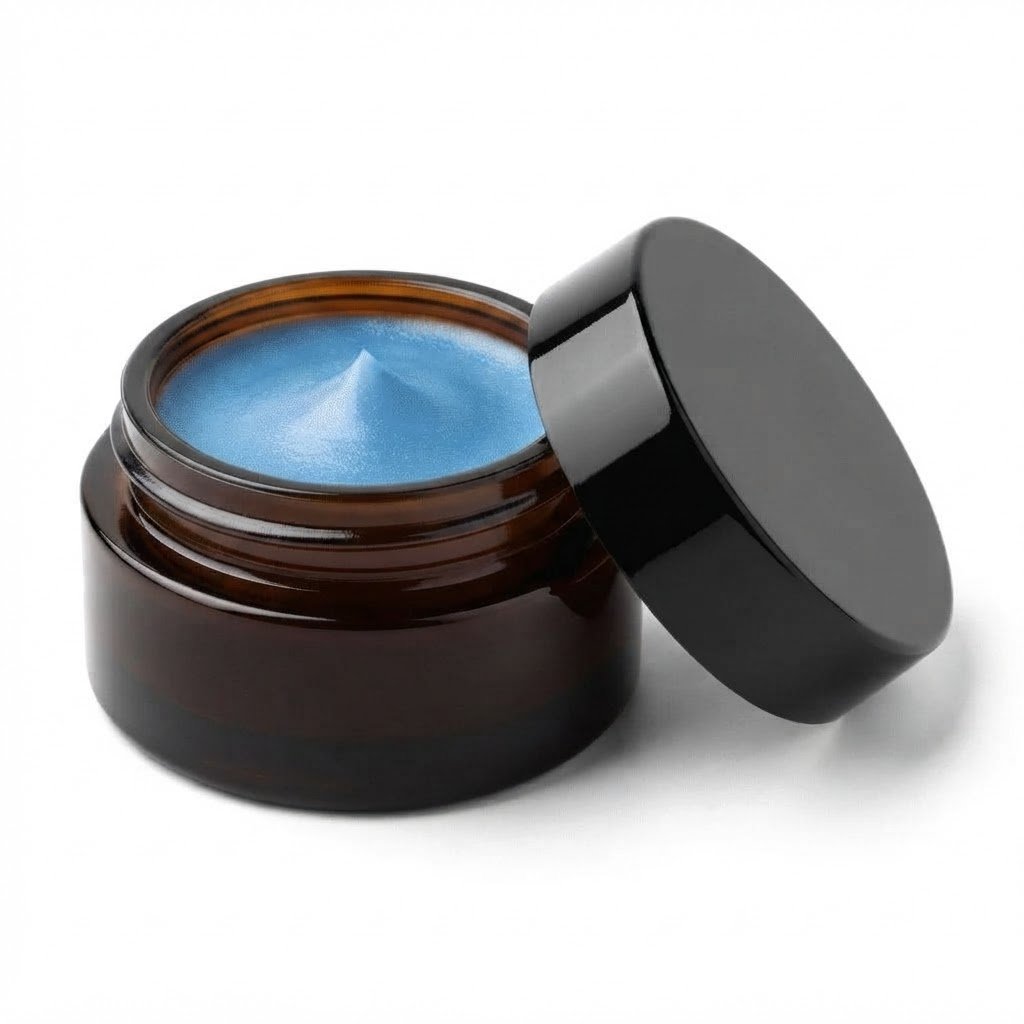
Azure Tansy
Balm™
Intensive Repair and Protection Complex
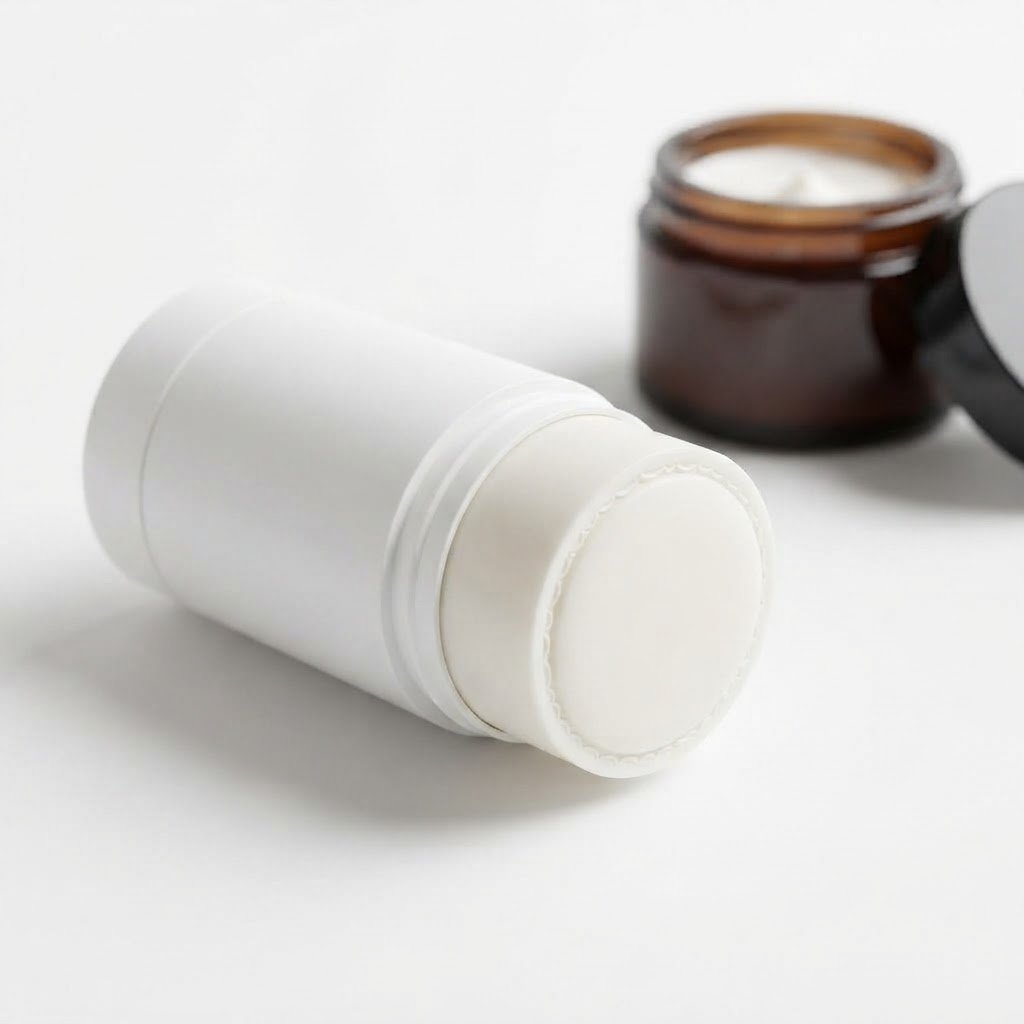
TerraPure - Original Deodorant
Powerful protection, naturally
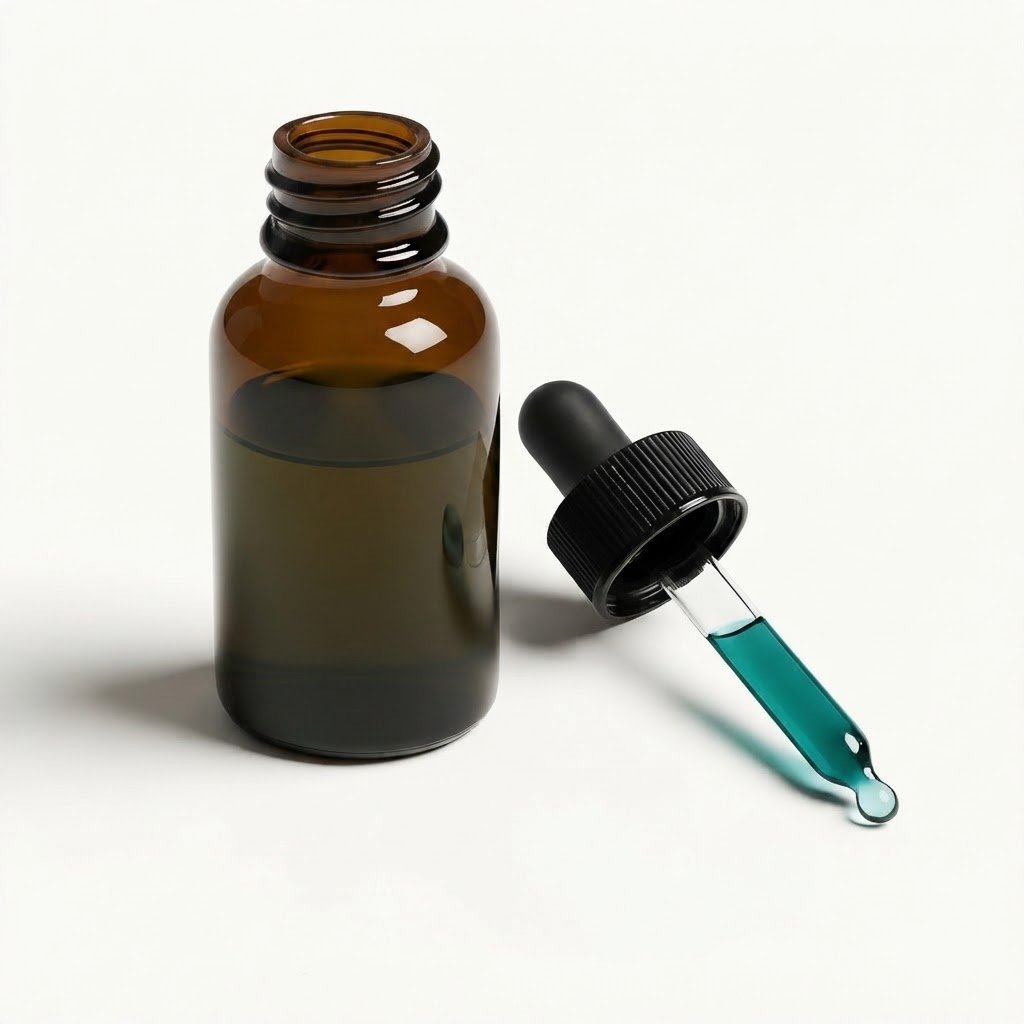
Restorative Phyto‑Serum Oil™
Renewal and Balance. Visible transformation in every drop
We empower your skin to thrive.
Sign Up Newsletter
Ready to invest in your skin’s future with the finest natural ingredients? Explore our collections or join our community for expert tips and exclusive access.
We value your trust when sharing your personal data with us. We always treat your data in a fair and respectful manner, limited to the purpose mentioned above. If you would like to know more about how we handle your data, please read our Privacy Policy.