The Paradox of the Dark Spot: Why Your Brightening Routine is Backfiring (and How to Fix It)
Hyperpigmentation after 40 isn't something you did wrong. It's biology, hormones, and time converging. The good news? Plant-based brightening works — gently.

The Anatomy of a Dark Spot
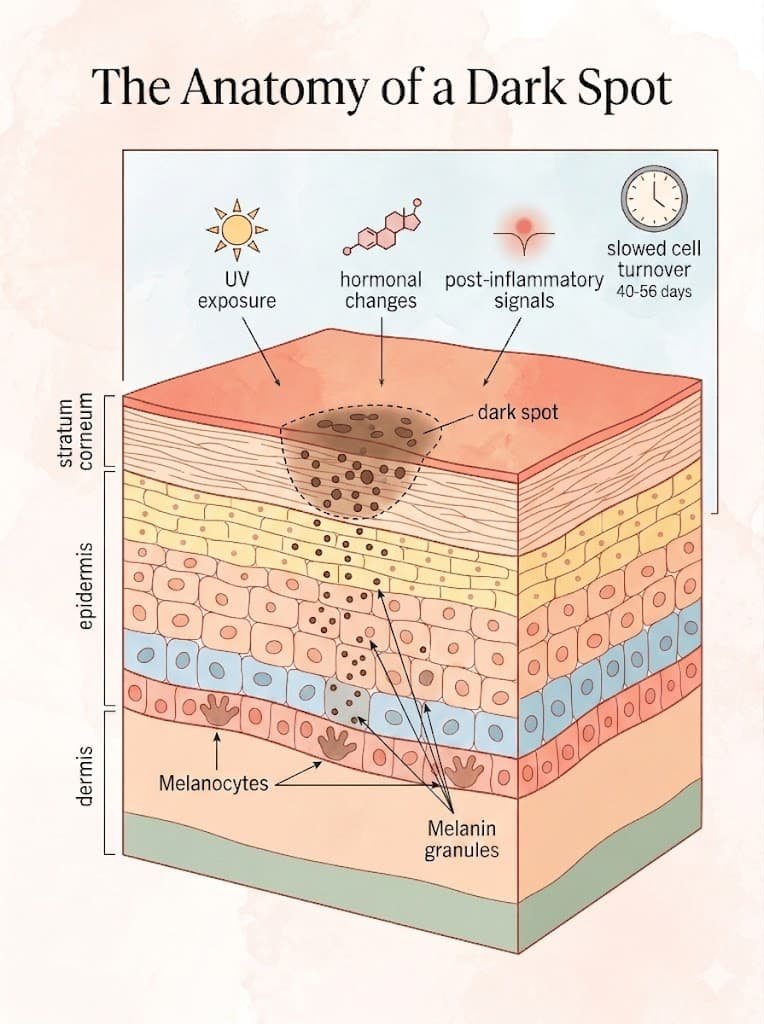
Here is what is happening beneath your skin every time a dark spot appears.
Deep in the base layer of your epidermis sit melanocytes — cells whose job is to produce melanin, the pigment that gives your skin its colour. When sunlight hits your skin, these cells receive a signal: protect. They respond by making melanin and spreading it upward through surrounding skin cells, forming a natural shield over your cell nuclei. In healthy, young skin, this is a functional process. It is your body doing what it evolved to do.
But melanocytes have a memory. And they have triggers.
Trigger one: UV exposure. Even the sun you do not feel — the UVA rays that pass through clouds, windows, and deep into your dermis — signals melanocytes to increase production. Over decades, this invisible accumulation creates what dermatologists call photoaging pigmentation: the scattered brown patches on cheeks, forehead, and hands that seem to appear overnight in your 40s, but have actually been decades in the making.
Trigger two: hormonal fluctuation. Oestrogen and progesterone help regulate melanocyte activity. As these hormones shift during perimenopause and decline at menopause, the signals that once kept melanin production even begin to falter. The result is melasma — larger, more diffuse patches, often symmetrical across the cheeks, upper lip, and forehead. This is not classic sun damage. It is hormonal pigmentation, and it behaves differently from the spots you got in your 20s.
Trigger three: post-inflammatory signals. A blemish heals. The skin looks clear. But underneath, the inflammatory response has left excess melanin behind. In your 20s, your skin would have cycled those pigmented cells upward and shed them within about 28 days. By your 40s, that cycle has stretched to 45–60 days. The melanin lingers. It accumulates. And what was once a temporary mark becomes stubborn and long-lasting.
This is the anatomy of a dark spot — not a failure of your skin, not something you did wrong, but a convergence of biology, time, and accumulated exposure. And a cell turnover rate that simply cannot keep up the way it once could.
Why Conventional Brightening Approaches Can Backfire After 40s
Most conventional brightening products were designed for skin that renews in about 28 days. But by your 40s, that biological clock has slowed — your renewal cycle has likely stretched to 45–60 days. This means dead, pigmented cells linger on the surface nearly twice as long as they used to. And your barrier takes twice as long to recover from the “controlled irritation” that aggressive actives rely on.
With age, the dermal-epidermal junction — the interface between the top and middle layers of your skin — flattens. This is why skin becomes physically thinner and more fragile. At the same time, oestrogen decline reduces the production of ceramides, cholesterol, and fatty acids — the essential lipids that form the “mortar” between your skin cells. The result is a more permeable barrier: trans-epidermal water loss increases, and the skin’s natural resistance to chemical actives decreases. Things penetrate more deeply now — not because they are stronger, but because your barrier offers less resistance.
This creates a genuine paradox in treating hyperpigmentation in midlife.
When you apply an aggressive active — a high-percentage glycolic acid, a strong prescription retinoid — it passes through that thinner, more permeable barrier and reaches the deeper layers in concentrations that younger skin would have buffered. The result is inflammation. And melanocytes are exquisitely sensitive to their inflammatory environment. They are part of your skin’s immune system. When they sense a “micro-injury” — even the controlled, intentional kind that a younger skin cell might shrug off — they respond exactly as evolution designed them to: by producing more melanin as a protective shield.
In mature skin, this response is often dysregulated. Melanocytes can become hyper-reactive or enter a state of cellular senescence — alive, but not functioning normally. The chemical signals released during inflammation wake them up in an exaggerated way. This is the mechanism behind post-inflammatory hyperpigmentation, or PIH.
And here is the cruel twist: this risk is even higher for melasma, the hormonally-driven pigmentation common in perimenopausal women. Melasma reacts poorly to both heat and inflammation. Chemical sunscreens that convert UV to heat, aggressive exfoliants that sting, retinols that cause peeling — all of these can trigger a melasma flare, creating exactly the problem they were meant to solve. What distinguishes melasma from solar lentigines (age spots) is that it is driven by internal signalling — oestrogen, progesterone, even visible light and heat — not just UV. Treating it like ordinary sun damage can make it worse.
Think of it this way: in younger skin, a certain level of controlled irritation could be productive — the “push” that stimulated collagen and accelerated turnover. In mature skin, the goal shifts. It is no longer about forcing a response. It is about creating the conditions in which your skin can do what it already knows how to do — renew, regulate, protect — without being provoked into defensive overreaction. Stimulation is still the goal. Inflammation is not.
And beyond the mechanism of irritation, many conventional brightening products contain ingredients that carry their own risks — particularly for skin that is already reactive. High-dose hydroquinone — still widely sold in some countries — can cause ochronosis, a permanent blue-black darkening of the skin with prolonged use. Mercury, found in illegally marketed skin lighteners, is a potent neurotoxin. Topical corticosteroids, sometimes hidden in unregulated brightening creams, thin the skin and cause permanent visible damage. Even legitimate, well-formulated products can work against you if the approach is wrong for your skin’s current state. For a complete breakdown of ingredients we avoid and why, see What We Leave Out — Part 1, 2 and 3.
The Three Pillars of Natural Brightening
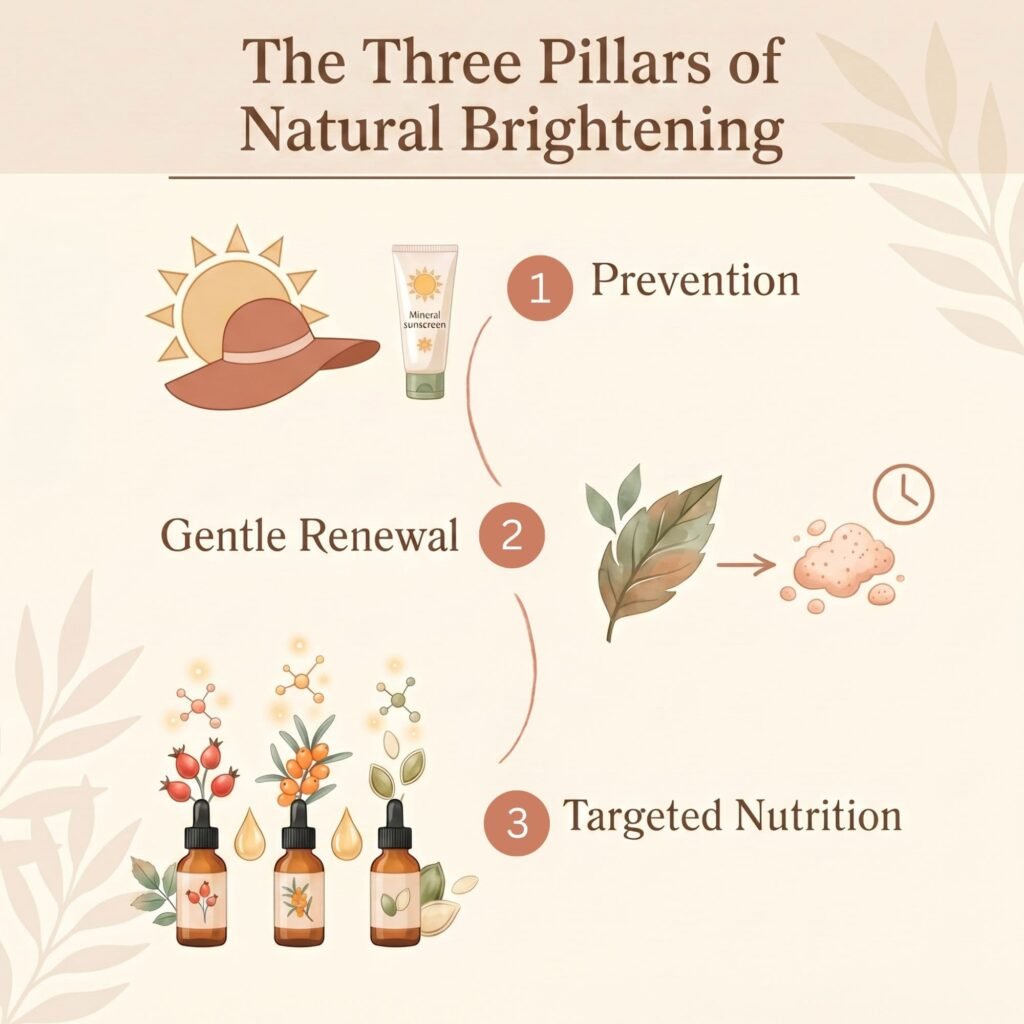
A genuinely effective approach to hyperpigmentation rests on three pillars. None involve bleaching, stripping, or forcing your skin into a state it cannot sustain.
Pillar One: Prevention — The Full Picture
Every melanocyte in your skin responds to UV light. Every day you go without protection, you send your pigment-producing cells the signal to keep working. You can apply the most sophisticated brightening oils in the world, but if you are not protecting your skin throughout the day, you are undoing every bit of progress.
Prevention is a layered practice, and the most effective strategy combines multiple approaches.
Clothing and physical barriers. A wide-brimmed hat, long sleeves, and sunglasses do what no product can: they block UV entirely, with no reapplication required. For the face, a hat with at least a 10 cm brim reduces direct UV exposure to the cheeks and forehead by up to 50%. For hands — a common site of pigmentation that betrays age more than almost anywhere else — driving gloves or simply keeping a light long-sleeved layer in the car makes a meaningful difference over time. These simple habits cost nothing after the initial purchase and work every single day.
Timing. UV radiation peaks between roughly 12:00 and 17:00, depending on your latitude and season. During these hours, direct sun exposure is at its most intense. If you are prone to hyperpigmentation, choosing shade, staying indoors, or simply being mindful of when you are outside during the brightest part of the day is one of the most effective preventive measures available — and it requires no product at all.
Mineral sunscreen is your daily baseline. For the hours you are outdoors and exposed, a mineral (physical) sunscreen offers distinct advantages for hyperpigmented skin. Unlike chemical sunscreens, which absorb UV and convert it to heat — a process that can trigger melanocyte activity in heat-sensitive individuals, particularly those with melasma — mineral filters (non-nano zinc oxide, titanium dioxide) sit on the skin’s surface and reflect UV light physically. No heat conversion. No penetration. No chemical absorption into the bloodstream.
Non-nano zinc oxide has an additional benefit: it provides broad-spectrum protection against both UVA (the ageing, pigmentation-triggering rays) and UVB (the burning rays), and its antimicrobial properties support skin that is both pigmented and reactive. This is the same mineral we use in our TerraPure Deodorant — it stays on the surface, does the job, and washes away.
What to avoid in sun protection. Many conventional sunscreens contain ingredients that, ironically, may worsen the very pigmentation you are trying to prevent. Oxybenzone and octinoxate are not only chemical absorbers that generate heat — they are also known endocrine disruptors and have been linked to environmental damage. Several are now restricted under EU regulations. Fragrance in sunscreen can irritate already-sensitive skin and trigger the inflammatory cascade that leads to more pigmentation. A simple, mineral-only, fragrance-free formulation is the safest choice for hyperpigmented skin.
Apply it every morning to the face, neck, and hands. Reapply if you are outdoors for extended periods. This is your single most important brightening step. Without consistent protection, every other step in your routine is undermined.
Pillar Two: Gentle Renewal — Supporting Your Skin’s Natural Rhythm
Your skin already knows how to shed old cells and bring fresh ones to the surface. It has been doing this since before you were born. What it needs after 40 is support — not force.
The right exfoliation can be a powerful ally here. The question is which type, and how often.
A tale of three acids. Not all exfoliating acids are created equal, and the differences matter more for mature skin than for any other age group.
Think of AHAs (alpha hydroxy acids like glycolic and lactic acid) as surface renovators. They are water-loving, work on the top layer of the skin, and are excellent for smoothing texture and restoring glow. But they are also the most likely to cause stinging and inflammation in thinner, more permeable skin — precisely the response you are trying to avoid.
Think of BHAs (beta hydroxy acids like salicylic acid) as deep cleaners. They are oil-loving, meaning they can work inside pores — particularly helpful if your pigmentation is linked to past breakouts. At low concentrations, they are often well-tolerated because they have natural anti-inflammatory properties. But they can be drying for mature skin that already struggles to retain moisture.
And then there are PHAs (polyhydroxy acids like gluconolactone, lactobionic acid, and maltobionic acid). Think of them as the gentle polishers — the second generation of exfoliating acids, designed to deliver the same brightening results without the backlash.
PHAs have a larger molecular structure than AHAs, which means they cannot rush into the skin. They sit on the surface and exfoliate slowly, layer by layer, without penetrating deeply enough to trigger the inflammation that wakes up melanocytes. They are also humectants — they attract and hold moisture — so they hydrate while they exfoliate. And unlike AHAs, clinical studies have shown that PHAs do not increase sun sensitivity. They actually have antioxidant properties that help protect the skin from further UV-induced ageing.
For mature skin dealing with hyperpigmentation, PHAs are the bridge between “I need renewal” and “I cannot handle irritation.” They are the difference between sandblasting a delicate surface and using a soft cloth.
The frequency rule. Here is the principle that changes everything: once or twice a week is the ceiling, not the baseline.
Young skin can often replace the lipids and cells stripped by exfoliation within 24 hours. Mature skin may take 48 to 72 hours — or longer — to fully restore its acid mantle and lipid barrier. If you apply acids again before that recovery is complete, you are stacking damage on top of incomplete repair. The exfoliation is no longer supportive. It is cumulative.
There is also a UV connection that most advice misses. The outermost layer of your skin — the stratum corneum — provides a natural SPF of about 3 to 4. It is modest, but it is real. When you over-exfoliate, you thin this layer, and your skin becomes more photosensitive. If you exfoliate every night, you are making your skin more vulnerable to UV damage the next morning — creating the very dark spots you are trying to fade. This is the cycle you must break.
When choosing a physical exfoliant — if you prefer one — look for finely ground, smooth botanical particles rather than crushed walnut shells, apricot kernels, or plastic microbeads. These coarser particles can create micro-tears in the skin. The injuries are invisible to the naked eye, but your melanocytes notice — and they respond.
Our Bio-Refining Scrub uses finely milled botanicals for occasional use — not a daily or even frequent product, but a once-in-a-while reset for when skin feels congested or dull.
Pillar Three: Targeted Nutrition for Melanin Regulation
This is where botanical oils earn their reputation.
Rather than forcibly blocking melanin production, these plant compounds act as biological modulators — gently calming overactive melanocytes back toward a balanced, even output. In scientific terms, many of them contain natural compounds that gently inhibit tyrosinase, the enzyme that triggers melanin production. But the language that matters is simpler: they work by whispering to the cells that create pigment, rather than shouting at them. They do not bleach. They do not strip. They nourish the skin back into equilibrium.
Rosehip Oil: The Gentle Renewer
Rosehip seed oil, cold-pressed from the wild Rosa canina fruit, is one of the most studied botanical oils in skincare — and its relevance to hyperpigmentation is grounded in real biochemistry, not marketing.
Rosehip oil contains naturally occurring trans-retinoic acid, a gentle form of vitamin A that supports your skin’s natural cell turnover. It is far milder than prescription retinoids or even over-the-counter retinol, which is exactly why it works so well for mature, reactive skin. You get the benefits of faster, more even cell renewal (meaning pigmented surface cells shed sooner and fresher cells surface) without the peeling, redness, or barrier disruption that stronger retinoids can cause.
A 2025 pilot study using clinical imaging found measurable reductions in brown spots and skin roughness after five weeks of daily rosehip oil use. A 2024 scientific review confirmed rosehip’s multiple pathways against hyperpigmentation: it helps calm the enzyme that triggers excess melanin production, supports collagen structure deeper in the skin, and reduces the inflammation that can leave dark marks behind after blemishes heal.
In our formulations, rosehip oil is a core ingredient across multiple products:
- Bio‑Lipid Serum Oil™ — combines rosehip with sea buckthorn, grape seed, jojoba, and evening primrose oils in a lightweight, fast-absorbing blend that supports barrier repair, gentle renewal, and melanin regulation simultaneously. Apply 5–6 drops to damp skin in the evening.
- Seabuckthorn Balm™ — a richer, water-free balm that includes rosehip alongside sea buckthorn, pomegranate, argan, and tamanu oils, with added bakuchiol (a plant-based retinol alternative) and vitamin C. Ideal for overnight application on stubborn pigmentation.
- Calendula Balm Plus™ — combines rosehip and sea buckthorn with olive oil, beeswax, and calendula for soothing, reparative care on reactive or post-procedure skin.
Sea Buckthorn: The Pigment Calmer
If rosehip supports gentle turnover, sea buckthorn (Hippophae rhamnoides) works at the source — helping to calm the overproduction of melanin before it becomes visible.
A 2024 study found that sea buckthorn flavonoids inhibited tyrosinase — the key enzyme responsible for melanin production — by 82.3%. That is remarkably close to the synthetic alternative α-arbutin, but without the safety concerns. (Arbutin can convert into hydroquinone in the skin, and the EU now restricts its use in cosmetics.)
The same study showed strong antioxidant activity and significant antibacterial effects against acne-causing bacteria — relevant because post-acne marks are a common form of hyperpigmentation in adult skin. When formulated into a treatment and tested on real participants with uneven skin tone, pigment levels dropped measurably over three weeks.
What makes sea buckthorn special is its richness — over 190 bioactive compounds in a single berry. It contains palmitoleic acid (omega-7), a fatty acid that is a natural component of your skin’s own sebum — meaning it integrates rather than sitting on top. Laboratory studies have shown that palmitoleic acid helps suppress the signals that drive melanin overproduction, including the master regulator that controls melanin synthesis.
Sea buckthorn is a hero ingredient in several of our products:
- Seabuckthorn Balm™ — the most concentrated delivery, in a water-free balm format designed for targeted overnight application on pigmented areas. The occlusive base extends contact time so the active compounds work gradually while you sleep.
- Bio‑Lipid Serum Oil™ — combines sea buckthorn with rosehip and other botanical oils for daily, full-face use.
- Phyto-Radiance Body Oil™ — brings sea buckthorn and rosehip to the body, where sun damage on hands, chest, and shoulders often needs just as much attention as the face.
The Supporting Cast: Jojoba, Pomegranate, Marula, and More
Brightening is not a one-ingredient job. Several of the oils in our formulations play essential supporting roles that make the star ingredients more effective.
Jojoba oil is technically a liquid wax ester — almost identical in structure to human sebum. It absorbs without greasiness and helps carry other botanical actives into the upper layers of the skin while reinforcing the barrier that keeps irritants out and moisture in.
Pomegranate seed oil is rich in punicic acid (a rare omega-5 conjugated fatty acid) and has documented antioxidant and anti-inflammatory properties. It helps protect skin cells from the oxidative stress that triggers melanin production.
Marula oil is lightweight and fast-absorbing, with a fatty acid profile that supports barrier repair. It is particularly useful for skin that needs deep moisture without heaviness.
Tamanu oil has been studied for its wound-healing and scar-reducing properties — directly relevant to post-inflammatory hyperpigmentation, where the goal is to help the skin resolve marks cleanly rather than leaving a dark residue.
Squalane (plant-derived, from olives) mimics the squalene your skin naturally produces. It provides lightweight, non-comedogenic moisture and acts as a carrier, helping other ingredients absorb more effectively.
These are the oils in our Restorative Phyto-Serum Oil™, Bio‑Lipid Serum Oil™, and Phyto-Radiance Body Oil™. They are not fillers. Each earns its place by contributing something specific to the goal: more even-toned, resilient, nourished skin.
Bakuchiol: Nature's Retinol Alternative
Bakuchiol, derived from the Psoralea corylifolia plant, has been shown in multiple clinical studies to perform comparably to retinol for reducing visible hyperpigmentation and fine lines — with better tolerability and far less irritation. A 2019 randomised, double-blind study published in the British Journal of Dermatology found that bakuchiol used twice daily produced similar improvements in pigmentation and wrinkle scores as retinol, with significantly less scaling, stinging, and dryness.
For mature skin that is already reactive, this makes bakuchiol an especially valuable ingredient. It provides the cell-turnover and collagen-stimulating benefits associated with retinoids without the barrier disruption that can trigger more inflammation — and more pigmentation.
Bakuchiol is present in our Seabuckthorn Balm™ and Restorative Phyto-Serum Oil™.
Vitamin C: The Brightening Foundation
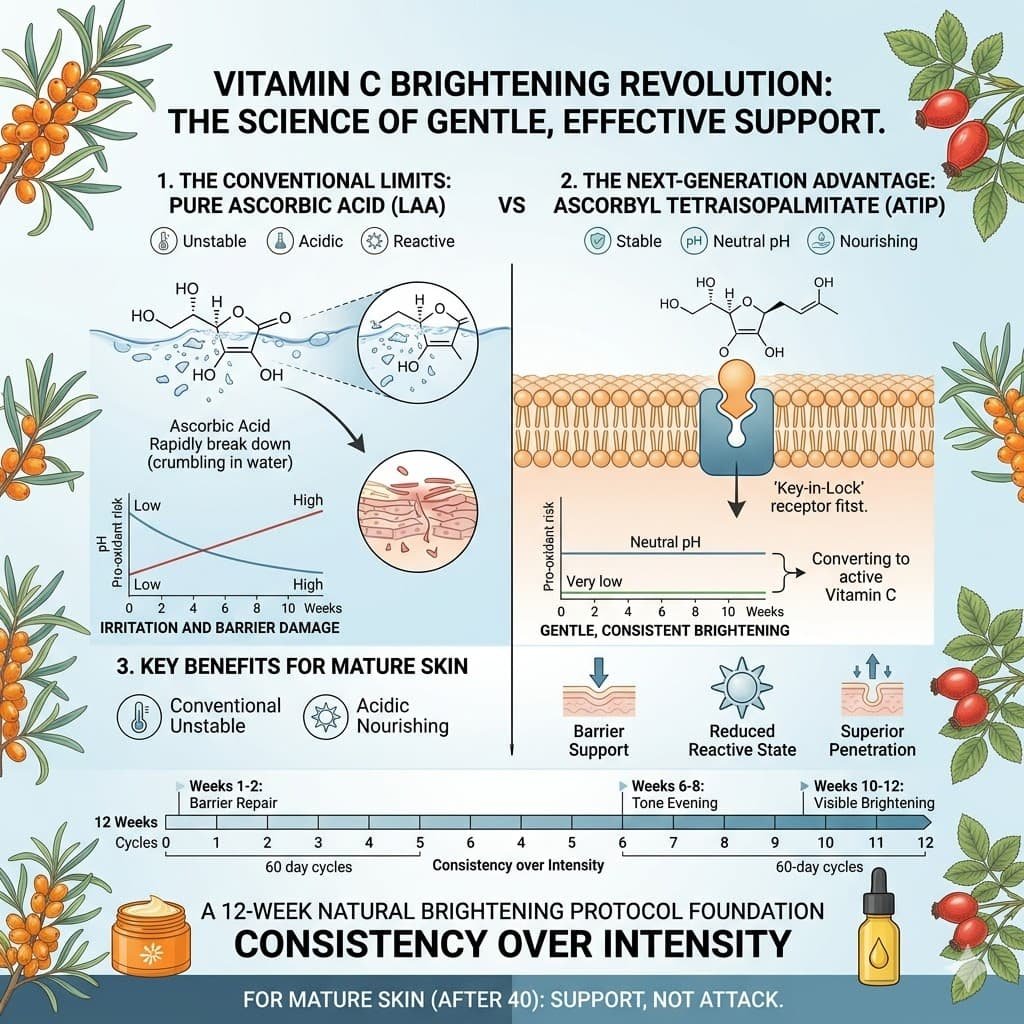
L-Ascorbyl Acid
Vitamin C is one of the most evidence-backed ingredients for addressing hyperpigmentation. It works by interrupting melanin production at multiple steps, while simultaneously protecting skin from oxidative stress and serving as an essential cofactor for collagen synthesis — without it, your body cannot properly crosslink the collagen fibres that keep skin firm.
But not all vitamin C in skincare is created equal. In fact, the form that most people know — pure ascorbic acid (L-ascorbic acid) — is one of the least suited to mature, reactive skin. Here is why.
The stability problem. Pure ascorbic acid is notoriously unstable. It oxidises rapidly when exposed to light, air, or water, turning from clear to yellow, then to brown. At that point, it is no longer an antioxidant. It becomes a pro-oxidant — meaning it can actually promote the oxidative stress you are trying to prevent. You are applying something that works against you.
The pH problem. To remain stable and penetrate skin, pure ascorbic acid requires a very low pH, highly acidic. This is the stinging sensation many people associate with vitamin C serums. For mature skin with a thinner, more permeable barrier, that acidity is not a sign that the product is working. It is a sign of irritation — and irritation, as we have established, wakes up melanocytes.
The water problem. Ascorbic acid is water-soluble, which means most vitamin C serums are water-based. Water accelerates oxidation, and water-based formulations require stronger preservative systems to prevent microbial growth. The more ingredients in the bottle, the more potential triggers for reactive skin.
This is why we formulate without water — not just for stability, but because removing water reduces the need for synthetic preservatives, aligning with a barrier-first philosophy that avoids unnecessary chemical exposure on already-sensitive skin.
Ascorbyl Tetraisopalmitate: A Smarter Form of Vitamin C
In our formulations, we use ascorbyl tetraisopalmitate (ATIP) — an oil-soluble vitamin C ester that is fundamentally different from standard ascorbic acid, and far better suited to skin over 40.
It is oil-soluble, so it speaks your skin’s language. The skin’s barrier is built from lipids — fats and oils. Water-soluble ingredients must be formulated with penetration enhancers (often at irritatingly low pH) to pass through. ATIP is naturally lipophilic — it shares an affinity with your skin’s lipid barrier. It slips through effortlessly, without needing an acidic environment to force entry.
It works at neutral pH, so there is no sting. ATIP does not require a low, acidic pH to remain stable or to penetrate. It provides brightening and collagen-supporting benefits at a pH that your skin recognises as normal — which means no redness, no burning, and no inflammatory signal to the melanocytes you are trying to calm.
It converts once absorbed, exactly where it is needed. ATIP stays in its stable form until it enters the skin. Once inside, your skin’s own enzymes convert it into active vitamin C precisely where melanin regulation and collagen synthesis take place — in the deeper layers. The ingredient works within the skin rather than reacting on the surface. You get the potency of a high-concentration active, delivered with the gentleness of a nourishing oil.
It is stable from first drop to last. Unlike water-based ascorbic acid serums that can oxidise before you finish the bottle, ATIP remains stable. The oil in the bottle protects it. The absence of water protects it. The last application is as effective as the first.
In short: traditional vitamin C is like a guest trying to push through a locked door, causing noise and damage in the process. ATIP has the key. It enters quietly, transforms once inside, and does its work without announcing itself with a sting.
Ascorbyl tetraisopalmitate is present in our Restorative Phyto-Serum Oil™, Seabuckthorn Balm™, Phyto-Radiance Body Oil™, and Sunstone Eye Balm™.
The Emotional Dimension: When Your Skin Feels Like It Has Betrayed You
There is a particular frustration that comes with dark spots appearing in your 40s. You wore sunscreen. You stayed out of the sun. You did your best. And still — there they are, across your cheeks, your forehead, the backs of your hands.
This is not failure. It is biology.
Hormonal pigmentation is driven by internal signalling — an entire symphony of hormones, not just surface-level UV exposure. As oestrogen fluctuates and eventually declines, the skin’s barrier becomes drier and more prone to inflammation. Melanocytes, already sensitised by decades of accumulated cellular memory, respond to even small internal shifts. You could have lived in a cave and still developed melasma. This does not mean UV protection is unimportant — it means the blame we assign ourselves for a missed sunscreen application at twenty-five is both inaccurate and unkind. What you see now is a function of oestrogen changes, accumulated cellular memory, and a natural deceleration of repair. It is a physiological event, not a personal shortcoming.
Understanding this changes how you approach treatment. You stop attacking your skin and start supporting it. You stop expecting overnight results and start tracking progress in weeks, eight to twelve, to be realistic. You stop layering aggressive actives that trigger more inflammation and more pigmentation, and you start giving your skin the nutrients, the protection, and the patience it needs to find its own balance again.
This shift — from self-correction to self-care — is the foundation everything else rests on.
A 12-Week Natural Brightening Protocol
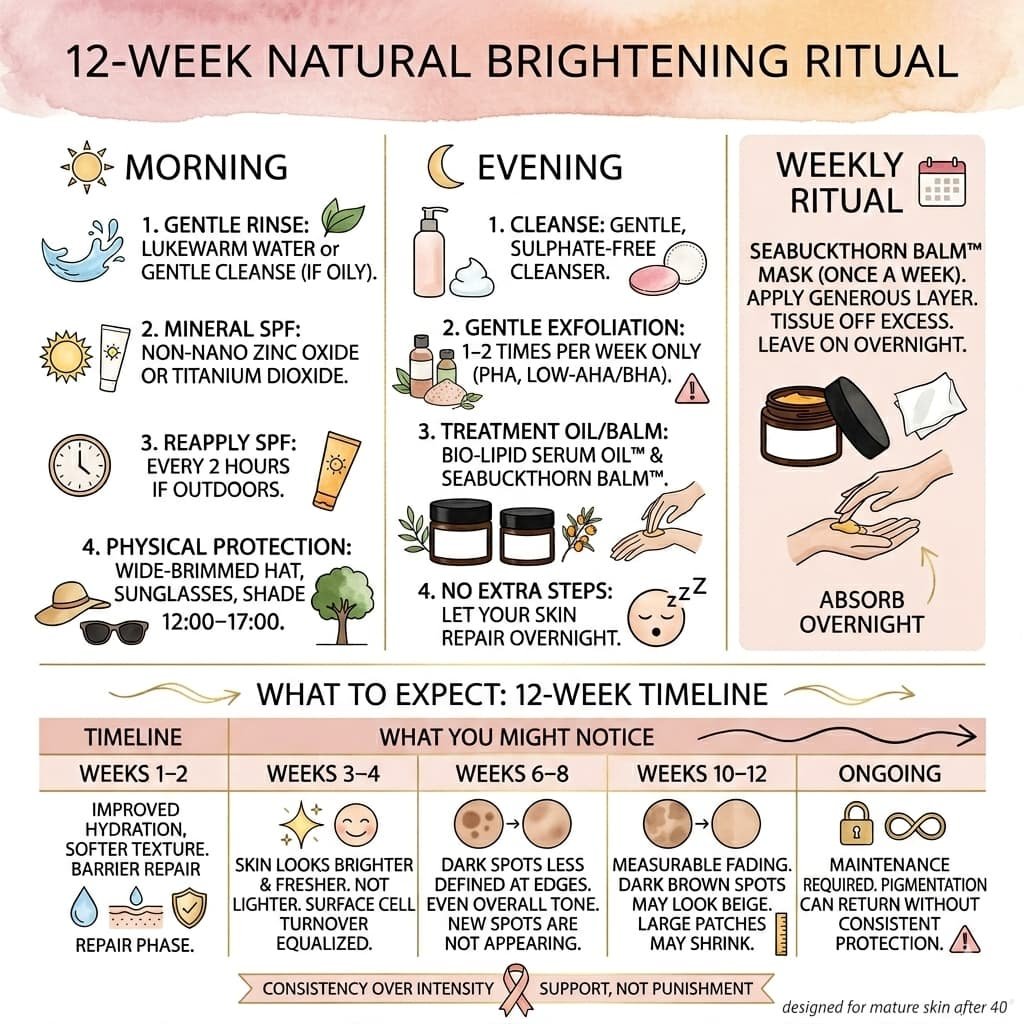
This protocol is designed for consistency, not intensity. It assumes a skin barrier that needs support, not punishment.
Morning Routine
- Rinse or gentle cleanse. If your skin is not oily, a splash of lukewarm water is enough. Over-cleansing in the morning strips the barrier your skin spent the night repairing.
- Mineral SPF. Apply a non-nano zinc oxide or titanium dioxide sunscreen to face, neck, and hands — every single day, regardless of weather or plans. If you are going to be outdoors for more than two hours, bring it with you and reapply. This is the single most effective brightening step you will take.
- Physical protection when possible. A wide-brimmed hat. Sunglasses. Long sleeves if you will be in direct sunlight for extended periods. Between 12:00 and 17:00, when UV is at its peak, seek shade or cover up. These habits are free, side-effect-free, and more effective than any product.
Evening Routine
- Cleanse. Remove SPF, makeup, and environmental buildup. Use a gentle, sulphate-free cleanser. Your skin should feel clean, never tight.
- Gentle exfoliation (1–2 times per week — the ceiling, not the baseline). A low-concentration PHA, AHA, or BHA product — or a finely ground botanical scrub used lightly. For mature skin, gluconolactone and lactobionic acid (PHAs) are particularly well-suited: they polish the surface without crashing through the barrier, and they hydrate while they work. If your skin feels sensitive or tight afterwards, you have used too much or too often. Dial it back. Remember: mature skin may take 48 to 72 hours to fully restore its protective barrier after exfoliation. Applying acids again before that recovery is complete stacks damage, and thinning the stratum corneum increases UV sensitivity the next day. You are supporting your skin’s natural rhythm, not forcing it into a sprint it cannot sustain.
- Treatment oil or balm. Apply 5–6 drops of Bio‑Lipid Serum Oil™ to damp skin, pressing gently rather than rubbing. On nights when you are focusing on stubborn pigmentation, follow with a pea-sized amount of Seabuckthorn Balm™ tapped onto the areas of concern — cheeks, forehead, hands. The balm’s richer texture extends contact time so the active botanicals work through the night.
- Nothing else. Your skin repairs itself while you sleep. Let it.
Weekly Ritual
Once a week, apply a slightly more generous layer of Seabuckthorn Balm™ to the whole face 20 minutes before bed. Tissue off any excess so your pillowcase stays clean, and leave the thin remaining layer to absorb overnight. This extended contact allows the active compounds to work more deeply.
What to Expect
| Timeline | What You Might Notice |
|---|---|
| Weeks 1–2 | Improved hydration, softer texture. No visible change in pigmentation yet. This is the barrier repair phase — the necessary foundation before any brightening can happen. |
| Weeks 3–4 | Skin looks brighter and more alive. Not lighter — just fresher. Surface cells are turning over more evenly. |
| Weeks 6–8 | Dark spots may look slightly less defined at the edges. Overall tone appears more even. New spots are not appearing — the prevention is working. |
| Weeks 10–12 | Measurable fading. Spots that were dark brown may now look beige. Large patches may have shrunk. This is the cumulative result of two full renewal cycles. |
| Ongoing | Maintenance. Pigmentation can return without consistent protection. But your skin now has the nutrient reserves, the barrier strength, and the calmer melanocyte activity to stay even-toned with far less effort. |
A Final Word
Natural brightening is not bleaching. It does not make you lighter. It does not erase every mark your skin has ever accumulated. What it does is help your skin return to its own healthy, even-toned baseline — whatever that baseline may be.
The dark spots on your skin are a record. A record of summers spent outdoors. Of hormonal chapters lived through. Of skin that protected you for decades in the only way it knew how. Softening those marks — gently, patiently, with the right nutrients — is not about erasing your history. It is about supporting your skin into its next chapter with the same loyalty it has always shown you.
Your skin knows how to regulate itself. It has done so since before you were born. It just needs the right support, consistent protection, and time.
Explore the products mentioned:
Eyes
Serums
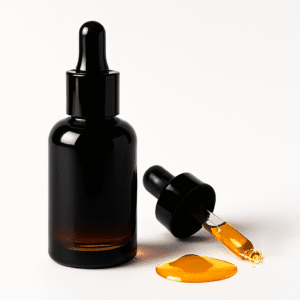
BioLipid Serum Oil
A lipid-rich composition that supports softness, flexibility, and everyday barrier comfort without ever feeling heavy
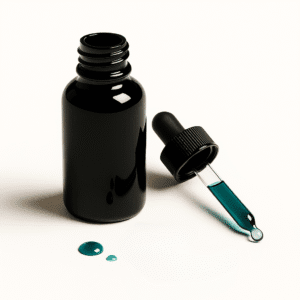
Restorative Phyto Serum Oil
All the visible smoothing, firming, and brightening you want. Delivered gently enough for the most reactive complexions.
Balms
Calendula Balm Original
When skin says no to everything else. The simplest, gentlest balm we make — just a quiet seal of comfort for the most sensitive, easily unsettled complexions.
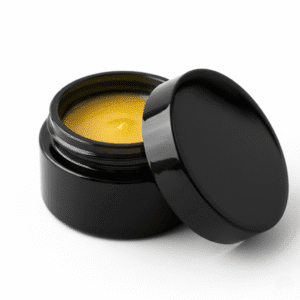
Calendula Balm Plus
Where redness meets dryness. A richer, more restorative calendula balm with rosehip and sea buckthorn to replenish, soften, and support visible renewal.
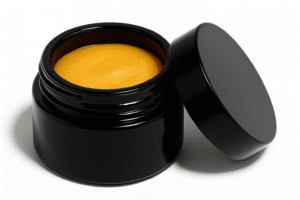
Seabuckthorn Balm
For skin that feels thinner, more fragile, less resilient. A concentrated restorative balm that helps rebuild a sense of density and protection while supporting lasting comfort.
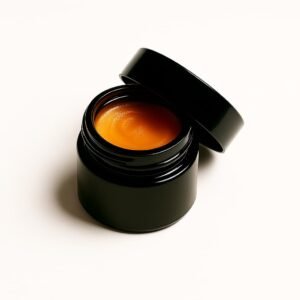
Scrub
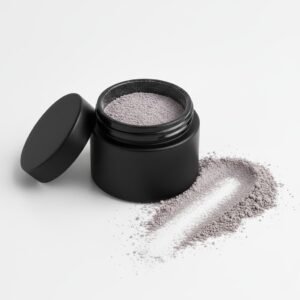
Bio-Refining Scrub
The gentlest kind of renewal. A powder you activate yourself — with water for a light polish or oil for a buffered, nourishing treatment.
Continue Reading
- Part 1 — Preservatives: parabens, formaldehyde-releasers, and the chemicals that stop products from spoiling. Why we avoid certain preservatives and how we keep our products fresh without them.
- Part 2 — The structural and sensory ingredients: silicones, emulsifiers, fragrances, mineral oils, and pigments. The ingredients that give a product its feel, its scent, its colour, and its shelf presence — and why every one of them should earn its place.
- Part 3 — Ingredients Under the Microscope: chemical UV filters, retinol, PFAS, heavy metals, synthetic musks, microplastics, perfume loopholes, and the latest EU regulatory changes. What’s still legal, what’s increasingly scrutinised, and why we watch closely.
Support Your Skin
Our natural product collection at Ossie Naturals is formulated specifically to support your skin’s natural adaptive processes. Each product provides the building blocks your skin needs, from barrier-supporting lipids to adaptive antioxidants.
We don’t believe in dramatic seasonal routine overhauls or aggressive treatments that fight against your skin’s natural processes. Instead, our approach focuses on gentle, consistent support that works with your skin’s intelligence rather than against it.
Join our private community on Facebook or join our Newsletter for access to seasonal transition guides, ingredient education, and products specifically formulated to support your skin through changes because your skin’s adaptive intelligence deserves support, not interference.
Performance‑led, nutrient‑rich compositions
Our House Collection
Calendula Balm - Original™
Restorative and Calming Concentrate
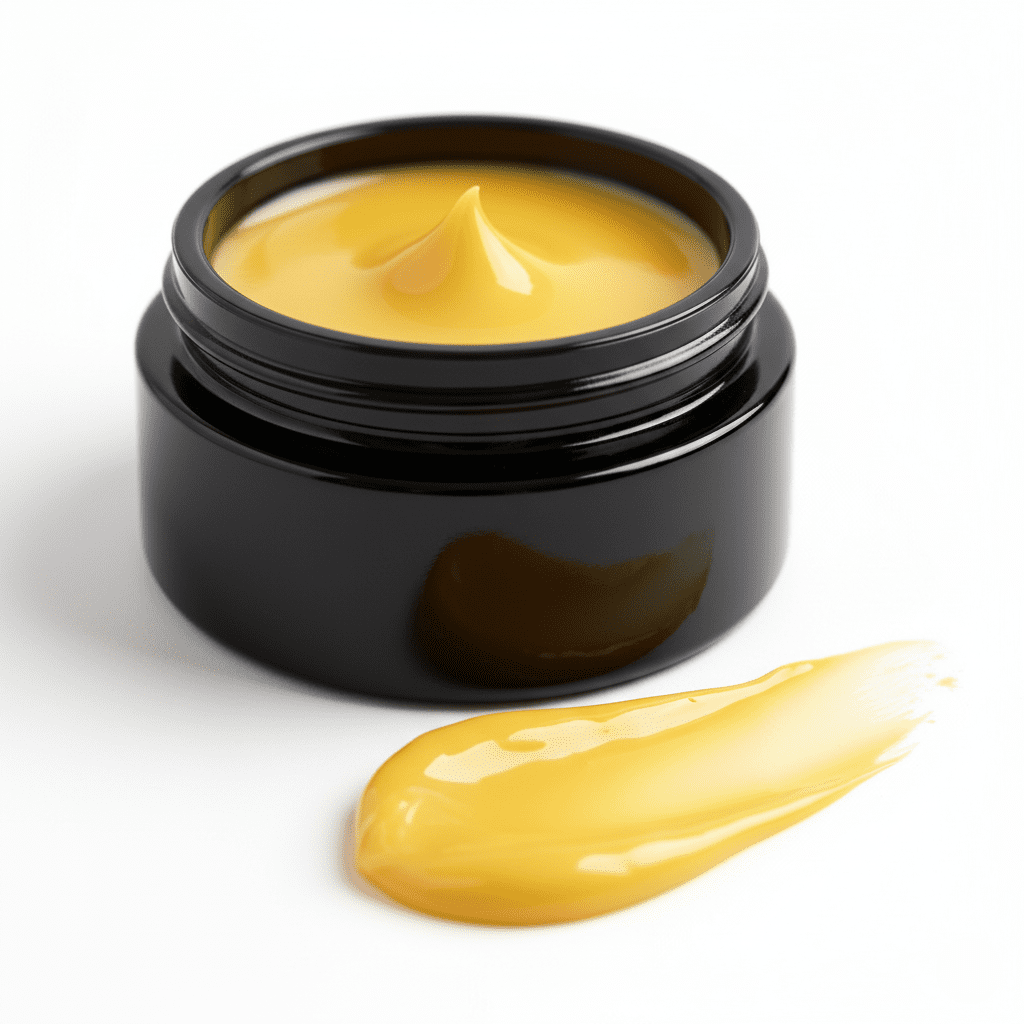
Azure Tansy
Balm™
Intensive Repair and Protection Complex
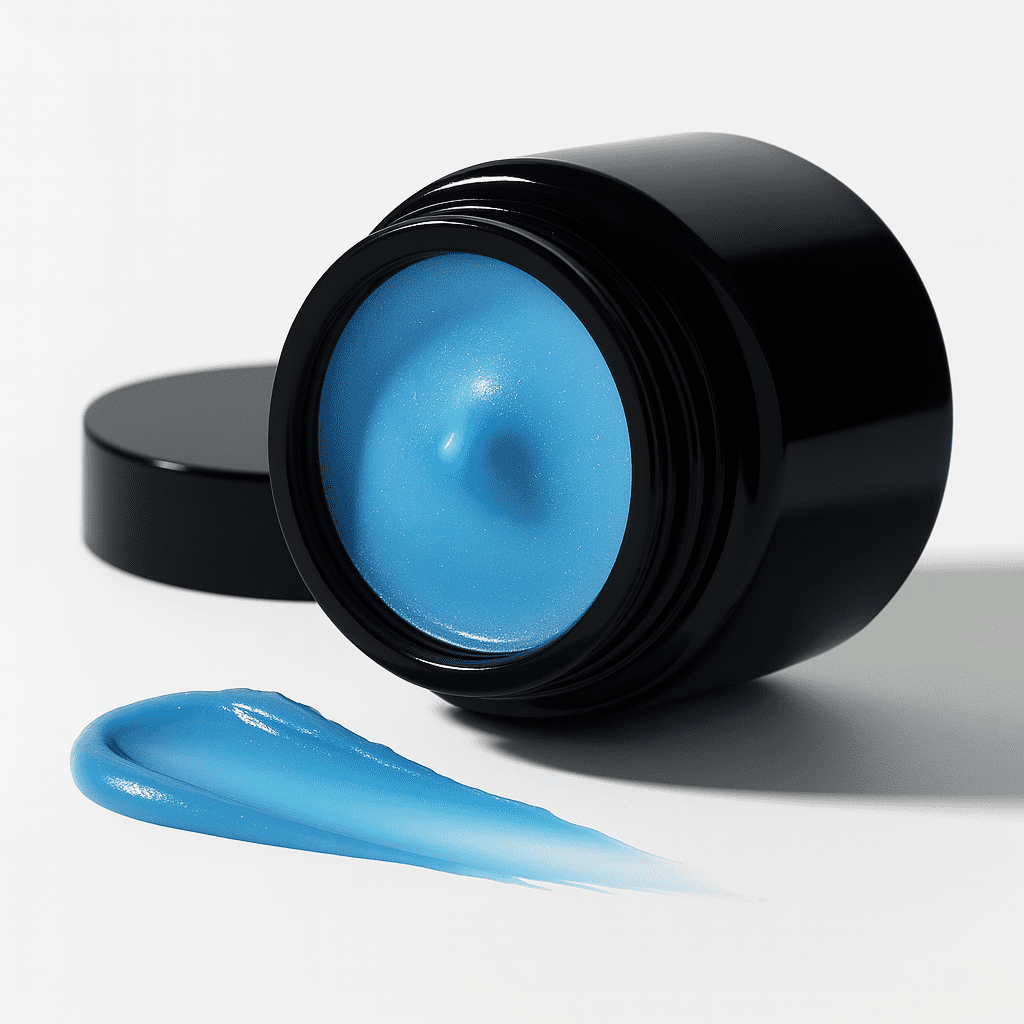
TerraPure - Original Deodorant
Powerful protection, naturally
Restorative Phyto‑Serum Oil™
Renewal and Balance. Visible transformation in every drop
We empower your skin to thrive.
Sign Up Newsletter
Ready to invest in your skin’s future with the finest natural ingredients? Explore our collections or join our community for expert tips and exclusive access.
We value your trust when sharing your personal data with us. We always treat your data in a fair and respectful manner, limited to the purpose mentioned above. If you would like to know more about how we handle your data, please read our Privacy Policy.